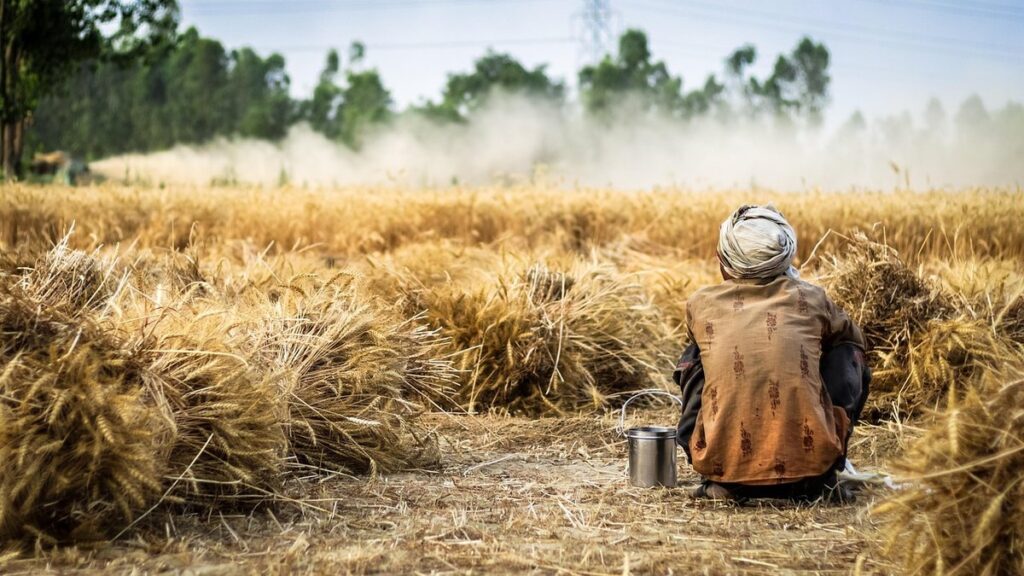
Organic farming is on the rise in the United States, with more and more farmers turning to natural methods to cultivate their land. Acres of organic cropland are sprouting up across the country, from the lush fields of California’s Central Valley to the rolling hills of rural Pennsylvania. What’s driving this trend? For one, consumers are increasingly seeking out eco-friendly produce and products made with organic ingredients. This demand is putting pressure on farmers to adapt and scale up their operations, but it also presents a lucrative opportunity for those who can successfully navigate the challenges of organic production.
The benefits of organic farming extend far beyond the soil itself – they also have significant economic and social impacts on local communities. By exploring these trends and challenges, you’ll gain a deeper understanding of the complex interplay between agriculture, business, and the environment. This article will examine the growing trend of acres of organic cropland in the United States, its benefits and drawbacks, and how it’s transforming the way we think about food production.
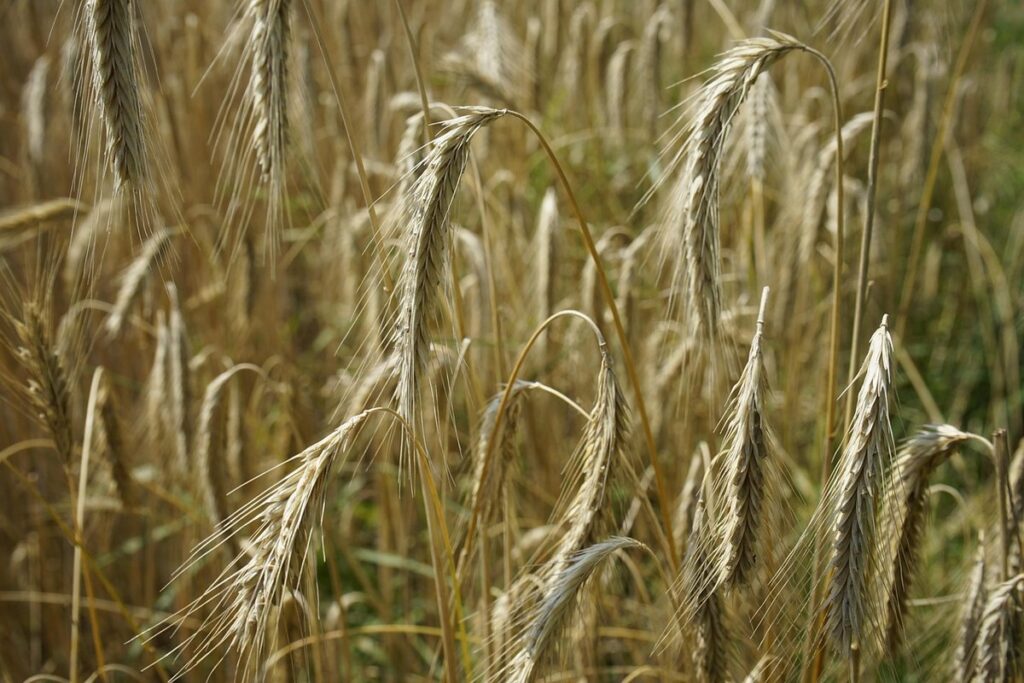
The Rise of Organic Farming
As we explore the growth of organic cropland in the United States, it’s essential to understand the factors driving this trend and what they mean for farmers, consumers, and the environment.
Benefits of Organic Farming for Soil and Ecosystem Health
Organic farming methods have been shown to improve soil health by increasing its water-holding capacity and fertility. This is achieved through the use of natural amendments such as compost and manure, which add organic matter to the soil. As a result, farmers can reduce their reliance on synthetic fertilizers, minimizing the risk of over-fertilization that can lead to soil degradation.
Organic farming also promotes biodiversity by creating habitats for beneficial insects and microorganisms. By planting a diverse range of crops and incorporating cover crops into rotation plans, organic farms become ecosystems in themselves. This approach helps to maintain ecosystem services such as pollination and pest control, reducing the need for chemical pesticides and herbicides.
Reduced environmental pollution is another key benefit of organic farming. Organic methods eliminate the use of synthetic chemicals, which can contaminate waterways and harm wildlife. Instead, farmers focus on integrated pest management techniques that use natural predators or physical barriers to control pests. This approach not only minimizes environmental impact but also promotes a healthier environment for both people and wildlife.
Challenges Faced by Organic Farmers in the US
Organic farmers in the US face significant challenges that can make it difficult to transition to and maintain organic practices. One of the primary concerns is certification costs, which can be a barrier for small-scale farmers. The cost of obtaining and maintaining organic certification can range from $300 to over $1,000 annually, depending on the size and complexity of the farm.
In addition to certification costs, market access is also a challenge for many organic farmers. Securing contracts with buyers and navigating the complex supply chain can be time-consuming and require significant resources. This can be particularly challenging for new or small-scale farmers who may not have established relationships with buyers.
Regulatory hurdles are another obstacle that organic farmers must navigate. The US Department of Agriculture (USDA) sets strict guidelines for organic production, and non-compliance can result in costly fines or even loss of certification. For example, the USDA requires organic farms to maintain detailed records of their practices, including soil testing and pest management. Meeting these requirements can be a significant burden on small-scale farmers who may not have extensive resources or expertise.
To overcome these challenges, many organic farmers form cooperatives or join networks to share resources and knowledge. Others seek out technical assistance programs that provide guidance on organic practices and certification procedures.
Current State of Organic Cropland in the US
The current state of organic cropland in the US is a rapidly evolving landscape, with increasing acres being converted to certified organic production each year. We’ll take a closer look at the numbers and trends that are shaping this shift towards more sustainable farming practices.
Acres of Organic Cropland: A Historical Perspective
Organic cropland has experienced a significant growth trajectory over the years. In 1990, the US had approximately 1 million acres of organic cropland. By 2002, this number more than doubled to 2.4 million acres. The passage of the Organic Foods Production Act in 1990 marked a pivotal moment for organic farming, providing federal support and guidelines for certification.
A decade later, the Organic Cropland Conversion Program was established as part of the 2002 Farm Bill. This program offered financial incentives for farmers to convert their land to certified organic production, resulting in an additional 1 million acres being added to the total by 2010.
The growth of organic cropland has not been uniform across all regions, however. A small but notable increase was observed on the West Coast, driven largely by consumer demand for locally grown produce. Meanwhile, some states, such as California and Wisconsin, have seen a more substantial expansion in organic acreage due to their long history of agricultural innovation.
Regional Variations in Organic Cropland
The Pacific Northwest has emerged as a leading region for organic cropland, with states like Oregon and Washington boasting some of the highest percentages of certified organic land. This is due in part to the region’s rich soil quality, mild climate, and strong demand from local consumers for organic produce. In contrast, California’s organic cropland tends to be more concentrated in specific areas, such as the Salinas Valley, where ideal growing conditions and a large market for organic crops have driven growth.
The Northeast is another significant player in the world of US organic cropland, with states like New York and Vermont seeing increased adoption rates among farmers. However, this region faces unique challenges due to its colder climate and shorter growing season, requiring innovative crop selection and management strategies to succeed.
A key factor contributing to regional variations in organic cropland is soil quality – regions with naturally fertile soils tend to have higher levels of organic land use. Additionally, local market demand and the presence of supportive agricultural organizations can also play a significant role in determining the distribution of organic cropland across different regions.
Organic Cropland by Crop Type
Organic croplands in the US are dominated by a few key crops, and some of these stand out for their significant acreage. We’ll take a closer look at the top organic crop types.
Top Organic Crops Grown in the US
Organic croplands in the US are primarily dedicated to producing a variety of fruits and vegetables. Among the top crops grown organically are leafy greens like kale and spinach, followed by broccoli, cauliflower, and carrots. Berries such as strawberries, blueberries, and raspberries also thrive on organic farms due to their low chemical requirements.
In terms of tree-based crops, almonds and walnuts are commonly cultivated using organic practices. These nut crops require regular maintenance and pruning, making them well-suited for regenerative farming methods that prioritize soil health and biodiversity. Other important crop groups include seeds like sunflowers and flaxseeds, which are valued for their nutritional content and versatility in food production.
A key characteristic of successful organic croplands is the incorporation of diverse crop rotations and intercropping techniques. By planting multiple crops together or rotating through different varieties, farmers can break disease cycles, improve soil fertility, and increase overall yields. This approach also allows for more efficient use of resources like water and labor.
Emerging Trends in Organic Cropping Systems
Regenerative agriculture, permaculture, and agroforestry are three emerging trends in organic cropping systems. These approaches prioritize soil health, biodiversity, and ecosystem services over high yields. Regenerative agriculture focuses on rebuilding soil organic matter through practices like no-till or reduced-till farming, cover cropping, and incorporating compost or manure.
Permaculture designs crop systems to mimic natural ecosystems, promoting diversity and minimizing external inputs. Agroforestry combines trees with crops and/or livestock, creating complex agroecosystems that provide habitat for beneficial organisms and regulate climate. These approaches often involve changing traditional farm layouts and management practices.
A key benefit of these trends is improved soil health, which in turn enhances water retention, reduces erosion, and increases crop resilience. For example, a study on regenerative agriculture found that farmers saw significant improvements in soil structure and fertility after just two years of implementing no-till farming. While adopting these approaches can be more labor-intensive, they offer long-term benefits for both the environment and farm profitability.
Incorporating agroforestry into existing organic cropping systems can provide additional income streams through forest products like timber or nuts. For instance, integrating fruit trees with annual crops like corn or soybeans can increase biodiversity while also providing a source of shade and reducing soil temperature fluctuations.
Economic and Social Impacts of Organic Cropland
As organic cropland continues to grow, it’s essential to consider the ripple effects on local economies and communities. How do these sustainable farming practices impact the people and places they touch?
Economic Benefits for Farmers and Local Communities
Organic farming brings significant economic benefits to farmers and local communities. By adopting organic practices, farmers can increase their income through higher market prices for organic produce. According to the USDA, organic farms typically receive a premium of 20-30% above conventional prices. This premium not only boosts farm revenues but also creates opportunities for farmers to invest in their operations.
Job creation is another key benefit of organic farming. Organic cropland often requires more labor-intensive practices, such as hand-weeding and crop monitoring. These jobs can be filled by local residents, providing a source of employment and income for community members. In addition, the demand for organic produce drives growth in related industries like transportation, storage, and processing.
The economic benefits of organic farming also have a ripple effect on local economies. As farmers earn more from their organic crops, they are better positioned to invest in their communities. This can lead to improved infrastructure, increased access to services, and enhanced quality of life for residents. By supporting local organic farms, consumers contribute to the well-being of both farmers and their communities.
Consumer Demand and Market Trends in Organic Produce
Consumer demand for organic produce is driving growth in organic cropland. The market share of organically grown fruits and vegetables has steadily increased over the past decade, with sales reaching $16 billion in 2020. This surge can be attributed to growing consumer concerns about food safety, environmental sustainability, and health benefits associated with organic produce.
A key driver of demand is the rise of younger generations who prioritize wellness and sustainability. Millennials and Gen Z consumers are more likely to choose organic options due to their perception of organic as a healthier choice. For instance, 71% of millennials prefer organic products over conventional ones.
The growing demand for organic produce has led to an increase in availability at mainstream grocery stores. However, supply chain issues and high production costs remain significant challenges for farmers. To address these challenges, some farms are adopting regenerative agriculture practices that improve soil health, reduce chemical use, and promote biodiversity.
Retailers must adapt to changing consumer preferences by offering a wider range of organic products. Consumers also expect transparency about the origin and production methods used in organic produce. Meeting this demand requires improved labeling and tracking systems to ensure authenticity and accountability throughout the supply chain.
Challenges and Opportunities for Expansion
As we explore the growth of organic cropland in the US, let’s examine the challenges that come with scaling up production, from supply chain logistics to consumer demand.
Regulatory Frameworks Supporting Organic Farming
The US government has implemented various regulatory frameworks to support organic farming. The National Organic Program (NOP) is a key federal policy governing organic production and handling practices. Established in 2002, the NOP sets standards for organic crop production, including requirements for soil quality, pest management, and crop rotation. This framework ensures consistency across states and provides a clear pathway for farmers to transition to organic practices.
Some notable state policies supporting organic farming include California’s Healthy Soils Initiative, which offers incentives for farmers to implement regenerative agriculture practices, and New York’s Organic Certification Cost Share Program, which helps farmers cover the costs of obtaining organic certification. These programs not only promote soil health but also provide economic benefits for farmers by increasing their access to markets that value organically grown crops.
Additionally, some states have introduced legislation aimed at reducing pesticide use and promoting integrated pest management (IPM) techniques, such as Oregon’s Senate Bill 1541, which restricts the use of certain pesticides on certified organic farms. These policies contribute to a supportive environment for organic farming in the US, enabling farmers to scale up production while maintaining high standards for environmental sustainability.
Innovations in Technology and Infrastructure
Precision agriculture and soil health monitoring are two key technologies driving growth in organic cropland. Precision agriculture involves using data collection and analytics to optimize crop yields and reduce waste. This can be particularly beneficial for organic farmers, who often rely on natural methods of pest control and soil enrichment. For instance, sensors can detect nutrient deficiencies in real-time, allowing farmers to apply targeted fertilizers or compost. This approach not only boosts efficiency but also minimizes environmental impact.
Soil health monitoring is another critical innovation. By tracking parameters such as pH levels, moisture content, and microbial activity, farmers can identify areas of improvement and make informed decisions about soil conservation practices. Companies like Soil Genesis are developing AI-powered tools that analyze soil data to provide personalized recommendations for organic farming. These technologies have the potential to not only increase crop yields but also enhance overall ecosystem health.
Farmers can begin implementing these innovations by investing in sensor technology or partnering with companies offering precision agriculture services.
Frequently Asked Questions
What is the minimum land size required to start an organic farm in the US?
The answer depends on various factors such as crop choice, market demand, and regional regulations. Generally, starting small with about 1-5 acres can be a feasible option for new farmers. However, it’s essential to consider the economies of scale, labor requirements, and equipment needs before deciding on the optimal land size.
How do I ensure soil health when transitioning from conventional to organic farming?
Yes, incorporating cover crops, crop rotation, and composting are effective strategies to improve soil health during the transition period. These practices help build organic matter, reduce erosion, and increase soil biodiversity. Regular soil testing can also provide valuable insights into nutrient levels and pH, allowing for targeted amendments.
Can I grow both organic and conventional crops on the same farm?
Yes, many farmers successfully integrate organic and conventional crops on their farms. This approach requires careful planning to ensure segregation of organic and conventional fields, equipment, and labor to maintain certification standards. Effective record-keeping is also crucial for tracking crop rotations, pesticide use, and other factors affecting certification.
How do I handle pests and diseases in an organic farming system?
Organic farmers rely on integrated pest management (IPM) strategies that combine physical barriers, biological controls, cultural practices, and mechanical removal of weeds. For example, using row covers to prevent infestations or introducing beneficial insects to control pests can be effective methods for managing crop health without synthetic chemicals.
What are some potential challenges in scaling up an organic farm?
Scaling up an organic farm requires careful consideration of factors such as infrastructure development, labor management, and supply chain logistics. Additionally, maintaining high-quality soil health, biodiversity, and ecosystem services while increasing production levels can be a challenge. Farmers may need to invest in new equipment or technologies that align with their organic certification standards.