
Alligator weed is a type of invasive aquatic plant that’s taking over waterways across the globe. This aggressive spreader can outcompete native vegetation, alter ecosystem dynamics, and even clog irrigation systems, posing significant threats to local biodiversity. You may be wondering how this tiny seed can wreak such havoc – it’s capable of producing thousands of seeds per square meter, allowing it to quickly overrun entire areas.
Understanding alligator weed is crucial for protecting your ecosystem from further invasion. By grasping its definition and identification characteristics, you’ll be able to recognize the signs of an infestation before it spirals out of control. In this article, we’ll explore effective control methods and prevention strategies to help you combat alligator weed’s spread and preserve the health of your waterways. By the end of this guide, you’ll know how to identify, manage, and prevent alligator weed invasion in your ecosystem.
What is Alligator Weed?
Alligator weed is a highly invasive aquatic plant that has been wreaking havoc on waterways and ecosystems worldwide, causing significant problems for native species. Understanding its unique characteristics is essential to tackling this pesky problem effectively.
Definition and Origins
Alligator weed (Alternanthera philoxeroides) is a perennial aquatic plant native to South America. Its natural habitat spans the Paraná and Uruguay river basins, where it thrives in shallow water with slow currents. The plant’s origins date back to ancient times, but its introduction to other regions has been a more recent phenomenon. In the late 19th century, alligator weed was intentionally introduced to the United States as an ornamental plant for its attractive foliage and potential use in aquariums.
However, this invasive species soon proved to be highly adaptable and aggressive, outcompeting native vegetation for resources and space. The plant’s ability to spread rapidly through underground stolons has enabled it to colonize new areas quickly, often displacing local ecosystems. By the mid-20th century, alligator weed had become a major concern in the southeastern United States, particularly in Florida, where it clogged waterways and impeded navigation. Today, alligator weed is recognized as an invasive species in many regions, causing significant ecological and economic harm. Its spread highlights the importance of responsible plant introduction and the need for effective control measures to prevent further invasion.
Characteristics and Identification
Alligator weed is a perennial aquatic plant with distinctive characteristics that aid in identification. It has long, slender stems that can grow up to 6 feet tall, with a reddish-brown color and coarse texture. The leaves are dark green, elliptical in shape, and arranged oppositely on the stem. Each leaf tip is pointed, giving it a sharp appearance.
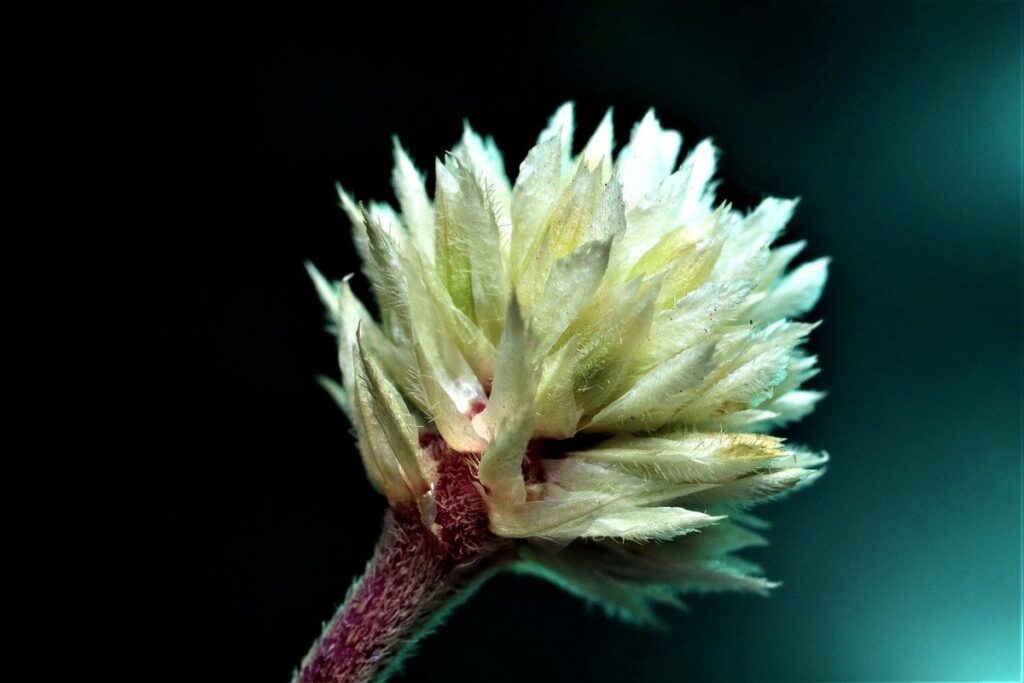
One of the most recognizable features of alligator weed is its ability to form dense mats on the water’s surface. These mats can be several feet wide and provide habitat for other aquatic species. When mature, alligator weed produces small white flowers that are often hidden by the foliage. The plant’s growth habits allow it to thrive in a variety of aquatic environments.
Some distinguishing marks to look out for include the presence of rhizomes, which are thick underground stems that produce new shoots and roots. These rhizomes can break off from the parent plant and spread to new areas, facilitating its invasive spread.
Habitat and Distribution
Alligator weed can thrive in a wide range of aquatic environments, from slow-moving rivers to still ponds, making its identification crucial for effective control. Understanding where it grows is key to prevention efforts.
Native vs. Invasive Habitats
In its native range, alligator weed typically thrives in shallow, slow-moving waterways with dense vegetation. It’s commonly found along rivers and streams in the southeastern United States, where it forms dense mats that can completely cover the surface of the water. This habitat allows the plant to spread rapidly through fragmentation, as pieces of stem break off and root into new areas.
In contrast, invasive alligator weed populations have been spotted in a variety of non-native habitats, including irrigation canals, drainage ditches, and even urban stormwater management systems. These areas often have different water flow rates, nutrient levels, and soil conditions than its native range, which has led to the development of unique characteristics in invasive populations.
For example, invasive alligator weed may grow more quickly or produce larger amounts of biomass in these new environments, allowing it to outcompete native species for resources. This has significant implications for local ecosystems, where native plants and animals may struggle to coexist with the aggressive invader. Understanding the differences between native and invasive habitats is crucial for developing effective control strategies.
Impacts on Local Ecosystems
Alligator weed’s invasive nature has significant consequences for local ecosystems. In aquatic environments, it chokes out native vegetation, altering water chemistry and degrading habitats for fish and other aquatic species. For example, in the Everglades, alligator weed infestations have led to declines in wading bird populations due to reduced food sources.
On land, alligator weed forms a dense mat that crowds out native plants, suppressing biodiversity. This can lead to soil erosion as plant roots are no longer stabilizing the soil. In some cases, alligator weed has even caused entire ecosystems to shift towards more invasive species, creating a self-reinforcing cycle of degradation.
Additionally, alligator weed’s rapid growth rate and ability to tolerate a wide range of conditions make it highly competitive with native plants. This can result in long-term changes to ecosystem function and resilience. To mitigate these impacts, land managers should consider carefully monitoring water levels and nutrient input, as well as implementing targeted removal strategies for the invasive species.
In areas where alligator weed has become established, restoration efforts focus on reintroducing native plant species and reestablishing natural hydrological processes. These projects often require coordinated effort between local authorities, researchers, and community groups to effectively manage and restore impacted ecosystems.
Health Risks and Concerns
Exposure to alligator weed can pose serious health risks, especially for individuals who handle or come into contact with the plant. This section will address these potential hazards in more detail.
Human Exposure and Allergies
When humans come into contact with alligator weed, they may experience skin irritation, allergic reactions, or other health concerns. The plant’s sap contains urushiol, a chemical similar to that found in poison ivy and oak, which can cause severe skin reactions in some individuals.
Symptoms of an allergic reaction to alligator weed include redness, itching, blistering, and swelling. In severe cases, exposure can lead to more serious health issues such as respiratory problems or cardiovascular complications. If you suspect you’ve had a reaction to alligator weed, wash the affected area thoroughly with soap and water and seek medical attention if symptoms persist.
To minimize the risk of exposure, wear protective clothing when handling alligator weed, including long sleeves, pants, gloves, and closed-toe shoes. Avoid touching your face or eyes after handling the plant, and wash your hands thoroughly before eating or smoking. Some people may be more susceptible to reactions from alligator weed due to pre-existing skin conditions or allergies; if you’re concerned about exposure, consult a healthcare professional for advice on prevention and treatment.
Animal Toxicity and Impact on Livestock
Alligator weed contains toxic compounds known as phenolic glycosides, which can be detrimental to local animal populations if ingested. These compounds have been shown to cause a range of symptoms, including gastrointestinal upset and renal damage, particularly in grazing animals such as cattle and sheep.
Livestock that consume alligator weed may experience reduced feed intake, weight loss, and altered behavior. In severe cases, ingestion can lead to liver failure or death. For example, a study on the effects of alligator weed on cattle found that even small amounts ingested over an extended period could cause significant harm.
The risk of toxicity is increased when alligator weed is present in water sources used by livestock, such as ponds or watering holes. In these cases, animals may ingest the toxic compounds while drinking, which can exacerbate the problem. To mitigate this risk, landowners and managers should take steps to prevent alligator weed from growing near water sources or grazing areas.
It’s essential for farmers and ranchers to recognize the signs of alligator weed toxicity in their livestock and take prompt action if they suspect exposure has occurred. This includes monitoring animal health closely and seeking veterinary care if necessary.
Control and Prevention Methods
To effectively manage alligator weed, it’s essential to understand control methods that can help eradicate the plant from your property, and prevent its spread in the first place. We’ll walk you through practical prevention techniques next.
Manual Removal and Herbicide Treatment
For effective control of alligator weed growth, manual removal techniques can be a viable option. Physical removal involves digging up as much of the plant’s roots as possible to prevent regrowth. This method is most successful when applied early in the growing season before seeds disperse and new shoots emerge. A long-handled weeding tool or a small shovel are suitable for this task, especially in areas with limited access.
In addition to manual removal, herbicides can be used to target alligator weed. Herbicides specifically designed for invasive species like alligator weed are effective when applied directly to the foliage. Glyphosate and imazapyr are commonly used herbicides for controlling alligator weed growth. However, these chemicals should only be used by trained professionals or under close supervision due to potential environmental impacts.
When using herbicides, ensure you follow label instructions carefully, taking note of recommended application rates, timing, and protective gear requirements. It’s also essential to consider the surrounding environment and nearby water sources when applying herbicides.
Preventative Measures for Landowners and Managers
To prevent the spread of alligator weed, landowners, managers, and local authorities must work together. This involves education and community engagement to raise awareness about the risks associated with the invasive plant. Local governments can establish programs that provide resources and support for residents to identify and report alligator weed infestations.
Landowners can take proactive measures by implementing best management practices on their properties. These include regular monitoring for signs of alligator weed, such as new growth or seed dispersal, and promptly treating any detected areas with herbicides. They should also follow local regulations regarding the use of herbicides and ensure that they are applied safely.
Coordinated efforts between landowners, managers, and authorities can be facilitated through community meetings, workshops, or online platforms. These forums provide opportunities for sharing knowledge, experiences, and resources to develop effective prevention strategies. By working together, communities can reduce the spread of alligator weed and protect their ecosystems from its negative impacts. Local organizations may also offer training programs on invasive species management and control techniques.
Ecological Restoration and Reclamation
Restoring ecosystems damaged by alligator weed requires a thoughtful approach that balances environmental needs with human activities. This section explores strategies for ecological restoration and reclamation in affected areas.
Reforestation and Wetland Rehabilitation
Restoring affected ecosystems is a crucial step in mitigating the impacts of alligator weed. This process involves replanting native vegetation and rehabilitating damaged wetlands to return them to their natural state. In areas where alligator weed has overtaken native species, planting new vegetation can help reestablish a balanced ecosystem.
When replanting native vegetation, it’s essential to choose species that are well-suited to the local climate and soil conditions. This ensures that the new plants will thrive and compete with the invasive alligator weed. For example, in wetland areas, native grasses or aquatic plants like cattails or water lilies can be effective for controlling erosion and providing habitat for wildlife.
Rehabilitating damaged wetlands also requires careful planning and execution. This may involve removing excess sediment, restoring natural water flows, and reintroducing native species that have been displaced by the invasive weed. In some cases, collaborating with local experts or conservation organizations can provide valuable guidance and support in this process. By taking a holistic approach to reforestation and wetland rehabilitation, landowners and managers can help restore affected ecosystems and promote biodiversity.
Collaborative Efforts and Case Studies
In Australia’s Northern Territory, a collaborative effort between local government agencies, conservation groups, and indigenous communities has led to the successful restoration of several wetlands invaded by alligator weed. The project involved manual removal of the invasive plant, followed by revegetation with native species. One notable case study is the Katherine River Wetland Rehabilitation Project, which not only restored habitat for threatened bird species but also improved water quality and enhanced recreational opportunities.
Another example can be found in Florida’s Everglades National Park, where a joint effort between the US Fish and Wildlife Service, the South Florida Water Management District, and the Everglades Cooperative Invasive Species Management Area has been working to control alligator weed growth. This initiative includes regular monitoring, targeted herbicide application, and public education campaigns.
A key takeaway from these projects is the importance of community engagement and collaboration in addressing invasive species issues. Successful restoration efforts often rely on partnerships between government agencies, local organizations, and residents, highlighting the value of collective action in mitigating the impacts of alligator weed invasion.
Conclusion and Future Directions
Now that you’ve learned how to identify, control, and prevent alligator weed from taking over your landscape, let’s discuss next steps for ongoing management. We’ll explore what’s on the horizon for this invasive species.
Recap of Key Points and Recommendations
When managing alligator weed, it’s essential to remember the importance of early detection and prompt action. Throughout this guide, we’ve emphasized the need for a multi-faceted approach that incorporates both physical removal methods and preventative measures.
Key takeaways from our exploration of alligator weed include its invasive nature, ability to outcompete native vegetation, and potential health risks associated with human exposure. For individuals, communities, and organizations looking to combat this invasive species, it’s crucial to understand the importance of ecosystem restoration and reclamation efforts.
For landowners and managers, a combination of manual removal techniques and herbicide treatment can be effective in controlling alligator weed growth. However, preventative measures such as maintaining healthy water levels, promoting native vegetation, and implementing Integrated Pest Management (IPM) strategies are equally important for long-term success.
When implementing control methods, it’s essential to follow local regulations and guidelines, particularly when using herbicides. This may involve consulting with local authorities or seeking guidance from experienced professionals.
In terms of recommendations, consider the following key actions:
- Develop a comprehensive management plan that addresses both short- and long-term goals
- Engage in collaborative efforts with local communities, organizations, and stakeholders to share knowledge and resources
- Prioritize ecological restoration and reclamation activities to promote native vegetation and ecosystem health
By taking these steps and incorporating the lessons learned throughout this guide, individuals, communities, and organizations can effectively mitigate the impacts of alligator weed and work towards a healthier, more sustainable environment.
Frequently Asked Questions
Can I use physical barriers to prevent alligator weed from spreading?
Yes, using physical barriers like plastic sheeting or floating islands can help contain the invasive species and prevent it from spreading to new areas. This method is particularly effective in controlling its spread through waterways.
What if I accidentally introduce alligator weed to a new area while moving soil or plants?
If you inadvertently introduce alligator weed to a new area, act quickly to remove any infected plant material and disinfect your equipment to prevent further contamination. Regularly inspect newly imported materials for signs of the invasive species.
Is it more effective to manually remove alligator weed or use herbicides for control?
Both methods have their advantages and disadvantages. Manual removal is often more labor-intensive but can be a cost-effective approach, especially in smaller areas. Herbicides, on the other hand, can offer quicker results but may require repeated applications and carry environmental risks.
Can I replant native vegetation immediately after removing alligator weed, or should I wait?
Yes, you can replant native vegetation immediately after removing alligator weed, provided that the soil has been properly cleaned of any remaining invasive plant material. This approach allows for quick restoration and minimizes the risk of re-invasion.
How do I ensure that my control efforts are not harming beneficial wildlife in the area?
When planning your control strategy, consider consulting with local wildlife experts or conducting site-specific assessments to identify potential risks to beneficial species. Implementing targeted measures such as timed herbicide applications or manual removal during non-breeding seasons can help minimize harm.
What if the alligator weed is intertwined with native vegetation – how do I safely remove it?
When dealing with a mix of invasive and native plant material, use techniques that minimize damage to the native plants. This might involve manually extracting the invasive species while leaving as much of the native vegetation intact as possible.
