When it comes to raising livestock for meat, dairy, or wool production, many farmers and ranchers struggle with deciding between two popular options: sheep and cattle. While often lumped together in the agricultural industry, these two types of livestock have distinct histories, uses, and market demands that can greatly impact a farm’s or ranch’s profitability and efficiency. For instance, sheep are commonly raised for their wool and meat, whereas cattle are primarily used for beef production and dairy farming. But what sets them apart, and which one is right for your operation? In this article, we’ll explore the differences and similarities between sheep and cattle, covering topics from their history to market demand, so you can make an informed decision about which type of livestock is best suited for your needs.
What Does It Mean to Be a Livestock Animal?
So, what exactly makes a sheep a livestock animal and how does it differ from cattle? We’ll break down these distinctions in this section.
Defining Livestock and Its Importance
Livestock refers to domesticated animals raised for food, fiber, and other agricultural products. This category encompasses a broad range of species, including cattle, sheep, goats, pigs, and poultry. In agriculture, livestock plays a vital role as a source of protein, income, and employment for many rural communities.
Sheep are an integral part of the livestock industry, providing essential commodities like wool, milk, and meat. The importance of sheep in agriculture cannot be overstated, particularly in regions where they have been domesticated for thousands of years. Their adaptability to diverse climates and grazing conditions has made them a staple in many agricultural systems.
Some of the key reasons why livestock, including sheep, are crucial for agriculture include their ability to: convert feed into high-quality protein, improve soil fertility through nutrient cycling, and provide a buffer against crop failures through diversification of production. These benefits have contributed significantly to global food security, economic growth, and rural development.
Types of Livestock: A Comparison Between Sheep and Cattle
Sheep and cattle are two distinct categories of livestock, each with its own set of characteristics, needs, and uses on farms or ranches. Sheep are typically smaller than cattle, with a more compact body structure and a narrower range of weight. They have a different type of digestive system, relying heavily on fiber-rich plants like grass and alfalfa to sustain themselves.
In contrast, cattle are larger and more massive, requiring a diet that includes a broader spectrum of nutrients. Their stomachs are designed to break down cellulose in plant cell walls, allowing them to digest tough vegetation that would be difficult for sheep to process.
When it comes to uses on farms or ranches, sheep are often preferred for their ability to thrive in rugged terrain and their tolerance for cooler climates. They’re commonly used for wool production, meat, and milk. Cattle, on the other hand, are typically raised for beef, dairy, or draft purposes. Their larger size and strength make them ideal for tasks like plowing fields or providing transportation.
In terms of management, sheep require more frequent monitoring due to their tendency to wander and their susceptibility to certain health issues. Cattle, while still requiring regular attention, can often be managed on a larger scale with fewer resources.
History of Sheep in Agriculture
Sheep have been integral to agriculture for thousands of years, and their history is deeply intertwined with that of human farming practices. From ancient civilizations to modern-day ranches, sheep have played a vital role in shaping our understanding of livestock management.
Early Domestication of Sheep
Sheep were first domesticated around 11,000 years ago in the Near East, marking a pivotal moment in human history. Archaeological evidence suggests that early sheep herders lived in the Fertile Crescent region, where they developed a symbiotic relationship with their animals. In return for food and clothing, sheep provided humans with valuable resources like milk, wool, and manure for fertilizer. As societies grew more complex, sheep became integral to ancient economies, serving as a primary source of wealth and status. The domestication of sheep allowed for the expansion of human settlements into new areas, enabling people to establish permanent agricultural communities.
In Mesopotamia, for example, sheep were highly valued for their wool, which was used to create clothing and textiles. Similarly, in ancient Egypt, sheep were prized for their milk, which was consumed fresh or turned into cheese and butter. As civilizations developed, so did the selective breeding of sheep, leading to the creation of distinct breeds suited to specific climates and purposes. By understanding the early domestication of sheep, we can appreciate the significant role they’ve played in shaping human societies and economies over time.
Contributions to Cattle Development
Sheep breeding has significantly influenced the development of cattle as livestock. One reason for this is shared ancestry between sheep and cattle, which share a common ancestor from the genus Bovidae. This genetic similarity led to early cross-breeding and selection, allowing farmers to adapt desirable traits from one species to another.
In the 19th century, Scottish Highland breeders selectively bred sheep with characteristics like hardiness and parasite resistance. These traits were later incorporated into cattle breeding programs, improving overall health and resilience in herds. The Merino sheep’s fine wool was also crossed with cattle breeds to enhance their fiber quality.
These cross-breeding efforts demonstrate the importance of understanding genetic relationships between species. Farmers can now leverage this knowledge to develop more robust and productive livestock. For example, by studying the Merino sheep’s ability to thrive in harsh environments, breeders can create cattle strains better suited to similar conditions. This inter-species exchange has contributed to significant improvements in cattle development, highlighting the value of a broader understanding of animal genetics in agriculture.
Production and Management Considerations
As you continue to consider whether sheep are cattle, let’s examine the practical aspects of raising and managing these animals on your farm. We’ll look at some key considerations for their production and management needs.
Grazing and Forage Requirements for Sheep and Cattle
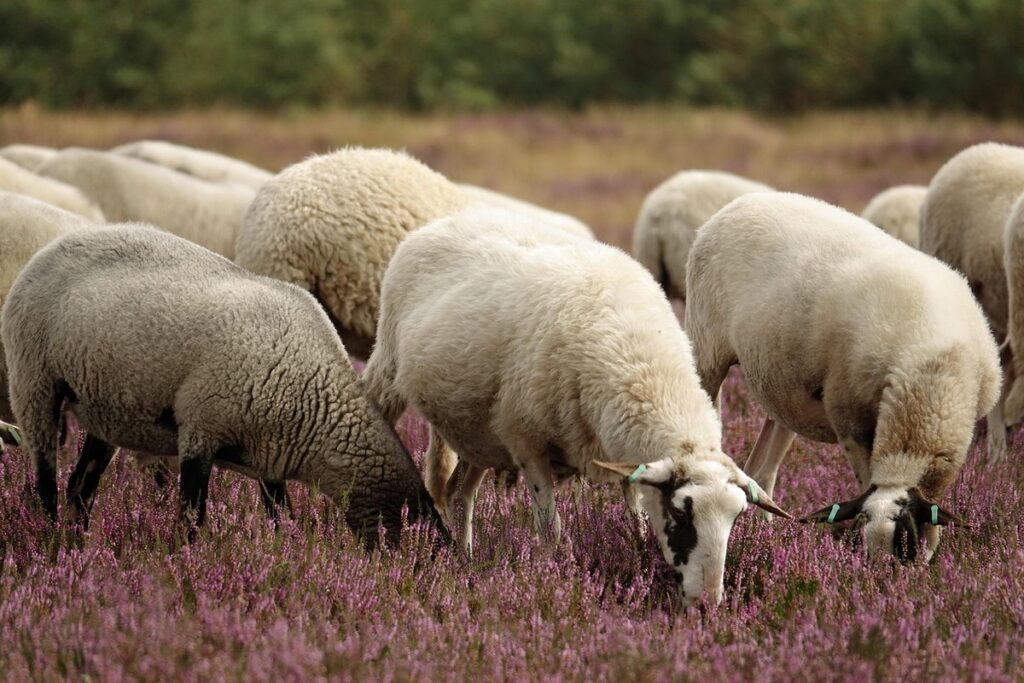
Sheep and cattle have distinct grazing patterns and forage requirements due to their different digestive systems and nutritional needs. Sheep are ruminants, meaning they have a four-chambered stomach that allows them to break down and extract nutrients from plant material more efficiently than monogastric animals like pigs or chickens.
In contrast, cattle are also ruminants but tend to require more extensive grazing areas due to their larger size and higher energy needs. A typical sheep pasture can support 10-20 head of sheep per acre, while a similar area may only accommodate 2-5 head of cattle. Sheep prefer shorter grasses and forbs, whereas cattle will graze on taller vegetation.
Nutritional requirements also vary between the two species. Sheep require more protein-rich forages, such as clover or alfalfa, to maintain optimal health and productivity. Cattle, on the other hand, can thrive on lower-protein diets consisting of grasses like timothy or orchard grass. To ensure proper nutrition, it’s essential to understand the specific grazing needs of your flock or herd. Consider consulting with a veterinarian or experienced livestock producer to determine the best forage options and grazing strategies for your operation.
Health and Disease Management in Flocks and Herds
Both sheep and cattle are susceptible to a range of health issues, including internal parasites such as stomach worms and liver flukes. External parasites like ticks and lice can also cause significant problems for both flocks and herds. Certain diseases, like pneumonia and foot rot, can have devastating effects on these types of livestock.
To manage health and disease effectively, it’s crucial to implement robust biosecurity measures. This includes regular vaccinations, parasite control programs, and maintaining a clean and well-ventilated living environment. For example, providing adequate shelter and ensuring easy access to water and food can help reduce stress-related illnesses in sheep and cattle.
In terms of prevention, implementing rotational grazing practices can help minimize the risk of disease transmission between animals. Regular monitoring for signs of illness or infection is also essential, allowing farmers to take swift action when necessary. It’s also worth noting that certain diseases are more prevalent in specific regions or climates, so it’s vital to stay informed about local health risks and adapt management strategies accordingly.
For treatment, working closely with a veterinarian is often the best course of action. They can provide targeted advice on the most effective medications and treatments for specific conditions.
Market Demand and Economic Impact
To understand why sheep are often considered cattle, let’s examine the market demand for their products and how it affects the economy.
Sheep vs. Cattle: Market Trends and Prices
The global market for lamb and beef is subject to fluctuations due to seasonality. Demand for lamb tends to be higher during holidays such as Easter and Christmas, while beef demand remains relatively steady throughout the year. This seasonal variation affects prices: lamb prices often peak during holiday seasons, but dip in between.
In contrast, beef prices are more stable due to a stronger global market presence. Beef is widely traded across borders, whereas lamb trade is more regionalized. The US, for example, imports most of its lamb from Australia and New Zealand, making it vulnerable to fluctuations in international supply and demand.
Another factor influencing price is consumer preference. In some regions, consumers prefer lamb due to its perceived tenderness and flavor profile, while others opt for beef for its heartiness and versatility. This variation in consumer taste affects market trends: countries with a strong tradition of lamb consumption, such as the UK and Australia, tend to have higher demand.
Seasonality and global trade significantly impact price fluctuations between lamb and beef. Understanding these factors is essential for farmers, producers, and consumers to make informed decisions about supply and demand.
Profitability and Cost-Effectiveness of Raising Sheep or Cattle
Raising sheep and cattle share some similarities when it comes to costs associated with feed. Both require high-quality forage, which can be expensive depending on the region and type of pasture. However, differences emerge in terms of nutritional needs. Sheep have a lower protein requirement than cattle, making them more cost-effective for farmers who need to manage their resources carefully.
Veterinary care is another area where costs can vary significantly between sheep and cattle. Cattle are generally more prone to disease due to their larger size and increased risk of parasite infestation. This means that farmers raising cattle may incur higher veterinary expenses compared to those raising sheep. On the other hand, sheep are susceptible to parasites like internal worms, which require regular deworming treatments.
When it comes to equipment costs, cattle often require more substantial fencing due to their larger size and strength. Sheep, by contrast, can be managed with less robust fencing since they tend to be more docile and easier to contain. Overall, while both sheep and cattle present financial considerations for farmers, careful planning and management can help mitigate these expenses.
Breeding and Genetics Considerations
When considering whether sheep are cattle, breeding and genetics play a significant role. Understanding how breeders have selectively influenced these animals’ characteristics can help clarify their classification.
Selective Breeding for Desired Traits in Sheep and Cattle
Selective breeding has been a cornerstone of animal husbandry for centuries, allowing farmers to shape the characteristics of their flocks and herds. In sheep and cattle, selective breeding is used to enhance desirable traits such as meat quality, fertility, or disease resistance. By focusing on specific genetic markers, breeders can accelerate the selection process and produce animals with improved performance.
For example, in sheep, breeding programs have targeted the production of lambs with faster growth rates and improved carcass quality. This has been achieved through careful selection of rams that exhibit desirable traits such as muscling, fertility, and parasite resistance. Similarly, cattle breeders have focused on improving marbling scores to enhance tenderness and flavor.
When selecting breeding stock, farmers must consider the genetic diversity of their flock or herd. Maintaining a diverse gene pool is crucial for long-term sustainability, as it allows animals to adapt to changing environments and reduces the risk of inbreeding depression. To achieve this, breeders can use techniques such as linebreeding or rotational breeding to introduce new genetics without compromising existing traits.
Genetic Similarities and Differences Between Species
Sheep and cattle share a common ancestor, but their genetic paths diverged millions of years ago. This shared ancestry is evident in their similar skeletal structures and organ systems. For example, both species have a four-chambered heart and a similar digestive system layout.
However, significant genetic differences have developed over time due to adaptation to different environments and selective breeding for specific traits. Cattle are more closely related to antelopes and buffalo than they are to sheep, while sheep are more similar to goats. These divergent paths have resulted in distinct genetic markers that distinguish the two species.
One key area of divergence is in their immune systems. Sheep and cattle have different immune responses to diseases such as pneumonia and tuberculosis. This difference highlights the importance of breed-specific health management strategies when raising these animals together or in close proximity.
Genetic similarities between sheep and cattle also mean they can share some common genetic disorders, such as ovine progressive pneumonia in sheep and its equivalent in cattle. Understanding the shared genetic background between these species is essential for breeding programs aimed at improving resistance to diseases and desirable traits like fertility and growth rate.
Frequently Asked Questions
Can I raise sheep and cattle on the same farm?
Yes, it’s possible to raise both sheep and cattle on the same farm, but it requires careful planning and management. You’ll need to consider their different grazing patterns, nutritional requirements, and health needs to ensure they coexist harmoniously. This may involve creating separate pastures or rotational grazing systems to avoid competition for resources.
How do I know which breed of sheep or cattle is best suited for my climate?
Choosing the right breed for your climate involves considering factors like temperature tolerance, disease resistance, and adaptation to local conditions. Research breeds that are known to thrive in your region and consult with experienced farmers or veterinarians who can provide guidance on selecting suitable stock.
What’s the ideal ratio of sheep to cattle in terms of land usage?
The ideal ratio depends on various factors such as soil quality, climate, and management practices. A general rule of thumb is to allocate more land per head for sheep than for cattle, but this may vary depending on your specific situation. It’s essential to conduct a thorough assessment of your land resources and develop a customized plan that balances the needs of both species.
Can I use the same veterinary care and equipment for sheep and cattle?
While some veterinary care and equipment can be shared between sheep and cattle, it’s not always possible or efficient. Sheep and cattle have different health requirements, and using separate equipment can help prevent cross-contamination and reduce the risk of disease transmission. It’s recommended to invest in species-specific equipment and develop protocols for handling and treating each species separately.
How do I handle market fluctuations and price variations between sheep and cattle?
Market trends and prices can be unpredictable, but developing a diversified marketing strategy can help mitigate risks. Consider selling your products through multiple channels, such as direct-to-consumer sales or online marketplaces, to spread risk and capitalize on opportunities. It’s also essential to stay informed about market conditions and adjust your pricing strategies accordingly.