
You often think of snails as pests that ruin your garden, but they’re actually playing a vital role in maintaining ecosystem balance. These slow-moving creatures contribute to pollination by transferring pollen between flowers and plants, helping with seed dispersal, which spreads plant life throughout the garden. Snails also help break down organic matter through decomposition, recycling nutrients back into the soil. Furthermore, they feed on decaying plant material and can even control pest populations by consuming aphids, whiteflies, and other insects that can damage your crops. By understanding how snails contribute to these processes, you can appreciate their value in a garden ecosystem and potentially adopt more snail-friendly gardening practices. This article will explore the benefits of snails in gardens, highlighting their role in pollination, seed dispersal, decomposition, and pest control.
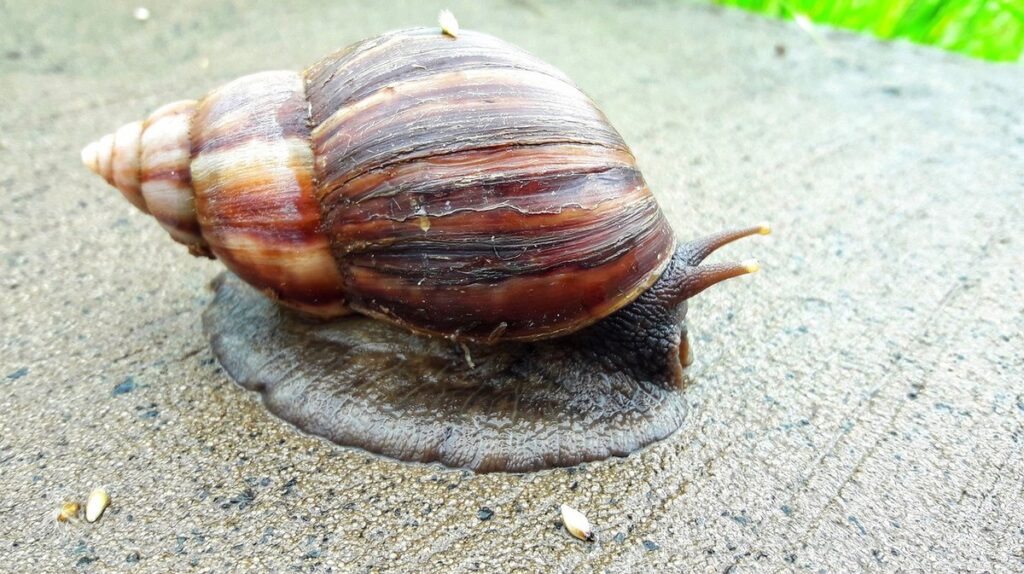
The Role of Snails in Ecosystem Balance
Snails play a vital role in garden ecosystems, helping to break down plant material and recycle nutrients. Let’s take a closer look at how they contribute to balance in nature.
Understanding Snail Ecology
Snails are most active at night and on humid days, which is why you’ll often see them emerging after a rain shower. They can withdraw into their shells for protection from predators, sealing themselves inside with a special membrane. Snail habitats range from woodlands to wetlands, but they’re typically found in areas with moist soil and plenty of vegetation.
In terms of population dynamics, snails are hermaphrodites, meaning each individual has both male and female reproductive organs. However, they still need to mate with another snail to reproduce. Snail populations can fluctuate greatly depending on factors like food availability, temperature, and predation. A small population can quickly grow if conditions are favorable, but it can also crash due to environmental stressors.
Some species of snails are adapted to living in areas with low oxygen levels, while others thrive in environments with high humidity. Understanding these basic ecological needs helps gardeners appreciate the importance of creating a snail-friendly habitat. For example, leaving some areas of your garden undisturbed can provide a haven for snails and other beneficial creatures.
Benefits of Snails for Pollination and Seed Dispersal
Snails play a crucial role in plant reproduction through pollination and seed dispersal. As they move from one plant to another, snails transfer pollen, facilitating the fertilization process. This process is particularly important for plants that rely on snail-assisted pollination, such as certain species of orchids and carnivorous plants.
In addition to pollination, snails contribute significantly to seed dispersal. They consume seeds and then deposit them in new locations through their feces, often at a considerable distance from the parent plant. This process allows for the spread of plant species to new areas, promoting genetic diversity and reducing the risk of inbreeding.
Some plants have evolved specific adaptations to encourage snail-assisted pollination and seed dispersal. For example, certain flowers may be shaped to collect snail slime, which can help transfer pollen or aid in seed germination. By recognizing these relationships between snails and plants, gardeners can create a more diverse and resilient ecosystem that benefits from the unique contributions of both organisms.
In gardens with a mix of native plant species, snail-assisted pollination and seed dispersal can be particularly effective. This is because native plants have co-evolved with local snail populations over time, allowing for more efficient transfer of pollen and seeds between species.
Importance of Snails as Decomposers
Snails play a vital role in decomposing organic matter and recycling nutrients in gardens. As they feed on plant material, they break down complex molecules into simpler forms, releasing essential nutrients back into the soil. This process is crucial for maintaining soil fertility and structure.
A snail’s diet consists mainly of decaying leaves, stems, and other plant debris. As they move through their environment, they deposit behind them a trail of nutrient-rich castings. These castings are an excellent natural fertilizer that can be added to compost piles or directly incorporated into the soil.
The decomposition process facilitated by snails also helps to reduce the amount of organic waste in gardens. By breaking down plant material quickly and efficiently, snails minimize the risk of anaerobic conditions developing, which can lead to unpleasant odors and reduced soil health.
In terms of practical application, gardeners can encourage snail populations by creating a diverse range of habitats within their gardens. This includes providing sheltered areas with leaf litter, twigs, and other hiding places for snails.
Pest Control and Garden Pests
When it comes to snails, many gardeners worry about their impact on plant health. Let’s take a closer look at how to manage pests that can harm your garden while still appreciating these slimy creatures.
Snails as Natural Predators of Invasive Species
Snails feed on a variety of invasive garden pests, including slugs and snail-eating insects. They are particularly attracted to the slime trails left behind by these pests, which serve as a chemical cue for snails to locate their prey. In gardens plagued by invasive species like the gray garden slug or the brown-banded snail, snails can help regulate populations by preying on these destructive invertebrates.
Snails also consume other invasive insects that might otherwise harm plants, such as aphids and caterpillars. Some species of snails specialize in consuming snail-eating insects, like ground beetles and centipedes. This predator-prey relationship is an essential aspect of ecosystem balance, where one organism helps regulate the population size of another.
To encourage snails to prey on invasive garden pests, gardeners can create a welcoming environment by providing food sources rich in calcium, such as crushed eggshells or dolomitic limestone. This mineral supplement will help support snail shell growth and health, increasing their chances of survival and effectiveness as natural predators.
Benefits of Encouraging Snail Populations for Pest Control
Encouraging snail populations can provide a natural and effective means of pest control for gardens. Snails feed on a wide range of pests, including slugs, caterpillars, and aphids, helping to regulate their numbers and prevent damage to plants.
In particular, snails are known to prey on invasive species such as the grey garden slug, which can cause significant damage to crops and landscaping. By maintaining a healthy snail population, gardeners can reduce the need for pesticides and other chemicals that can harm beneficial insects and soil microorganisms.
A balanced ecosystem with a thriving snail population also promotes biodiversity and supports the overall health of the garden. For example, snails help to break down organic matter and recycle nutrients, which in turn benefits plants and other organisms. To encourage snail populations, gardeners can create snail-friendly habitats by incorporating native plant species that provide shelter and food for snails.
Some key characteristics of snail-friendly gardens include:
- Incorporating a mix of host and non-host plants to support a diverse range of pests
- Leaving some areas of the garden unmanicured to provide habitat for snails and other beneficial organisms
- Avoiding the use of pesticides and chemicals that can harm snails and other beneficial insects
Composting and Soil Health
Composting and soil health are intricately linked, as snails play a crucial role in breaking down organic matter and enriching garden soils. Let’s take a closer look at this process.
How Snails Contribute to Nutrient Cycling
Snails play a crucial role in breaking down organic matter, releasing nutrients, and improving soil fertility. As they feed on decaying plant material, snails’ gastropod radula – their tongue-like structure with tiny teeth – grinds and pulverizes complex compounds into simpler forms. This process releases essential micronutrients like nitrogen, phosphorus, and potassium, making them available to plants.
In gardens, snails can be encouraged to focus on breaking down organic matter by incorporating decaying plant material and other nutrient-rich materials into the soil. Adding compost or well-rotted manure can attract snails, which will help to break it down further. This process not only releases nutrients but also improves soil structure, increasing its water-holding capacity and aeration.
Some gardeners even take advantage of this by collecting snail castings – the nutrient-rich waste left behind by snails as they feed – and adding them to their compost piles or using them as a natural fertilizer. This practice can be especially beneficial for gardens with poor soil quality, as it provides a natural source of nutrients that are readily available to plants.
Benefits of Adding Snail Castings to Compost
Adding snail castings to compost can be a valuable addition for gardeners looking to create nutrient-rich soil. Snails are primarily herbivores and their diet consists of plant matter, which they break down through their digestive system. As a result, the waste produced by snails is rich in nutrients such as nitrogen, phosphorus, and potassium. These essential micronutrients can significantly enhance compost quality.
Incorporating snail castings into your compost pile can also help balance its pH levels. The calcium carbonate present in snail excrement helps neutralize acidic conditions, creating a more favorable environment for beneficial microorganisms to thrive. This balanced ecosystem is crucial for effective decomposition and the subsequent release of nutrients as your compost matures.
When using snail castings in your compost, it’s essential to maintain proper ratios with other compost materials. A general rule of thumb is to add 10-20% snail castings to your overall mix, ensuring that microorganisms can effectively break down these nutrient-rich materials and release their benefits into the surrounding environment. By incorporating this technique into your composting routine, you may experience improved plant growth, increased yields, and a more resilient soil ecosystem.
Garden Design and Snail-Friendly Habitats
Snails play a vital role in garden ecosystems, but their presence can also be beneficial for your garden’s overall design and health. Creating snail-friendly habitats is easier than you think, with just a few simple tweaks to your garden layout.
Creating Snail-Friendly Gardens
To create snail-friendly gardens, consider incorporating sheltered areas with dense foliage and leaf litter. Snails thrive in humid environments and appreciate vegetation for protection from predators. Plant species such as hostas, astilbe, or ferns provide the ideal conditions for snails to hide and feed.
When designing a snail-friendly garden, include food sources that cater to their dietary preferences. Snails are primarily herbivores, feeding on leaves, flowers, and soft stems. Incorporate plants with tender shoots and broad leaves like lettuce, spinach, or kale. These will serve as a consistent source of nutrition for the snail population.
Avoid using pesticides in your garden, as these can harm snails and other beneficial organisms. Instead, adopt organic gardening practices that promote biodiversity and minimize habitat disruption. By providing sheltered areas and food sources, you’ll create an inviting environment for snails to inhabit and contribute positively to your garden’s ecosystem balance.
Incorporating Native Plant Species to Support Local Snail Populations
When designing a snail-friendly garden, incorporating native plant species is crucial for supporting local snail populations. Native plants have co-evolved with local wildlife, including snails, and provide them with the necessary food, shelter, and habitat requirements. For instance, certain species of succulents and cacti are ideal for Mediterranean climates, as they offer a food source for the native garden snail Helix aspersa.
In contrast, non-native plants can be detrimental to local snail populations. Many invasive plant species, such as English ivy or Japanese knotweed, outcompete native vegetation and alter the ecosystem’s nutrient cycling patterns. This can lead to reduced snail habitats and decreased population numbers. By choosing native plants, gardeners can create a balanced ecosystem that supports the local snail population.
Some examples of native plants that support snails include wild geranium, creeping thyme, and bearberry. These plants provide shelter, food, and moisture for snails, allowing them to thrive in the garden. When selecting native plants, consider factors such as soil type, climate, and available sunlight to ensure the best results. By incorporating these plants into your garden design, you can create a haven for local snail populations and support their role in maintaining ecosystem balance.
Challenges and Concerns
While snails may be beneficial for gardens, there are also some potential drawbacks to consider when deciding whether they’re a welcome addition. Let’s examine the challenges and concerns that come with having snails in your garden.
Managing Snail Infestations
To manage excessive snail populations, you can employ a range of strategies. One approach is to use barriers to prevent snails from entering your garden. This can be achieved by applying a layer of copper tape around plant stems or using gravel or sharp stone mulch to deter snails from crossing over.
Another option is to utilize repellents that snails dislike, such as crushed eggshells, coffee grounds, or certain types of soap. These materials can be sprinkled around plants or mixed into the soil to create an unappealing environment for snails. Some gardeners also swear by the effectiveness of garlic-based sprays or powders in keeping snails at bay.
In addition to these methods, you can try creating a more balanced ecosystem within your garden. This may involve introducing beneficial insects that prey on snails, such as ground beetles or toads. By encouraging a diverse range of wildlife, you can reduce the likelihood of snail infestations occurring in the first place.
Addressing Health Concerns: Are Snails a Food Safety Risk?
Snails can pose a risk to human health due to their potential to harbor parasites and allergens. One of the main concerns is the presence of rat lungworm (Angiostrongylus cantonensis), which can be found in snail tissues. This parasite can cause eosinophilic meningitis, a rare but potentially life-threatening condition. To minimize this risk, it’s essential to purchase snails from reputable sources and ensure they are properly cooked before consumption.
Snails can also trigger allergic reactions in some individuals, particularly those with pre-existing shellfish allergies. This is because snail meat contains tropomyosin, a protein that can cause an immune response in sensitive people. If you’re planning to introduce snails into your garden for culinary purposes, it’s crucial to take steps to minimize the risk of cross-contamination and ensure proper food handling practices.
When consuming snails, it’s also important to follow safe food preparation guidelines. This includes storing them at a temperature below 40°F (4°C) before cooking, as well as thoroughly washing hands and utensils after handling raw or undercooked snail meat. By being aware of these potential health risks and taking proper precautions, you can enjoy the benefits of snails in your garden while minimizing any associated health concerns.
Frequently Asked Questions
Can I attract snails to my garden using specific plants?
Yes, native plant species and plants that provide sheltered areas can support local snail populations. Incorporating these plants into your garden design can help create a snail-friendly habitat.
How do I know if I have an overabundance of snails in my garden?
Look for signs of excessive snail activity, such as holes in leaves or stems, and check for large numbers of snails in one area. If you’re concerned about the balance of your ecosystem, consider consulting a gardening expert.
What’s the best way to create barriers to prevent snails from reaching certain plants?
Use physical barriers like copper tape, crushed eggshells, or fine mesh around plants that are sensitive to snail damage. These materials can deter snails without harming them.
Can I use snail castings as fertilizer in indoor container gardens?
Yes, but make sure the castings have fully broken down and are free from any potential pathogens. Follow proper composting techniques to ensure the castings are safe for use indoors.
How do I know if a snail infestation is due to an imbalance in my garden’s ecosystem or an actual pest problem?
Consider factors like overwatering, poor soil quality, or nearby invasive species that may be attracting snails. If you’re unsure, consult with a gardening expert to determine the best course of action.

