
Snails are often viewed as pests in gardens, but they can also be valuable additions to your ecosystem. These slimy creatures play a crucial role in decomposition, breaking down organic matter and recycling nutrients back into the soil. By attracting pollinators like bees and butterflies with their flowers, snails can indirectly help plants set seed. Moreover, snails are natural grazers that feed on algae and weeds, making them a form of pest control. If you’re looking to create a more balanced and sustainable garden ecosystem, consider incorporating snails into your design. In this article, we’ll explore the benefits of having snails in your garden, from improving soil health to attracting beneficial pollinators and providing natural pest control. By the end of this post, you’ll understand how to integrate snails into your garden system and make the most of their unique contributions.
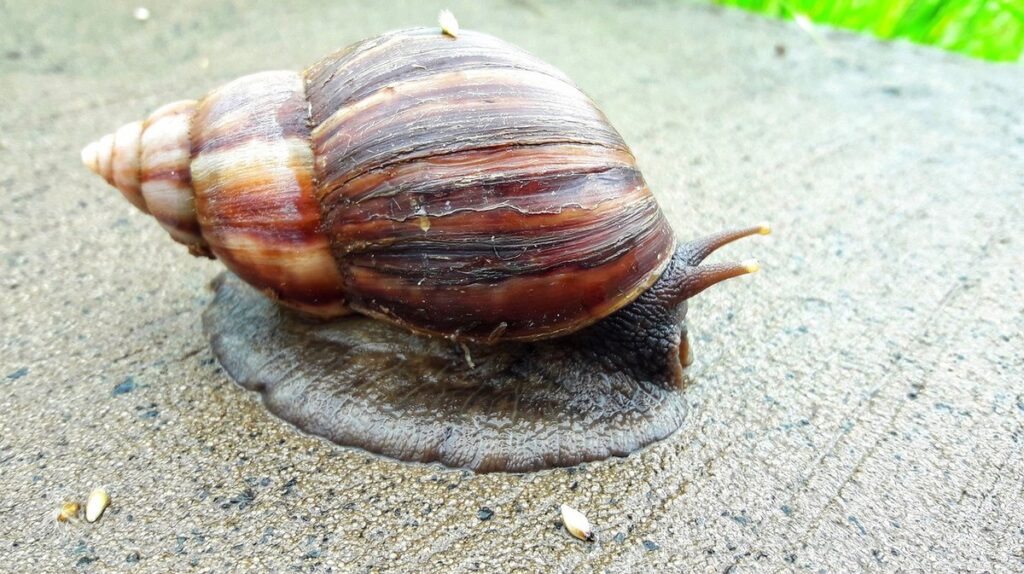
Benefits of Having Snails in Your Garden
Having snails in your garden may seem counterintuitive, but they can bring a range of surprising benefits to your plants and ecosystem. In fact, these slimy critters are more helpful than you might think.
Attracting Pollinators and Beneficial Insects
When snails are present in your garden, they create a unique environment that attracts pollinators and beneficial insects. As these snails feed on plant leaves and stems, they also leave behind trails of slime that become a vital food source for tiny creatures like springtails, mites, and protozoa. These microscopic organisms help to break down the snail’s waste, recycling nutrients back into the soil.
This process not only benefits the ecosystem but also attracts beneficial insects like ground beetles, ants, and ladybugs, which prey on pests that can harm your plants. By creating a habitat that supports these beneficial relationships, you’re fostering a balanced and resilient garden ecosystem. To encourage this dynamic in your own garden, consider incorporating a mix of native plants that provide food and shelter for both snails and beneficial insects.
Some examples of beneficial plants include herbs like mint, chamomile, and dill, as well as flowers like lavender, marigold, and zinnia. By including these species in your garden design, you can create a welcoming environment for pollinators and beneficial insects, which will in turn support the health and productivity of your snail population.
Composting and Nutrient Cycling
As snails feed on decaying plant matter and other organic materials, they play a vital role in breaking down complex nutrients and recycling them into the soil. This process is essential for maintaining healthy soil structure and fertility. By consuming algae, bacteria, and fungi, snails help to speed up decomposition, making it easier for plants to absorb the necessary nutrients.
Composting with snails can be as simple as creating a snail-friendly habitat near your compost pile. Provide sheltered areas with moist leaves or straw, and snails will naturally gravitate towards this new food source. Over time, you’ll notice a significant reduction in the amount of organic matter taking longer to break down.
In addition to accelerating decomposition, snails also contribute to nutrient cycling by transferring nutrients from one area to another through their waste. This process is particularly beneficial for gardens with poor soil quality or where certain nutrients are scarce. To make the most of this natural recycling service, consider creating a few “snail highways” – narrow paths made from moist leaves or straw that connect different areas of your garden.
Other Benefits for Gardeners
In addition to their role as decomposers and nutrient cyclers, snails also serve as a natural form of pest control. They feed on various garden pests, including slugs, caterpillars, and aphids, which can be detrimental to plant health if left unchecked. By having snails in your garden, you’ll reduce the need for pesticides and other chemical controls, creating a healthier environment for both plants and wildlife.
Snails also contribute to habitat creation by providing food sources for birds, hedgehogs, and other small animals that feed on them. This supports biodiversity within your garden ecosystem and encourages a balanced food chain. Moreover, snails’ burrowing activities can help aerate soil and improve drainage, reducing the risk of waterlogged soil conditions.
Some gardeners have also reported success in using snails as “biological pest control” by introducing them to areas with high pest pressure. This approach requires careful monitoring to ensure the snail population doesn’t become too large or cause problems elsewhere in the garden.
Snail Biology and Behavior
Snails are fascinating creatures, and understanding their biology is key to managing them in your garden effectively. Let’s take a closer look at what makes snails tick.
Life Cycle and Growth Patterns
Snails undergo a complex life cycle, which includes several stages of growth and development. The process begins with a single egg, typically laid by a female snail in a protected location such as under vegetation or in a moist crevice. The eggs hatch after 7-14 days, depending on environmental conditions, and the young snails are called hatchlings.
As they grow, snails molt several times to accommodate their increasing size. This process, known as ecdysis, occurs when the old shell is shed and replaced by a new one. Snails can go through up to 25 molts in their lifetime, with each molt allowing them to grow an additional 1-2 mm.
Snails reach reproductive maturity at around 6-12 months of age, although this timeframe can vary depending on factors such as diet and environmental conditions. When mature, snails will mate, and the female will lay eggs shortly after. In ideal conditions, a single female snail can produce up to 120 eggs per year.
It’s worth noting that snails have an indeterminate growth pattern, meaning they continue to grow throughout their lives. However, their growth rate slows significantly with age, and most snails do not live beyond 2-3 years in the wild.
Habitat Preferences and Migration
Snails are primarily nocturnal and tend to avoid direct sunlight. As a result, they often inhabit areas with dappled shade or partial cover, such as under leaf litter, between plant stems, or within rock crevices. In gardens, snails frequently seek out sheltered spots near water sources, like ponds or birdbaths.
Snails are attracted to certain plants over others due to their preference for calcium-rich leaves and tender shoots. Leafy greens, such as lettuce and spinach, are particularly appealing to snails. Fruit trees and shrubs with soft bark, like apple and rose, can also be targeted. On the other hand, some plants, including those in the Brassica family (broccoli, cauliflower), have compounds that repel snails.
Snails may migrate between garden beds or areas of high food availability in search of resources. This movement is often driven by changes in temperature, humidity, and moisture levels, which can trigger snail activity. To encourage snails to remain within a specific area, gardeners can create a “snail highway” using shallow channels filled with a mixture of soil, compost, and crushed eggshells.
Defense Mechanisms and Predators
Snails have evolved several defense mechanisms to protect themselves from predators. One of their primary defenses is camouflage. They secrete a milky substance called mucus, which helps them blend in with their surroundings and avoid detection. This mucus also makes it difficult for predators to grasp the snail’s slimy skin.
Another defense mechanism employed by snails is withdrawal into their shells. When threatened, they can quickly retreat into the safety of their shells, sealing themselves inside with a special door called an “epiphragm.” This provides protection from predators that are unable to crack open the shell.
Snails also have a range of sensory organs that help them detect potential threats. They use their tentacles to sense vibrations and chemicals in the air, allowing them to anticipate and respond to danger. In addition, many snail species can release a foul-smelling liquid from their foot as a defense mechanism, deterring predators from attacking.
It’s worth noting that some gardeners may view these defense mechanisms as a nuisance, particularly if they’re trying to control snail populations. However, by understanding and respecting the role of defense mechanisms in snail biology, gardeners can take steps to peacefully coexist with these animals.
Managing Snail Populations in Your Garden
Effective snail population management involves understanding their habits, habitats, and life cycles to prevent overpopulation and protect your garden’s delicate balance. This is crucial for maintaining a healthy ecosystem.
Understanding Pest Status and Control Methods
To effectively manage snail populations in your garden, it’s essential to understand their pest status and the control methods available. This involves assessing the severity of the infestation, identifying the species present, and choosing the most suitable control approach.
When evaluating a snail population as a pest, consider the damage they cause to plants, such as holes in leaves and stems, and the overall impact on your garden’s health and productivity. The type of plants affected can also influence this assessment – for example, if snails are targeting prized vegetables or flowers.
Control methods typically fall into two categories: non-chemical and chemical. Non-chemical approaches include physical barriers, traps, and organic deterrents like copper tape and crushed eggshells. Chemical controls involve the use of molluscicides, which can be effective but also pose risks to other wildlife and human health.
Before choosing a control method, consider factors such as the snail’s habitat, life cycle, and behavior, as well as your garden’s specific conditions and requirements. This will help you select the most targeted and sustainable approach for managing snail populations in your garden.
Physical Barriers and Traps
When snails become a nuisance in your garden, physical barriers and traps can be an effective deterrent. Copper tape is often recommended, as snails don’t like to cross over it due to its toxicity. However, some research suggests that the effectiveness of copper tape may be overstated. A better option might be to use fine mesh or netting to cover plants, preventing snails from reaching them.
Other physical barriers include raised beds with sloping sides and deep containers that are difficult for snails to climb out of. These methods can also help deter other pests like slugs. To create a barrier around your entire garden, consider using plastic or metal edging. This will prevent snails from crossing into your garden from neighboring areas.
You can also set up traps to capture and remove snails. A shallow container filled with beer is often cited as an effective trap, as snails are attracted to the yeast in fermented beverages. However, this method may not be the most humane or efficient way to control snail populations. A more practical approach might be to use a large bucket or tub with some attractive foliage and a layer of damp soil at the bottom.
Organic and Integrated Pest Management (IPM) Strategies
When it comes to managing snail populations organically and through Integrated Pest Management (IPM) strategies, gardeners have a range of non-toxic and environmentally friendly approaches at their disposal. One key aspect is using natural predators to control snail numbers. Encourage beneficial insects such as ground beetles, ants, and birds that prey on snails by providing them with food sources like compost or mulch.
Other IPM strategies include crop rotation and intercropping. Rotate your crops regularly to break the snail’s life cycle and reduce their population over time. Intercropping involves planting multiple crops together that have different growth habits, making it harder for snails to find a single preferred food source. For example, plant marigolds with tomatoes or basil with lettuce.
To further deter snails, you can create an environment less conducive to their survival. Ensure good air circulation by pruning plants and removing weeds, which can harbor snail eggs. Also, maintain proper soil moisture levels by watering efficiently and avoiding overwatering, as this can attract snails to your garden. By combining these strategies, you can manage snail populations effectively while preserving a healthy ecosystem in your garden.
Snail-Proofing Your Garden
If you’re tired of snails munching on your favorite plants, it’s time to take matters into your own hands and create a garden that’s resistant to these slimy pests. We’ll cover some effective methods to keep them at bay.
Plant Selection and Design
When selecting plants for a snail-resistant garden, focus on varieties with thick, waxy leaves that are difficult for snails to penetrate. Plants like succulents and cacti are excellent choices, as they have evolved to conserve water and protect themselves from herbivores. Other options include herbs like rosemary and thyme, which have needle-like leaves that deter snails.
When designing your garden, consider the layout and placement of plants. Grouping plants with similar growth habits and leaf types together can help minimize snail damage. For example, planting a row of succulents along a fence or wall can create a barrier that prevents snails from accessing adjacent plants. Avoid planting vulnerable plants like lettuce and strawberries in low-lying areas where water tends to collect.
When choosing plants with naturally occurring chemicals that repel snails, consider the following options:
• Garlic (Allium sativum) – its strong scent deters snails
• Chives (Allium schoenoprasum) – like garlic, they release a pungent smell that keeps snails away
• Marigolds (Tagetes spp.) – their bright flowers and potent scent repel snails
Physical Modifications to Your Garden
When it comes to physically modifying your garden to deter snails, there are several effective methods you can employ. One popular option is using copper tape or mesh barriers around plants and sensitive areas. Snails are highly susceptible to the toxic effects of copper, so they will avoid crossing over these barriers. For example, wrapping copper tape around plant stems or attaching it to the edges of raised beds can create an impenetrable barrier.
You can also use copper mesh or screens to cover entire sections of your garden. This is particularly useful for protecting prized plants like lettuce, spinach, and strawberries that are often targeted by snails. To install a mesh barrier, simply stretch it over a frame made from wood or metal, securing it with wire or zip ties.
Another modification you can make is to raise the soil level around your plants using gravel, bark chips, or other materials. This makes it more difficult for snails to climb up and access your plants’ leaves. Additionally, you can create a physical barrier by installing a shallow trench filled with crushed stone or broken pottery around the base of your plants.
Other Prevention Methods
In addition to physical barriers and plant selection, there are several other prevention methods you can use to keep snails out of your garden. One option is to use repellents such as copper tape or crushed eggshells around the perimeter of your plants. These materials are unappealing to snails, who will often avoid areas where they are present.
Traps can also be an effective way to control snail populations. You can purchase commercial traps or create your own using a shallow container and some bait. Place the trap in an area where you’ve seen snail activity, and check it regularly for caught snails. Once you’ve removed the trapped snails from your garden, dispose of them humanely.
Biological control agents are another prevention method that can be effective against snails. Introduce natural predators such as hedgehogs or toads to your garden, which will feed on snail populations. You can also introduce beneficial nematodes, microscopic worms that attack and kill snails. Be sure to follow the instructions carefully when introducing these agents into your garden, as they may have specific requirements for success.
Snails in Different Gardening Contexts
Let’s explore how snails thrive in various garden settings, from lush greenhouses to backyard gardens and even indoor containers. Each environment presents its own unique challenges for these slimy creatures.
Indoor Gardening and Greenhouses
Indoor gardening and greenhouses present unique challenges for snail management. In these controlled environments, temperature and humidity levels can be tightly regulated, creating an ideal habitat for snails to thrive. However, this also means that populations can quickly get out of hand if not monitored.
Snails in indoor gardens often prefer the warmth and moisture found near heating vents or under humidifiers. They may also seek out dark, sheltered areas such as behind potted plants or beneath mulch. To prevent snail infestations in greenhouses, it’s essential to provide adequate ventilation and maintain a dry environment.
When managing snails in indoor gardens, consider the type of plants you’re growing. Some species, like lettuce and strawberries, are particularly attractive to snails. Consider using physical barriers or row covers to protect these crops. Alternatively, introduce snail predators such as hedgehogs or birds into the greenhouse to maintain a balance.
It’s also crucial to monitor for signs of snail infestation regularly, checking for slime trails, holes in leaves, and other damage. Early detection allows for targeted control measures and minimizes the need for broad-spectrum pesticides that can harm beneficial insects and other non-target organisms.
Container Gardens and Small Spaces
When managing snail populations in container gardens and small spaces, you need to consider the unique limitations of these environments. Since container gardens are typically smaller than traditional garden beds, there’s less area for snails to roam and hide. This concentration of snails can lead to more significant damage to plants.
To address this issue, focus on using snail-resistant or slug-repellent plants, which tend to be varieties with thick, waxy leaves or strong scents that deter snails. Incorporate these species into your container garden design to minimize the impact of snails. Another strategy is to use physical barriers around the containers themselves, such as copper tape or crushed eggshells, to prevent snail migration.
Additionally, keep in mind that container gardens often have limited access for control methods like hand-picking or using traps. Consider using organic baits or sprays specifically designed for indoor or small space applications. These can be effective at controlling snail populations without harming the environment or other beneficial organisms in your garden.
Organic and Permaculture Gardening
In organic and permaculture gardening, snail management is an integral part of maintaining a balanced ecosystem. These approaches focus on creating a diverse and resilient garden environment, where beneficial organisms like snails play a crucial role. By adopting holistic pest control methods, gardeners can minimize harm to the snail population while still protecting their crops.
One key aspect of organic gardening is composting, which provides a nutrient-rich substrate for plants and supports healthy microbial activity. Snails are attracted to these areas and help break down decaying matter, recycling nutrients and minimizing waste. To manage snails in an organic garden, gardeners can use techniques like mulching, crop rotation, and physical barriers to channel snail populations away from vulnerable plants.
Permaculture gardening also emphasizes the importance of creating a diverse and interconnected ecosystem. This includes designing gardens with snail-friendly features, such as leaf litter, rocks, and sheltered areas. By incorporating these elements, gardeners can promote snail habitats while minimizing damage to crops. A key principle in permaculture is observing and adapting to the natural behaviors of garden inhabitants, rather than trying to control them through chemical means.
Conclusion
In conclusion, managing snails in your garden requires a multifaceted approach. By understanding their habits and preferences, you can create an environment that is less conducive to their presence. For example, avoiding overwatering and keeping plants with calcium-rich soils can make it difficult for snails to survive. Additionally, using physical barriers like copper tape or crushed eggshells around plant stems can prevent snails from reaching them. It’s also essential to maintain a clean garden by removing weeds and debris, which often attract these pests. Furthermore, introducing natural predators like hedgehogs or birds that feed on snails can help keep their population under control.
Frequently Asked Questions
Can I keep snails in my garden during the winter months?
Yes, many species of snails can survive light frosts and some even hibernate under leaf litter or debris. If you want to protect them from extreme cold, consider creating a sheltered area with moist substrate and hiding places.
How do I determine if I have a pest snail population in my garden?
Pest snails are typically introduced to an area through human activity, such as plant trade or contaminated soil. Look for signs of damage on plants, particularly those with soft leaves or tender shoots. Check your garden’s history and inspect new additions for potential pests.
Can I use the same methods to control slugs in my garden?
No, while both snails and slugs are gastropod mollusks, they have different habits and habitats. Snails are primarily nocturnal, hiding in vegetation during the day, whereas slugs emerge at night and are more active on soil surfaces.
What if I accidentally introduce a non-native snail species to my garden?
Non-native snails can outcompete local species for food and habitat, potentially causing ecological imbalances. If you suspect an introduced species, research its habits and potential impact on your local ecosystem before taking any control measures.

