If you’re looking for a breed that can keep up with the demands of a working ranch, you might be interested in learning more about the Australian Shepherd. Originally developed to herd livestock on vast ranches in Australia (a name that’s somewhat misleading, as they actually originated in the United States), this breed has proven itself to be an invaluable asset for ranch work due to its exceptional intelligence, loyalty, and versatility. With their high energy levels and strong herding instinct, Australian Shepherds are naturally inclined towards hard work and can thrive in environments where they’re given a job to do. In this article, we’ll explore the origins of the breed, delve into its temperament, and examine why it’s an ideal choice for ranch work. By the end of this article, you’ll have a better understanding of what makes the Australian Shepherd such a valuable addition to any working ranch.
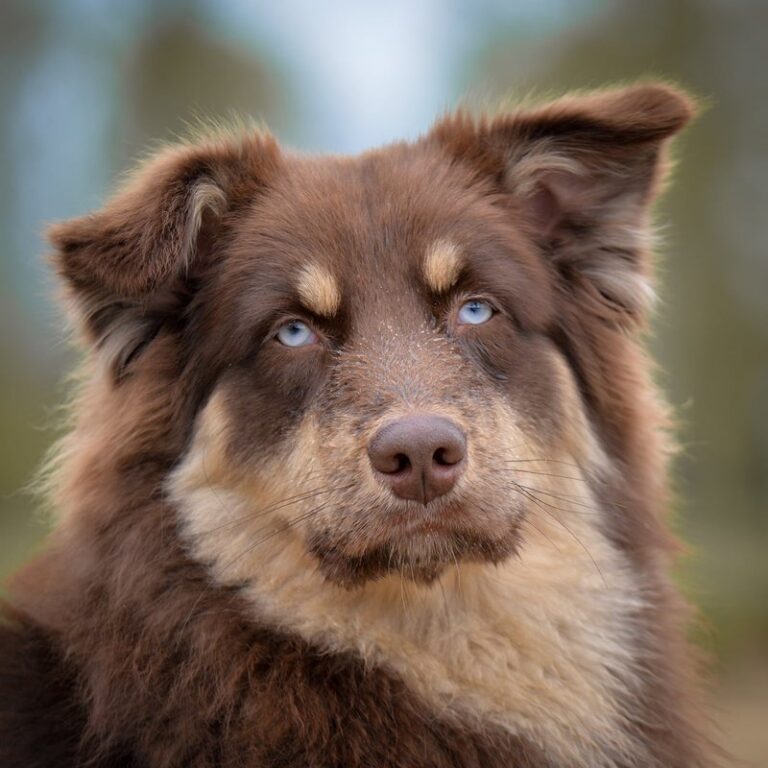
History and Origin of the Australian Shepherd
The Australian Shepherd is a breed with a rich history, originating from the Basque region and brought to America by sheep herders in the 19th century. Let’s take a look at how this versatile breed evolved into the ranch dog we know today.
Early Beginnings in Australia
The Australian Shepherd breed’s name can be misleading, as its origins actually lie in the United States. However, it is believed to have been influenced by early European breeds brought over by Basque sheep herders who settled in the US. These dogs were bred specifically for their ability to herd and protect livestock on ranches and farms.
The breed’s development is often attributed to the needs of these early American settlers. They required a dog that could think independently, work long hours, and adapt quickly to changing environments. The Australian Shepherd was born from this need, and its name likely arose from the fact that it was exported to Australia in the 19th century as a working dog.
It’s worth noting that many of the breed’s early characteristics were shaped by its role on ranches. For example, its high energy levels and strong herding instinct would have been essential for managing large flocks of sheep. These traits are still evident today, making the Australian Shepherd an ideal breed for ranch work.
Influence from Other Herding Breeds
The Australian Shepherd is not a native breed of Australia, but rather an American breed developed from a mix of other herding breeds. The influence of these breeds can be seen in the dog’s physical characteristics and working style.
The Border Collie, with its intense focus and athleticism, contributed significantly to the development of the Australian Shepherd’s herding ability. Many Australian Shepherds also have some Merino sheepdog ancestry, which is evident in their high energy levels and strong work ethic. The Kelpie, an Australian breed itself, was another important influence on the Australian Shepherd’s intelligence and trainability.
These breeds not only influenced the Australian Shepherd’s physical traits but also its temperament and working style. For example, some Australian Shepherds may inherit the Border Collie’s tendency to be overly focused on their work, while others may pick up the Kelpie’s independence and strong will. Understanding these influences can help you better understand your Australian Shepherd’s strengths and weaknesses as a ranch dog.
In terms of practical application, recognizing the influence of other herding breeds on your Australian Shepherd can help you tailor your training and management strategies to their specific needs and abilities.
Characteristics and Physical Traits
Now that we’ve explored their origins, let’s take a closer look at what makes an Australian Shepherd stand out physically, from size to coat type.
Size, Coat, and Color Variations
Australian Shepherds can vary significantly in size, coat type, and color, reflecting their diverse ancestry and adaptability. Adult dogs typically fall within two main categories: Miniature Australian Shepherds weigh 25-40 pounds and stand between 13-18 inches tall at the shoulder, while Standard Australian Shepherds range from 50-70 pounds and reach 19-23 inches in height.
Their coats can be straight or wavy, ranging from a smooth, glossy finish to a more rugged, textured look. The most common coat types are medium-length and long-haired varieties. When it comes to color, the breed is known for its distinctive blue merle pattern, characterized by irregular patches of black and gray on a base color of white or cream. Other colors include red merle, black tri-color, blue, red, and sable.
While these variations can make each dog unique, they don’t necessarily affect their ability to perform ranch work. However, some owners may find that Miniature Australian Shepherds are better suited for smaller properties or families with limited space, while Standard dogs excel in larger operations where their strength and endurance are beneficial.
Body Type and Proportions
The ideal Australian Shepherd body type is a crucial aspect of its overall physical appearance. The breed standard emphasizes a balanced and athletic physique, with an emphasis on proportion rather than size. Measuring from the point of the shoulder to the base of the tail, the Australian Shepherd should have a body length that is approximately 1-2 inches (2.5-5 cm) longer than its height at the withers.
A good rule of thumb for evaluating body proportions is to look for a ratio of about 8:10 between body length and height. This means that if your Australian Shepherd stands 18 inches (45 cm) tall at the shoulder, it should be around 22-23 inches (55-58 cm) in length from nose to base of tail. While this may not seem like a significant difference, it has a profound impact on the breed’s agility, mobility, and overall athletic ability.
Proper body proportions also contribute to the Australian Shepherd’s distinctive movement pattern, characterized by fluid, effortless strides that allow them to navigate challenging terrain with ease. By understanding the importance of proportion in this breed, you can better evaluate potential breeding stock or companion animals and make informed decisions about their suitability for ranch work.
Temperament and Personality
The Australian Shepherd Ranch Dog is known for its strong work ethic, which can sometimes be misinterpreted as stubbornness. Understanding their temperament and personality is crucial to developing a successful working relationship.
Herding Instincts and Energy Levels
The Australian Shepherd’s herding instincts are a defining characteristic of the breed. These instincts drive their energy levels, making them require regular exercise to burn off excess energy. A dog with strong herding instincts will often focus on controlling movement, whether it’s a ball, toy, or even family members. This can lead to over-exuberance if not channeled properly.
If left unexercised, Australian Shepherds may develop destructive behaviors such as chewing furniture or digging holes in the yard. In contrast, regular exercise helps them focus their energy on the task at hand, whether it’s herding livestock or participating in agility training.
Individual dogs within the breed exhibit varying levels of herding drive, which affects their exercise needs. Some Australian Shepherds require extensive daily exercise to satisfy their instincts, while others may be content with shorter periods of activity. Owners must observe and respond to their dog’s unique energy level and exercise requirements to ensure a balanced and happy pet.
A high-energy Australian Shepherd requires at least 1-2 hours of exercise per day, including both physical and mental stimulation. This can be achieved through a combination of walks, runs, playtime, and training sessions.
Intelligence and Trainability
The Australian Shepherd’s high intelligence level is one of its most notable traits. They consistently rank among the top five smartest breeds according to Stanley Coren’s book “The Intelligence of Dogs.” This exceptional cognitive ability allows them to quickly pick up on commands and tasks, making them an excellent choice for ranch work.
Their trainability is closely tied to their high energy levels and strong work ethic. With consistent training and socialization, Australian Shepherds can learn a wide range of skills and adapt to various environments. They excel in herding, agility, and obedience competitions due to their ability to focus and respond to commands.
When training an Australian Shepherd, it’s essential to provide mental and physical stimulation. Engage them in puzzle toys, scent work, or agility exercises to challenge their minds and keep them active. Start with basic obedience commands and gradually increase the difficulty level as they mature. Be patient and reward good behavior, as this breed can be sensitive to criticism.
A well-trained Australian Shepherd is a valuable asset on any ranch. Their intelligence and trainability make them an excellent choice for those looking for a reliable and capable working dog.
Grooming and Health Considerations
As you consider bringing an Australian Shepherd into your family, it’s essential to think about their grooming needs and potential health concerns that may arise. Regular maintenance can help prevent some of these issues.
Coat Maintenance and Shedding
Regular grooming is essential for maintaining an Australian Shepherd’s coat health. These dogs require regular nail trimming to prevent overgrowth, which can lead to discomfort and mobility issues. The frequency of bathing depends on their activity level and living conditions. Generally, a bath every 2-3 months is sufficient, but if your Australian Shepherd spends most of its time outdoors or engages in activities that cause excessive dirt and debris accumulation, more frequent baths may be necessary.
Brushing should be done at least twice a week to prevent matting and tangling. A slicker brush or pin brush works well for this purpose. Be gentle when brushing around the eyes and sensitive areas to avoid causing discomfort. Regular grooming not only helps maintain coat health but also strengthens the bond between you and your dog.
Some common issues associated with poor coat maintenance include dandruff, skin irritation, and excessive shedding. Shedding is a natural process for Australian Shepherds, especially during seasonal changes. However, regular brushing can help manage this process by removing loose hair and reducing shedding.
Common Health Issues and Genetic Testing
Australian Shepherds are generally a healthy breed, but like all breeds, they can be prone to certain health issues. One of the most common problems is hip dysplasia, which can lead to arthritis and mobility issues if left untreated. This is often evident by age two or three, so regular check-ups with your veterinarian are crucial.
Eye problems, particularly cataracts and progressive retinal atrophy, can also affect Australian Shepherds. While these conditions are more common in older dogs, it’s essential to keep an eye on your dog’s vision as they age. Regular eye exams can help identify any issues early on.
Other health concerns include epilepsy, thyroid issues, and certain types of cancer. Responsible breeders prioritize health testing for these conditions and often provide clearances or guarantees for their breeding stock.
To mitigate the risk of inherited diseases, many reputable breeders participate in genetic testing programs. These tests can identify potential problems before they become a concern. If you’re considering bringing an Australian Shepherd into your family, look for a breeder who has taken the necessary steps to minimize these risks and ensure the health of their puppies.
Training and Socialization
Australian Shepherds thrive on mental and physical stimulation, making proper training a top priority. A well-socialized Aussie can be a loyal companion and valuable asset to any family or working situation.
Basic Obedience Commands and Housebreaking
Establishing a strong foundation in basic obedience commands is crucial for an Australian Shepherd’s development. You can start by teaching fundamental commands like “sit,” “stay,” and “come.” These commands form the building blocks of more complex training and help establish clear communication between you and your dog.
Housebreaking, on the other hand, requires patience and consistency. Australian Shepherds are intelligent and eager to please, but they can be stubborn at times. Establish a routine for feeding, exercise, and potty breaks to help your dog learn when it’s time to go outside. Designate a specific area for potty breaks to avoid confusion.
Early socialization plays a significant role in an Australian Shepherd’s behavior. Expose your puppy to various environments, people, and other animals from an early age to help them become confident and calm in new situations. This will also reduce the likelihood of anxiety or aggression issues later on.
Some essential housebreaking tips include watching for signs that your dog needs to go (e.g., sniffing or circling), rewarding good behavior with treats, and being patient during accidents (which are inevitable). Consistency is key when it comes to potty training.
Advanced Training for Ranch Work
To refine your Australian Shepherd’s skills for ranch work, consider enrolling them in agility training. This will help improve their speed, agility, and focus. You can also hire a professional herding instructor who specializes in working with Australian Shepherds to teach your dog how to effectively herd livestock.
Agility training typically involves obstacle courses that test the dog’s speed and agility. For an Australian Shepherd, this might include navigating tunnels, jumping over hurdles, or weaving through cones. The goal is to build a strong bond between you and your dog while improving their physical fitness and mental focus.
A herding instructor can teach your dog how to respond to commands in the presence of livestock, how to move the animals efficiently, and how to avoid conflicts with other dogs on the ranch. They will also assess your dog’s individual strengths and weaknesses to create a customized training plan that suits your needs.
Some key aspects to consider when working with a herding instructor include:
- Observing their experience and success with Australian Shepherds
- Reviewing their training methods and philosophy to ensure they align with your goals
- Asking about the importance of building a strong bond between you and your dog during training
Real-Life Applications in Ranching
Australian Shepherds have been used for centuries on ranches, their unique skills and abilities making them an invaluable asset to working farms. We’ll explore some real-life examples of their use in this section.
Modern-Day Ranching and the Role of Australian Shepherds
Modern-day ranching practices have evolved significantly from traditional methods, with a focus on efficiency, sustainability, and animal welfare. In this context, Australian Shepherds play a crucial role in managing livestock, particularly in open-range or high-mobility operations. Their exceptional herding abilities allow them to effectively navigate vast pastures and control large groups of cattle, sheep, or other animals.
One key benefit of using Australian Shepherds on a ranch is their ability to detect early warning signs of animal stress or health issues. With keen instincts and sharp eyesight, they can quickly identify changes in an animal’s behavior or physical condition, enabling ranchers to intervene promptly and prevent potential problems. This proactive approach not only improves animal care but also reduces the risk of costly veterinary bills.
To maximize the effectiveness of Australian Shepherds on a ranch, it’s essential to provide them with adequate training, socialization, and exercise. This includes teaching basic obedience commands, as well as specific skills related to livestock handling, such as navigating chutes or loading animals onto trailers. By investing time in their development, ranchers can unlock the full potential of these remarkable dogs and reap the rewards of improved efficiency, productivity, and animal well-being.
Training for Specific Tasks and Environments
To train an Australian Shepherd for specific tasks, you need to consider the breed’s natural abilities and adapt them to the task at hand. For example, when training a dog for herding cattle, it’s essential to start with basic obedience commands like “stay” and “come.” However, as the dog becomes more experienced, you’ll want to focus on developing its herding instincts by teaching it to respond to specific cues and commands.
In extreme temperatures, Australian Shepherds require specialized training. In hot environments, for instance, they need frequent breaks to rest and hydrate. You can teach your dog to recognize early signs of heat exhaustion, such as panting or lethargy, and respond accordingly. In cold climates, the breed’s thick coat requires regular maintenance to prevent matting and tangling.
When working in diverse environments, consider the following tips: provide clear communication through hand signals and vocal cues; use positive reinforcement training methods to build trust and focus; and gradually increase the difficulty of tasks as your dog becomes more confident. This approach will help you develop a highly effective ranch dog capable of handling various challenges.
Conclusion: The Perfect Ranch Dog
The Australian Shepherd is an exemplary ranch dog due to its unique combination of intelligence, agility, and herding prowess. Its ability to learn quickly and adapt to various tasks makes it a valuable asset on large-scale farms. One crucial aspect to consider when selecting an Australian Shepherd for your ranch is its temperament. A calm and even-tempered individual will thrive in the demanding environment of a working farm.
Other essential characteristics of an ideal Australian Shepherd include a strong work ethic, intelligence, and loyalty to their handlers. They should also possess good health, as they will be subjected to rigorous physical demands throughout their working life. In addition, a well-bred Australian Shepherd with a clear lineage can greatly reduce the risk of inherited health issues.
Frequently Asked Questions
Can I Train an Australian Shepherd to Herd Small Livestock Like Goats or Sheep?
Yes, you can train an Australian Shepherd to herd small livestock like goats or sheep. In fact, their herding instincts and intelligence make them well-suited for managing smaller herds. However, be aware that training will require patience and consistency, as these dogs can be strong-willed at times.
What if My Australian Shepherd Has a Strong Herding Instinct but I Don’t Have Room to Let Them Work?
If your Australian Shepherd has a strong herding instinct but you don’t have room to let them work on a large property, consider providing alternative outlets for their energy. This might include agility training, herding simulations with a ball or toy, or even simply running and playing off-leash in a securely fenced area.
How Can I Tell if My Australian Shepherd is Getting Enough Exercise?
Monitor your dog’s overall behavior and physical condition to determine if they’re getting enough exercise. If they seem energetic and responsive during training sessions but lethargic at other times, it may be a sign that they need more physical activity. Adjust their daily routine accordingly, and consider incorporating activities like hiking or swimming to keep them mentally and physically stimulated.
Can I Use an Australian Shepherd for Guarding Livestock in Extreme Temperatures?
Yes, Australian Shepherds can be used for guarding livestock in extreme temperatures, but you’ll need to take extra precautions to ensure their safety. Provide adequate shelter from the sun or wind, make sure they have access to plenty of fresh water, and monitor their behavior closely for signs of heat stress or exhaustion.
What if My Australian Shepherd is Showing Signs of Herding Instincts but I’m Not Experienced Enough to Train Them?
If your Australian Shepherd is showing signs of herding instincts but you’re not experienced enough to train them, consider seeking guidance from a professional dog trainer with experience in working with this breed. They can help you develop a customized training plan that addresses your specific needs and concerns.