
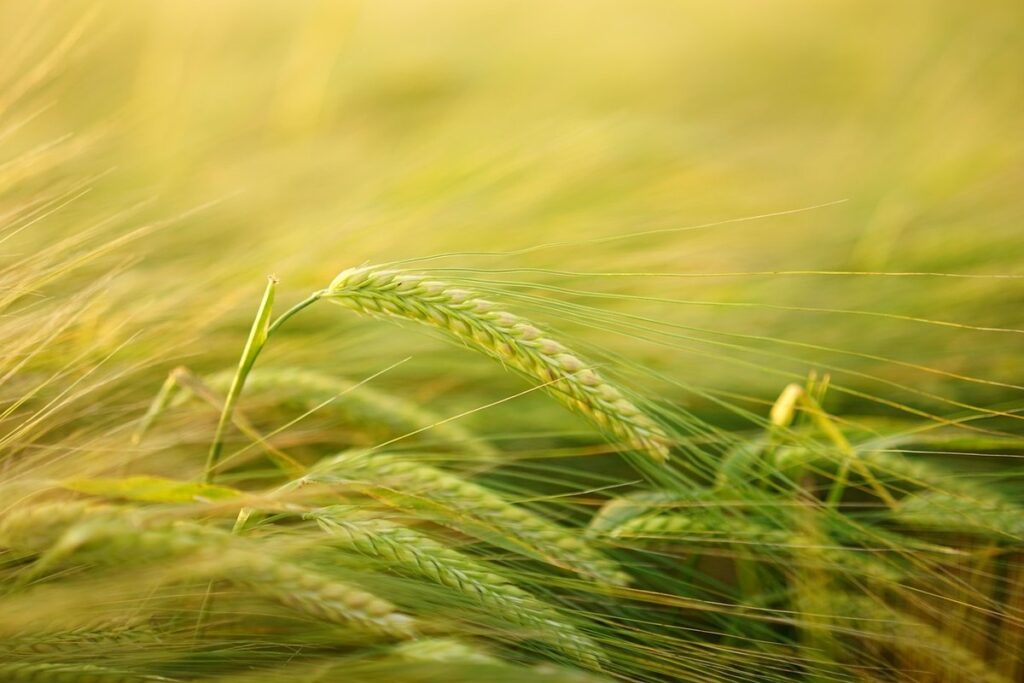
Barley has been a staple crop for thousands of years, with evidence of its cultivation dating back to ancient civilizations in Mesopotamia. You might be surprised at just how versatile this crop is, not only providing sustenance but also contributing significantly to the economy and environment. From the food industry’s reliance on barley for brewing and baking to its potential health benefits as a rich source of fiber, vitamins, and minerals, it’s clear that barley plays a vital role in our lives. In addition to its uses in production and consumption, barley is also an important crop for rural development, providing income and employment opportunities for many communities around the world. This article will explore all aspects of the barley crop, from its historical significance and health benefits to its economic impact and future research directions that could see it play a key role in reducing chronic diseases and improving sustainable practices.
History and Origin of Barley
Barley has been a staple crop for thousands of years, its rich history dating back to ancient civilizations that relied heavily on it as a food source. Let’s take a closer look at how this versatile grain came to be.
Early Cultivation and Spread
Barley is believed to have originated from wild grasses native to the Middle East and North Africa. The earliest archaeological evidence of barley cultivation dates back around 10,000 years to the Fertile Crescent region. It’s thought that ancient farmers selectively bred these wild plants for desirable traits such as larger kernels and improved yield.
From this initial domestication, barley spread rapidly across the ancient world through trade and migration routes. The crop became a staple in many civilizations, including ancient Egypt, Greece, and Rome. As empires rose and fell, barley continued to be cultivated and adapted to local environments.
In Europe, barley was introduced by the Romans and later became a key crop during the Middle Ages. Monasteries played a significant role in cultivating and preserving barley varieties, which helped maintain crop diversity and stability. Today, barley remains an important crop globally, with leading producers including Russia, Germany, and Australia. Its adaptability and resilience have enabled it to thrive across diverse climates and regions, making it one of the most widely cultivated crops worldwide.
Evolutionary Adaptations and Varieties
Barley’s adaptability to diverse environments is a testament to its remarkable evolutionary history. Over time, it has developed distinct genetic traits that enable it to thrive in various conditions. For instance, some barley varieties are well-suited for hot and dry climates, such as the ‘Himalaya’ or ‘Sakha’ types, which have a deep root system allowing them to access water deep within the soil.
In contrast, other varieties excel in cooler and wetter environments, like the ‘Morex’ type, which is commonly used in malting for beer production. These adaptations not only ensure barley’s survival but also enable it to be grown on a wide range of soils and in different latitudes. The ability of barley to adapt has led to its cultivation across multiple continents.
Some notable examples of barley varieties include ‘Betzes’, which is resistant to fungal diseases, and ‘CDC Dolly’, which is more tolerant of drought conditions. These specific traits have been developed through selective breeding programs aimed at enhancing crop resilience and productivity in various regions. By understanding the genetic adaptations that underlie these differences, farmers can choose suitable varieties for their local climate and soil conditions.
Nutritional Value and Health Benefits
Barley is not only a versatile crop, but its nutritional value and health benefits also make it an excellent addition to a healthy diet. Let’s explore its impressive list of vitamins and minerals.
Protein Content and Digestibility
Barley’s protein composition is comprised mainly of glutenin, hordein, and avenalin. These proteins are responsible for its nutritional value and functional properties. However, barley contains a lower amount of essential amino acids compared to other grains like wheat and rye.
Research suggests that the digestibility of barley proteins can be improved through various processing methods, such as malting or germination. Malting involves soaking the grain in water to activate enzymes, breaking down some of the protein structures and making them more accessible to the body. This process increases the bioavailability of certain amino acids, like lysine.
Barley’s protein digestibility can also be affected by factors like cooking methods and processing times. Generally, boiling barley for a longer period makes its proteins easier to digest, whereas shorter cooking times may leave some proteins intact. It is worth noting that humans are not able to fully utilize the nitrogen from barley, making it more suitable for livestock feed or as a supplement in human nutrition.
Fiber and Antioxidant Properties
Barley is an excellent source of dietary fiber, containing both soluble and insoluble fiber. Soluble fiber, particularly beta-glucan, has been shown to lower cholesterol levels by binding to bile acids and removing them from the body. This can lead to a reduction in LDL (“bad”) cholesterol, which is a major risk factor for heart disease.
In addition to its high fiber content, barley also contains a range of antioxidants, including phenolic compounds and selenium. These compounds have been shown to have anti-inflammatory properties and protect against oxidative stress, which can damage cells and contribute to chronic diseases like cancer and neurodegenerative disorders.
A 1-cup serving of cooked barley provides approximately 6 grams of fiber and significant amounts of various B vitamins, vitamin E, and magnesium. When choosing whole-grain barley products, look for those with minimal processing and added ingredients to maximize the retention of these beneficial compounds.
Potential for Reducing Chronic Diseases
Research has shown that barley’s nutritional profile makes it an effective tool for reducing the risk of chronic diseases. The high fiber content in barley helps to regulate blood sugar levels and lower cholesterol, both key factors in preventing heart disease. Studies have also found that the antioxidants present in barley, particularly avenanthramides, can help reduce inflammation and improve insulin sensitivity, further lowering the risk of developing type 2 diabetes.
A systematic review of observational studies published in the Journal of Nutrition found that regular consumption of whole grains like barley was associated with a reduced risk of cardiovascular disease. The review noted that the high fiber content of whole grains helps to slow the absorption of glucose and cholesterol into the bloodstream, thereby reducing the risk of heart disease.
In addition to its potential benefits for heart health and diabetes prevention, barley has also been shown to have prebiotic properties, which can help support gut health. A well-functioning gut microbiome is essential for overall health and can even play a role in managing chronic diseases.
Uses in Food and Beverage Production
Barley is a versatile crop that plays a crucial role in various food and beverage products, from soups to beers. We’ll explore its diverse uses in this culinary context.
Barley-based Breakfast Cereals and Snacks
Barley’s versatility makes it an ideal ingredient for breakfast cereals, energy bars, and snacks. Many popular brands incorporate barley into their products to leverage its nutritional benefits, such as high fiber content and protein quality. In terms of specific examples, General Mills’ Cheerios Oat Cluster contains barley, while some brands like Clif Bar use barley flour as a primary ingredient.
The inclusion of barley in these products has several advantages for consumers. For one, it adds complexity to the flavor profile and texture. Barley’s nutty taste complements other ingredients well, making it a popular choice for cereal manufacturers. Additionally, its high fiber content contributes to satiety, helping individuals feel fuller longer.
When choosing a barley-based breakfast cereal or snack, look for products with whole grain barley as the first ingredient. Avoid those that list refined flour or added sugars as primary components. Some brands also offer certified organic and gluten-free options made from barley, catering to consumers with dietary restrictions.
Beer Production: A Key Industry for Barley
Barley is a fundamental component of beer production, accounting for up to 80% of the grain used in brewing. The brewing process begins with malting, where barley grains are soaked in water to activate enzymes that break down starches into fermentable sugars. Malted barley is then mixed with other ingredients and heated to create a sugar-rich liquid called wort. Yeast fermentation converts the wort’s sugars into ethanol and carbon dioxide, producing beer.
The importance of barley in brewing lies in its unique combination of properties: high enzyme activity, good malt modification, and resistance to enzymatic breakdown. These characteristics allow barley to efficiently convert starches into fermentable sugars, resulting in a consistent flavor and aroma profile. Brewers select specific types of barley based on these requirements, often opting for varieties with higher diastatic power – the ability to break down starches.
For breweries, sourcing high-quality malted barley is crucial for achieving desired beer profiles. Many producers opt for locally sourced or specialty malts to enhance flavor and character.
Traditional and Modern Barley-based Dishes
Barley has been a staple ingredient in many traditional cuisines around the world. In Middle Eastern and North African countries, barley is often used to make a hearty porridge called “ash-e reshteh,” which is typically served with vegetables and herbs. In Scotland, barley is used to make bridies, savory pastries filled with meat and vegetables.
In India, barley is used to make a popular breakfast dish called “barley halwa,” made by cooking pearl barley in milk and sugar. In some African countries, barley is used to make a porridge called “toasted barley porridge,” which is often served with milk or yogurt.
Barley can also be used as a substitute for rice in many recipes, making it a versatile ingredient for those looking to reduce their carbohydrate intake. In modern cuisine, chefs are experimenting with using barley as an ingredient in everything from soups to salads. For example, a simple barley salad can be made by cooking pearl barley and mixing it with chopped vegetables, herbs, and a vinaigrette dressing.
Some popular modern recipes that feature barley as the primary ingredient include Korean-style barley risotto and Japanese barley hot pot. These creative dishes showcase the potential of barley as a main ingredient in various cuisines.
Economic Importance and Trade
Barley is a crucial crop for many economies, and its trade has significant implications for global food security and commerce. We’ll explore how barley’s economic importance plays out in international markets.
Global Production and Market Trends
Global barley production has been steadily increasing over the past few decades, with major producers like Russia, China, and Australia dominating the market. According to data from the Food and Agriculture Organization (FAO), global barley production averaged around 140 million metric tons between 2015 and 2020. However, trade patterns have shifted in recent years due to factors such as changing climate conditions, trade agreements, and shifting consumer preferences.
The European Union is a significant importer of barley, while countries like Japan and South Korea rely heavily on imports to meet domestic demand. In contrast, the United States is both a major producer and exporter of barley, with top destinations including Mexico and China. Market trends indicate that demand for barley is expected to rise in the coming years, driven by increasing consumption of barley-based products such as beer and animal feed.
The rising popularity of plant-based diets has also led to increased interest in using barley as an alternative ingredient. To capitalize on these trends, farmers and traders must be adaptable and responsive to changing market conditions. This includes investing in crop insurance, diversifying production inputs, and building relationships with buyers and suppliers.
Impact on Local Economies: Farming Communities and Rural Development
Barley farming has a profound impact on local economies, particularly in rural areas where it is often a primary crop. In many regions, barley farming provides a significant source of income for farmers and their families, contributing to the overall economic stability of these communities. For instance, in Scotland’s Highlands, barley farming is a vital part of the local economy, with many farms relying on it as their main revenue stream.
In addition to job creation, barley farming also supports rural development initiatives. In areas where barley is grown, farmers often invest in infrastructure such as equipment rental services, repair shops, and storage facilities, creating a ripple effect throughout the community. For example, some farmers have established cooperatives to pool resources and share knowledge, enabling them to stay competitive in the market.
To support local economies, consumers can make informed purchasing decisions by choosing barley-based products that are sourced from nearby farms. This not only boosts local revenue but also promotes sustainable agriculture practices that benefit the environment and the community. By doing so, individuals can contribute to the long-term viability of rural communities and the barley farming industry as a whole.
Sustainability and Environmental Considerations
As we explore the uses of barley, it’s essential to consider its environmental impact. This section will examine the sustainability factors involved in growing and harvesting this versatile crop.
Water Usage and Conservation Efforts
Barley cultivation requires a significant amount of water, especially during critical growth stages. A single hectare of barley can absorb up to 1,000 cubic meters of water throughout its growing cycle. This is due in part to the crop’s high water requirement for germination and grain filling. However, excessive water usage poses risks such as soil erosion, nutrient depletion, and increased greenhouse gas emissions.
To mitigate these effects, farmers are adopting various conservation strategies. These include drip irrigation systems that deliver precisely calibrated amounts of water directly to plant roots, reducing evaporation and runoff. Additionally, crop rotation and mulching practices help retain moisture in the soil while minimizing the need for irrigation.
Governments and agricultural organizations are also promoting sustainable barley farming methods through incentive programs and policy changes. For example, some countries offer subsidies for farmers who adopt precision agriculture techniques or incorporate cover crops into their rotations. These initiatives not only conserve water but also promote soil health, biodiversity, and overall ecosystem resilience.
Organic and Regenerative Barley Farming Practices
Organic and regenerative barley farming practices prioritize environmental stewardship while maintaining crop yields. One key approach is reducing synthetic fertilizers and pesticides, which can pollute soil and waterways. Instead, farmers use natural amendments like compost or manure to promote soil health. This shift not only minimizes chemical residues but also fosters beneficial microbial activity.
Regenerative farming methods often incorporate techniques like no-till or reduced-till farming, which minimize soil disturbance and erosion. Cover cropping is another tactic that helps maintain soil quality by protecting it from wind and rain between cash crop cycles. By implementing these practices, farmers can improve soil’s water-holding capacity and overall fertility.
Some barley farms also adopt agroforestry models, integrating trees into their fields to provide shade, increase biodiversity, and enhance ecosystem services. This approach has been shown to reduce soil erosion by up to 50% in certain regions. However, it requires careful planning to ensure that tree growth doesn’t compete with crop yields.
Regenerative farming systems often rely on diverse rotations of crops to break disease cycles and promote nutrient cycling. By combining these strategies, barley farmers can reduce their environmental footprint while maintaining crop productivity.
Future Developments and Research Directions
Researchers are already exploring ways to improve barley crop yields, nutritional value, and disease resistance through cutting-edge technologies. New breakthroughs could have significant impacts on global food systems.
Genomics and Breeding Programs
Recent advances in barley genomics have led to a better understanding of the crop’s genetic makeup, enabling breeders to develop new varieties with improved traits. High-throughput sequencing technologies and genome editing tools have revolutionized the breeding process, allowing for more precise and efficient selection of desirable genes. For instance, researchers have identified key genes associated with drought tolerance and heat stress resistance, which can be introgressed into high-yielding backgrounds.
Breeding programs are now incorporating genomics-assisted selection (GAS) to accelerate the development of superior barley varieties. This approach involves using genomic data to predict the performance of individual lines or populations under different environmental conditions. By doing so, breeders can focus on the most promising candidates and reduce the number of field trials required.
Several initiatives are underway to leverage genomics and breeding advancements for improved crop resilience. For example, the International Barley Genome Sequencing Consortium has developed a comprehensive reference genome that serves as a foundation for future research.
Climate Change Adaptation Strategies
Researchers are developing strategies to adapt barley crops to the changing climate conditions, which pose significant threats to global food security. Rising temperatures and altered precipitation patterns can lead to droughts, heat stress, and reduced yields, making it essential to develop climate-resilient barley varieties.
One approach is to identify and utilize genetic traits that enhance drought tolerance and heat stress resistance in barley. Scientists are screening existing germplasm collections for desirable genes and using advanced genomics tools to understand the underlying mechanisms of stress tolerance. For example, researchers have identified a gene variant in certain barley lines that allows them to conserve water more efficiently under drought conditions.
Another strategy is to develop new crop management practices that optimize water use and reduce the carbon footprint of barley farming. This includes implementing conservation agriculture techniques, such as no-till or reduced-till farming, which can help retain soil moisture and reduce erosion. By combining these strategies, researchers aim to create barley crops that are better equipped to cope with climate change and ensure global food security in the face of a changing climate.
Frequently Asked Questions
How Can I Integrate Barley into My Existing Diet?
You can start by replacing some of your usual grains with barley in your breakfast cereals or snacks. Try using pearl barley as a substitute for rice in some dishes, or experiment with adding barley flour to your baked goods. You can also look for barley-based products at local health food stores or online.
What If I’m Sensitive to Gluten but Want to Try Barley?
While barley does contain gluten, it’s often considered a lower-risk grain for those with gluten sensitivity compared to wheat and rye. However, if you’re highly sensitive, start with small amounts and monitor your body’s response. Consider trying sprouted or malted barley products, which have lower gluten levels.
How Can I Support Local Barley Farmers While Also Reducing My Carbon Footprint?
Look for farmers’ markets or local co-ops that sell organic or regeneratively grown barley. You can also consider purchasing barley directly from the farm through a Community-Supported Agriculture (CSA) program, which promotes sustainable agriculture practices.
What Are Some Potential Drawbacks of Barley Farming in My Region?
Consider factors like water availability and land quality when deciding whether to grow barley in your region. Be aware that intensive barley farming can lead to soil degradation if not managed properly. Research local best practices for regenerative agriculture to ensure long-term sustainability.
