
Bee populations are facing unprecedented threats, from habitat loss to pesticide use. As a result, these crucial pollinators are struggling to survive, which in turn affects our ecosystem’s well-being. The preservation of natural habitats and creation of bee-friendly spaces is essential for their survival. But where do bees even live? Bee habitat encompasses not just the flowers they feed on but also the nesting sites where they lay eggs. Without adequate shelter and food sources, bees are unable to reproduce and thrive.
You’ll learn how to create bee-friendly gardens and preserve natural habitats in this article. We’ll explore ways to mitigate threats such as pesticide use and urbanization that harm bee populations. By understanding the importance of bee habitat preservation and taking steps to protect it, you can play a vital role in supporting these pollinators’ survival and maintaining our ecosystem’s balance.
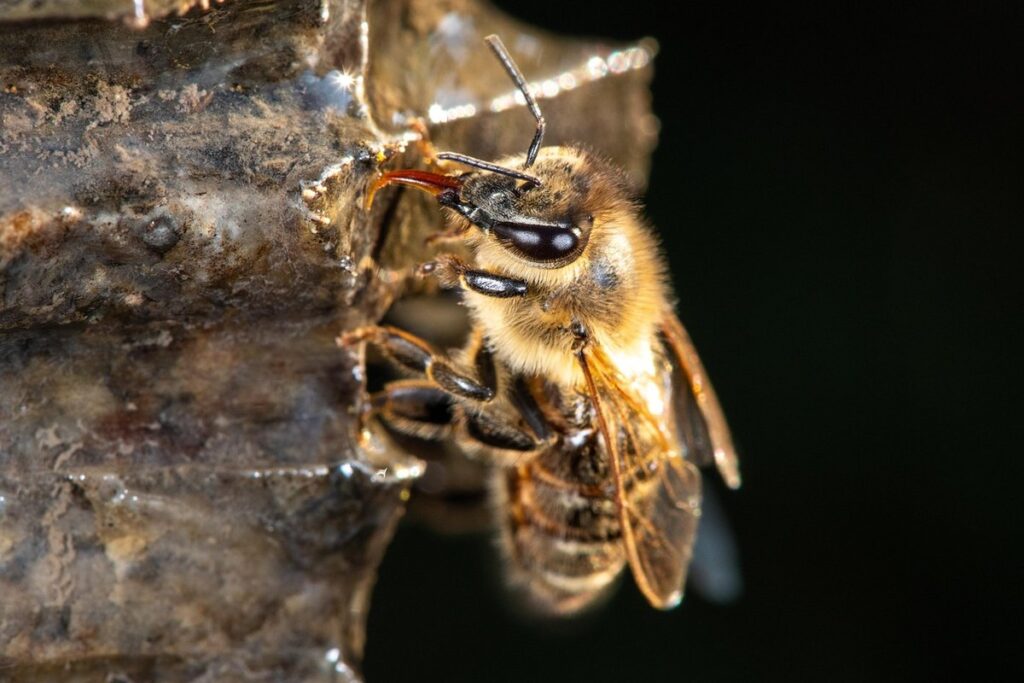
What is Bee Habitat?
Bee habitat refers to the specific environment and conditions that support a healthy bee population, including plants, water sources, and shelter. Understanding these factors is crucial for creating a thriving ecosystem.
The Importance of Bee Habitat
Bees rely on bee habitat to survive, just like other wildlife. Without a suitable environment, bees face numerous challenges, including reduced populations and decreased pollination rates. When bees have access to adequate bee habitat, they’re better equipped to perform their vital role in the ecosystem. This not only benefits them but also contributes significantly to our food supply.
A healthy bee population is essential for maintaining biodiversity and crop yields. Without sufficient foraging resources, bees struggle to gather enough nectar and pollen, which negatively impacts their colonies’ health. Conversely, when bees have access to diverse habitats with an abundance of flowers, they can thrive and pollinate crops more effectively.
The importance of bee habitat extends beyond the bees themselves. A thriving ecosystem also requires a balanced environment that supports other species. By creating and preserving bee-friendly habitats, we contribute to maintaining ecological balance, which has numerous long-term benefits for our planet’s overall health. This includes mitigating climate change by preserving natural ecosystems and supporting local biodiversity.
Types of Bee Habitats
Bee habitats come in various forms, each providing essential resources for these vital pollinators. Urban areas may seem inhospitable to bees, but they can still thrive in cities with intentional design and planning. Rooftop gardens and community plots provide a haven for urban bees, offering a mix of nectar-rich flowers and native plants.
Rural areas, on the other hand, often feature more extensive natural habitats, such as forests and grasslands. These ecosystems support diverse bee populations, providing a range of food sources and sheltered nesting sites. Natural areas like meadows and woodlands offer a unique combination of wildflowers, shrubs, and trees that attract various bee species.
In addition to these types of habitats, bees also inhabit agricultural landscapes, where they pollinate crops and interact with managed bees. The design and management of these areas significantly impact local bee populations, making it crucial for farmers and landowners to adopt bee-friendly practices.
Key characteristics of each habitat type include the presence of native plants, water sources, and minimal pesticide use. By understanding and appreciating these diverse habitats, we can better create and maintain healthy environments that support thriving bee populations.
Identifying Ideal Bee Habitat Features
When creating a bee-friendly habitat, it’s essential to identify areas that provide bees with the necessary features for survival and thriving. Look for natural spots with specific characteristics that support local bee populations.
Availability of Food Sources
Bees require a diverse range of flower species to ensure they have access to an abundance of nectar and pollen. Nectar-rich flowers, such as sunflowers, zinnias, and cosmos, provide bees with the energy they need to forage and maintain their colonies. On the other hand, pollen-providing plants like lavender, coneflowers, and black-eyed susans offer a crucial source of protein.
When selecting plants for your bee-friendly garden or habitat, it’s essential to choose a variety that blooms throughout the growing season. This ensures that bees have a constant supply of food sources available to them. For example, planting a mix of annuals and perennials can provide a long-lasting nectar flow. Incorporating native plant species is also beneficial, as they are more likely to attract local bee populations.
A few essential plants for a bee-friendly garden include:
• Lavender: A low-maintenance option that attracts bees and other pollinators
• Bee Balm: A fragrant herb that provides a rich source of nectar and pollen
• Dahlias: Tall, showy flowers that offer an abundance of nectar and attract a variety of bee species
Water Presence and Quality
Bee habitats rely on water sources to sustain bee colonies. Clean water is essential for bees’ survival, and its presence and quality can significantly impact the health of a habitat. A pond or a shallow dish filled with fresh water provides a necessary source for drinking, cooling their bodies, and even pollinating plants. The quality of water is also crucial; ponds or water sources contaminated with pollutants or pesticides can harm bee colonies.
When creating a bee-friendly space, consider installing a small pond or water feature that includes rocks, gravel, or sand to provide a landing site for bees. This area should be separate from the main body of water to prevent drowning and allow bees to easily access and exit. The depth of the water source is also vital; shallower areas with still or slow-moving water are preferred by bees as they can land and collect water without being overwhelmed.
A good rule of thumb is to provide a shallow area (about 1-2 inches deep) for bees to collect water, and another deeper area (at least 4-6 inches deep) for them to drink from. This dual system allows bees to access the water they need while minimizing the risk of drowning.
Creating Bee-Friendly Spaces in Urban Areas
Bee-friendly spaces can thrive in even the smallest urban areas, and by incorporating a few key elements, you can create a haven for these vital pollinators. This includes selecting plants that are rich in nectar and pollen.
Green Roofs and Walls
Designing green roofs and walls is an effective way to provide urban bees with essential resources. These spaces offer shelter from harsh weather conditions and a place for bees to rest. Incorporating native plants, such as coneflower or black-eyed Susan, into the design ensures that bees have access to the food they need.
A key consideration when designing green roofs and walls is ensuring adequate water retention and irrigation systems. This will prevent overwatering, which can lead to root rot in plants, and also provide a consistent source of water for bees during dry spells. Consider using shallow dishes or birdbaths with fresh water as an added feature.
When selecting plants for green roofs and walls, prioritize species that are rich in nectar and pollen, such as lavender, rosemary, or oregano. These plants will not only provide a vital food source but also serve as a haven for bees during extreme weather conditions.
Community Gardens and Urban Farms
Community gardens and urban farms can be valuable assets for bee habitats in urban areas. These spaces often provide a diverse array of flowers and crops that bloom at different times, offering a constant source of nectar and pollen for pollinators. By incorporating native plants and herbs into their designs, community gardeners and urban farmers can create a haven for local bee populations.
In addition to providing food sources, these gardens and farms can also offer water features such as ponds or birdbaths that bees need to drink from and regulate their body temperature. Some community gardens even have designated areas specifically designed for pollinators, complete with native plants and reduced pesticide use.
To make the most of these spaces, consider the following tips: choose a variety of flowers that are rich in nectar and pollen; incorporate native plants that are adapted to your local climate and soil conditions; avoid using pesticides or herbicides that can harm bees; and provide a source of water that is shallow enough for bees to access easily. By doing so, community gardens and urban farms can become thriving bee habitats in the heart of the city.
Natural Bee Habitat Preservation and Restoration
To create a thriving bee habitat, it’s essential to understand how to preserve and restore natural areas where bees live, feed, and breed. We’ll explore practical methods for doing just that.
Forests and Woodlands
Forests and woodlands provide some of the most critical natural bee habitats. These areas offer a diverse range of plant species, including flowers, shrubs, and trees that supply bees with nectar and pollen. Forests also provide shelter from harsh weather conditions and protection from predators.
When it comes to preserving and restoring forests and woodlands for bee habitat potential, the focus should be on maintaining their natural structure and process. This means avoiding invasive species management practices that can harm native plants and instead adopting techniques like selective thinning or prescribed burns to promote regeneration.
In terms of restoration efforts, a key consideration is re-establishing connectivity between fragmented forest patches. This can involve planting native vegetation along forest edges or creating corridors to allow bees to move freely between areas. For example, the Xerces Society has successfully restored bee habitat in Pacific Northwest forests by reintroducing native plants and creating pollinator-friendly corridors.
Reforestation efforts should prioritize native tree species that are well-suited to local conditions. This not only supports biodiversity but also helps maintain ecosystem services like water filtration and carbon sequestration.
Grasslands and Meadows
Grasslands and meadows are crucial components of natural bee habitats. These open areas provide an abundance of nectar-rich flowers, which bees rely on for food. However, many grasslands and meadows have been converted into agricultural land or urbanized, resulting in habitat loss for pollinators.
To preserve and restore these areas, consider the following strategies:
- Plant native wildflowers that are rich in pollen and nectar, such as coneflowers, black-eyed susans, and cosmos. These flowers will attract a variety of bee species and provide a constant source of food.
- Avoid using invasive species, which can outcompete native plants and reduce biodiversity.
- Maintain open spaces by minimizing the use of herbicides and pesticides. Instead, adopt integrated pest management techniques that prioritize natural methods for controlling weeds and pests.
Restoring degraded grasslands and meadows requires patience and careful planning. Start by conducting a site assessment to identify areas with high conservation value. Then, work with local landowners or conservation organizations to develop a restoration plan that balances the needs of pollinators with those of other stakeholders. By preserving and restoring these ecosystems, we can help maintain healthy bee populations and promote biodiversity in natural habitats.
Threats to Bee Habitats and How We Can Mitigate Them
Bee habitats are facing numerous threats, including widespread pesticide use and habitat destruction, which can have devastating effects on local bee populations. Let’s explore some of these issues in more detail.
Pesticide Use and Climate Change
Pesticide use is a significant threat to bee habitats, particularly when it comes to the availability of food sources. Many pesticides, such as neonicotinoids and pyrethroids, have been linked to bee decline by harming their nervous systems and impairing their ability to navigate and communicate. This not only affects the bees’ access to nectar and pollen but also compromises the health of their colonies.
Climate change is another pressing concern for bee habitats. Rising temperatures and altered precipitation patterns disrupt the delicate timing between plant blooming and pollinator activity, leading to mismatches in resource availability. For instance, if flowers bloom too early or too late, bees may not be able to take advantage of them, resulting in reduced food sources.
To mitigate these effects, consider adopting integrated pest management (IPM) practices on your property. IPM involves using a combination of techniques, such as crop rotation and biological control, to minimize pesticide use while maintaining effective pest control. Additionally, support local farmers who prioritize sustainable farming methods and pollinator-friendly practices.
Habitat Fragmentation and Urbanization
Habitat fragmentation occurs when natural areas are broken up into smaller, isolated patches by human activities like agriculture, urbanization, and infrastructure development. This can make it difficult for bees to travel between patches of their preferred food sources and habitats. In the United States alone, it’s estimated that over 50% of native bee species rely on fragmented habitats.
Urbanization exacerbates habitat fragmentation as cities sprawl outward, consuming natural areas and further isolating remaining patches. Bees may find themselves with limited access to the specific plants they need for food or shelter, leading to reduced populations and potentially even local extinctions. To mitigate these effects, consider creating “bee corridors” – narrow strips of habitat that connect fragmented areas and allow bees to move freely between them.
For example, the Chicago Wilderness project has established a network of green spaces throughout the city, providing critical habitat for native bee species. By prioritizing urban planning and development that incorporates natural habitats, we can help maintain healthy bee populations in cities.
Encouraging Bee-Friendly Practices in Your Community
As you strive to create a bee-friendly environment, encouraging others to do the same is just as important. Here are some ways to promote sustainable practices within your community that benefit local bee populations.
Engaging Local Governments and Organizations
When engaging local governments and organizations to implement bee-friendly policies and initiatives, start by researching which groups are already working on environmental issues. Many cities have a sustainability department or an environmental commission that may be interested in collaborating with you. Reach out to these departments and schedule a meeting to discuss how your community can become more bee-friendly.
Some specific ideas to propose during these meetings include installing pollinator gardens in public spaces, implementing pesticide-free zones, or creating a community garden program. You can also ask if the local government would be willing to provide funding for projects that benefit bees. For example, the city of Toronto invested $1 million in its pollinator strategy, which included planting bee-friendly flowers and trees along highways.
Another approach is to partner with local businesses, schools, or community groups to develop a comprehensive plan for creating bee-friendly habitats in your area. This can include assessing existing green spaces, identifying areas that need improvement, and developing strategies for maintenance and upkeep. By working together with local governments and organizations, you can make meaningful changes to protect and promote bee populations in your community.
Raising Awareness through Education and Outreach
Education plays a vital role in raising awareness about bee habitat conservation. Communities can benefit from workshops, events, and social media campaigns that highlight the importance of preserving natural habitats for bees. These initiatives can be organized by local organizations, schools, or community groups.
Hands-on workshops provide an opportunity for participants to learn about bee-friendly plants, pollinator gardens, and habitat restoration techniques. By engaging with experts and hands-on activities, attendees gain a deeper understanding of the significance of bee conservation. For instance, the Bee Friendly Garden initiative in California offers guided tours and workshops on creating pollinator habitats.
Social media campaigns can also be effective in spreading awareness about bee habitat conservation. Utilizing hashtags like #BeeFriendly or #PollinatorsMatter can help reach a wider audience. Creating engaging content, such as infographics, videos, or blog posts, can encourage sharing and discussion among community members.
Local governments and organizations can collaborate on hosting events, such as bee festivals or garden tours, which showcase successful bee-friendly initiatives in the area. By working together, communities can create a buzz around bee conservation and foster a culture of habitat preservation.
Frequently Asked Questions
What if I’m a renter or don’t have space to create a bee-friendly garden?
Creating a bee-friendly habitat doesn’t require a large space. Even small containers on balconies, patios, or rooftops can provide essential resources for bees. Consider using window boxes, hanging baskets, or vertical planters with nectar-rich flowers and herbs that attract pollinators.
Can I use pesticides in my garden if I have a bee hotel?
While it’s great to provide a bee hotel, using pesticides nearby can harm the very bees you’re trying to support. Instead, focus on integrated pest management techniques, like hand-picking pests, using physical barriers, or introducing beneficial insects that prey on pests.
How do I know what type of flowers will attract native pollinators in my area?
Research your local bee species and their preferred nectar sources by consulting with a local nursery, botanical garden, or extension service. They can help you identify the best plants for your region’s climate and soil conditions, ensuring you’re providing bees with the resources they need.
What if I have a small plot of land that’s not suitable for gardening – can I still create a bee-friendly habitat?
Yes! Consider installing a rain garden or a pollinator-friendly meadow in areas that receive full sun. These low-maintenance options provide essential resources like water and shelter without requiring intensive gardening efforts.
How do I measure the success of my bee-friendly space, especially if I’m new to gardening?
Monitor your space’s impact by tracking changes in local pollinator populations over time. You can also use a plant species checklist or a habitat assessment tool to evaluate the effectiveness of your bee-friendly garden or meadow. Observe which plants attract the most bees and adjust your strategy accordingly.

