
When you grow bell peppers in your garden, you’re likely aware that they require plenty of sunlight and water to thrive. However, did you know that companion planting can have a significant impact on their growth and health? By strategically pairing bell peppers with other plants, you can enhance soil fertility, deter pests, and even boost yields. For example, basil repels aphids and attracts beneficial pollinators, while nasturtiums repel whiteflies and other pests that target bell peppers. But which companion plants are most effective for this versatile vegetable? In this article, we’ll explore the top companion plants for bell peppers and provide practical tips on how to incorporate them into your garden. By the end of this guide, you’ll be able to create a thriving and pest-free environment for your bell pepper plants to flourish.
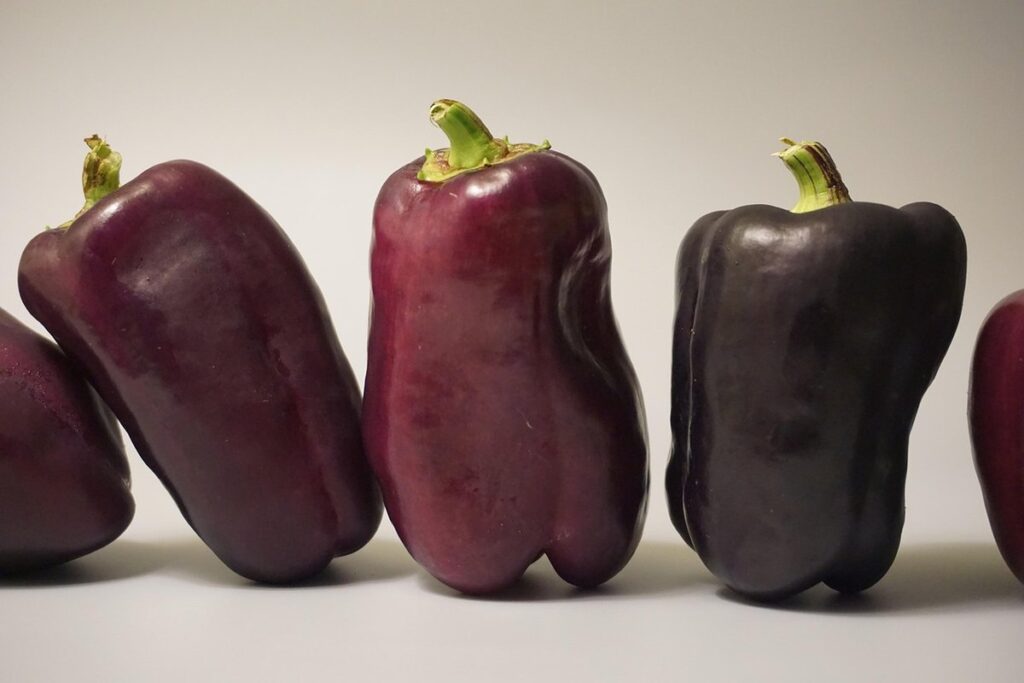
Benefits of Companion Planting
Companion planting can boost bell pepper yields and help prevent common pests and diseases, making it a valuable technique for gardeners to explore.
By learning which plants complement bell peppers, you’ll be able to create a thriving and resilient garden ecosystem.
Improving Soil Health and Fertility
Certain plants have the ability to enrich soil with nutrients, suppress pests, and attract beneficial insects that aid in bell pepper growth. Marigold, for instance, releases chemicals that deter nematodes and other pests from reaching the roots of bell peppers. Comfrey, on the other hand, is a dynamic accumulator that adds nutrients to the soil through its deep taproots. As it grows, comfrey absorbs minerals from deeper layers of soil and makes them available to nearby plants.
These nutrient-rich additions can significantly improve soil health and fertility, making it easier for bell peppers to thrive. By incorporating marigold or comfrey into your companion planting strategy, you can create a more balanced ecosystem that supports the growth and development of your bell peppers. To maximize their benefits, plant these dynamic accumulators near the base of your bell pepper plants, allowing them to spread out and cover the surrounding area.
Some other beneficial plants for improving soil health include dandelion, clover, and borage. These plants can help to break up compacted soil, improve drainage, and attract pollinators that support bell pepper growth. By combining these plants with your bell peppers, you can create a resilient and productive garden ecosystem.
Deterrent Plants for Common Pests
When it comes to deterring pests from bell peppers, certain companion plants can be invaluable. Aphids, whiteflies, and spider mites are common culprits that can wreak havoc on your pepper crop if left unchecked. Basil, mint, and lemongrass are just a few examples of plants that repel these unwanted visitors.
Basil, in particular, is known for its ability to ward off aphids and whiteflies. Planting basil near bell peppers can help prevent infestations from getting out of hand. The strong scent of mint also repels spider mites and other pests, making it a great addition to your pepper patch. Lemongrass, with its citrusy aroma, is another effective deterrent against aphids and whiteflies.
To get the most out of these pest-repelling plants, be sure to plant them at the right time. Basil and mint typically prefer cooler temperatures and can thrive in partial shade, making them ideal companions for bell peppers that require full sun. Lemongrass, on the other hand, prefers well-draining soil and full sun, making it a great choice for areas with good air circulation. By incorporating these plants into your garden, you’ll not only reduce pest pressure but also enhance the overall health and flavor of your bell pepper crop.
Companion Planting Strategies for Bell Peppers
When growing bell peppers, strategically pairing them with other plants can improve their flavor, yield, and resilience to pests. Let’s explore some effective companion planting strategies that will elevate your bell pepper harvest.
The 3 Sisters Method: Bell Peppers, Tomatoes, and Herbs
The 3 Sisters Method of companion planting brings together three beneficial plants that complement each other’s growth patterns and pest-repellent properties. Bell peppers pair well with tomatoes and herbs like basil, oregano, and rosemary, creating a mutually supportive ecosystem. Tomatoes provide shade for young bell pepper seedlings, preventing scorching and reducing water loss through transpiration.
Basil and oregano release oils that repel pests, such as aphids and whiteflies, which target bell peppers. Basil also helps to improve the flavor of nearby tomatoes, while its fragrance can stimulate the growth of other plants. Oregano has antibacterial properties, making it a natural fungicide for preventing diseases like powdery mildew.
To implement this method, plant tomato seedlings first, followed by bell pepper seedlings in between them. Then, intersperse herbs like basil and oregano among the peppers. This setup allows for efficient use of space while promoting healthy growth and pest control.
Using Trap Cropping to Manage Pests
Trap cropping involves using certain plants to lure pests away from the main crop. For bell peppers, nasturtiums are a popular trap crop. These colorful flowers attract aphids and whiteflies, which can then be removed before they cause significant damage to the pepper plants. By placing nasturtiums near the perimeter of your garden or interspersing them with bell peppers, you create a barrier that diverts pests away from the main crop.
In this way, trap cropping allows you to manage pest populations without relying on pesticides. Nasturtiums are particularly effective against aphids and whiteflies, but other plants like calendula and radish can also be used for trap cropping purposes. By understanding which plants attract specific types of pests, you can strategically plant them in your garden to protect your bell peppers.
When implementing a trap cropping strategy, it’s essential to place the attractive plants near the main crop but not so close that they compete with the bell peppers for resources. A good rule of thumb is to space the trap crops about 12-18 inches away from the pepper plants to maximize their effectiveness while minimizing competition.
Common Companion Plants for Bell Peppers
When growing bell peppers, it’s essential to choose companion plants that enhance their flavor and deter pests, making your garden more diverse and resilient. Let’s explore some of our favorite bell pepper companions!
Marigold and Other Flowers
Marigold and other flowers like calendula, nasturtiums, and dill can be effective companion plants for bell peppers. These flowers have a unique ability to repel nematodes, microscopic worms that feed on plant roots and cause damage. Nematode populations can deplete the soil of essential nutrients, leaving your bell pepper plants vulnerable to disease and stress. Marigolds release chemicals called pyrethrins, which disrupt the nematodes’ life cycle and prevent them from reproducing.
In addition to repelling nematodes, these flowers also attract beneficial insects that protect bell peppers from various threats. For example, marigold attracts hoverflies, which feed on aphids and whiteflies, common pests of bell peppers. Calendula, with its bright orange and yellow petals, attracts predatory wasps and lacewings that prey on aphids and other soft-bodied insects.
To incorporate these flowers into your companion planting strategy, plant them around the perimeter of your bell pepper bed or intersperse them among the plants. This will create a diverse ecosystem that promotes beneficial relationships between plants and their pollinators. By using marigold and other nematode-repelling flowers in combination with trap cropping and crop rotation strategies, you can maintain a healthy and balanced garden ecosystem.
Herbs and Leafy Greens as Companion Plants
Growing herbs and leafy greens alongside bell peppers can have a significant impact on their flavor and pest management. Cilantro, parsley, and dill are excellent choices to plant near bell peppers due to their ability to repel pests that target these plants. For instance, cilantro’s strong scent repels aphids and spider mites, which can cause damage to bell pepper leaves.
Parsley, on the other hand, is known for its ability to improve soil health through nitrogen fixation. This makes it an excellent companion plant for bell peppers, as it helps to create a more favorable growing environment. Dill’s fragrance also repels aphids and mites, making it another beneficial herb to grow alongside bell peppers.
When selecting herbs and leafy greens for companion planting, consider the specific needs of your bell pepper plants. For example, if you’re growing sweet bell peppers, cilantro or dill might be a better choice due to their strong scent. However, if you’re growing hot bell peppers, parsley could be a more suitable option. By incorporating these herbs and leafy greens into your companion planting strategy, you can create a healthier and more balanced garden ecosystem that benefits from the unique characteristics of each plant.
Advanced Companion Planting Techniques for Bell Peppers
To take your bell pepper gardening to the next level, you’ll learn advanced techniques for companion planting that will boost yields and reduce pest issues. These expert methods will transform your garden into a thriving ecosystem.
Using Companion Plants in Hydroponics and Indoor Gardens
In hydroponic and indoor gardens, companion planting can be a game-changer for bell peppers. Since space is limited, it’s essential to choose companion plants that not only provide benefits but also thrive in these conditions.
For indoor gardens, consider using compact herbs like basil or mint alongside your bell pepper plants. These herbs repel pests and attract pollinators, while their small size makes them perfect for container gardens. Marigold flowers are another great option – they repel nematodes, whiteflies, and aphids, making them a valuable addition to indoor bell pepper crops.
In hydroponic systems, companion planting can be optimized by selecting plants with different growth habits. For example, you can place climbing beans or peas near the top of the system, where they can use trellises for support. Meanwhile, compact herbs like thyme or oregano can be placed at the base of the bell pepper plants to repel pests.
When choosing companion plants for hydroponics and indoor gardens, consider factors like plant size, growth habits, and nutrient requirements. By selecting the right combination of plants, you can create a thriving ecosystem that promotes healthy growth and productivity in your bell pepper crops.
The Role of Microorganisms in Companion Planting
Beneficial microorganisms play a crucial role in maintaining plant health and soil fertility. These microorganisms, including mycorrhizal fungi and bacteria, form symbiotic relationships with plants, providing essential nutrients and aiding in disease resistance. Companion planting can promote the growth of beneficial microorganisms by introducing diverse plant species that encourage their presence.
For example, planting marigolds alongside bell peppers can introduce trichoderma, a fungus that helps to break down soil compaction and increase oxygen availability. Similarly, incorporating comfrey into your garden attracts nitrogen-fixing bacteria, which convert atmospheric nitrogen into a form usable by plants. To further promote the growth of beneficial microorganisms, avoid using chemical pesticides and fertilizers, as these can disrupt the delicate balance of soil microbiology.
When selecting companion plants for bell peppers, choose species that are known to support beneficial microorganisms. Some examples include:
- Beans, which introduce nitrogen-fixing bacteria into the soil
- Clover, which attracts mycorrhizal fungi
- Dandelion, which promotes the growth of beneficial bacteria
By incorporating these plants and avoiding chemical interventions, you can create a thriving ecosystem that supports both plant health and soil fertility.
Preparing Your Garden for Companion Planting
Before you start planting your bell peppers, it’s essential to prepare your garden by removing weeds and loosening soil to ensure a healthy environment for companion plants. This will give them the best chance of success.
Choosing the Right Location for Bell Peppers
When choosing a location for bell peppers, it’s essential to consider sunlight, wind direction, and soil quality. Bell peppers need full sun to produce well, so select a spot that receives at least six hours of direct sunlight per day. However, be mindful of intense afternoon sun, which can cause scorching. East- or west-facing locations are ideal, as they provide gentle morning or late-afternoon sun.
Wind direction is also crucial, especially for pepper plants that are prone to wind damage. Avoid areas where cold winds can buffet the plants, and opt for a location that provides some protection from prevailing winds. Soil quality should not be overlooked either – bell peppers prefer well-draining, fertile soil rich in organic matter. If your garden’s soil is heavy clay or sandy, consider raised beds or containers with improved drainage.
To create an optimal environment, combine these factors: select a spot with gentle sun exposure and protection from strong winds. This will help your pepper plants grow robustly and produce more fruit throughout the season. A location near a trellis or support system can also be beneficial for guiding the plant’s growth and keeping it upright. By considering these factors, you’ll set your bell peppers up for success in companion planting.
Starting Seeds with Companion Plants in Mind
When starting seeds for bell pepper companion plants, it’s essential to consider their specific needs and characteristics. This includes choosing varieties that are suitable for companion planting, as some plants may be more aggressive or competitive than others.
For example, when selecting a marigold variety to plant alongside your bell peppers, choose one that is compact and slow-bolting, such as ‘African’ or ‘French’. These varieties will grow closer to the soil surface without competing with your bell pepper seedlings for resources. Sow marigold seeds 2-3 times deeper than they would be in a regular sowing mix, about 1/4 inch deep.
When planting herbs like basil and dill alongside your bell peppers, keep them at least 6-8 inches away from the peppers’ seedlings to prevent overcrowding. This will also allow for good air circulation and prevent fungal diseases that can spread quickly in dense plantings.
In terms of sowing depth, remember that most companion plants have similar requirements to bell peppers, with some exceptions like nasturtiums, which prefer a slightly deeper sowing mix. Aim for 1/4 inch deep for most seed types, but check the specific instructions on your seed packet or consult a reliable gardening resource if you’re unsure.
Common Mistakes to Avoid When Companion Planting Bell Peppers
When companion planting bell peppers, it’s easy to fall into common pitfalls that can harm your crop. Let’s look at some key mistakes to steer clear of for a healthy and thriving harvest.
Overcrowding the Garden
Overcrowding the garden is a common mistake when companion planting bell peppers. When plants are too close together, they compete for resources like water and nutrients. This can lead to weakened immune systems, making them more susceptible to pests and diseases. For example, if you plant marigolds alongside your bell peppers without leaving enough space between them, the marigold’s strong scent may be less effective at repelling nematodes due to overcrowding.
To avoid overcrowding, consider the mature size of each plant when planning your layout. A general rule is to leave about 18-24 inches between plants for optimal growth and air circulation. Bell peppers themselves typically require a spacing of around 12-18 inches, while companion plants like marigolds or basil can be even closer together.
When companion planting, it’s essential to balance the needs of each plant with the overall health of your garden. A crowded bed is not only less effective but also more challenging to maintain. By leaving sufficient space between plants and selecting varieties that complement one another in terms of growth habits, you’ll create a thriving environment for your bell peppers and their companions to flourish.
Inadequate Research on Companion Plants
When selecting companion plants for bell peppers, many gardeners rely on anecdotal evidence or general assumptions about a plant’s benefits. However, this approach can lead to inadequate research on the specific needs and potential interactions of these plants. For example, some gardeners believe that basil repels pests from bell peppers due to its strong scent. While it is true that basil has insect-repelling properties, its effectiveness in controlling pest populations around bell peppers may be overstated.
In reality, basil’s growth requirements can also be detrimental to bell pepper health if not managed properly. Basil needs full sun and well-drained soil to thrive, which can lead to overwatering and root rot if the same conditions are applied to nearby bell peppers. Understanding these specific interactions is crucial for successful companion planting. To avoid mistakes, research each potential companion plant’s growth requirements, pest-repelling properties, and any potential drawbacks before introducing them into your garden. This includes considering factors like soil pH, watering needs, and sunlight exposure to ensure harmonious coexistence between bell peppers and their companions.
Frequently Asked Questions
Can I Use Companion Planting in Small Spaces Like Balconies or Patios?
You can use companion planting in small spaces like balconies or patios. Choose compact varieties of companion plants that thrive in containers, and select bell pepper varieties suitable for container gardening. Make sure to provide adequate sunlight, water, and air circulation for both the bell peppers and their companions.
How Long Does It Take to Notice the Benefits of Companion Planting?
The benefits of companion planting may take several weeks or even months to become noticeable. Be patient and observe your plants’ responses over time. Keep in mind that some companion plants, like marigold, may repel pests immediately, while others might require more time to establish their effects.
Can I Use Companion Planting with Other Types of Vegetables Besides Bell Peppers?
Yes, you can apply the principles of companion planting to other types of vegetables besides bell peppers. Research specific companion plant recommendations for your target crop and follow similar strategies for improving soil health, deterring pests, and promoting beneficial relationships between plants.
How Do I Determine Which Companion Plants Are Most Effective Against Specific Pests in My Garden?
To determine which companion plants are most effective against specific pests in your garden, observe the types of pests present, their lifecycle stages, and the damage they cause. Research companion plant species known to repel or attract beneficial insects that prey on these pests, and experiment with different combinations to find what works best for your unique garden conditions.
Can I Use Companion Planting in Hydroponic Systems Without Compromising Water Quality?
Yes, you can use companion planting in hydroponic systems without compromising water quality. Select plants that are adapted to hydroponics and choose a nutrient-rich solution that supports the growth of both the bell peppers and their companions. Regularly monitor your system’s pH levels and adjust as needed to prevent any adverse effects on plant health or water quality.
