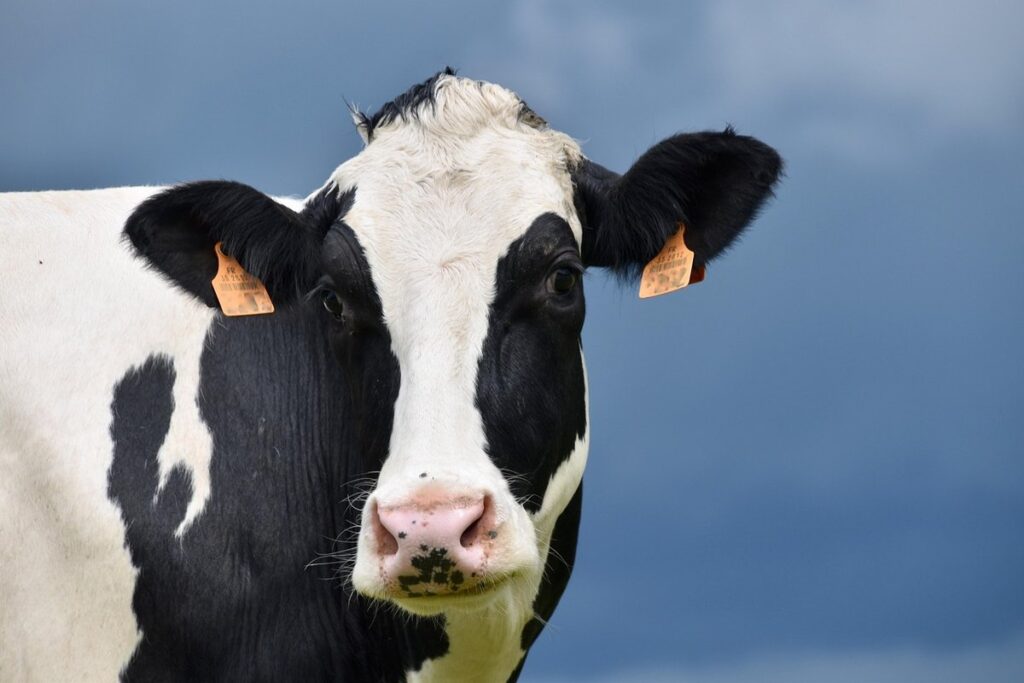
Black and white cow breeds have been a staple in dairy farming for centuries, prized for their rich milk production and hardy constitution. These iconic animals have captured the hearts of many farmers and consumers alike with their striking appearance and impressive characteristics. However, black and white cows are more than just a pretty face – they offer a range of benefits that make them an attractive choice for dairy farms looking to increase productivity and profitability. From their history and origins to their care and breeding requirements, understanding the ins and outs of these versatile breeds is crucial for any farmer looking to get the most out of their herd. This article will delve into the world of black and white cow breeds, covering everything from their characteristics and nutritional needs to marketing value-added products and tips on how to make the most of your dairy farm’s potential.
History and Origins of Black and White Cows
Black and white cows have a long history that spans centuries, with many breeds developing unique characteristics over time. Let’s take a look at how these iconic animals came to be.
Early Development of the Breed
The origins of black and white cow breeds date back to ancient times, with evidence of their existence found in European and Asian cultures. In medieval Europe, farmers selectively bred cattle for desirable traits such as milk production and hardiness. One of the earliest recorded instances of a black and white breed is the Ayrshire, developed in Scotland around the 12th century. These cows were prized for their high milk yield and ability to thrive on poor-quality pasture.
As European colonization expanded, black and white breeds were introduced to new regions, where they were often crossed with local cattle to create new strains. In India, for example, the Gir breed was developed by crossing European black and whites with local zebu cattle. This cross-breeding not only improved milk production but also enhanced the hardiness of the resulting animals.
The development of black and white breeds was largely driven by practical considerations, such as the need for high-yielding dairy cows that could adapt to varying climates and conditions. By understanding the history of these breeds, farmers can better appreciate their unique characteristics and select the most suitable breeds for their specific needs and operations.
Influence on Modern Dairy Farming
The influence of black and white cow breeds on modern dairy farming practices is significant. One key contribution is their high milk production capacity, with some breeds averaging over 25,000 liters per year. This has enabled large-scale dairy farms to increase efficiency and reduce costs. The Friesian breed, for example, produces more milk than many other breeds, making it a popular choice in the European Union.
In addition to increased milk production, black and white cow breeds have also improved milk quality. Their fat content is often higher than that of other breeds, which is desirable for cheese and butter production. The Holstein breed, commonly used on large dairy farms in North America, has a high concentration of beta-carotene, making its milk well-suited for the production of yellow cheeses like cheddar.
To take advantage of these benefits, dairy farmers should consider factors such as feed quality, breeding programs, and management practices when selecting black and white cow breeds. By choosing breeds that excel in milk production and quality, farmers can optimize their operations and increase profitability.
Characteristics of Black and White Cows
Black and white cows are known for their striking color patterns, but what exactly sets these breeds apart? Let’s take a closer look at some of their unique characteristics.
Physical Traits and Temperament
Black and white cow breeds exhibit distinct physical characteristics and temperament traits. In terms of size, they typically range from 1,200 to 1,800 pounds, with some dairy breeds reaching up to 2,000 pounds. Coat patterns vary across different breeds, but most have a predominantly black coat with white markings on their faces, bellies, or legs.
Their temperament is often described as docile and easy-going. They are known for being relatively calm in new environments, making them suitable for rotational grazing and breeding programs. However, some breeds may exhibit more energetic behavior, such as the Holstein, which requires regular exercise to prevent obesity.
It’s essential to consider a breed’s temperament when selecting cattle for your farm or dairy operation. A calm and gentle nature can make milking and handling easier, while a more energetic breed may require additional space and management strategies. Some breeders prioritize temperament in their selection process, focusing on individuals that exhibit a strong work ethic and adaptability.
In general, black and white cow breeds are considered to be relatively hardy animals, with some breeds showing greater resistance to disease than others.
Advantages and Disadvantages of the Breed
One of the main advantages of owning a black and white cow breed is their high milk production. Holsteins, for example, are known to produce an average of 22,000 pounds of milk per year, making them one of the top dairy breeds globally. Their large size and robust build contribute to this impressive output. However, this increased milk production often comes at a cost: black and white cows tend to be more prone to reproductive issues such as mastitis and udder problems due to their high milk demand.
In terms of fertility, some black and white cow breeds can struggle with conception rates, particularly in young females. For instance, research has shown that Holsteins have a relatively low twinning rate compared to other dairy breeds. On the other hand, their hardiness is often an asset: many black and white cows are well-suited to harsh climates and can withstand extreme temperatures due to their thick coats.
It’s essential for farmers to weigh these factors carefully when deciding on a breed. If milk production is the primary goal, then a high-yielding black and white cow may be an excellent choice. However, if fertility or hardiness is more important, then other options might be preferable.
Black and White Cow Breeds Around the World
From the majestic Holsteins of Europe to the striking Belted Galloways of Scotland, let’s explore some of the most iconic black and white cow breeds found globally.
European Breeds: A2 and Friesian
The A2 breed, originating from the UK, is known for its distinctive black and white coat pattern. Developed specifically for dairy production, A2 cows are renowned for their rich milk quality and high yields. Their genetic makeup has made them a favorite among farmers seeking efficient milk production. In contrast, Friesian cows hail from the Netherlands and are prized for their impressive milk production capabilities. They possess a robust constitution and excel in cold climates. A key characteristic of both breeds is their ease of handling and adaptability to diverse farming environments.
Friesians are also notable for their resistance to mastitis, a common health issue affecting many dairy cows. Their compact size makes them suitable for smaller farms or those with limited space. A2 and Friesian cows can thrive in various management systems, including grazing and confinement feeding methods. However, it’s essential to note that both breeds benefit from high-quality feed and regular veterinary care to maintain optimal health.
While A2 and Friesian cows share some similarities, their unique characteristics make them suitable for different farming setups. By understanding these differences, farmers can make informed decisions about which breed best suits their needs.
American Breeds: Holstein and Jersey
The Holstein and Jersey breeds are two of the most recognizable American black and white cow breeds. Originating from Europe, Holsteins were brought to America in the late 19th century and quickly gained popularity for their exceptional milk production. They now account for over 90% of the US dairy herd.
Holsteins are known for their distinctive markings, large size, and high milk yield. On average, a mature Holstein cow produces around 22,000 pounds of milk per year, making them an ideal choice for large-scale dairy operations. However, their high milk production can also lead to issues such as udder health problems and lameness.
In contrast, Jerseys are smaller in size but produce higher-quality milk with a richer fat content. They originated from the Channel Islands and were brought to America in the late 18th century. Jerseys are prized for their gentle disposition, hardiness, and ability to thrive on small farms. With proper care, a Jersey cow can produce around 10,000 pounds of milk per year, making them an excellent choice for smaller-scale dairy operations or those seeking to produce high-quality cheese and butter.
Jerseys also tend to be more resistant to disease and have a lower risk of udder health issues compared to Holsteins.
Raising and Caring for Black and White Cows
If you’re considering bringing a black and white cow into your life, learning how to properly raise and care for them is crucial. This section will cover essential tips and best practices for their nutrition, health, and overall well-being.
Nutrition and Feeding Requirements
A high-quality feed mix for black and white cows typically consists of 40-50% hay, 20-30% grains such as corn and oats, and 10-20% concentrates like protein supplements. The exact ratio may vary depending on factors like the cow’s age, lactation stage, and production level. It’s essential to choose feeds that are high in fiber and low in sugar to prevent digestive issues.
In addition to their diet, black and white cows require access to clean water at all times. A general rule of thumb is to provide 20-25 gallons of water per cow per day. Providing enough salt and minerals is also crucial, as these nutrients can be lacking in some feed mixes.
To optimize milk production, it’s recommended to rotate pastures regularly to ensure the cows have access to fresh forage. This practice not only improves the quality of their diet but also reduces the risk of overgrazing and associated environmental damage.
Health Issues and Management Tips
Black and white cow breeds are generally a hardy bunch, but they can be prone to certain health issues. One common problem is mastitis, an infection of the udder that can cause inflammation and pain. To prevent this, it’s essential to ensure proper hygiene during milking, including regular cleaning of equipment and udders. Another issue is ketosis, a metabolic disorder caused by a lack of energy in the diet. This can be prevented by providing adequate fiber and protein sources, as well as monitoring feed intake.
Other health issues that may affect black and white cows include lameness, often due to hoof problems or injuries, and reproductive disorders such as metritis or retained placentas. To address these issues, regular veterinary check-ups are crucial, along with maintaining a clean and comfortable living environment. This includes providing adequate space for movement and access to shelter from the elements.
In terms of management tips, it’s essential to keep accurate records of feed intake, milk production, and health checks. This will enable you to identify any potential issues early on and make informed decisions about treatment or changes to care. Additionally, consider working with a veterinarian to develop a customized health plan for your herd.
Breeding and Selection Practices
When it comes to developing high-quality black and white cow breeds, careful breeding and selection practices are crucial for maintaining desirable traits. We’ll examine some of these key considerations next.
Selecting the Right Breed for Your Farm
When selecting a black and white cow breed for your farm, consider the climate and resources available on your land. For example, if you’re operating in a hot and humid region, a breed with a higher heat tolerance, such as the A2, may be more suitable than a breed that thrives in cooler temperatures. Similarly, if you have limited grazing space, a smaller-framed breed like the Jersey might be more practical.
It’s also essential to think about your production goals. Are you looking to produce high volumes of milk or prioritize a specific type of dairy product? Certain breeds are naturally better suited for certain types of production. For instance, Holsteins are known for their exceptional milk production and are often used on large-scale dairy farms.
Ultimately, the right breed will depend on your unique circumstances and priorities. To make an informed decision, research different breeds and consider factors such as feed conversion rates, fertility, and disease resistance.
Breeding Programs and Techniques
Black and white cow breeding programs prioritize selective breeding to enhance desirable traits. This involves choosing bulls with high fertility and milk production potential for artificial insemination. Many breeders also use embryo transfer, which allows them to amplify genetic improvements within a short timeframe.
Breeding techniques focus on identifying genetically superior animals. Breed associations like the Holstein Association USA and the American Jersey Cattle Club maintain genetic evaluation systems that provide estimates of an animal’s genetic merit. This information helps breeders make informed decisions about selection.
Selection criteria typically include data on milk production, fertility, and body condition score. Some programs also incorporate additional traits such as feed efficiency or heat tolerance. Breed associations may also offer guidance on optimal breeding strategies for specific farm environments and management systems.
In addition to these tools, many breeders also use advanced genetic testing to identify potential genetic issues before they arise. This can include tests for conditions like brachycephalic syndrome or genomics-based fertility evaluations. By combining traditional selection methods with modern technology, black and white cow breeders can create high-performing herds that meet the demands of modern dairy farming.
Marketing and Value-Added Products
If you’re looking to monetize your black and white cow breed, consider adding value through marketing and strategic product development that highlights their unique characteristics. This could include specialty dairy products or craft items.
Dairy Product Sales and Marketing Strategies
When marketing dairy products from black and white cow breeds, effective branding is crucial. Develop a unique identity for your farm’s products by emphasizing the breed’s heritage and characteristics. For instance, Holstein-based farms can highlight their cows’ exceptional milk production capacity, while Friesian-based farms can focus on their rich history in European dairy farming.
Pricing strategies should also be carefully considered. Research local market trends to determine competitive pricing for your products. Consider offering premium prices for high-quality cheese or butter made from the rich milk of black and white breeds. Additionally, explore value-added products like flavored butters or infused cheeses that can command higher price points.
Distribution channels are another key aspect of dairy product sales. Utilize online platforms to reach a broader audience, such as e-commerce websites or social media marketing campaigns. Partner with local retailers to stock your products in stores, and consider attending farmers’ markets or trade shows to connect directly with consumers.
Value-Added Products: Cheese, Butter, and More
Black and white cow breeds are well-suited for producing high-quality milk used to create a range of value-added dairy products. Cheese is one such product that can be made from the milk of these cows, with popular varieties including cheddar, mozzarella, and feta. The rich flavor profile and high fat content of black and white cow’s milk make it an ideal choice for cheese production.
In addition to cheese, butter and other dairy spreads can also be produced using the milk of black and white cows. Butter made from this type of milk has a distinct flavor and is often sought after by artisanal bakers and chefs. Other value-added products that can be created include yogurt, kefir, and buttermilk.
When it comes to marketing these products, consider highlighting their unique characteristics and the benefits they offer consumers. For example, cheese made from black and white cow’s milk may have a richer flavor profile than other types of cheese. By emphasizing these features and using eye-catching packaging, you can differentiate your products in the market and appeal to customers who are looking for high-quality dairy options.
Frequently Asked Questions
Can I Raise Black and White Cows in a Small Farm with Limited Resources?
Yes, black and white cows can thrive on small farms with limited resources. However, it’s essential to consider factors like feed quality, veterinary care, and milk handling facilities. Start by assessing your farm’s infrastructure and developing a budget for necessary upgrades or purchases.
How Do I Know When My Black and White Cow is Ready for Breeding?
Monitor your cow’s physical maturity, typically around 18-24 months, and assess her reproductive health through regular check-ups with a veterinarian. Consider factors like breed selection, nutrition, and overall health when determining breeding readiness.
What if My Black and White Cow Develops Mastitis or Other Health Issues? How Do I Treat It?
Mastitis is a common issue in dairy cows. If you suspect mastitis, consult your veterinarian promptly for proper diagnosis and treatment. Implement good hygiene practices, ensure adequate nutrition, and consider adding probiotics to your cow’s feed to promote overall health.
Can I Cross-Breed Black and White Cows with Other Breeds for Improved Milk Production?
Yes, cross-breeding can be an effective strategy to enhance milk production. However, it’s crucial to choose a compatible breed that complements the characteristics of black and white cows. Consult with a veterinarian or experienced breeder to determine the best cross-breed option for your farm.
How Do I Market Value-Added Dairy Products Made from Black and White Cow Milk?
Develop a unique brand identity and focus on high-quality products with distinct flavor profiles. Leverage social media platforms to showcase your products and engage with potential customers. Consider partnering with local chefs, restaurants, or specialty food stores to increase exposure and drive sales.