
If you’re one of the many curious about blackberry weed, you’ve probably come across conflicting information online. This potent cannabis strain has been shrouded in mystery for decades, and its history is as complex as it is fascinating. From its origins in the 1970s to its current-day popularity, blackberry weed has captured the hearts (and minds) of many a cannabis enthusiast. But what exactly makes this strain so special? In this comprehensive guide, we’ll take you on a journey through blackberry weed’s history, identification, and medical uses. We’ll also delve into its recreational properties, discuss how to cultivate it safely, and cover regional laws governing its use. By the end of this article, you’ll have a thorough understanding of what makes blackberry weed tick – and be better equipped to make informed decisions about your own cannabis experiences.
What is Blackberry Weed?
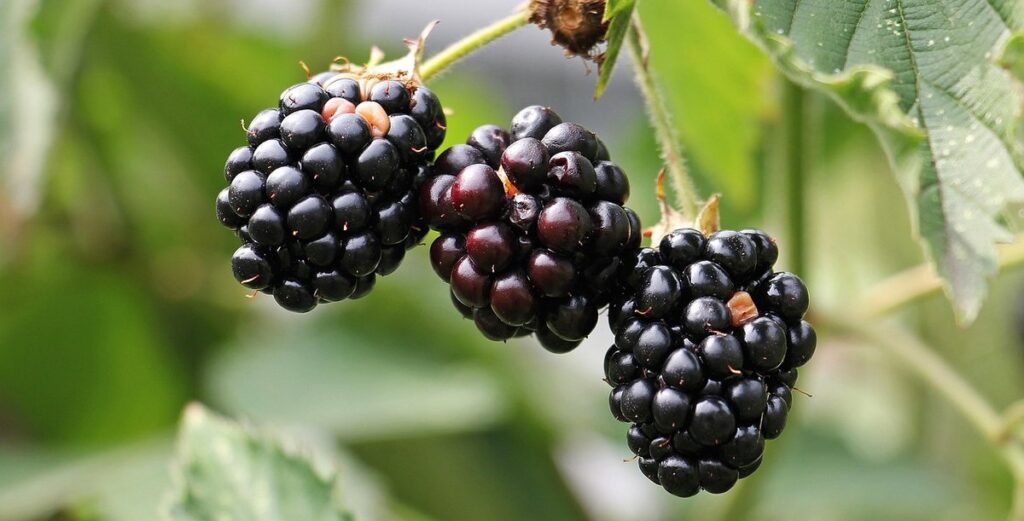
Blackberry weed, a notorious invasive plant species, has gained attention for its rapid growth and potential harm to local ecosystems. Let’s take a closer look at what makes blackberry weed so distinctive.
History and Origin of the Plant
Blackberry weed has a rich and varied history that spans across multiple continents. Its origins can be traced back to the Americas, where it was first used by indigenous communities for medicinal and ceremonial purposes. The plant’s popularity soon spread to Europe, where it became highly valued for its alleged health benefits and psychoactive properties.
In the 19th century, blackberry weed began to gain recognition in Western herbalism, with many prominent botanists and healers singing its praises. The plant’s versatility and adaptability made it a favorite among gardeners and farmers, who cultivated it for both its medicinal and ornamental value.
The name “blackberry” is thought to have originated from the plant’s tendency to produce small, dark-colored berries that resemble those of the blackberry bush (Rubus fruticosus). Over time, the plant has been naturalized in many parts of the world, including Australia, New Zealand, and parts of Asia. Today, blackberry weed is grown commercially for its medicinal properties and is also cultivated by hobbyists and enthusiasts who value its unique characteristics.
Its global distribution and adaptability have led to a range of regional names and uses, from “blackberry weed” in North America to “Ajamu” in Africa and “Shenxiang cao” in China.
Botanical Classification and Description
Blackberry weed’s botanical classification is a key aspect of understanding its properties and behavior. The plant’s scientific name is Rubus argutus, and it belongs to the Rosaceae family, which also includes roses, apricots, and raspberries. This classification explains the plant’s physical characteristics, such as its thorny canes and compound leaves with three leaflets.
The plant’s appearance varies depending on the stage of growth. In its early stages, blackberry weed produces small, white flowers that are typically clustered together in a spiral pattern. As the plant matures, it develops long, thin stems with thorns that help protect against herbivores. The leaves themselves have three leaflets, each with a distinctive pointed tip and serrated edges.
Blackberry weed’s physical characteristics are not only visually distinct but also play a crucial role in its growth and survival. The thorny canes provide structural support for the plant as it grows, while the compound leaves allow for maximum exposure to sunlight. Understanding these physical traits is essential for accurate identification and proper handling of the plant.
Identification and Distinguishing Features
To accurately identify blackberry weed, it’s crucial to examine its distinctive characteristics, including leaf shape, flower color, and growth habit. Let’s break down these key features together.
Visual Identifiers for Blackberry Weed
Blackberry weed can be identified by several key visual features. Its leaves are typically oval-shaped with pointed tips and a wavy edge, measuring 2-5 inches long. The stem is often reddish-purple, especially towards the base, and may have a powdery coating or fine hairs. In terms of flower arrangement, blackberry weed produces small clusters of white or pink flowers that resemble miniature blackberry blooms.
One way to distinguish blackberry weed from similar-looking plants like wild indigo or evening primrose is by examining its leaf shape and size. While these plants also have oval-shaped leaves, they tend to be smaller and more lance-shaped. The stem color can also be a giveaway: while blackberry weed has a reddish tint, other plants may have green or purplish stems.
When searching for blackberry weed in the wild, look for areas with moist soils and partial shade. Pay attention to the overall growth habit of the plant, as it tends to form dense clusters. By combining these visual identifiers with knowledge of the plant’s preferred habitats, you should be able to confidently identify blackberry weed.
Habitat and Growing Conditions
Blackberry weed typically thrives in wetlands and areas with rich soil. It’s often found near streams, rivers, and lakes, where the moisture levels are consistently high. In these environments, the plant can spread quickly due to its ability to self-seed and colonize new areas. The ideal soil type for blackberry weed is a mix of clay and silt, which retains moisture but also allows for some drainage.
Blackberry weed requires partial shade to full sun, depending on the region and climate. In general, it prefers areas with dappled sunlight or indirect light, as this helps regulate its growth and prevents overheating. The plant can tolerate a range of temperatures, from warm to cool, but it’s more resilient in cooler climates.
In terms of moisture levels, blackberry weed is highly adaptable. It can grow in standing water, but it also thrives in areas with consistently moist soil. This adaptability allows the plant to colonize a wide range of environments, from wet meadows to dry scrublands.
Medical and Recreational Uses of Blackberry Weed
Blackberry weed is prized for its medicinal properties, such as relieving pain and inflammation, while also being enjoyed recreationally. We’ll explore both uses in more detail below.
Traditional Medicine and Herbalism
Blackberry weed has been used for centuries in traditional medicine to treat various health conditions. In herbalism, it’s valued for its anti-inflammatory and antiseptic properties. Native American tribes, such as the Cherokee and Ojibwe, used blackberry weed to make teas, salves, and infusions to soothe sore muscles and wounds. The plant’s leaves and roots were also used to treat fever, rheumatism, and digestive issues.
To use blackberry weed in traditional medicine, you can create a tea by steeping 1-2 teaspoons of dried leaves or flowers in boiling water for 5-7 minutes. Strain the liquid and drink it three times a day. For external applications, make a salve by mixing crushed leaves with beeswax and oil.
Some potential side effects to be aware of include skin irritation, allergic reactions, and interactions with certain medications. Blackberry weed may also worsen bleeding disorders or exacerbate high blood pressure. It’s essential to consult with a healthcare professional before using blackberry weed, especially if you’re pregnant, breastfeeding, or taking prescription medications. When foraging for wild blackberry weed, ensure proper identification and avoid areas contaminated by pesticides or heavy metals.
Modern Recreation and Psychoactive Properties
Blackberry weed contains a unique combination of psychoactive compounds, including THC and CBD. When consumed, these chemicals interact with the brain’s cannabinoid receptors, producing effects that can range from mild relaxation to intense euphoria. Recreational users often report feelings of calmness, reduced anxiety, and increased sociability.
However, individual responses to blackberry weed can vary greatly due to factors such as dosage, method of consumption, and individual tolerance. Some people may experience heightened creativity or focus, while others might feel sedated or disoriented. This variability underscores the importance of responsible use and informed decision-making.
Research on the long-term effects of blackberry weed is limited, but available studies suggest potential benefits for pain management and stress relief. However, frequent or heavy use can lead to dependence and adverse interactions with other medications. As a result, users should approach blackberry weed with caution and respect its potency.
To minimize risks, it’s essential to start with low doses and gradually increase as needed. Users should also be aware of potential interactions with other substances, such as prescription medications or other herbs. By being informed and responsible, individuals can harness the therapeutic benefits of blackberry weed while minimizing potential harm.
Cultivation and Harvesting Blackberry Weed
To grow blackberry weed successfully, you’ll need to understand its specific cultivation needs, including optimal sunlight and water requirements. We’ll cover these essential details in this crucial section.
Growing Conditions and Best Practices
Blackberry weed thrives in temperate climates with moderate temperatures and high humidity. It prefers well-drained soil rich in organic matter, but can adapt to a variety of conditions. When cultivating blackberry weed outdoors, choose a location that receives partial shade to full sun, depending on your region’s climate.
In terms of ideal growing conditions, most growers find success in regions with warm summers and cool winters. Pruning is essential for maintaining the plant’s health and promoting bountiful harvests. Regular pruning encourages bushy growth, increases yields, and helps prevent over-maturation. To prune blackberry weed effectively:
- Remove lower branches to increase air circulation and reduce moisture retention.
- Trim back top growth to maintain a manageable height and encourage lateral branching.
- Prune damaged or diseased areas promptly to prevent the spread of disease.
By replicating these conditions and adopting proper pruning techniques, growers can optimize their yields and enjoy healthy blackberry weed plants. Regular monitoring of temperature, humidity, and soil quality is also crucial for achieving optimal growth.
Harvesting Methods and Timing
Blackberry weed can be harvested at various times of the year, depending on its intended use. For medicinal purposes, it’s best to harvest the plant when the cannabinoids and terpenes are most concentrated, typically during the summer months. However, if you’re cultivating blackberry weed for recreational use, you may want to harvest the buds when they’re slightly immature, as this can result in a more potent final product.
In terms of harvesting methods, it’s essential to carefully trim the plant to avoid damaging the delicate buds and leaves. A sharp pair of scissors or pruning shears is ideal for this task. You can also use a gentle pulling motion to remove the buds from the stem, taking care not to damage the roots.
Once harvested, blackberry weed requires proper drying or curing to preserve its potency and flavor. This involves hanging the plant material upside down in a cool, dry environment with good airflow. The ideal temperature for drying is between 60-70°F (15-21°C), and it’s essential to check on the plant regularly to ensure even drying.
Typically, blackberry weed takes around 7-10 days to dry completely. During this time, you may notice a slight decrease in potency, but this will be reversed once the material is properly cured.
Safety Precautions and Potential Risks
When handling blackberry weed, it’s crucial to be aware of potential risks that can arise from improper use or exposure. This includes information on how to protect yourself from harm.
Adverse Reactions and Interactions
When using blackberry weed, you may experience adverse reactions or interactions with other substances. These can be exacerbated by underlying medical conditions, and it’s essential to approach use responsibly.
Common adverse reactions include anxiety, paranoia, and altered perceptions of time and space. Users with a history of mental health conditions such as depression, anxiety disorders, or psychosis should exercise extreme caution when consuming blackberry weed.
Interactions with medications are also a concern. Blackberry weed contains compounds that may inhibit the activity of certain enzymes responsible for metabolizing drugs like antidepressants, blood thinners, and certain antibiotics. This can lead to increased levels of these medications in the bloodstream, potentially causing adverse effects.
In particular, users taking SSRIs (selective serotonin reuptake inhibitors) should be aware of potential interactions with blackberry weed’s serotonergic compounds. A small minority may experience extreme reactions, including serotonin syndrome, a potentially life-threatening condition. To minimize risks, it is recommended to consult with a healthcare professional before using blackberry weed or any other psychoactive substance.
Long-Term Effects and Dependence
Prolonged use of blackberry weed can lead to psychological and physical dependence. The plant contains psychoactive compounds that can alter brain chemistry, potentially causing users to experience withdrawal symptoms when attempting to stop or reduce consumption. Some individuals may find themselves needing to use the substance regularly to feel normal, indicating a loss of control over their behavior.
Dependence on blackberry weed is often characterized by increased tolerance, requiring higher doses to achieve the same effects. Users may also exhibit changes in behavior, such as neglecting responsibilities, social relationships, or daily activities in favor of using the substance. In severe cases, dependence can lead to addiction, causing significant distress and impairment in various aspects of life.
Factors contributing to the risk of dependence include frequency and quantity of use, individual susceptibility, and pre-existing mental health conditions. Users should be aware that even occasional or moderate consumption can lead to dependence over time. To mitigate this risk, it’s essential for individuals to maintain a balanced lifestyle, prioritize self-care, and establish realistic limits on their blackberry weed use. This approach can help minimize the potential for long-term negative effects.
Legality and Cultural Considerations
As you learn more about blackberry weed, it’s essential to understand its legal implications and cultural nuances, which can vary greatly from one region to another. We’ll break down these factors to help you make informed decisions.
Regional Laws and Regulations
Regulations regarding blackberry weed vary significantly across different countries and states. In some regions, such as Canada and parts of Europe, it is treated similarly to cannabis and subject to similar laws and regulations. This means that possession, sale, or use may be restricted or prohibited entirely.
In the United States, laws governing blackberry weed are often determined at the state level. Some states, like California and Oregon, have decriminalized its use, while others, such as Alabama and South Dakota, still consider it a controlled substance. It is essential for users to familiarize themselves with local laws before purchasing or using blackberry weed.
In Australia, blackberry weed is regulated under the Poisons Standard, which restricts its sale and possession. However, some states have more lenient laws than others, so users must research specific regulations in their area.
A few countries, such as Jamaica and Nepal, permit limited cultivation and use of blackberry weed for medicinal or spiritual purposes. Yet even in these regions, there may be restrictions on the amount that can be grown or used.
Social Stigma and Community Attitudes
Social attitudes toward blackberry weed use can vary significantly depending on geographical location and cultural context. In some communities, blackberry weed is viewed as a sacred plant with medicinal properties, while in others it’s associated with recreational use and potential stigma. For instance, in regions where traditional herbalism is practiced, blackberry weed may be used to treat various ailments, and its use is often seen as a normal part of healthcare.
However, when considering recreational use or psychoactive effects, attitudes can shift. In some areas, blackberry weed is stigmatized alongside other psychedelics, leading to social exclusion for those who experiment with it. This stigma can be influenced by factors like local laws, media representation, and community norms. As a result, individuals may face prejudice from friends, family, or employers if they openly discuss their use of blackberry weed.
It’s essential to recognize that these attitudes are not absolute and can change over time as more research emerges and public perception shifts. By understanding the complex social dynamics surrounding blackberry weed, users can better navigate potential risks and benefits associated with its recreational or medicinal use.
Frequently Asked Questions
Can I grow blackberry weed indoors?
Yes, with proper lighting and climate control, it is possible to cultivate blackberry weed indoors. However, ensure you have adequate space for the plant’s growth and consider investing in specialized equipment for optimal conditions.
What if I accidentally ingest too much blackberry weed?
If you experience adverse effects such as dizziness or nausea after consuming too much blackberry weed, try to stay calm and drink plenty of water. In severe cases, seek medical attention immediately. It’s also essential to understand your body’s limits and start with low doses.
How do I identify the correct dosage for medicinal use?
To determine a safe and effective dose for medicinal purposes, consult reputable sources or consult with a qualified healthcare professional. They can help you navigate the complexities of dosing and potential interactions with other medications.
Is it possible to cultivate blackberry weed without the psychoactive properties?
While it’s challenging to eliminate psychoactivity entirely, some growers claim success by manipulating variables such as soil composition, pruning techniques, or specific growing conditions. However, these methods are not scientifically proven, and further research is needed for conclusive results.
What if I live in an area with strict regulations on blackberry weed cultivation?
In regions where blackberry weed is heavily regulated, consider alternatives to cultivation, such as purchasing from licensed dispensaries or exploring synthetic analogs that mimic the plant’s effects without the legal risks. Always prioritize compliance with local laws and regulations.
