Raising Boer goats has become increasingly popular among farmers due to their exceptional qualities as both meat and dairy producers. These South African natives are renowned for their fast growth rate, high fertility, and impressive milk yield, making them an attractive addition to many farms. Whether you’re looking to diversify your livestock or expand into the lucrative market of goat meat production, Boer goats offer a range of benefits that can’t be ignored. With their adaptability to various climates and feed types, they are an excellent choice for both small-scale farmers and large-scale dairy operations. In this guide, we’ll explore the advantages of raising Boer goats in detail, covering topics such as their meat production capabilities, milk yield potential, and the specific requirements for their care and management. By the end of this article, you’ll be equipped to make informed decisions about incorporating these valuable animals into your farm or business.
Introduction to the Boer Goat
The Boer goat is a popular choice for many farmers and breeders, prized for its exceptional meat production and hardy constitution. Let’s take a closer look at this remarkable breed.
History and Origin of the Boer Goat
The Boer Goat originated in South Africa in the late 19th century as a result of careful breeding programs aimed at creating a fast-growing, muscular goat with exceptional meat production capabilities. The name “Boer” is derived from the Dutch word for “farmer,” reflecting the breed’s association with South African farmers who prized its hardiness and high-quality meat.
Developed by crossing various local breeds with imported European stock, the Boer Goat quickly gained popularity among South African farmers due to its impressive growth rate and high fertility. Within a few decades, the breed had spread throughout Southern Africa, where it remained in high demand for both meat and breeding purposes.
As global trade and agricultural practices evolved, the Boer Goat’s reputation as a superior meat producer extended beyond regional borders. Today, the breed is found on farms worldwide, valued for its exceptional growth rate, muscling, and hardiness. Its adaptability to various climates and management systems has made it an attractive choice for farmers seeking efficient and profitable goat production. The Boer Goat’s widespread popularity can be attributed in part to the deliberate selection and breeding efforts of South African farmers who recognized its unique strengths.
Unique Characteristics of the Boer Goat
One of the most striking features of the Boer goat is its exceptional muscling. With a high percentage of lean meat to fat ratio, the breed excels in producing tender and flavorful cuts. Adult Boer goats typically weigh between 150 and 200 pounds, making them an ideal size for both commercial and small-scale producers.
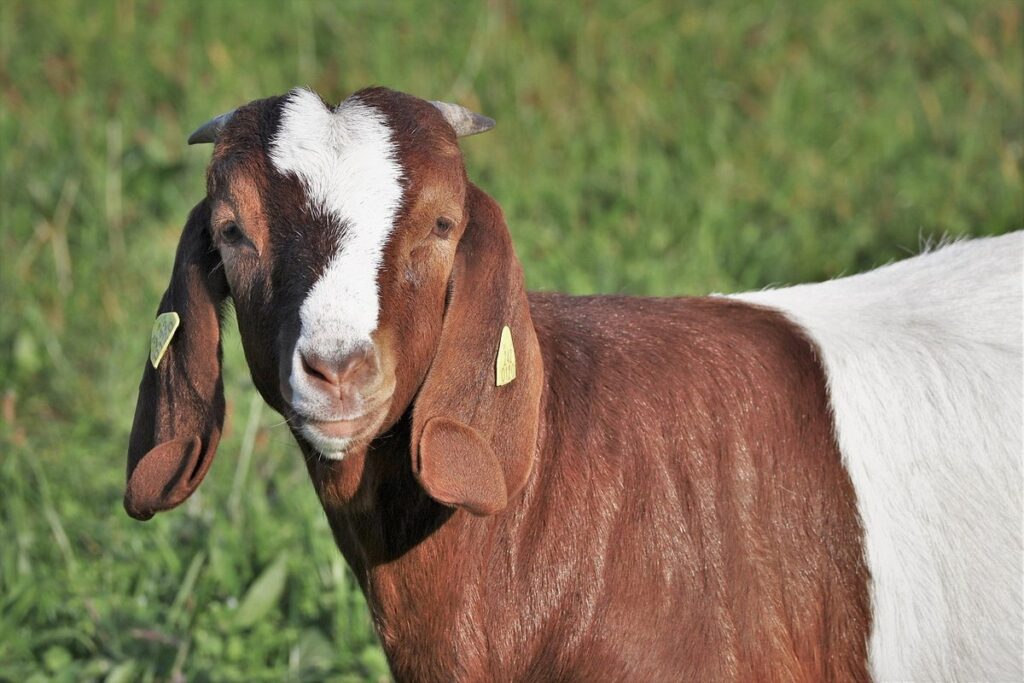
Their coat color varies from white with red or black markings to solid brown or fawn, but the most distinctive feature is their muscling pattern. The Boer goat’s muscle structure is characterized by a deep, rounded chest and well-defined shoulders. This unique muscling contributes to its impressive growth rate and feed efficiency, making it an attractive choice for farmers seeking high-quality meat production.
In addition to its physical characteristics, the Boer goat also boasts a naturally hardy constitution. With minimal health issues, this breed is relatively low-maintenance compared to other goats. Its robust build and adaptability have made it a popular choice among farmers worldwide, particularly in areas with challenging climates or limited resources.
Advantages of Raising Boer Goats
One of the biggest draws to raising Boer goats is their impressive list of advantages, making them a popular choice for farmers and homesteaders alike.
Their hardiness, fast growth rate, and high fertility rates make them an attractive addition to any farm or ranch.
Meat Production and Quality
Boer goats are renowned for their exceptional meat production capabilities. One key factor contributing to their high value is their impressive growth rate. On average, a Boer goat can reach maturity in as little as 120-150 days, compared to other breeds that may take up to six months or longer. This accelerated growth allows farmers to harvest the animals more quickly and efficiently.
The quality of the carcass is another critical aspect where Boer goats excel. Their compact, muscular build results in a higher lean meat percentage – typically around 55-60% – making them an attractive choice for producers seeking to maximize their yield. Moreover, the breed’s natural inclination towards hardiness and robustness means that they are better equipped to withstand environmental stressors and disease.
When selecting Boer goats for meat production, farmers should prioritize those with a strong growth curve, optimal muscling, and good feed efficiency. This approach will not only ensure a superior product but also help reduce costs associated with feeding and maintaining the herd. By understanding these factors and choosing high-quality breeding stock, producers can unlock the full potential of Boer goats for meat production.
Milk Production and Quality
Boer goats are known for their impressive milk production capabilities, making them a valuable addition to dairy farms. On average, a Boer doe can produce between 2-4 liters of milk per day, with some individuals reaching up to 5 liters. The breed’s high milk production is due in part to its unique genetic makeup, which includes the influence of European breeds such as the Nguni and the Red Poll.
In terms of quality, Boer goat milk is prized for its rich flavor and creamy texture. It has a higher fat content than some other dairy breeds, making it an ideal choice for cheese production. Many cheesemakers appreciate the breed’s ability to produce high-quality milk that is well-suited to a variety of cheese-making techniques.
For farmers looking to incorporate Boer goats into their dairy operation, it’s essential to consider factors such as feed quality and management practices. A diet rich in high-quality hay and grains will help support optimal milk production, while regular veterinary care can help minimize the risk of disease.
Breeding and Genetics
Understanding the genetic makeup of Boer goats is crucial for breeders, as it directly impacts their performance, fertility, and overall health. We’ll explore the key factors that influence breeding decisions.
Understanding Boer Goat Genetics
Boer goat breeding relies on understanding key genetic principles. Heterosis, also known as hybrid vigor, is a crucial concept: it refers to the increased growth rate and fertility of offspring from crosses between different breeds. This phenomenon allows Boer goats to benefit from the combination of desirable traits from multiple parental lines.
Selection pressure is another critical factor in shaping the genetics of Boer goats. Breeders apply selection pressure by choosing which animals to breed based on specific characteristics, such as muscle mass or reproductive efficiency. Repeated application of this pressure drives genetic change over time, ultimately influencing the overall population’s health and productivity.
Genetic diversity within a breeding program is also essential for maintaining robust populations. Breeders can achieve this through strategic use of different sire lines and selection methods. For example, using multiple sires per dam or incorporating new bloodlines can enhance genetic diversity without sacrificing desirable traits.
Breeders must balance their selection goals with the need to maintain genetic integrity. This balance is critical in ensuring that Boer goat populations remain healthy, productive, and adaptable to changing environments. By understanding these fundamental principles of genetics, breeders can make informed decisions about selecting and breeding Boer goats.
Selecting a Quality Boer Goat
When selecting a quality Boer goat for your farm or breeding program, it’s essential to consider several factors. Genetics play a crucial role in determining a Boer goat’s growth rate, fertility, and overall health. Look for animals with a proven track record of producing high-quality offspring. Research the dam (mother) and sire (father) of the animal you’re considering, and examine their pedigree records.
In addition to genetics, it’s also vital to assess an individual Boer goat’s health status. Check for any signs of disease or injury, such as lameness, coughing, or diarrhea. Also, inspect the goat’s overall physical condition, including its coat quality, muscle tone, and body weight. Temperament is another critical factor; Boer goats should be calm, friendly, and easy to handle.
To evaluate a Boer goat’s temperament, observe how it interacts with people and other animals. A well-socialized animal will exhibit confident behavior around humans and show no aggression towards others. Finally, inspect the goat’s feet, looking for any signs of lameness or hoof problems. By considering these factors, you can increase your chances of selecting a high-quality Boer goat that will thrive in your breeding program or on your farm.
Health and Nutrition
When it comes to raising Boer goats, their health and nutritional needs are crucial to ensure they thrive. Proper feeding practices can greatly impact your goat’s overall well-being and productivity.
Common Health Issues in Boer Goats
Boer goats are prone to various health issues due to their genetic predisposition and environmental factors. Parasites such as internal parasites (e.g., pinworms, roundworms) and external parasites (e.g., ticks, lice) can infest Boer goats, leading to weight loss, diarrhea, and anemia. Regular deworming programs are crucial to prevent parasite-related issues.
Diseases like Johne’s disease, a bacterial infection that affects the digestive system, and Caprine Arthritis Encephalitis (CAE), a viral infection that causes arthritis and neurological symptoms, can also affect Boer goats. Vaccinations and strict biosecurity measures can help minimize the risk of these diseases.
Nutritional deficiencies are another common health issue in Boer goats. They require a balanced diet rich in fiber, protein, and essential minerals like phosphorus and calcium. A lack of adequate nutrition can lead to conditions such as hypocalcemia (milk fever) and nutritional osteodystrophy.
In addition to these issues, Boer goats are also susceptible to heat stress due to their thick coats and high metabolic rate. Providing shade, cool water, and regular breaks in the summer months can help mitigate this risk. Regular veterinary check-ups and a solid health management plan can go a long way in preventing and addressing common health issues in Boer goats.
Nutritional Requirements and Strategies
Boer goats have distinct nutritional requirements due to their high growth rate and production needs. They require a diet rich in protein, energy, and essential minerals. A good starting point for feeding programs is to provide 16-18% crude protein in the dry matter of their feed. This can be achieved through a mix of hay, grains, and concentrates.
In terms of pasture management, Boer goats benefit from high-quality pastures with adequate nutrition. They require access to clean water at all times and should have a salt block available as well. It’s essential to rotate pastures regularly to maintain their nutritional value and prevent overgrazing.
Supplements can also be used to ensure the Boer goat receives the necessary nutrients. For example, calcium and phosphorus supplements are crucial for strong bone development in young animals. Additionally, vitamins A and E can help boost immunity and overall health.
To implement an effective feeding program, consider the following:
- Divide your herd into different age groups to tailor their nutritional needs
- Monitor individual animal performance and adjust feed rations accordingly
- Provide a mineral block or loose minerals for free-choice consumption
Handling and Management
When it comes to owning Boer goats, proper handling and management are crucial for their health and well-being, as well as your own safety. In this section, we’ll cover essential tips for safely and efficiently caring for your Boer goats.
Housing and Fencing
When designing housing for your Boer goats, consider their natural behavior and living requirements. These agile creatures need space to move around, exercise, and engage in social interactions. Allocate at least 10 square feet of indoor area per goat, plus a fenced outdoor enclosure that’s roughly four times the size of the indoor space.
A suitable shelter should protect your Boer goats from harsh weather conditions, provide shade, and maintain a comfortable temperature range between 40°F to 80°F (4°C to 27°C). You can build or purchase a prefabricated barn, but ensure it has adequate ventilation and windows for natural light.
Fencing is also crucial to keep your Boer goats safe from predators, prevent escape attempts, and contain them within the designated area. Use sturdy materials like high-tensile wire, wooden posts, or metal fencing panels that are at least 4 feet tall. Bury the fence line 12 inches deep to prevent digging, and ensure it’s securely anchored to prevent collapse.
A good rule of thumb is to build a fence that’s one-third higher than the height of your goats to account for climbing attempts. Keep in mind that Boer goats are known for their agility and can easily jump over fences if they’re not properly secured.
Training and Socialization
Boer goat kids require early socialization and handling to develop good behavior and reduce stress later on. Start by introducing them to a halter at around 4-6 weeks old, getting them accustomed to wearing it and becoming comfortable with being led. This process should be done gently and patiently, with rewards for calm behavior.
Vaccinations typically begin at 2-3 months of age, but the timing may vary depending on your location and the specific vaccination schedule recommended by a veterinarian. It’s essential to work closely with a vet to determine the best approach for disease prevention in your area.
Preventing diseases is crucial in young Boer goats, especially those like pneumonia and parasites that can spread rapidly. Good hygiene practices, such as regular cleaning of living areas and equipment, can help minimize the risk of infection. A well-maintained fence line also helps protect against predators and escape artists.
A stable routine and positive interactions with humans from an early age will serve your Boer goats well in the long run. This includes handling them regularly for weighing, vaccinations, and other procedures, as this exposure to human touch and restraint will help reduce their stress levels when faced with these events later on.
Marketing and Sales
When it comes to successfully breeding, buying, or selling Boer goats, marketing and sales strategies are crucial to achieving your goals and maximizing profits. We’ll explore key marketing and sales considerations for boer goat breeders and owners.
Understanding the Market Demand for Boer Goats
To meet market demand for Boer goats, it’s essential to understand consumer preferences. One key factor is the growing interest in grass-fed and hormone-free meat products. This trend suggests that farmers should focus on raising Boer goats on pasture or using sustainable feed practices. Additionally, consumers are willing to pay a premium for high-quality meat, which means pricing strategies must be carefully considered.
The competition for bovine meat has led some producers to adopt cross-breeding programs, but this can compromise the genetic integrity of purebred Boer goats. As such, those selling Boer goats should emphasize their breed’s unique characteristics and superior quality. In the United States, for instance, the demand for Boer goat meat is particularly strong in regions with a high concentration of African-American communities.
In terms of pricing strategies, farmers can consider offering value-added products like frozen or vacuum-packed meat to appeal to consumers seeking convenience. It’s also crucial to stay informed about local market conditions and adjust production levels accordingly. By monitoring consumer preferences and competition, producers can make data-driven decisions to meet the growing demand for Boer goats while maintaining profitability.
Selling Your Boer Goats: Tips and Strategies
When it’s time to sell your Boer goats, you’ll want to approach marketing and negotiations strategically. Start by advertising through channels popular with potential buyers, such as online goat forums, social media groups dedicated to livestock, or local agricultural newspapers.
Networking is also essential – attend regional farm shows, county fairs, or other events where people interested in buying Boer goats tend to congregate. Be prepared to discuss the strengths and quality of your animals, including their weight, age, and any notable traits like superior fertility or growth rate.
When negotiations begin, be flexible but firm on price. Research comparable sales in your area to establish a fair market value for each goat. Consider offering discounts for bulk purchases or package deals that include goats of different ages and sexes. Keep detailed records of conversations and agreements reached with potential buyers, as this will help you track progress and make informed decisions about which offers to accept.
Frequently Asked Questions
What If My Boer Goat Is Not Gaining Weight as Expected?
Yes, it’s normal for young goats to experience growth spurts and fluctuations in weight gain. However, if your goat is consistently failing to reach expected weight milestones, consider checking its diet, health, and genetics. Ensure you’re providing adequate nutrition and monitor the goat’s overall well-being, including vaccinations and parasite control.
Can I Breed My Single Boer Goat with Another Breeds’ Buck?
No, breeding a single Boer goat with another breed’s buck will not produce optimal results in terms of meat quality or fertility. The genetic principles behind Boer goat breeding emphasize the importance of selecting high-quality Boer goats for breeding programs to maintain consistency and desirable traits.
How Do I Introduce New Goats to My Existing Herd to Prevent Conflicts?
When introducing new goats, it’s essential to follow a gradual introduction process to prevent conflicts. Start by keeping the new goats separate from the existing herd and allowing them to become familiar with each other’s scents and sounds through fencing or gates. Once they seem comfortable, you can begin supervised interactions under close supervision.
What If I Have Limited Space for Pasture Management?
If space is limited, consider implementing rotational grazing methods to maximize pasture usage. This involves dividing your land into smaller sections and moving the goats between them regularly to prevent overgrazing and maintain soil health. You may also need to supplement their diet with hay or concentrates during periods of high demand.
Can I Use Boer Goats for Dairy Farming in Areas with Limited Water Resources?
Yes, Boer goats can thrive in areas with limited water resources due to their hardiness and adaptability. When selecting a dairy goat breed, prioritize those well-suited to your local climate and conditions. Ensure you’re providing adequate shelter and nutrition, as well as implementing efficient irrigation systems if needed.