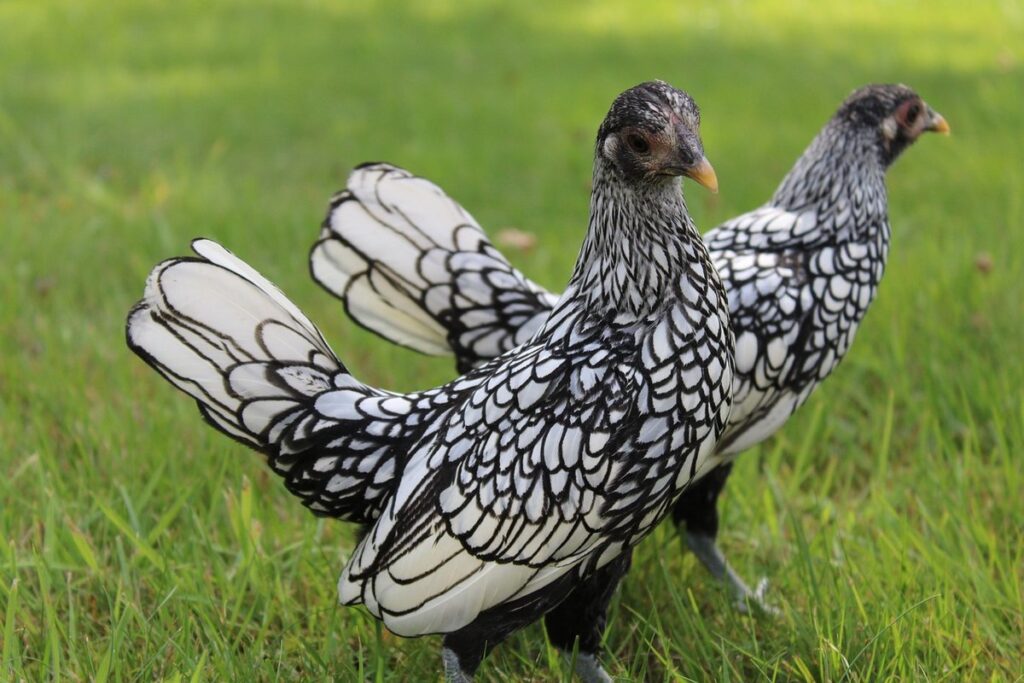
Breeding high-quality Sebright bantams requires attention to detail, patience, and a deep understanding of these charming birds’ unique characteristics. You’ve likely fallen in love with their luscious plumage, diminutive size, and affectionate nature, but successfully breeding them demands more than just admiration – it needs strategic planning and expertise. To build a thriving Sebright bantam breeding program, you’ll want to focus on selecting birds with the right temperament, making informed genetic decisions, and prioritizing health management. This is where our expert guide comes in: we’ll walk you through the essential steps of breeding high-quality Sebright bantams, from identifying top-notch stock to maintaining a healthy flock. By the end of this article, you’ll be equipped with the knowledge to confidently breed these lovely birds and enjoy the rewards of creating your own thriving Sebright bantam strain.
Choosing the Right Parents
When it comes to breeding successful Sebright Bantams, selecting the right parents is crucial. You’ll want to choose birds that excel in plumage, temperament, and overall health.
Selecting Stock for Temperament
When selecting stock for temperament, it’s essential to prioritize calmness and friendliness. A good breeding stock should be composed of birds that are confident but not aggressive. You can identify potential issues by observing how they interact with each other and with humans. For example, a bird that consistently flails its wings or exhibits loud, high-pitched screaming may indicate underlying temperament problems.
Look for characteristics such as gentle nature, curiosity, and willingness to engage in social interactions. Birds that are overly defensive or fearful may not be suitable breeding stock. A good indicator of temperament is how they respond to handling; birds that remain calm and composed during handling are more likely to pass on these traits to their offspring.
Some breeders also consider the influence of lineage on temperament. If a particular strain has a history of producing birds with excellent temperaments, it may be worth considering for your breeding program. Conversely, if you’re working with stock that’s known for its aggression or skittishness, it’s crucial to identify and cull these individuals to prevent passing on undesirable traits.
Evaluating Health and Conformation
When evaluating health and conformation in potential parent birds, it’s essential to assess their overall quality and suitability for breeding. One key factor is feather quality: a well-feathered bird with soft, fluffy plumage is more likely to pass on desirable traits to its offspring. Conversely, a bird with poor or brittle feathers may be prone to health issues.
Examine the shape and proportion of the beak as well. A symmetrical, even beak shape is crucial for proper feeding and digestion. Look for birds with a balanced body structure: long, slender necks can indicate good breeding potential, while short, stout bodies may suggest a higher risk of health problems.
Also consider the following characteristics:
- Body proportions: check that the bird’s length, wingspan, and tail length are in proportion to its overall size.
- Posture: does the bird stand upright with ease or appear slouched?
- Feathers on the face and legs: should be clean and well-maintained.
Remember, a healthy, well-conformed parent bird is more likely to produce robust offspring. When evaluating potential breeding stock, don’t just look at external appearance – consider overall health and quality for long-term success in your sebright bantam flock.
Understanding Sebright Bantam Genetics
When it comes to breeding Sebright Bantams, understanding their genetics is crucial for producing healthy and high-quality offspring. Let’s take a closer look at the complex genetic makeup of this unique breed.
Introduction to Dominant White
The dominant white coloration found in Sebright bantams is a result of a specific genetic interaction between two genes: the white gene and the sex-linked gene. The white gene, also known as the I gene, is responsible for removing pigment from the feathers, while the sex-linked gene determines whether the bird will express the white phenotype.
When a male Sebright bantam inherits one copy of the I gene, he will display the dominant white coloration. This is because males have only one X chromosome, so if they inherit even a single copy of the I gene, it will be expressed. Females, on the other hand, can be carriers of the I gene without displaying any visible signs, as long as they are heterozygous for the trait.
To breed Sebright bantams with dominant white coloration, you’ll need to select stock that carries the I gene and ensure that at least one parent is a male. If both parents are females, there’s a risk of the offspring not expressing the dominant white phenotype due to X-chromosome inheritance patterns.
The Role of Sex-Linked Genes
Sex-linked genes play a crucial role in determining plumage patterns in birds. In the context of Sebright Bantams, these genes specifically influence the production of white and black pigmentation. The sex chromosomes, X and Y, carry different versions of genes that control melanin production, which ultimately affects feather coloration.
In chickens, the gene responsible for dominant white is linked to the sex chromosome. This means that females have two copies of this gene (one on each X chromosome), while males have one copy on their single X chromosome. When a male Sebright Bantam inherits a white-producing allele from its mother, it will express dominant white plumage. However, if a female inherits two different alleles – one for white and one for black – she will display a mix of both colors.
Understanding sex-linked inheritance is essential for breeders who want to consistently produce birds with specific plumage patterns. By selecting parents that carry the desired genes, you can increase the likelihood of getting offspring with the desired coloration. For example, if you’re aiming to create a line of Sebright Bantams with solid white plumage, you should focus on breeding males that are homozygous for the dominant white gene (i.e., they have two copies of this allele).
Breeding for Quality Characteristics
When breeding Sebright Bantams, it’s crucial to focus on specific quality characteristics that will enhance their appearance and overall health. Let’s examine the key traits you should prioritize during this process.
Selecting for Desired Traits
When selecting parents for breeding, it’s essential to evaluate their feather quality, beak shape, and body proportions. For sebright bantams, a well-proportioned body is crucial, with a compact, rounded breast and deep keel. You should look for birds with a balanced structure, neither too tall nor too short.
Examine the feathers of potential breeding birds, paying attention to their texture, length, and density. A good sebright’s hackle feathers should be long, flowing, and well-set, while their saddle feathers should be rich in color and evenly spread. The beak shape is also significant, with a gently curved upper mandible and a slightly convex lower mandible.
In terms of body proportions, consider the ratio of the bird’s wings to its body length. A sebright bantam’s wings should be well-spread and long enough to support its body weight without appearing too large or cumbersome. When evaluating these traits, keep in mind that individual birds may exhibit some variation, but you’re looking for consistent excellence in each category.
To make informed decisions about your breeding stock, study the breed standard and compare your birds against it. You can also consult with experienced breeders to gain insight into their selection criteria and breeding strategies.
Creating a Breeding Program
When creating a breeding program for Sebright Bantams, it’s essential to have a clear plan and strategy in place. This involves selecting and managing breeding stock with specific traits and characteristics in mind.
Start by identifying the key qualities you want to prioritize, such as feather quality, temperament, or egg-laying ability. Then, choose parents that excel in these areas and demonstrate consistent performance. For example, select a rooster known for his striking golden feathers and pair him with a hen renowned for her friendly disposition.
Develop a breeding plan that accounts for factors like genetic diversity, lineage, and the potential health risks associated with certain lineages. This may involve creating a pedigree chart or using software to track ancestry and identify potential issues.
It’s also crucial to establish clear goals and selection criteria for your breeding program. Consider what characteristics are most important to you as a breeder, and prioritize those traits when evaluating offspring.
Raising Chicks and Managing Growth
As your chicks grow into plump, fluffy pullets, you’ll need to start thinking about their dietary needs, exercise routines, and individual personalities to ensure they thrive under your care. Proper management is key to healthy growth and development.
Nutritional Requirements
Sebright bantam chicks require a nutrient-rich diet to support their rapid growth and development. A starter mash or crumble specifically formulated for young poultry should be introduced at 1-2 weeks of age, providing around 18% protein and adequate calcium levels. As the chicks grow, gradually switch to a grower feed with reduced protein content (15-16%) by around 4-6 weeks.
Monitor chick weights to ensure they are achieving expected growth rates. A decline in weight can indicate inadequate nutrition or disease issues. Provide fresh water at all times and maintain clean feeding areas to prevent contamination. Avoid overfeeding, as this can lead to obesity and related health problems.
For optimal growth, chicks should be offered a balanced diet that includes essential vitamins and minerals. Consider adding supplements such as oyster shells for calcium or probiotics to support digestive health. However, always follow the manufacturer’s recommendations and consult with a veterinarian before introducing new feed or supplements.
Monitoring Growth and Health
Monitoring growth and health is crucial during the first few weeks of a chick’s life. You’ll want to keep an eye out for any changes in appetite, droppings, or overall demeanor. A decrease in activity level, loss of feathers, or unusual vocalizations can be indicative of illness.
Watch for signs of developmental issues, such as misshapen legs or wings, or uneven growth patterns. These can often be corrected with proper nutrition and care. Keep a close eye on individual chicks to ensure they’re receiving enough food and water, and make adjustments as needed.
Maintain accurate records of each chick’s growth and health. This will help you identify potential issues early on and make informed decisions about which birds to retain for breeding stock. A small minority of chicks may be more prone to certain health issues due to their genetic makeup, so being aware of these trends can aid in your selection process.
Some common health issues that can affect young sebright bantams include respiratory problems, Marek’s disease, and hypovitaminosis. Be prepared to take swift action if you notice any symptoms. Regularly cleaning the brooder, ensuring proper ventilation, and maintaining a clean feeding area can help prevent many of these issues from arising in the first place.
Caring for Adult Sebright Bantams
As a breeder, it’s essential to provide optimal care for your adult Sebright Bantams to ensure their health and well-being. Proper nutrition, habitat, and regular check-ups are crucial at this life stage.
Housing and Environmental Considerations
Adult Sebright Bantams require spacious and well-ventilated housing to thrive. A minimum of 2 square feet per bird is recommended for adults, with a larger area ideal for breeding stock or birds that will be shown. The coop should be designed to provide easy access to perches, roosts, and nesting boxes. Adequate ventilation is crucial to prevent ammonia buildup from droppings.
In addition to sufficient space, adult Sebright Bantams benefit from enrichment activities. Providing toys, scratching posts, and climbing structures can help reduce stress and boredom. A variety of perches and roosts allows birds to exercise their natural behavior of foraging and roosting. Consider adding a covered run or aviary to provide outdoor access and exposure to natural light.
When designing the coop or enclosure, consider factors such as ease of cleaning, predator protection, and weather resistance. Regularly inspect the housing for signs of wear and tear, making repairs promptly to prevent damage from pests or inclement weather. By providing suitable housing and environmental conditions, you can help promote the overall health and well-being of your adult Sebright Bantams.
Health Issues and Management Strategies
Sebright bantams are generally a healthy breed, but they can be prone to certain health issues. One common issue is respiratory problems, which can arise from their compact body size and short beak. Regular cleaning of the coop and providing adequate ventilation are essential management strategies to prevent respiratory issues.
Another health concern in adult Sebrights is feather pecking and related disorders. This behavior often stems from boredom or stress, so it’s crucial to provide a stimulating environment with plenty of perches, toys, and scratching posts. A balanced diet that includes essential nutrients like calcium and vitamin D is also vital for maintaining strong beak health.
In terms of specific health issues, Sebrights can be susceptible to Marek’s disease, a viral condition that affects the nervous system. To manage this risk, it’s essential to maintain good biosecurity practices, such as isolating new birds for a few weeks before introducing them to the flock and ensuring excellent hygiene in the coop.
Some breeders also report issues with obesity in adult Sebrights, which can lead to other health problems like diabetes and joint issues. Monitoring food intake and providing regular exercise through playtime or foraging activities can help prevent weight gain.
Breeding for Specific Traits
When breeding Sebright Bantams, you may want to focus on specific traits such as feather quality, beak shape, or egg-laying ability. Let’s explore how to breed for these desirable characteristics effectively.
Introduction to Breed Standard
When breeding Sebright bantams, adhering to breed standards is crucial to producing high-quality birds that meet the expectations of enthusiasts and judges alike. The breed standard for Sebright bantams outlines specific characteristics that define the breed, including size, plumage pattern, and overall appearance. One key aspect of the breed standard is the bird’s size: Sebright bantams should be compact and well-proportioned, with males weighing around 6-7 ounces (170-200g) and females weighing slightly less.
Another important characteristic is the plumage pattern. The breed standard calls for a “male” type, which features a black male-like bird with a silvery sheen on its neck and breast feathers. Females should have a similar appearance but without the silvery sheen. When selecting birds for breeding, it’s essential to choose individuals that closely adhere to these standards. This means evaluating not only their physical characteristics but also their overall quality and conformation.
In practice, this means selecting birds with well-defined head shape, straight beak, and clean legs. It’s also crucial to consider the bird’s temperament and overall health. By prioritizing breed standards and selecting for high-quality individuals, you’ll be well on your way to producing Sebright bantams that meet the expectations of breeders and enthusiasts alike.
Selecting for Unique Features
When selecting parents for breeding, it’s essential to consider unique features that contribute to the breed standard. For Sebright Bantams, these can include crested heads, barred feathers, and other distinctive characteristics.
To identify birds with desirable traits, examine their plumage, beak shape, and overall conformation. Crested heads should be well-defined and evenly proportioned to the rest of the bird’s head. Barred feathers should display a clear, even pattern without any notable irregularities.
Look for birds that exhibit these unique features consistently throughout their bodies, rather than just having them in isolated patches or areas. This will help ensure that your breeding program produces offspring with well-defined and consistent traits.
When evaluating parent stock, prioritize birds that demonstrate the specific features you’re targeting. For example, if you want to breed Sebrights with particularly striking crests, choose parents known for their impressive head tufts. Similarly, select birds with dense, evenly barred feathers if that’s the trait you’re trying to emphasize. By focusing on these key characteristics, you’ll be more likely to produce offspring that meet your breeding goals.
Conclusion and Best Practices
As you’ve reached the end of our breeding guide, let’s summarize the key takeaways and offer some practical advice to ensure your Sebright Bantams thrive.
Recap of Key Points
When breeding sebright bantams, it’s essential to recall key takeaways from our comprehensive guide. To ensure a successful breeding program, select parents with desirable temperament and evaluate their health and conformation carefully. Understanding genetics is crucial; familiarize yourself with dominant white genes and sex-linked traits to make informed decisions.
To breed for quality characteristics, create a clear breeding plan that prioritizes specific traits. This may involve selecting birds with exceptional plumage, size, or egg-laying ability. When raising chicks, monitor their nutritional intake and growth closely, adjusting feeding schedules as needed.
Caring for adult sebright bantams requires attention to housing and environmental factors, such as maintaining a clean coop and providing adequate ventilation. Be aware of potential health issues like respiratory problems and manage them promptly.
When breeding for specific traits, consider the breed standard and select birds that excel in unique features like feather quality or size consistency. By applying these key principles, you’ll be well on your way to raising high-quality sebright bantams. Remember to regularly evaluate your breeding program’s effectiveness and make adjustments as needed.
Final Tips and Recommendations
When revising and refining your breeding program, remember to regularly evaluate your progress. Monitor key metrics such as hatch rates, chick health, and adult bird quality. Use these numbers to adjust your selection process, making informed decisions about which birds to breed together.
Consider implementing a color-coded system for tracking data and identifying trends in your flock’s characteristics. This visual tool can help you quickly pinpoint areas where improvement is needed.
Another crucial aspect of maintaining a high-quality breeding program involves staying up-to-date with the latest genetic research and advancements specific to Sebright Bantams. Join breed associations or online forums to connect with other breeders, share knowledge, and stay informed about emerging trends and best practices.
When evaluating birds for breeding, prioritize those that demonstrate exceptional vigor, fertility, and overall health. Avoid inbreeding, which can lead to genetic weaknesses and decreased offspring quality. Regularly introduce new bloodlines to maintain a diverse gene pool and promote continued improvement in your flock’s characteristics.
Frequently Asked Questions
What if I already have a breeding program in place, and now I want to introduce Sebright bantams? How should I integrate them into my existing flock?
Integrating new birds into an existing flock can be challenging. To minimize stress, start by introducing the Sebrights to each other in a separate enclosure before mixing them with your main flock. Monitor their behavior and adjust accordingly. It’s also essential to maintain good health records for all birds to ensure you’re not inadvertently introducing diseases.
How do I know if my chicks are developing normally? What signs should I look out for regarding growth and potential health issues?
Monitor your chicks’ weight, feather development, and overall energy levels regularly. Watch for signs of illness or developmental issues such as lethargy, labored breathing, or unusual droppings. Keep a detailed record of each chick’s progress to identify any irregularities early on.
Can I breed Sebright bantams with other breeds to create unique hybrids? What are the potential advantages and disadvantages of doing so?
While it’s technically possible to crossbreed Sebrights with other breeds, this can lead to unpredictable results in terms of temperament, health, and overall quality. Advantages might include introducing new traits or improving certain characteristics, but the potential drawbacks far outweigh any benefits. Stick to traditional breeding practices for optimal results.
How do I balance my breeding program between selecting for desirable traits and maintaining genetic diversity? What strategies can help prevent inbreeding?
Maintaining a balanced breeding program requires careful planning and selection. Aim for a minimum of 20 birds per generation, ensuring you have enough genetic material to work with. Implement rotational mating systems or use artificial insemination to reduce the risk of inbreeding. Regularly review your flock’s pedigree to identify potential inbreeding risks.
What if I notice a significant decline in egg production among my adult Sebrights? Are there any underlying health issues that could be causing this?
A sudden drop in egg production can be caused by several factors, including nutritional deficiencies, stress, or health issues. Ensure your birds are receiving a balanced diet and have access to clean water at all times. Monitor their overall health closely, looking for signs of illness or stress such as changes in droppings, appetite, or feather condition. Consult with a veterinarian if you suspect an underlying health issue.