
Calculating wheat yield is an essential task for farmers to determine the success of their crop. However, accurate assessment can be challenging due to factors like climate change and varying management practices. You may have experienced instances where manual estimates fell short of actual yields, leading to potential losses in profit and efficiency.
In this article, we’ll explore both manual and advanced methods for calculating wheat yield, incorporating the use of technology and best management practices to optimize yields. We’ll discuss how to adapt these calculations to changing climate conditions and ensure that your assessments are reliable and accurate. By the end of this guide, you’ll be able to accurately calculate your wheat yields using a combination of manual and digital tools, enabling you to make informed decisions and maximize profits in an ever-changing agricultural landscape.
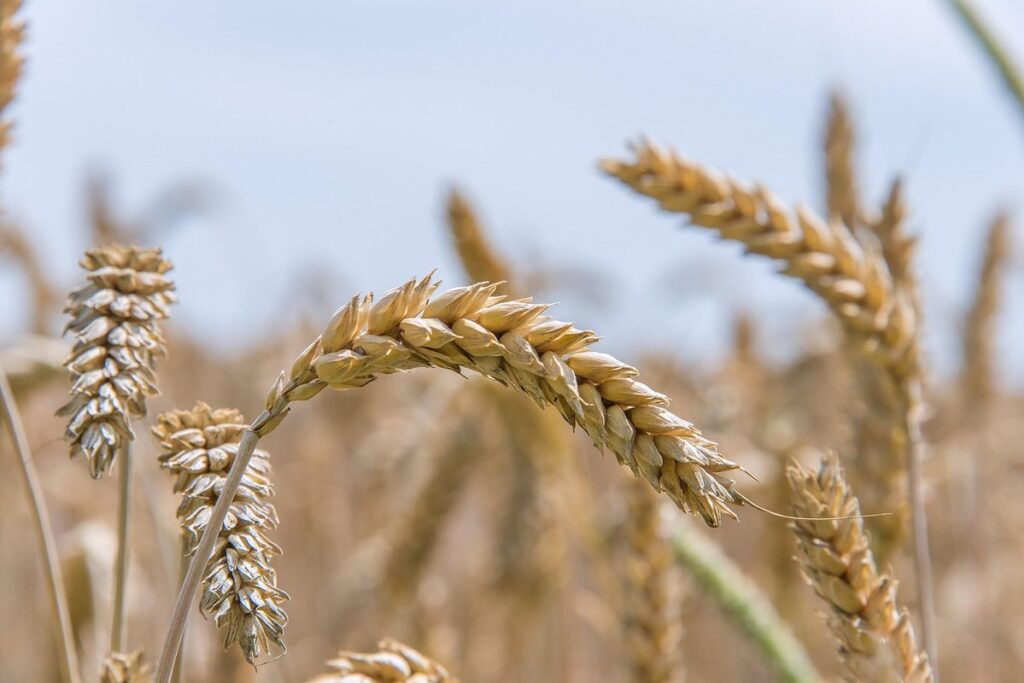
Understanding Wheat Yield Basics
Wheat yield is a critical factor in determining crop profitability, and understanding its basics will help you make informed decisions when calculating your wheat yields. Let’s break down the key concepts that underpin this calculation process.
What is Wheat Yield?
Wheat yield is a fundamental concept in agriculture, measuring the amount of grain produced per unit area. It’s crucial for farmers to understand and accurately measure wheat yield as it directly impacts their profits and operational efficiency. The definition of wheat yield involves calculating the total weight of grains harvested from a specific area, typically expressed in tons per hectare (t/ha) or bushels per acre.
Accurate measurement is essential because it allows farmers to assess the productivity of their land, identify areas for improvement, and make informed decisions about resource allocation. Inaccurate estimates can lead to inefficient use of inputs like fertilizers, pesticides, and water, ultimately affecting yield and profitability. Wheat yield is often calculated by subtracting seed weight from total grain weight, considering factors such as moisture content and harvesting efficiency.
Farmers must also account for variations in soil quality, climate conditions, and pest/disease pressures when calculating wheat yield. To minimize errors, it’s recommended to use calibrated equipment, follow standard measurement protocols, and maintain detailed records of crop development, harvesting, and post-harvest processing.
Factors Affecting Wheat Yield
Climate plays a significant role in wheat yield, with temperature and precipitation patterns affecting grain formation and growth. Soil quality is also crucial, as nutrient-deficient or waterlogged soils can lead to reduced yields. Irrigation practices must be carefully managed, as overwatering can result in crop stress while underwatering can hinder growth.
Fertilization is another critical factor, with adequate nutrient provision essential for optimal yield. However, excessive fertilizer application can contaminate soil and groundwater. Effective pest management is also vital, as even minor infestations can significantly impact yields. Crop variety selection is a key consideration, with different varieties exhibiting varying levels of disease resistance and adaptability to specific environments.
In particular, wheat varieties bred for drought tolerance or high-yielding potential may require specialized care and management practices. For example, high-yielding varieties often require more frequent irrigation and fertilization applications. In contrast, drought-tolerant varieties can benefit from reduced water and nutrient inputs, minimizing the risk of over-supplementation.
A combination of factors contributes to wheat yield, with no single element dominant. Understanding these interrelated influences is essential for optimizing yields through best management practices.
Measuring Wheat Yield: Methods and Techniques
To accurately calculate wheat yield, you need to understand the different methods and techniques used for measuring it, which is crucial for farmers and agronomists alike. We’ll cover these essential measurement approaches in this section.
Manual Yield Estimation
Manual yield estimation is a straightforward and cost-effective method for calculating wheat yields. This technique involves making observations of the crop’s growth stage, yield potential, and other relevant factors to estimate the final yield. A common approach is to use templates or spreadsheets to record and calculate these observations.
Templates can be designed to accommodate various types of data, such as weather conditions, soil moisture levels, and pest/disease presence. By inputting this information, farmers can use formulas to estimate their wheat yields based on historical averages or industry benchmarks. For example, if a farmer has 10 acres of matured wheat with an average yield potential of 50 bushels per acre, they can multiply this value by the total number of acres to arrive at a preliminary estimate.
While manual estimation offers several advantages – including low equipment costs and ease of use – it also has some limitations. These include potential errors in data recording or calculation, as well as limited precision compared to more advanced methods. Furthermore, manual estimation may not account for complex factors like soil nutrient depletion or microclimate variations.
Using Technology for Precision Agriculture
Modern technologies have revolutionized wheat yield measurement by providing farmers with precise data on crop health and productivity. Drones equipped with multispectral cameras can capture high-resolution images of fields, detecting variations in vegetation density and moisture levels that may not be visible to the naked eye. Satellite imaging technology offers a broader perspective, allowing farmers to monitor their entire field or even multiple fields at once.
These technologies enhance precision agriculture by reducing labor costs associated with manual yield estimation. They also enable farmers to make informed decisions about irrigation, fertilization, and pest control, ultimately leading to increased crop yields and reduced waste. For instance, a farmer can use drone-captured data to identify areas of the field that require additional water or nutrients.
The integration of technology into wheat yield measurement has become increasingly accessible, with many companies offering affordable and user-friendly solutions for farmers of all sizes. By leveraging these tools, growers can streamline their operations, reduce costs, and improve overall efficiency – ultimately leading to more accurate calculations of wheat yield per acre.
Calculating Wheat Yield per Acre: Formulas and Tools
To accurately calculate wheat yield, you need a solid understanding of formulas that factor in bushels per acre. Let’s break down these essential calculations together.
Basic Wheat Yield Formula
The basic wheat yield formula is a straightforward calculation that involves dividing the total grain weight by the area planted. This simple equation provides a foundational understanding of how to calculate wheat yield: Yield = Total Grain Weight / Area Planted.
To break down this formula, it’s essential to consider what constitutes the total grain weight and the area planted. The total grain weight typically includes the combined weight of all harvested grains, usually measured in units such as bushels or tons. This can be determined through various methods, including manual counting or using specialized equipment like grain moisture meters.
On the other hand, the area planted refers to the actual land used for wheat cultivation, which is often expressed in acres. To accurately calculate yield, it’s crucial to ensure that both the total grain weight and the area planted are measured consistently. This involves considering factors such as harvest efficiency and crop density, which can impact the final calculation.
When applying this basic formula, it’s essential to use precise measurements for both variables to obtain an accurate estimate of wheat yield per acre.
Advanced Formulas for Precision Estimation
When calculating wheat yield per acre using advanced formulas, you need to consider additional factors such as soil moisture levels, temperature fluctuations, and pest resistance. These complex calculations can provide more accurate estimates of yield potential but require precise data collection and analysis.
One example is the Crop Water Stress Index (CWSI) formula, which takes into account soil moisture levels and evapotranspiration rates to estimate yield potential. This method is particularly useful in areas with limited water resources or where drought stress is a concern.
Another advanced formula is the Temperature-Based Yield Model, which incorporates temperature fluctuations to predict yield potential. This method accounts for the impact of heat stress on wheat development and can help farmers optimize planting dates and irrigation strategies.
It’s essential to note that these advanced methods require specialized equipment and software, as well as extensive data collection and analysis. The benefits include more accurate yield predictions, improved resource allocation, and informed decision-making. However, the limitations lie in the need for precise data and the complexity of the calculations, which can be time-consuming and costly to implement.
Optimizing Wheat Yield through Best Management Practices (BMPs)
To maximize wheat yield, it’s crucial to implement evidence-based best management practices that address factors such as soil quality and water efficiency. Effective BMPs can significantly boost yields and reduce costs.
Crop Rotation Strategies
Rotating crops can have a significant impact on wheat yield over time. By alternating between different crop types, you can promote soil health, reduce pests and diseases, and maintain optimal fertilizer usage. This approach is especially beneficial for wheat fields, as it breaks the cycle of pathogens and pests that can accumulate in monoculture systems.
For example, planting legumes or cover crops before wheat can improve soil fertility by fixing nitrogen and reducing erosion. These legumes also attract beneficial insects that prey on pests, further reducing the need for pesticides. In contrast, continuously planting wheat without rotation can lead to a buildup of disease-causing pathogens, such as powdery mildew and fusarium head blight.
To implement effective crop rotation strategies, consider the following:
- Alternate between cereals (like wheat) and legumes or cover crops.
- Choose crops with different growth habits and nutrient requirements to minimize competition for resources.
- Consider using a 3-4 year rotation cycle to allow for adequate recovery time between crops.
- Monitor your soil’s pH levels and adjust fertilizer applications accordingly.
By incorporating crop rotation into your management practices, you can improve wheat yield over the long term while maintaining soil health.
Integrated Pest Management (IPM) Techniques
Integrated Pest Management (IPM) techniques are a crucial aspect of optimizing wheat yield. By adopting holistic approaches to pest management, farmers can minimize chemical use while maintaining high yields. Early detection and monitoring of pests are key components of IPM.
Farmers should regularly inspect their fields for signs of pests, such as aphids, whiteflies, or spider mites. This can be done through visual inspections, sticky traps, or pitfall traps. For example, in regions with cool winters, early spring growth can attract aphid populations, which can spread disease and damage wheat stalks.
When monitoring is not enough, IPM techniques involve controlling pests using a combination of methods. These include cultural controls (e.g., crop rotation, sanitation), biological controls (e.g., introducing natural predators or parasites), and chemical controls (used as a last resort). For instance, introducing beneficial insects like ladybugs or lacewings can help control aphid populations.
IPM also focuses on long-term sustainability rather than short-term gains. This means adopting practices that maintain soil health, promote biodiversity, and minimize environmental impact. By integrating IPM techniques into their management strategies, farmers can reduce the need for chemical pesticides while ensuring high wheat yields.
Managing Wheat Yield Variability: Understanding the Role of Climate Change
Wheat yield variability is a growing concern for farmers, particularly as climate change continues to impact weather patterns and growing conditions. Let’s examine how climate change affects wheat yields.
Impact of Climate Change on Wheat Yields
Rising temperatures are altering the timing and duration of wheat growth stages worldwide. In some regions, warmer temperatures are extending the growing season, but in others, heat stress is reducing yields. Altered precipitation patterns are also affecting wheat yields. Increased rainfall can lead to waterlogged soils, while droughts can reduce yields significantly.
Global studies have shown that wheat yields decline by 3-5% for every 1°C increase in temperature above 25°C. Heat stress during critical growth stages like flowering and grain filling can be particularly damaging. In the United States, for example, corn-wheat rotations are being affected by heat stress, leading to reduced yields.
Extreme weather events such as droughts, floods, and heatwaves are becoming more frequent due to climate change. These events can have long-lasting effects on wheat yields, making it challenging for farmers to adapt to changing conditions. For instance, a 2019 study found that the Australian wheat crop suffered significant losses due to severe drought.
To mitigate these impacts, farmers can use tools like satellite imaging and weather forecasting to monitor temperature and precipitation patterns. By understanding local climate trends and adapting their management practices accordingly, farmers can better manage wheat yield variability caused by climate change.
Adapting to Climate Change through Sustainable Practices
Implementing sustainable agricultural practices is crucial for mitigating the effects of climate change on wheat yields. One approach to reducing greenhouse gas emissions from agriculture is through the adoption of reduced tillage or no-till farming methods, which minimize soil disturbance and preserve organic matter. This not only sequesters carbon in the soil but also reduces the need for synthetic fertilizers and pesticides.
Water conservation is another key strategy in adapting to climate change. Drought-resistant wheat varieties can help farmers maintain yields during periods of drought. Additionally, using precision irrigation systems that take into account soil moisture levels and weather forecasts can significantly reduce water waste. For example, a study in Australia found that adopting deficit irrigation techniques reduced water usage by up to 30% without compromising wheat yields.
Soil carbon sequestration is also essential for building resilience to climate change. Practices like cover cropping, crop rotation, and incorporating organic amendments into the soil can enhance soil health and fertility while storing more carbon. For instance, a study in the United States demonstrated that switching from conventional tillage to conservation agriculture increased soil organic matter by up to 25%.
Conclusion: Implementing Wheat Yield Management Strategies
Now that you’ve calculated your wheat yield, it’s time to put these numbers into action by implementing effective management strategies for maximum return on investment. Effective planning is crucial to achieving optimal yields.
Key Takeaways from this Guide
When implementing wheat yield management strategies, it’s essential to remember that accurate yield measurement is crucial for informed decision-making. This comprehensive guide has highlighted various methods and techniques for calculating wheat yield per acre, from manual estimation to advanced formulas incorporating precision agriculture technology.
One key takeaway is the importance of adopting advanced technologies, such as drones or satellite imaging, which can enhance precision and accuracy in yield estimation. These tools enable farmers to monitor their fields more effectively, identify areas of improvement, and make data-driven decisions about crop management.
In addition to leveraging technology, sustainable practices play a critical role in optimizing wheat yields. This includes implementing crop rotation strategies, integrated pest management techniques, and adapting to climate change through sustainable practices such as conservation agriculture. By adopting these best management practices (BMPs), farmers can reduce their environmental footprint while improving wheat yields and overall farm productivity.
A 3-step approach to integrating advanced technologies into your wheat yield management strategy involves:
• Conducting a thorough assessment of your current yield measurement methods
• Selecting the most suitable technology for your operation, such as drones or satellite imaging
• Integrating data from these tools with existing farm management systems to inform decision-making
Future Directions in Wheat Yield Research
Researchers are actively exploring innovative approaches to enhance wheat yield optimization. Genetic engineering is a promising area of study, with scientists focusing on introducing drought-tolerance and disease-resistance genes into wheat crops. This could enable farmers to cultivate wheat in challenging environments, reducing crop losses and increasing yields.
Another emerging trend is the application of precision agriculture technologies, such as drones and satellite imaging, to monitor wheat growth and detect early signs of stress or disease. These tools can provide valuable insights for precision irrigation and fertilization strategies, further boosting yield potential.
In biotechnology, researchers are investigating the use of microorganisms to produce plant growth-promoting substances, which could stimulate root development and enhance nutrient uptake in wheat crops. This approach has shown promise in laboratory trials and may soon be translated into field applications.
While these breakthroughs hold great promise, their practical implementation will depend on factors such as cost-effectiveness, scalability, and regulatory frameworks. As the research landscape continues to evolve, farmers and policymakers should stay informed about emerging trends and developments in wheat yield optimization.
Frequently Asked Questions
How to scale up precision agriculture for large farms?
Precision agriculture is especially beneficial for large farms due to its ability to reduce labor costs and improve decision-making. To scale up precision agriculture, start by conducting a thorough assessment of your farm’s current operations and identifying areas where technology can be integrated. Then, prioritize the implementation of technologies such as drones or satellite imaging that best suit your specific needs.
Can I use manual yield estimation for small plots of land?
Yes, manual yield estimation is suitable for small plots of land and can be a cost-effective option for smaller-scale farmers. This method involves using templates or spreadsheets to calculate yields based on observations, which can provide an accurate estimate of wheat yield even in smaller areas.
How do I know if my farm’s climate is changing and affecting wheat yields?
Changes in temperature and precipitation patterns are often the first signs of climate change impacts on wheat yields. Monitor your farm’s weather data over time to identify any trends or anomalies that may indicate a shift in climate conditions. Additionally, consult with local experts or research institutions to understand how climate change is affecting wheat yields in your region.
What if my soil quality is poor and I’m worried it will impact wheat yield?
Poor soil quality can significantly affect wheat yield. To improve soil health, consider implementing crop rotation strategies that promote soil fertility and structure. Additionally, incorporate organic amendments such as compost or manure to enhance nutrient levels and overall soil quality.
Can I use advanced formulas for precision estimation on a small scale?
Advanced formulas that incorporate additional factors like soil moisture levels or pest resistance can be complex to implement, especially on a small scale. However, these methods can still provide valuable insights into wheat yield variability. Start by breaking down the components involved in calculating yield and identifying which factors are most relevant to your specific situation.
What if I’m struggling to implement best management practices (BMPs) due to limited resources?
Implementing BMPs requires time and resources, but their long-term benefits make them worthwhile investments. Prioritize the adoption of BMPs that align with your farm’s current operations and available resources. Consider consulting with experts or joining a community of farmers who have successfully implemented similar practices to gain practical insights and overcome challenges.
Can I use manual yield estimation in conjunction with technology?
Yes, manual yield estimation can be used in conjunction with technology to provide a more accurate picture of wheat yields. By combining the two methods, you can leverage the strengths of each approach to achieve improved results. For example, manual estimates can be validated and refined using data from precision agriculture technologies.
What are some common mistakes to avoid when implementing precision agriculture?
Some common mistakes to avoid include relying too heavily on a single technology without assessing its limitations, failing to integrate new practices into existing workflows, or neglecting the need for ongoing training and maintenance. To avoid these pitfalls, prioritize thorough planning, regular monitoring, and continuous learning to ensure successful adoption of precision agriculture.
