
Green tomatoes are often discarded or used for cooking due to their unripe state, but they’re actually packed with nutrients and can be safely consumed. The nutritional value of green tomatoes is similar to that of their red counterparts, offering a rich source of vitamins A and C, potassium, and antioxidants. However, there’s a risk of toxicity if not handled properly – the most notable concern being solanine, a naturally occurring compound found in higher concentrations in unripe fruits.
You may be wondering what makes green tomatoes safe to eat and how to incorporate them into your diet without exposing yourself to potential toxins. This article will explore the safety risks associated with eating green tomatoes and provide guidance on preparing and cooking them to maximize their nutritional benefits while minimizing the risk of solanine toxicity. By the end, you’ll understand how to safely enjoy green tomatoes as a healthy addition to your meals.
What Are Green Tomatoes?
Green tomatoes are a common sight in many gardens, but have you ever wondered what makes them different from their ripe counterparts? Let’s take a closer look at these unripe tomatoes.
Definition and Identification
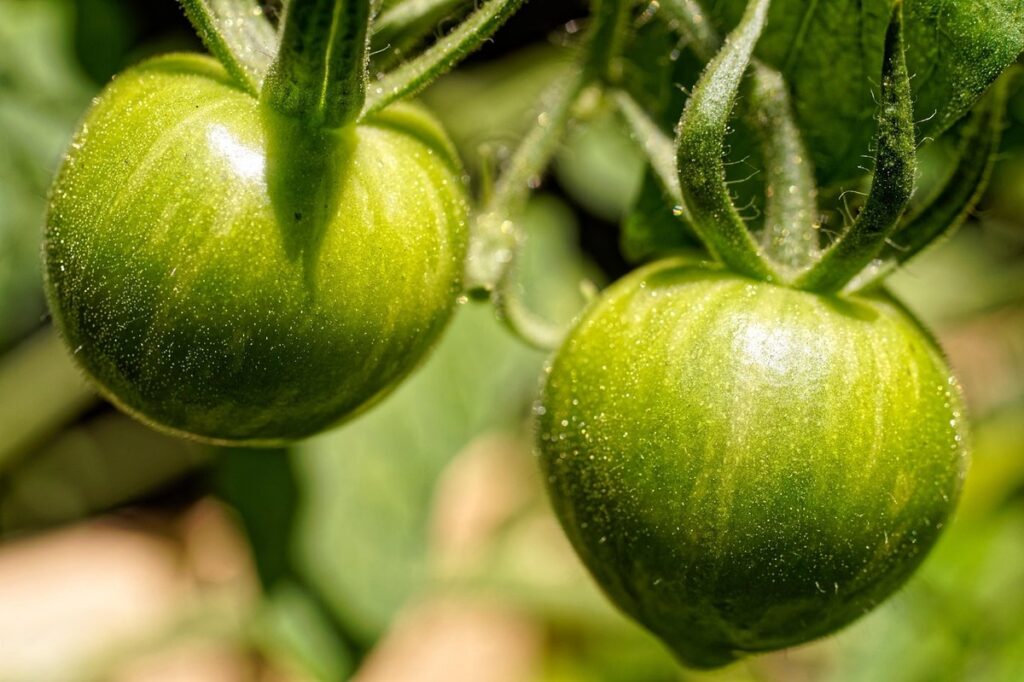
Green tomatoes are unripe or immature tomatoes that have not yet reached their full red color. They can be identified by their green skin and firm texture. To distinguish between a green tomato and an unripe one, look for the following characteristics: a slightly soft spot at the stem end and a slight give when pressed gently. These signs indicate that the tomato is still developing and has not yet reached its full sweetness.
It’s worth noting that some varieties of tomatoes are bred to stay green even when ripe, such as the Green Zebra or Emerald Isle varieties. These tomatoes have a higher acidity level than their red counterparts and can be used in recipes where a tangy flavor is desired.
When selecting green tomatoes for cooking, choose ones with firm skin and no signs of softening or mold. Avoid tomatoes with black spots or patches, as these can indicate fungal diseases that may affect the fruit’s safety. By understanding how to identify green tomatoes, you’ll be better equipped to use them in your cooking and take advantage of their unique flavor profile.
Nutritional Value of Green Tomatoes
Green tomatoes contain a similar nutrient profile to ripe tomatoes, with vitamins A and C, potassium, and fiber being among their key components. Vitamin A is essential for maintaining healthy vision, immune function, and skin health, while vitamin C plays a crucial role in the production of collagen, absorption of iron, and support of the immune system. Potassium, an electrolyte mineral, helps regulate blood pressure and supports overall cardiovascular health.
However, green tomatoes may retain higher levels of certain compounds like solanine, which is naturally present in tomato plants to protect against pests and diseases. Solanine can be toxic in high amounts, but it’s generally not a concern when consumed in small quantities as part of a balanced diet. To minimize exposure to solanine, it’s essential to handle and prepare green tomatoes carefully.
When incorporating green tomatoes into your meals, remember that their nutrient profile is similar to ripe tomatoes, making them a nutritious addition to salads, sandwiches, or sautéed dishes. Be mindful of cooking methods, as excessive heat can break down some nutrients, but gentle cooking techniques like steaming or grilling can help preserve the nutritional value of green tomatoes.
Are Green Tomatoes Safe to Eat?
When it comes to eating green tomatoes, one of the biggest concerns is their safety for human consumption. Let’s examine if these unripe fruits are toxic or not.
The Risks Associated with Eating Unripe Tomatoes
When eating green tomatoes, be aware of the potential risks associated with consuming unripe fruit. The primary concern is solanine, a compound found in many nightshade plants, including tomatoes. Solanine can cause nausea, vomiting, and diarrhea if ingested in large quantities. While moderate consumption is generally considered safe, eating excessive amounts or regularly consuming green tomatoes can lead to more severe symptoms.
The amount of solanine present in green tomatoes varies depending on factors such as the tomato variety, growing conditions, and ripeness level. Generally, unripe tomatoes contain higher levels of solanine than ripe ones. If you do choose to eat green tomatoes, it’s essential to consume them in moderation and be mindful of any symptoms that may arise.
To minimize potential risks, look for signs of over-maturity or rot when selecting green tomatoes. Avoid eating tomatoes with soft spots, mold, or a sour smell, as these can indicate high solanine levels. If you experience any adverse reactions after consuming green tomatoes, discontinue eating them and seek medical attention if symptoms persist.
Preparing Green Tomatoes for Consumption
Cooking or fermenting green tomatoes can make them safer to eat by breaking down or removing some of the toxic compounds. This process is often referred to as “destruction” rather than removal, highlighting that these methods do not simply eliminate the toxins but instead transform them into harmless substances.
For instance, cooking green tomatoes can significantly reduce the levels of solanine, a glycoalkaloid responsible for their toxicity. When cooked at high temperatures, solanine is converted into a less toxic compound called 2,4-dihydroxy-3-methyl-5-isopropylcyclohexa-1,3-butanediol (DHIC). This change occurs rapidly, typically within 30 minutes of cooking.
Fermenting green tomatoes, on the other hand, involves allowing them to break down naturally over time. The process relies on beneficial microorganisms that convert the toxins into harmless compounds, rendering the fermented product safe for consumption. When fermenting green tomatoes, it is essential to monitor their acidity levels and ensure they reach a pH level of 4.6 or lower before consuming.
Both cooking and fermentation can be effective methods for preparing green tomatoes, but it’s crucial to note that these processes do not completely eliminate all toxins. Proper preparation and cooking techniques are essential to minimize potential health risks when consuming green tomatoes.
Cooking with Green Tomatoes
Green tomatoes can be just as delicious as their ripe counterparts, and with a little creativity, you can turn them into tasty dishes that are perfect for any meal. Let’s explore some of our favorite recipes using green tomatoes.
Benefits of Using Green Tomatoes in Recipes
Green tomatoes can add a tangy flavor and texture to dishes like soups, salads, and sauces. They are also rich in antioxidants and may have anti-inflammatory properties.
When using green tomatoes in recipes, you’ll often find that they require less cooking time than their ripe counterparts. This is because the starches in green tomatoes haven’t broken down yet, making them ideal for sautéing or grilling. For example, try adding sliced green tomatoes to a pan with some olive oil, garlic, and herbs for a quick and easy side dish.
In addition to their flavor and texture, green tomatoes are also packed with nutrients like vitamin C and potassium. These antioxidants can help protect against cell damage and reduce inflammation in the body. To get the most nutritional benefits from your green tomatoes, use them raw or cook them lightly to preserve their nutrient content.
Some popular ways to incorporate green tomatoes into your meals include adding them to homemade tomato sauce for pasta, making a green tomato salsa for tacos, or using them as a topping for burgers and sandwiches. Experiment with different recipes and cooking methods to find the perfect way to enjoy your green tomatoes.
Popular Dishes Made with Green Tomatoes
Green tomatoes are incredibly versatile and can be used to make a variety of delicious dishes. One of the most popular uses for green tomatoes is in fried green tomato recipes. Sliced green tomatoes are dredged in a mixture of flour, eggs, and spices before being fried until crispy. This Southern classic is often served as a side dish or appetizer.
Another popular recipe is green tomato salsa. Green tomatoes add a tangy flavor to this fresh and spicy condiment. To make it, simply chop the green tomatoes along with some onions, jalapeños, cilantro, and lime juice. Adjust the level of heat and flavor to your liking by tweaking the amount of jalapeños or adding other ingredients.
Green tomato chutney is another tasty way to use up a batch of green tomatoes. This Indian-inspired condiment is made by cooking down the green tomatoes with some onions, ginger, garlic, and spices until it reaches a thick and tangy consistency. It’s perfect for serving alongside grilled meats or as a topping for naan bread. These are just a few examples of the many creative ways to use up green tomatoes in your kitchen.
How to Use Green Tomatoes in Your Diet
Now that you’ve learned how to spot and prepare green tomatoes, let’s explore creative ways to incorporate them into your favorite recipes. From savory sauces to crispy side dishes, the possibilities are endless.
Incorporating Green Tomatoes into Healthy Meals
Green tomatoes can be a nutritious addition to meals when used as a substitute for ripe tomatoes. One of the benefits of using green tomatoes is their low calorie count, making them an ideal choice for those looking to reduce their daily intake of calories. In fact, one medium-sized green tomato contains only 22 calories compared to its red counterpart which has around 32 calories.
Green tomatoes are also rich in fiber and antioxidants, including vitamin C and potassium. These nutrients not only provide numerous health benefits but can also enhance the flavor and texture of various dishes. To incorporate green tomatoes into healthy meals, try using them in salads, soups, or as a topping for sandwiches. You can also use them as a base for salsas, sauces, and chutneys.
Some examples of low-calorie recipes that feature green tomatoes include grilled chicken salads with sliced green tomatoes, green tomato and avocado soup, and green tomato salsa on whole-grain tortilla chips. When using green tomatoes in cooking, be sure to chop or slice them finely to release their natural sweetness and flavor. This will help you get the most out of this versatile ingredient.
Tips for Buying and Storing Green Tomatoes
When selecting green tomatoes for consumption, look for those that are heavy for their size and have a firm, smooth texture. Avoid soft or mushy fruit as it may be past its prime. Choose tomatoes with a deep green color, but avoid those with white or yellow patches, which can indicate spoilage.
To store green tomatoes properly, keep them away from direct sunlight and heat sources. Store them in a cool, dry place like the pantry or cupboard. Do not refrigerate green tomatoes as the cold temperature can cause damage to the fruit. Instead, maintain a consistent room temperature between 50°F to 60°F (10°C to 15°C).
To extend their shelf life, store green tomatoes stem-side down on a tray or plate. This prevents moisture from accumulating in the stems and promotes even ripening. Green tomatoes typically last for up to two weeks when stored properly.
Before using green tomatoes, inspect them regularly for signs of spoilage. If you notice any soft spots, mold, or an off smell, discard the fruit immediately. Regularly check on your stored green tomatoes and use them before they become overripe or spoiled.
The Benefits of Eating Unripe Produce
Eating unripe produce may seem counterintuitive, but it can have several surprising health benefits and culinary uses that are worth exploring further. Let’s take a closer look at some of these advantages.
Why Choose Unripe Fruits and Vegetables?
Eating unripe produce like green tomatoes can be a cost-effective way to reduce food waste and access more nutrients. When fruits and vegetables are left on the vine too long, they often become overripe and discarded. This not only contributes to unnecessary waste but also means that valuable nutrients are lost.
Choosing unripe fruits and vegetables, on the other hand, allows you to enjoy these nutritious foods before they spoil. Green tomatoes, in particular, can be picked when still green and firm, then used in a variety of recipes or eaten raw. This approach not only reduces food waste but also supports sustainable agriculture practices by making use of every stage of the plant’s growth cycle.
In addition to reducing waste and promoting sustainability, eating unripe produce can also provide a more cost-effective way to access fresh fruits and vegetables. By selecting produce that is still in its early stages of ripeness, you can often find it at a lower price point than fully ripe options. This makes it easier to incorporate healthy, nutritious foods into your diet without breaking the bank.
How to Grow Your Own Green Tomatoes
When growing your own green tomatoes, start by selecting a variety specifically bred for its ability to ripen slowly or not at all. These varieties typically require less sunlight and have a higher acidity level than regular tomato plants.
Choose a location with full sun, but also consider providing some afternoon shade to prevent scorching of the leaves. Green tomatoes prefer well-draining soil that’s rich in organic matter; add compost or well-rotted manure to improve soil quality.
Water your green tomato plants regularly, but avoid overwatering, which can lead to fungal diseases and root rot. Aim for about 1 inch of water per week, either from rain or irrigation. Mulch around the base of the plant to retain moisture and suppress weeds.
In terms of specific care, green tomatoes typically require less pruning than regular tomatoes, as they’re often grown for their unripe fruit rather than their appearance. However, remove any weak or spindly growth to promote healthy stem development.
Precautions When Consuming Unripe Tomatoes
While green tomatoes can be a tasty and nutritious snack, there are some crucial considerations to keep in mind before taking a bite. We’ll cover some essential safety precautions to ensure you enjoy them safely.
Understanding the Risks of Eating Green Tomatoes
While eating small amounts of green tomatoes is generally considered safe, consuming large quantities can be toxic. The primary risk associated with eating unripe produce like green tomatoes lies in their high concentration of solanine, a naturally occurring compound that serves as a defense mechanism against insects and diseases.
Eating excessive amounts of solanine can cause symptoms such as nausea, vomiting, and stomach cramps. In severe cases, it may lead to more serious health issues, including headaches, dizziness, and even kidney damage. It’s essential to understand the risks associated with eating unripe produce to avoid any potential harm.
To put this into perspective, a small green tomato typically contains around 0.2-1.5 milligrams of solanine per gram of fresh weight. While this amount is unlikely to cause significant harm when consumed in moderation, eating multiple green tomatoes or consuming large quantities can lead to toxic levels of solanine accumulation in the body.
When handling and preparing green tomatoes, it’s crucial to exercise caution and follow proper food safety guidelines to minimize the risk of solanine poisoning. This includes washing the tomatoes thoroughly, cooking them until they’re soft and tender, and avoiding eating excessive amounts at one time.
What to Do If You Experience Symptoms After Eating Green Tomatoes
If you experience symptoms after eating green tomatoes, it’s essential to identify them as solanine poisoning. Solanine is a naturally occurring chemical found in unripe tomatoes, and consuming it can lead to nausea, vomiting, diarrhea, stomach cramps, and headache. In severe cases, it can also cause fever, dizziness, and even heart palpitations.
The symptoms typically begin within 24 hours of consumption and can last anywhere from a few days to a week. If you suspect solanine poisoning, drink plenty of water to stay hydrated and rest as much as possible. Avoid eating solid foods until your symptoms subside, but if they worsen or persist, seek medical attention.
It’s also crucial to note that some people are more susceptible to solanine toxicity than others, particularly children, pregnant women, and individuals with compromised immune systems. If you belong to any of these groups or have a history of food allergies, it’s best to err on the side of caution and avoid eating green tomatoes altogether.
To prevent future incidents, be aware of the tomato’s ripeness before consumption. A ripe tomato will be slightly soft to the touch and have a more vibrant color than its unripe counterpart.
Frequently Asked Questions
We’ve got some common questions about green tomatoes that we’re happy to address, so let’s get started on clearing up any confusion. Below are answers to frequently asked questions about eating green tomatoes safely and effectively.
Q: Can I eat all types of green tomatoes?
Not all types of green tomatoes are created equal when it comes to consumption. The Roma tomato is a notable example of a variety that contains higher levels of solanine, a naturally occurring compound that can be toxic in large amounts. This is particularly relevant for those who plan to eat green tomatoes regularly or in substantial quantities.
To put this into perspective, some other varieties like the Beefsteak and Cherry Tomatoes tend to have lower solanine levels. However, it’s essential to note that even within these varieties, individual plants can vary in their solanine content.
If you’re planning to incorporate green tomatoes into your diet, research the specific variety you’re working with to understand its potential solanine levels. While some green tomatoes are safe to eat and may be considered a nutritious addition to meals, it’s crucial to prioritize caution when consuming those that contain higher amounts of solanine.
Q: How long do I need to cook green tomatoes before they’re safe to eat?
When cooking green tomatoes, it’s essential to understand that cooking times can vary greatly depending on the recipe and method used. If you’re looking for a general guideline, aiming to cook green tomatoes for at least 15-20 minutes can help break down some of the toxic compounds present in unripe tomatoes.
This extended cooking time is crucial because green tomatoes contain higher levels of solanine, a naturally occurring compound that can be toxic in large amounts. Solanine is usually found on the skin and in the leaves of the tomato plant, but it’s also present to some extent in the fruit itself. Cooking the tomatoes for an adequate amount of time helps to reduce the solanine content, making them safer to eat.
It’s worth noting that different cooking methods can affect the breakdown of solanine. For example, boiling or steaming green tomatoes may not be as effective as sautéing or roasting them, which can help break down more of the toxic compounds.
Q: Can I grow my own green tomatoes indoors?
To grow green tomatoes indoors, you’ll need a controlled environment that meets their specific requirements. A greenhouse or indoor gardening setup can provide the necessary conditions for optimal growth. Green tomatoes require a consistent temperature between 65°F to 70°F (18°C to 21°C) and high humidity levels, typically above 50%. They also need ample light, but direct sunlight can be intense, so consider using grow lights to supplement natural light.
When choosing a location for your indoor garden, ensure it receives bright, indirect light. A south-facing window or a spot near an east- or west-facing window is ideal. Avoid placing the garden in a spot with low light, as this can lead to weak and spindly growth.
To promote healthy growth, maintain good air circulation around the plants by leaving enough space between each one. This will also help prevent fungal diseases that thrive in humid environments. With proper care and attention, you can successfully grow green tomatoes indoors, even during the off-season or when outdoor growing conditions are unfavorable.
Frequently Asked Questions
What If I’m Not Sure If My Green Tomatoes Are Safe to Eat?
Yes, it’s always better to err on the side of caution and avoid eating green tomatoes if you’re unsure about their safety. Check for any signs of mold or rot, and consider cooking them thoroughly before consumption.
Can I Use Green Tomatoes in Place of Ripe Tomatoes in All Recipes?
While green tomatoes can be a great low-calorie substitute for ripe tomatoes in many recipes, it’s not always possible to swap them directly due to differences in texture and flavor. You may need to adjust seasoning or cooking times accordingly.
How Can I Store Green Tomatoes to Keep Them Fresh for Longer?
To keep green tomatoes fresh, store them at room temperature until they’re ripe, then refrigerate them to slow down the ripening process. Avoid storing them near heat sources or direct sunlight.
What If I Experience Symptoms After Eating Green Tomatoes and It’s Not a Small Amount?
If you’ve consumed a large quantity of green tomatoes and experience symptoms like nausea, vomiting, or diarrhea, seek medical attention immediately. Solanine poisoning can be serious in high doses, so it’s essential to take prompt action if you suspect overconsumption.
Can I Use Green Tomatoes for Making Sauces and Preserves?
Yes, green tomatoes are perfect for making tangy sauces and preserves due to their high acidity level. Simply cook them down with some onions and spices, or follow a tested recipe for canning or freezing.

