
Cucumber plants require careful planning, especially when it comes to timing. In regions with warm climates, gardeners often assume they can plant cucumber seeds anytime, but this assumption can lead to poor yields or even complete crop failure. On the other hand, in cooler temperate zones, waiting for the right moment to plant cucumbers is crucial to avoid frost damage and ensure a healthy harvest. You’ll need to consider your region’s climate, soil quality, and pest control measures when deciding when to plant cucumbers. This article will provide expert tips on timing, including how to determine your last frost date and choose the right variety for your specific climate zone. By the end of this guide, you’ll know exactly when to plant cucumbers in your region for a bountiful harvest.
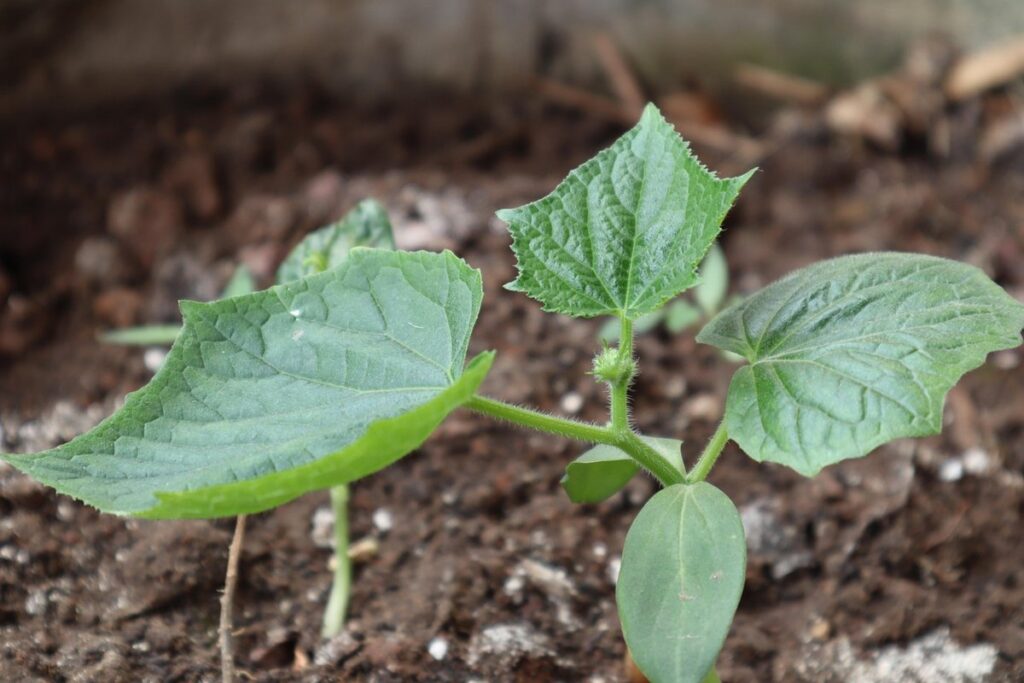
Choosing the Right Time to Plant Cucumbers
When planting cucumbers, timing is everything, and choosing the right season can make all the difference for a bountiful harvest. The ideal planting time varies depending on your location.
Understanding the Importance of Timing
Planting cucumbers at the right time is crucial to ensure optimal fruit production. Cucumbers are a warm-season crop and thrive in temperatures above 60°F (15°C). Plant them too early, when it’s still chilly, and they may not produce much fruit or will be susceptible to frost damage. Conversely, if you plant cucumbers too late, the hot summer sun can cause them to bolt, reducing their yield.
The timing of planting also affects a cucumber plant’s growth rate. If planted at the wrong time, it may take longer for the plant to mature, which increases its susceptibility to pests and diseases. For example, if you plant cucumbers in early spring when soil temperatures are still cool, they may be more vulnerable to fungal diseases that thrive in moist conditions.
To maximize your cucumber crop’s potential, consider planting them when soil temperatures reach at least 60°F (15°C). This allows the seeds to germinate and grow without being stressed by extreme temperatures. Keep an eye on weather forecasts and adjust your planting schedule accordingly.
Determining Your Last Frost Date
To determine your last frost date, you can consult a reliable weather source such as the National Weather Service or a local nursery. Websites like Old Farmer’s Almanac and USDA Plant Hardiness Zone Map also provide valuable information on average frost dates for specific regions. You should also consider checking with your neighbors or local gardening community to see if they have any knowledge about past frost patterns in your area.
Knowing your last frost date is crucial because it indicates when the soil has warmed up enough for cucumber seeds to germinate and grow without being damaged by frost. Cucumber plants are sensitive to frost, and temperatures below 40°F can cause significant damage or kill the seedlings. Typically, cucumbers need at least 60 days of frost-free weather before they’re ready for harvest.
If your area experiences late frosts, it may be necessary to start cucumber seeds indoors a few weeks earlier than usual and then transplant them outside when the danger of frost has passed. This can help ensure that your cucumber plants have enough time to mature before the first fall frost arrives.
Planting Cucumbers in Different Regions and Climates
Cucumber cultivation varies greatly depending on your location, from coastal regions to mountainous areas. Let’s break down the specific planting requirements for different climates and regions.
Planting in Warm and Tropical Climates
In warm and tropical climates, cucumbers are a staple crop, but they require special care to thrive. The key challenge is avoiding overwatering, which can lead to root rot and other diseases. To prevent this, plant cucumber seeds 1-2 inches deeper than usual, allowing the soil to dry slightly between waterings. This helps the roots grow downwards, reducing the risk of fungal infections.
Another critical consideration in warm climates is pest management. Aphids and whiteflies are common pests that can decimate a cucumber crop. To control these pests, introduce natural predators like ladybugs or lacewings into your garden. You can also use neem oil or insecticidal soap to repel aphids and other soft-bodied insects.
When selecting cucumber varieties for warm climates, choose heat-tolerant and disease-resistant options like ‘Suyo’ or ‘Tatsoi’. These varieties are bred specifically for tropical conditions and will perform better in high temperatures. Additionally, consider using raised beds or containers with good drainage to prevent waterlogged soil and reduce the risk of pest infestations.
Planting in Cool and Temperate Climates
In cool and temperate climates, cucumbers face unique challenges. The temperature fluctuations can slow down growth, and the risk of fungal diseases like powdery mildew increases with cooler temperatures. To combat these issues, it’s essential to prepare the soil properly.
When selecting a variety for cool climates, look for disease-resistant options like ‘Marketmore’ or ‘Slicing’. These varieties are bred to perform well in temperate regions and can tolerate some frost. In areas where spring frosts are common, consider using row covers to protect young plants from damage.
Before planting, make sure the soil is warm enough by waiting until it reaches at least 60°F (15°C). Add a layer of compost or well-rotted manure to improve drainage and fertility. Avoid overwatering, as this can exacerbate disease problems. By taking these precautions, you can enjoy a successful cucumber crop even in cooler climates.
For added protection against disease, use row covers from the moment the seedlings emerge until they reach about 6 inches tall. These lightweight fabrics allow light and water to reach the plants while keeping pests and diseases at bay.
Considerations for Starting Cucumber Seeds Indoors
If you’re planning to start your cucumber seeds indoors, consider factors like temperature, lighting, and potting mix to ensure healthy seedlings. Proper indoor care sets the stage for successful transplants later on.
Preparing Soil and Containers
Before sowing cucumber seeds indoors, it’s crucial to prepare the soil and containers they’ll be growing in. Good drainage is essential for healthy root growth, so ensure your containers have holes in the bottom or sides to prevent waterlogged soil. A well-draining potting mix can also help prevent this issue.
When selecting a container, consider its size and material. Cucumbers are a vining crop that spread out as they grow, so choose a container that’s at least 5-7 gallons in size. Avoid using small or shallow containers, as the roots may become waterlogged or constricted. For indoor growing, plastic or ceramic containers work well due to their ability to retain moisture.
Adequate light is also vital for cucumber seed germination and growth. Most cucumbers require at least 12-14 hours of direct sunlight per day. If you’re using grow lights, position them about 6-8 inches above the soil surface to promote healthy growth. Make sure the light source isn’t too intense, as this can cause the plants to become scorched.
In a 5-step checklist, ensure your containers are ready for cucumber seeds:
- Choose a container with good drainage.
- Select a well-draining potting mix.
- Ensure the container is large enough (at least 5-7 gallons).
- Position grow lights at an optimal distance.
- Use a light source that’s not too intense.
Providing the Right Conditions for Germination
Cucumber seeds typically require a warm temperature between 70°F to 85°F (21°C to 30°C) for germination. Avoid placing them near drafty windows or air conditioning vents, as sudden drops in temperature can hinder the process. Maintain high humidity by covering the container with plastic wrap or a clear lid. A consistent moisture level will help prevent the seed coat from drying out and cracking.
For optimal light conditions, provide indirect sunlight for 12 to 14 hours per day. Avoid direct exposure to intense sunlight, which can cause overheating and scorching of young seedlings. If you’re using grow lights, choose a spectrum that’s specifically designed for seed germination, as it will promote healthy growth.
Monitor your seeds’ progress by checking for the first signs of radicle emergence (the primary root) after 3-5 days. Make sure the soil is consistently moist but not waterlogged, and gently mist with water if necessary. If you’re using a heating mat or warm location, ensure it’s set to a moderate temperature that won’t cause scorching.
A well-ventilated area can help regulate temperature fluctuations and maintain optimal humidity levels. This will create an ideal environment for cucumber seeds to germinate successfully.
Hardening Off Cucumber Seedlings
Before transplanting cucumber seedlings outside, it’s crucial to harden them off gradually to ensure a smooth transition from indoor conditions to outdoor climate. This process typically takes 7-10 days of careful acclimation.
Understanding the Importance of Acclimation
Hardening off cucumber seedlings is crucial to prevent shock when they’re transferred from a controlled indoor environment to the outdoor weather. When seedlings are suddenly exposed to direct sunlight, strong winds, and temperature fluctuations, it can cause them to become stressed, leading to weakened growth and increased susceptibility to pests and diseases.
This stress can manifest in several ways, including stunted growth, yellowing leaves, or even a complete collapse of the plant’s delicate root system. By gradually acclimating seedlings to outdoor conditions over the course of 7-10 days, you can help them develop the resilience they need to thrive in their new environment.
During this process, it’s essential to monitor your seedlings’ response to increasing light and wind exposure. Start by moving them to a shaded area outdoors for a few hours a day, then gradually increase their time spent in direct sunlight over several days. Keep an eye out for signs of stress, such as wilting or scorching leaves, and adjust the acclimation process accordingly. By taking this crucial step, you’ll be giving your cucumber seedlings the best chance to grow into strong, healthy plants that can produce bountiful harvests.
Tips for Gradual Exposure to Outdoor Conditions
Start by moving seedlings outdoors on a cloudy day, allowing them to adjust to outdoor conditions gradually. Begin with 1-2 hours of direct sunlight and increase exposure over the next few days. Monitor seedlings for signs of stress, such as yellowing leaves or droopy stems.
Watch for heat stress during warm weather: if temperature exceeds 85°F (30°C), bring seedlings back indoors or provide shade using a sheer curtain or umbrella. Use this opportunity to inspect the seedlings’ roots; if they appear waterlogged, consider repotting in fresh potting mix.
When introducing seedlings to wind, start with gentle breezes and increase gradually. Avoid exposing them to harsh winds, which can cause damage or even uproot young plants. Keep an eye out for pests that may be attracted to the increased exposure, such as aphids or whiteflies.
Begin hardening off cucumber seedlings 7-10 days before transplanting them outdoors, allowing for a gradual transition from indoor conditions. This timeline helps prevent shock and promotes healthy growth in your garden.
Planting Cucumbers in Containers and Greenhouses
If you’re planning to grow cucumbers in containers or greenhouses, choosing the right time for planting is crucial for a bountiful harvest. This section will provide guidance on how to plant and care for your container-grown or greenhouse cucumber crop.
Selecting the Right Variety for Container Growing
When growing cucumbers in containers, selecting the right variety is crucial. Compact or bush-type varieties are ideal for container growing because they have a smaller root system and produce fewer vines, making them easier to manage. These types of plants thrive in smaller spaces and can be supported by a trellis or cage.
Some popular compact cucumber varieties include ‘Bush Pickle’, ‘Salad Bush’, and ‘Marketmore Bush’. These varieties are bred specifically for container growing and produce high yields in small spaces. When choosing a variety, consider the size of your container and the amount of space you have available.
Before selecting a variety, also think about the mature plant size to ensure it fits within your container’s dimensions. Keep in mind that compact varieties may still require some support as they grow. A general rule of thumb is to choose a container that is at least 6-8 inches deep and has good drainage to accommodate the root system.
In addition, consider the fruiting habit of the variety – some cucumbers are bred for their high yields, while others produce smaller but more flavorful fruits.
Optimizing Growth in Greenhouse Environments
Greenhouses provide a controlled environment ideal for cucumber growth. However, to maximize yields, growers must fine-tune conditions within these structures. Temperature control is crucial; most varieties thrive between 65°F and 75°F (18°C and 24°C), while temperatures above 80°F (27°C) can lead to fungal diseases.
Maintaining optimal humidity levels is also essential. High humidity can promote the spread of disease, whereas low humidity can cause stress. Aim for a relative humidity of 40-60%. Regularly monitoring temperature and humidity levels will help you make adjustments as needed.
Pruning techniques are another vital aspect of greenhouse cucumber cultivation. Remove lower leaves to prevent fungal diseases from spreading. Train the plants to grow up trellises or other supports using twine or clips. This not only keeps the fruit off the ground but also promotes air circulation and reduces disease risk.
In addition, ensure adequate light penetration by pruning around the perimeter of the greenhouse. Leave enough space between plants for proper air circulation – typically 12-18 inches (30-45 cm) apart for indeterminate varieties. By paying close attention to these variables, you can create an optimal environment for your cucumbers to grow and thrive in a greenhouse setting.
Frequently Asked Questions
Can I Plant Cucumbers in a Greenhouse Year-Round?
Yes, with proper temperature control and humidity management, you can grow cucumbers in a greenhouse throughout the year. However, be aware that pests like whiteflies and aphids may still thrive indoors if not properly controlled.
How Do I Know If My Cucumber Seedlings Are Getting Enough Light Indoors?
Cucumber seedlings typically require 12-14 hours of light per day to grow well indoors. Monitor your plants’ growth and adjust the lighting schedule accordingly. If you’re using LED grow lights, ensure they are at a safe distance from the leaves to prevent burning.
What If I Accidentally Plant Cucumbers Too Early or Late in My Region?
If you plant cucumbers too early, they may be susceptible to frost damage or slow growth. If planted too late, they might not have enough time to mature before the first frost. In both cases, start again with a new crop at the optimal planting time for your region.
Can I Use Row Covers to Protect Cucumbers from Pests in Temperate Climates?
Yes, row covers can be an effective way to protect cucumbers from pests like aphids and whiteflies in temperate climates. Apply the cover early in the season before pests become a problem, and ensure it’s securely fastened to prevent damage from wind.
How Do I Choose Between Direct Sowing and Starting Seeds Indoors for My Cucumber Crop?
Consider factors like soil quality, weather conditions, and the specific variety of cucumber you’re growing. If your soil is poor or prone to pests, starting seeds indoors may be a better option. If you have ideal outdoor conditions, direct sowing can be more efficient.
