If you’re looking for a chicken breed that can provide you with a steady supply of eggs, you might want to consider raising Leghorns. These birds have been a popular choice among backyard farmers and homesteaders for their exceptional egg-laying abilities. Originating from Italy in the 19th century, Leghorns are known for their high production levels, with some hens laying up to 300 eggs per year. But what makes them so successful? Their characteristics, such as a lean build, active nature, and cold hardiness, make them well-suited to many climates and living situations. In this article, we’ll explore the origins of Leghorns, their benefits for backyard chicken keepers, and provide guidance on how to care for these popular birds so you can reap the rewards of exceptional egg-laying abilities.
History and Origin of Leghorns
The Leghorn breed has a rich history that dates back thousands of years, originating from Italy where they were prized for their exceptional egg-laying abilities. Let’s take a look at how this iconic breed came to be.
Origins in Italy
In the late 19th century, Italian breeders focused on developing a chicken breed specifically for its egg-laying abilities. The Leghorn’s origins are tied to the Tuscany region, where it was highly valued by farmers and backyard enthusiasts alike. At that time, most chickens produced relatively few eggs, but the Italians were determined to create a bird that could meet the demand for fresh eggs in urban areas.
To achieve this goal, breeders selectively bred birds with high egg production potential from various chicken breeds native to Italy. They crossed these birds with other stock, introducing desirable traits such as large ovaries and efficient egg-laying systems. This selective breeding led to the development of a distinct breed that produced an impressive number of eggs compared to its contemporaries.
Tuscan farmers prized their new Leghorn chickens for their high productivity, which allowed them to meet the growing demand for fresh eggs in cities like Florence and Rome. Over time, the Leghorn’s reputation as a prolific egg layer spread throughout Italy, setting the stage for its eventual introduction to other parts of Europe and eventually, North America.
Early Introduction to the US
In the early 20th century, Italian Leghorns made their way across the Atlantic Ocean and into American poultry farms. This marked a significant turning point for the breed’s popularity in the United States. At first, they were met with skepticism by some farmers due to their unfamiliarity with the Italian imports. However, it didn’t take long for their exceptional egg-laying abilities to win over the hearts of many.
Leghorns quickly adapted to American farming practices, thriving in the country’s climate and soil conditions. Their high productivity and ability to lay large numbers of eggs per year made them a valuable asset to many farmers. As their popularity grew, so did their use as commercial egg producers. Leghorns were often kept on larger farms where they could be bred specifically for their egg-laying abilities.
Farmers in the US began to take note of the breed’s unique characteristics, such as its small size and light weight, which made it easy to handle and transport. They also recognized the importance of proper care and management in maintaining the breed’s exceptional productivity. By understanding the specific needs of Leghorns, farmers could maximize their egg production and profitability.
Characteristics and Traits
Leghorns are known for their distinct personality, so let’s take a closer look at what makes these birds tick, from friendly to feisty.
Physical Characteristics
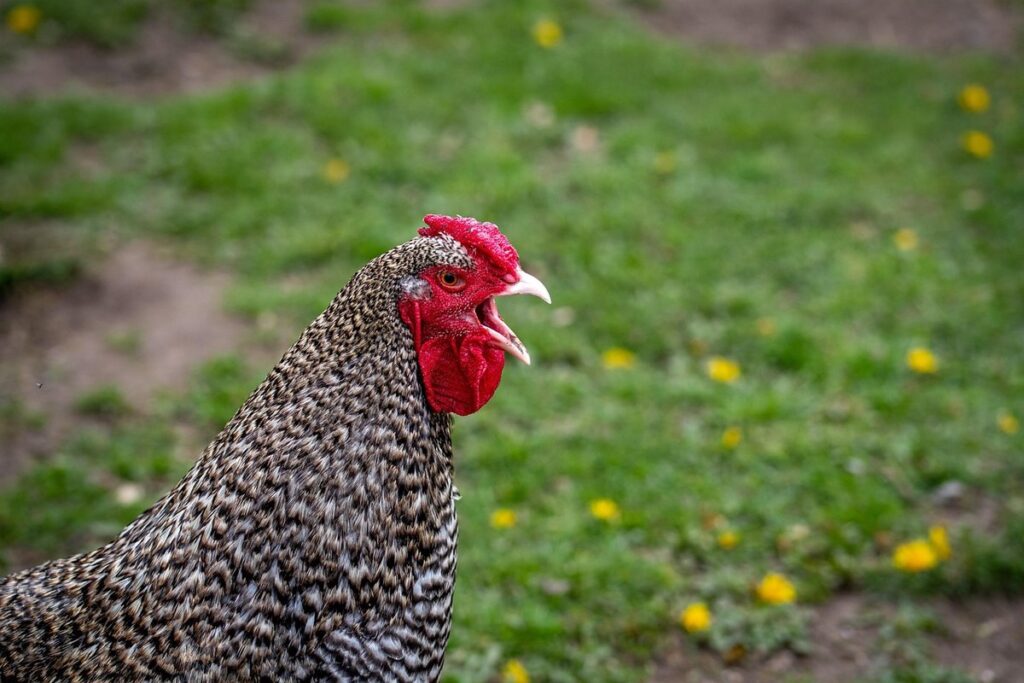
Leghorns are a medium-sized chicken breed, with roosters typically weighing between 4 and 5 pounds and hens around 3.5 to 4 pounds. Their slender build and long legs make them appear taller than they actually are. One of the most distinctive physical characteristics of Leghorns is their crestless head and beak shape – their beaks are straight, medium-sized, and relatively hard.
In terms of plumage, Leghorns have a clean and smooth appearance, with a glossy sheen to their feathers. They come in a variety of colors, including white, brown, black, and speckled, but the most common color is white. The feathers on their backs and wings are typically longer than those on their bellies, giving them a slightly ruffled appearance.
When considering purchasing Leghorns for your flock, it’s essential to look for birds with good posture, as this indicates overall health and well-being. You should also check for any signs of molting or stress, which can affect their plumage and behavior. A healthy Leghorn will have shiny feathers, bright eyes, and a lively demeanor, making them a pleasure to keep in your backyard flock.
Temperament and Behavior
Leghorns are renowned for their friendly and docile nature, making them an excellent choice for backyard flocks and commercial farms alike. In fact, many breeders and owners describe Leghorns as “chicken lovers” due to their affectionate and social behavior.
When interacting with humans, Leghorns tend to be curious and outgoing, often seeking attention and interaction from their keepers. They’re not typically skittish or flighty, which makes them relatively easy to handle, even for inexperienced chicken owners. This friendly nature also extends to other birds, although it’s worth noting that Leghorns can be a bit dominant in multi-breed flocks.
When introducing new birds to the flock, consider pairing Leghorns with calm and gentle breeds like Orpingtons or Plymouth Rock. This will help them feel more secure and reduce aggression towards other birds. With proper socialization and handling from an early age, Leghorns can thrive in a variety of settings, from small backyard coops to large commercial farms.
Some breeders even use Leghorns as “teachers” for young chickens, leveraging their friendly nature to help new birds learn important flock dynamics and social skills. By understanding and appreciating the temperament and behavior of Leghorns, you can create a harmonious and thriving chicken community in your backyard or on your farm.
Raising and Care
To raise happy and healthy Leghorn chickens, you’ll need to focus on providing them with proper nutrition, a safe living space, and regular care. Let’s cover some essential tips for raising your flock.
Housing and Nutrition
Leghorns require a spacious coop to accommodate their active nature. A minimum of 3-4 square feet per bird is recommended, but more space can be beneficial for egg production and overall health. The coop should have adequate ventilation, easy access for cleaning, and protection from predators. Leghorns are also sensitive to drafts, so ensure the coop is well-insulated.
When it comes to feed type, Leghorns are considered light-to-medium weight birds and require a balanced diet that includes protein-rich grains such as oats or barley. A good quality layer feed with around 16-18% protein content should be provided from day one until they reach maturity at approximately 20 weeks. You can also supplement their diet with fruits, vegetables, and mealworms to provide essential vitamins and minerals.
A clean and reliable water source is crucial for Leghorns’ health. Ensure the watering system is easy to clean and maintain, and change the water frequently to prevent bacterial growth. A general rule of thumb is to provide one gallon of water per bird per day. Keep in mind that Leghorns are prone to kidney stones if their diet lacks sufficient calcium, so ensure their feed contains adequate levels of this essential nutrient.
Health Considerations
Leghorns are generally a hardy breed, but they can be prone to certain health issues. One common problem is Marek’s disease, a viral condition that affects the nervous system and can lead to paralysis or death. To prevent this, keep your flock up-to-date on vaccinations and maintain good biosecurity practices.
Another issue Leghorns may face is respiratory problems, often caused by dust and ammonia buildup in their coop. Make sure the ventilation is adequate, and consider using a HEPA air filter to reduce particulate matter. You can also add a layer of calcium carbonate or diatomaceous earth to your bedding material to help absorb odors.
Leghorns are also prone to vent gleet, an infection that causes inflammation in the vent area. This can be prevented by keeping their coop clean and dry, making sure they have access to fresh water, and providing a balanced diet rich in fiber and protein.
In addition to these issues, Leghorns may experience heat stress during hot weather, so make sure they have plenty of shade and access to cool water. Regularly inspect your flock for signs of illness or distress, and consult with a veterinarian if you notice any unusual behavior or symptoms.
Breeding and Genetics
The Leghorn breed’s impressive egg-laying abilities are largely due to its unique genetic makeup, which we’ll explore next. Let’s take a closer look at what makes this breed so successful from a breeding and genetics perspective.
Breeding Objectives
Leghorns are bred primarily for their egg-laying abilities, and breeders prioritize selecting birds with high egg production. This involves evaluating individual hens’ annual egg production, as well as their rate of lay, or how many eggs they produce per year relative to their age. A Leghorn’s growth rate is also a consideration, particularly in young chicks: those that grow more quickly may be selected for breeding because they can mature and start laying earlier.
To achieve optimal performance, breeders often use a combination of selection methods. One key approach is to identify the most productive birds within each flock and breed them with other high-egg-laying birds. This process allows breeders to concentrate desirable traits in their stock, but it’s essential to avoid over-selecting for one trait at the expense of others.
In practice, this means evaluating a bird’s overall health, vigor, and temperament alongside its egg production and growth rate. For example, you might look for hens that consistently produce 280-300 large white eggs per year, have a good body condition score, and show no signs of stress or disease.
Genetic Considerations
Leghorns are known for their high fertility rates, making them a popular choice among backyard chicken enthusiasts. However, breeders should be aware of several genetic considerations when developing breeding programs.
One key consideration is fertility. Leghorns are prone to reduced fertility as they age, and this can impact the overall success of a breeding program. Breeders should select birds that show high fertility rates in their early years and focus on preserving these traits through selective breeding.
Another important factor is egg size and quality. Leghorns are bred for large eggs, but some lines may produce smaller eggs due to genetic factors. Breeders can use techniques such as linebreeding or inbreeding to concentrate desirable traits like large egg size, but this must be done carefully to avoid introducing undesirable characteristics.
To maintain the breed’s high fertility rates and desirable traits, breeders should also consider maintaining a diverse gene pool by incorporating new birds from reputable sources. This helps prevent genetic drift and ensures the long-term health of the flock.
Uses and Applications
Whether you’re a seasoned chicken farmer or just starting out, it’s essential to know how Leghorns can be used on your farm or homestead. From egg-laying to meat production, their versatility is undeniable.
Egg Production
Leghorns are renowned for their exceptional egg-laying abilities, producing an average of 280-300 brown eggs per year. This high output makes them a popular choice for commercial egg production operations. One of the primary benefits of using Leghorns is their ability to thrive in hot climates, which is advantageous for farms located in regions with extreme temperatures.
However, there are some challenges associated with raising Leghorns for egg production. For instance, they require a significant amount of space and resources due to their high energy needs. Additionally, their strong flighty nature can make them prone to stress and injury if not properly managed.
To optimize egg production in Leghorns, it’s essential to provide them with a balanced diet that meets their nutritional requirements. A calcium-rich feed supplement is particularly important for maintaining strong eggshell production. Regular health checks and vaccinations are also crucial to preventing disease outbreaks that can compromise egg quality and quantity.
Leghorns typically reach peak egg-laying productivity between 18-24 months of age, after which their output gradually declines. To maximize their lifespan and maintain consistent egg production, it’s recommended to implement a gradual transition from laying hens to breeders or broilers at around two years of age.
Meat Production
Leghorns are often associated with egg production due to their high-laying capacity. However, some farmers have discovered another benefit of raising these birds: their fast growth rate and lean protein content make them suitable for meat production. One advantage is that Leghorns mature quickly – typically within 5-6 weeks of age, compared to other breeds which can take 8-10 weeks.
This accelerated growth means farmers can schedule multiple harvests per year, increasing overall productivity and efficiency on the farm. Additionally, Leghorns’ high-protein feed conversion ratio makes them a cost-effective option for meat producers. However, there are also some disadvantages to consider. For example, Leghorns tend to be smaller than other chicken breeds, resulting in lower carcass weights and reduced profitability per bird.
To make the most of raising Leghorns for meat, farmers should carefully plan their production schedule and ensure they have adequate storage facilities for processing and marketing their products. They may also want to consider cross-breeding Leghorns with other breeds to enhance desirable traits such as size or growth rate.
Conclusion
The Leghorn chicken breed has proven itself to be an excellent choice for many backyard flock owners. With their high egg production, low maintenance requirements, and friendly demeanor, it’s no wonder why this breed is so popular. Whether you’re a seasoned farmer or a beginner looking to start your own flock, the Leghorn is definitely worth considering.
After reviewing the key characteristics of the Leghorn breed, it’s clear that they are well-suited for small-scale farming operations. Their ability to thrive in hot climates and their adaptability to various living conditions make them an ideal choice for backyard flocks. Additionally, their friendly nature makes them a great addition to any family farm.
Ultimately, the decision to raise Leghorns comes down to your specific needs and goals as a farmer. However, with their impressive egg-laying abilities and low maintenance requirements, it’s hard to go wrong. By considering the pros and cons of this breed, you can make an informed decision that suits your lifestyle and farming goals.
Frequently Asked Questions
What if I already have chickens and want to integrate Leghorns into my flock?
Leghorns can be integrated into existing flocks, but it’s essential to ensure they have enough space and resources. Introduce them gradually, allowing the birds to get accustomed to each other’s presence and sounds. Monitor their behavior and adjust your coop layout as needed to maintain harmony within the flock.
Can Leghorns thrive in small backyards with limited space?
Yes. Leghorns are adaptable and can be raised in smaller spaces if provided with adequate housing, nutrition, and regular care. Consider building a coop that prioritizes vertical space for maximum egg production per square foot. Ensure they have access to fresh air, water, and adequate exercise through perches or scratching areas.
How do I know when Leghorns are reaching their optimal egg-laying potential?
Leghorns typically reach peak egg production between 18-24 months of age. Observe your birds’ behavior, weight gain, and egg production rates to determine if they’re approaching their optimal performance. Adjust feeding schedules or introduce supplements as needed to optimize results.
Can Leghorns be used for breeding programs with other breeds?
Yes. Due to their high fertility rates and genetic diversity, Leghorns can contribute positively to breeding programs aimed at improving egg-laying abilities in mixed-breed flocks. Select Leghorns based on desired traits, such as egg size or growth rate, to enhance the overall performance of your flock.
Is it better to raise Leghorns for eggs or meat production?
Leghorns are best suited for commercial egg production due to their exceptional reproductive efficiency and high egg-laying capacity. However, if you’re interested in raising them for meat, consider selecting younger birds (around 12-16 weeks) and adopting a slower growth rate to ensure optimal flavor and tenderness.