If you’re like many backyard chicken keepers, maximizing egg production is likely one of your top priorities. But did you know that the right lighting in your chicken coop can make all the difference? Chicken coop lighting has a direct impact on egg production, and it’s not just about providing enough light for your hens to see – it’s also about creating an environment that promotes healthy laying habits. When chickens have access to optimal lighting, they’re more likely to produce eggs consistently and in greater quantities. But with so many options available, including energy-efficient LED lights, it can be overwhelming to choose the right one. In this article, you’ll learn how to optimize chicken coop lighting for maximum egg production, covering everything from safety precautions to choosing the best light fixtures for your flock. By the end of this post, you’ll know exactly what to do to create a healthy environment that boosts your hens’ egg-laying abilities.
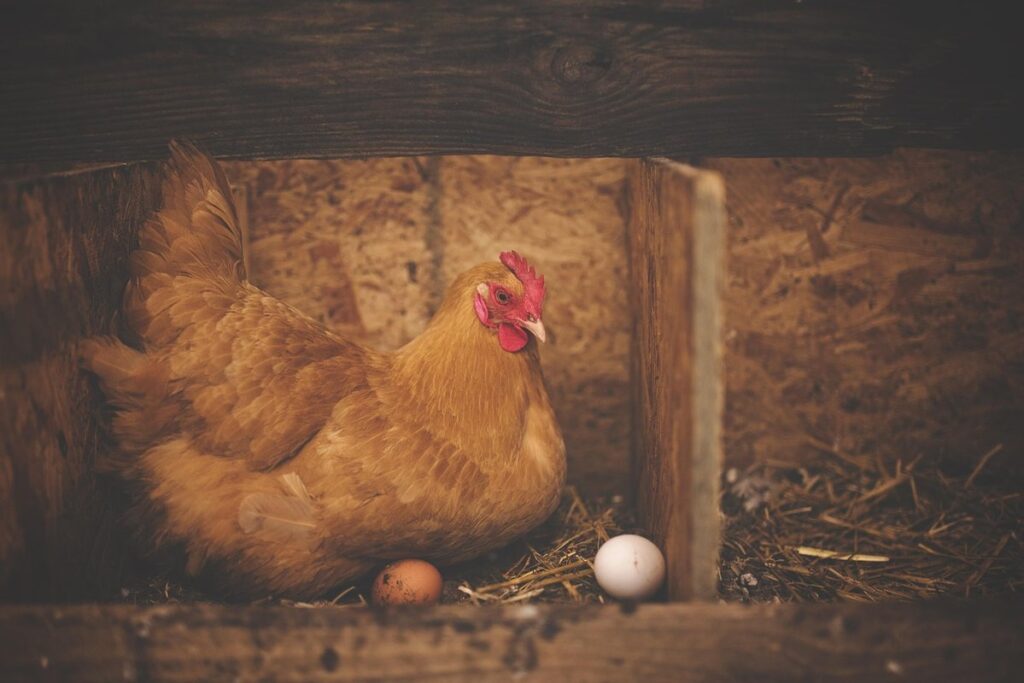
Understanding the Importance of Light in Chicken Flocks
Proper lighting is crucial for a chicken flock’s overall health and egg production, which we’ll explore next by examining the importance of light.
The Role of Light in Regulating Circadian Rhythms
Chickens, like all living creatures, have an internal biological clock that regulates their natural behaviors and cycles. Light plays a crucial role in synchronizing these rhythms with the external environment. When exposed to light, chickens’ brains send signals to adjust feeding, sleeping, and egg-laying patterns accordingly.
In the wild, chickens typically engage in foraging activities at dawn and dusk when light is soft and warm. Conversely, they rest during the hottest part of the day. To replicate this natural behavior, chicken coop lighting should mimic these light-dark cycles. Aim for a 12-14 hour light period and an 8-10 hour dark period each day.
During the light cycle, ensure adequate intensity to promote egg production. A general rule of thumb is to provide at least 5-7 lux (0.5-0.7 foot-lamberts) of light in the coop. This can be achieved using LED or fluorescent lighting systems. Conversely, during the dark period, minimize light exposure to allow chickens to rest.
By carefully regulating light exposure, you can influence your flock’s natural behaviors and cycles, ultimately optimizing egg production. Keep in mind that individual breeds may have varying requirements for light intensity and duration. Consult with a veterinarian or poultry expert to determine the best lighting strategy for your specific flock.
Factors to Consider When Choosing a Lighting System
When selecting a lighting system for your chicken coop, you need to consider several key factors. One crucial aspect is wattage: too little and your hens won’t have enough light, while too much can lead to energy waste and heat buildup. Aim for 10-20 watts per square foot of coop space.
Voltage is another important consideration. Most standard household lighting systems operate at 120 volts, but some chicken coop lights are designed for lower voltages (e.g., 12V or 24V). Be sure to check your coop’s electrical setup and ensure compatibility with the chosen light system.
The type of fixture also matters: LED, fluorescent, and incandescent bulbs have different characteristics. LEDs are energy-efficient and durable but often more expensive upfront; fluorescents are cost-effective but less durable and may contain toxic materials like mercury. Consider factors such as lifespan, maintenance needs, and heat emission when choosing a fixture.
To ensure safe and effective lighting, consider the following:
- Use tamper-resistant outlets to prevent electrical shock.
- Keep lights out of reach of your hens to avoid pecking damage or electrical hazards.
- Install dimmers or timers to control light levels and simulate natural daylight.
Types of Chicken Coop Lighting Options
There are several types of chicken coop lighting options to consider, each offering unique benefits for egg production, and we’ll explore them in more detail below.
LED Lighting: Energy Efficiency and Durability
LED lights offer a superior solution for chicken coop lighting due to their exceptional energy efficiency and long lifespan. They use significantly less power compared to traditional lighting options, which can lead to substantial savings on your energy bills over time. According to most studies, LED lights consume around 50-70% less electricity than fluorescent bulbs.
The durability of LED lights is another significant advantage. With a typical lifespan of 25,000 to 50,000 hours or more, they can easily outlast the average chicken coop’s lighting system needs. This means you’ll need to replace them less frequently, saving you money and effort in the long run. When selecting an LED lighting system for your coop, look for ones with a high lumens-per-watt rating, as this will ensure optimal brightness while minimizing energy consumption.
It’s also essential to consider the color temperature of your LED lights, which should be around 5000-6500 Kelvin to mimic natural daylight and promote healthy egg production. By choosing an energy-efficient LED lighting system, you’ll not only save resources but also create a more comfortable environment for your hens, ultimately contributing to increased egg production.
Fluorescent Lighting: Cost-Effective but Less Durable
Fluorescent lighting is a cost-effective option for chicken coops, but it also has some significant drawbacks. One of the main advantages of fluorescent lighting is its affordability – it’s often cheaper to install and maintain than other types of lighting. However, this lower upfront cost comes with a trade-off: fluorescent lights have a shorter lifespan compared to LEDs, typically lasting around 10,000 to 20,000 hours. This means you’ll need to replace them more frequently, which can add up over time.
In terms of performance, fluorescent lighting is also less durable than LED options. It’s prone to overheating, which can damage the bulbs and reduce their lifespan even further. Additionally, fluorescent lights often require a ballast to regulate their operation, which adds extra complexity to your lighting system. If you do choose to use fluorescent lighting, make sure to select bulbs with a high color temperature (around 5000K) to promote egg production.
When evaluating the pros and cons of fluorescent lighting for your chicken coop, consider the long-term costs and maintenance requirements. While it may be tempting to opt for the cheaper upfront cost, the additional expenses and hassle of frequent replacements might outweigh any initial savings.
Designing an Optimal Lighting System for Your Coop
When it comes to egg production, a well-designed lighting system is crucial, and it’s essential to get it right to support your hens’ natural rhythms. Let’s take a closer look at how to optimize your coop’s lighting for maximum results.
Calculating Light Intensity Requirements
When calculating light intensity requirements for a chicken coop, you need to consider two key factors: flock size and breed. The ideal light intensity varies depending on these factors, with larger flocks requiring more intense lighting. For example, a small flock of 5-10 birds may require around 1-2 lux (0.1-0.2 foot-lamberts), while a larger flock of 20-50 birds requires at least 4-6 lux.
To give you a better idea, here are some general guidelines for light intensity based on breed:
- Leghorns: 5-7 lux
- Rhode Island Reds: 3-5 lux
- Barred Plymouth Rocks: 2-4 lux
It’s also essential to consider the time of day and the birds’ activity levels. During peak egg-laying hours (usually between 6 am and 10 am), you’ll want to provide more intense lighting, around 7-10 lux.
Keep in mind that these are general guidelines, and it’s always best to consult with a veterinarian or poultry expert for specific recommendations tailored to your flock’s needs. Additionally, ensure that your coop has adequate ventilation to prevent heat buildup from the lights.
Tips for Installing and Maintaining Lighting Fixtures
When installing lighting fixtures in your chicken coop, ensure you follow proper safety precautions to avoid electrical hazards. Start by choosing a secure mounting option for your lights, such as screwing them into the ceiling or using wall-mounted brackets. Avoid placing lights near flammable materials like bedding or nesting boxes.
For routine maintenance tasks, inspect your lights regularly to check for dust buildup and worn-out components. Clean the lenses with a soft cloth to maintain optimal light intensity. Replace bulbs promptly when they burn out to prevent overheating and electrical issues.
Consider installing tamper-resistant outlets and switches to prevent accidental contact with live wires. Also, keep in mind that different lighting types have varying heat output levels; for example, LED lights tend to produce less heat than incandescent or halogen bulbs. By prioritizing safe installation and maintenance practices, you can minimize the risk of electrical hazards while promoting a healthy environment for your flock.
To ensure optimal performance, maintain light fixtures according to the manufacturer’s recommendations. Regularly check for signs of wear, such as loose connections or damaged wiring, and address them promptly.
Maximizing Egg Production with Strategic Lighting Placement
To maximize egg production, strategic lighting placement is crucial, and we’ll explore how to position lights for optimal illumination of your flock. This will require careful consideration of coop layout and bird movement patterns.
Understanding the Impact of Light Direction and Angle
When positioning lights to maximize egg production, it’s essential to consider the impact of light direction and angle. Light coming from directly above can create hotspots that may cause discomfort for your hens, leading to decreased egg production. Instead, try placing lights at an angle of around 30-40 degrees to create a more even distribution of light. This will help maintain a comfortable temperature range within the coop.
Aim to position lights in such a way that they illuminate the nesting boxes and feeding areas, but avoid shining directly on your hens’ eyes or faces. For most chicken breeds, a gentle slope of 20-30 degrees is ideal for egg-laying hens. This angle allows them to comfortably reach their perches while minimizing strain on their necks.
In some cases, you may need to adjust the light direction depending on the coop’s design and your flock’s specific needs. A good rule of thumb is to position lights at least 6-8 inches above the birds’ heads to prevent glare and discomfort. By carefully considering these factors, you can create a well-designed lighting system that supports optimal egg production in your chicken coop.
Creating a Comfortable Environment for Your Hens
Strategically placed lighting can play a crucial role in creating a comfortable environment for your hens. Proper lighting placement helps reduce stress and fatigue caused by inadequate light levels, which can impact egg production. For instance, placing lights at an angle of around 30-40 degrees above the roosting bars allows hens to move freely without feeling confined or exposed.
Additionally, ensuring that lights are positioned away from nesting areas prevents glare, reducing eye strain on your hens. A general rule of thumb is to keep lights a minimum of 12 inches away from nesting boxes to prevent direct light exposure. By adopting these strategies, you can create a more relaxed atmosphere within the coop, encouraging your hens to engage in natural behaviors like foraging and roosting.
Some chicken breeds are particularly sensitive to lighting conditions, so it’s essential to research specific needs for your flock. Consider factors such as their age, health status, and natural light exposure prior to introducing artificial lighting.
Additional Considerations for Chicken Coop Lighting
Beyond the basics of lighting, there are several key factors to consider when designing a coop that will maximize egg production and ensure the health and happiness of your flock. These considerations can make all the difference in your coop’s success.
Safety Precautions: Avoiding Electrical Hazards
When it comes to maintaining a safe and healthy environment for your hens, electrical safety is often overlooked but equally crucial as lighting intensity. Electrical hazards can arise from improper installation, damaged cords, or malfunctioning fixtures. To avoid these risks, ensure that all lighting components are installed by a qualified electrician, following local building codes and regulations.
When selecting lighting fixtures, opt for those with durable materials, weather-resistant coatings, and secure mounting systems to minimize the risk of electrical shock or fire. Keep electrical cords away from water sources, food areas, and nesting boxes to prevent damage and contamination. Regularly inspect your coop’s wiring and fixtures for signs of wear, fraying, or overheating.
Use Ground Fault Circuit Interrupters (GFCIs) in outlets near water sources or areas with high moisture levels to immediately detect and interrupt electrical currents. Consider using tamper-resistant outlets to prevent accidental electrical contact by curious hens. By prioritizing electrical safety, you can reduce the risk of accidents and ensure a healthy environment for your flock to thrive.
Integrating Lighting with Other Coop Systems
When designing a chicken coop lighting system, it’s essential to integrate it with other crucial components, such as ventilation and temperature control. This holistic approach ensures a healthy environment for your hens while optimizing egg production.
Start by examining the ventilation system’s airflow patterns and adjusting the lighting fixtures accordingly. For example, if you have a south-facing window, place lamps or LED strips near the windows to take advantage of natural light while also promoting cross-ventilation.
Next, consider integrating temperature control systems with your lighting setup. Some coop designs feature radiant floor heating, which can be paired with low-wattage lights to maintain a comfortable temperature. Conversely, if you have an evaporative cooling system, position high-intensity lamps above the fans to maximize airflow and reduce heat buildup.
When combining lighting with other systems, prioritize flexibility and adjustability. Install lighting fixtures that are easy to reposition or replace as needed. This adaptability will help you fine-tune your coop’s ecosystem and make necessary adjustments without compromising egg production.
Monitoring and Adjusting Your Chicken Coop Lighting System
Once you’ve installed your chicken coop lighting system, it’s essential to monitor its performance and make adjustments as needed to optimize egg production. This involves tracking light intensity, duration, and timing to ensure your girls are getting just what they need.
Measuring Light Levels and Egg Production
Monitoring light levels is crucial to optimizing egg production. A reliable way to measure light levels is with a light meter, which provides accurate readings of lux (a unit of light intensity). This tool helps you adjust the lighting system to ensure it’s meeting the flock’s needs. Aim for 14-16 hours of daylight plus supplemental lighting in the evening to mimic natural day-night cycles.
Egg production will fluctuate if light levels are inconsistent or insufficient. Keep a log to track egg numbers and correlate them with light readings. This visual record helps you identify patterns, such as a dip in egg production when light intensity drops below 10 lux. By monitoring both light levels and egg production, you can fine-tune the lighting system.
For example, if your flock is consistently producing fewer eggs during peak breeding season (spring), adjust the supplemental lighting to ensure it’s strong enough to support their needs. Conversely, if production increases when reducing supplemental light, consider scaling back to save energy while still meeting the flock’s requirements. By making these adjustments based on data-driven insights, you’ll optimize egg production and create a more efficient, profitable coop.
Regular Maintenance Tasks for a Healthy Flock
Regular maintenance tasks are crucial to ensure your chicken coop lighting system operates efficiently and safely. You should clean the fixtures regularly to prevent dust buildup, which can reduce light output and create a fire hazard. Use a soft brush or cloth to gently remove dirt and debris from LED lights, as harsh chemicals can damage their surface.
Inspect the lighting fixtures every 2-3 months for signs of wear and tear, such as loose connections, cracked lenses, or corrosion on metal parts. Replace any damaged components promptly to prevent electrical shocks or fires. Also, check the light bulbs’ lifespan and replace them according to the manufacturer’s recommendations.
In addition to cleaning and inspecting fixtures, you should also monitor the lighting system’s overall performance by tracking egg production and observing your flock’s behavior. Adjust the lighting schedule as needed to ensure your hens are receiving the right amount of light at the right time. By performing these routine maintenance tasks, you can maintain a healthy and productive flock while optimizing your coop’s energy efficiency.
Frequently Asked Questions
Can I Use Solar-Powered Lights for My Chicken Coop?
Yes, solar-powered lights can be an excellent option for chicken coops, especially in areas with abundant sunlight. They’re energy-efficient and require minimal maintenance. However, ensure the lights are designed specifically for outdoor use and can withstand various weather conditions.
How Often Should I Replace LED Lights to Maintain Optimal Egg Production?
While LED lights have a long lifespan, it’s recommended to replace them every 5-7 years or when their lumen output starts to decrease significantly. Regularly check your lights’ brightness and adjust the placement of new fixtures to maintain optimal light intensity for your flock.
What If I Have Hens That Prefer Darkness? Should I Provide Dimmable Lighting?
Yes, if you have hens that prefer darkness, dimmable lighting can be an excellent solution. This allows you to adjust the light levels according to their preferences and create a comfortable environment for them. Research the specific needs of your breed and consider using timers or smart lighting systems to achieve this.
Can I Mix Different Lighting Types in My Coop? For Example, LED and Fluorescent?
While it’s technically possible to mix different lighting types, it’s not recommended as they have varying color temperatures and spectral outputs. This could lead to inconsistent light quality, potentially affecting your flock’s behavior and egg production. Consider using a single type of high-quality lighting that suits your needs.
How Do I Integrate Lighting with My Coop’s Ventilation System?
To integrate lighting with your coop’s ventilation system, consider installing LED lights with a built-in occupancy sensor or timer. This will ensure the lights turn on only when needed and adjust to the changing light conditions outside. Regularly inspect and clean both the lighting fixtures and ventilation components to maintain their performance and prevent any potential issues.