
Growing your own common fennel plants can be a game-changer for gardeners and cooks alike. Not only is this versatile herb easy to care for, but it also adds a unique anise flavor to a variety of dishes. You might be surprised to know that common fennel has been used in cooking and medicine for thousands of years, with ancient Greeks and Romans valuing its culinary and medicinal properties. There are several types of fennel to choose from, including bulbous and non-bulbous varieties, each with its own unique characteristics. In this guide, we’ll cover the history, different types, care tips, and some delicious recipe ideas to get you started on your common fennel journey. By the end of this article, you’ll have a solid understanding of how to grow and use common fennel in your garden and kitchen.
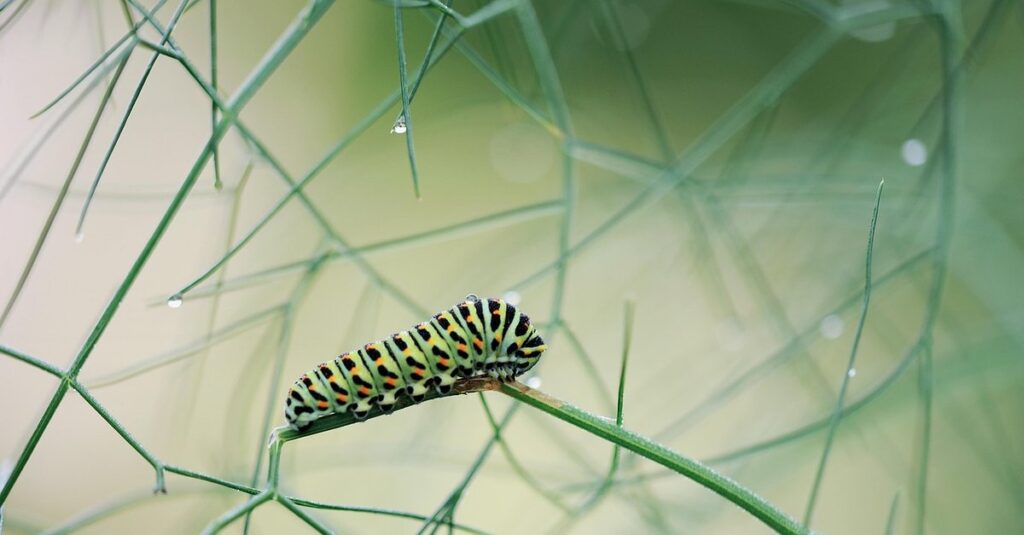
What is Fennel and Its History
Fennel has been a staple ingredient in many cuisines for thousands of years, with ancient Greeks and Romans using it extensively in their cooking. Let’s take a closer look at its origins and history.
Origin and Evolution of Fennel
Fennel’s origins date back to ancient civilizations, where it was highly valued for its unique flavor and medicinal properties. The plant is native to the Mediterranean region, with evidence of fennel cultivation dating as far back as 4000 BC in ancient Egypt, Greece, and Rome. In these cultures, fennel was not only used as a culinary herb but also as a natural remedy for digestive issues and other ailments.
As trade routes expanded, fennel spread to other parts of the world, including Asia and Europe. It was introduced to India by Arab traders in the 8th century AD and became an integral part of Ayurvedic medicine. In Europe, fennel was used as a key ingredient in traditional remedies for colds, coughs, and indigestion.
Throughout history, fennel has held significant cultural and symbolic meaning. In ancient Greece, it was associated with the god Apollo and used to ward off evil spirits. In Italy, fennel is still considered a symbol of good luck and prosperity. Today, fennel remains a staple in many cuisines worldwide, prized for its distinctive anise flavor and versatility in both sweet and savory dishes. Its rich history and cultural significance make it more than just a common herb – it’s a testament to the power of nature’s gifts.
Types of Fennel Plants
There are several types of fennel plants, each with its unique characteristics and uses. Sweet fennel (Foeniculum vulgare var. dulce) is a hardy perennial with bright yellow flowers and a sweet anise flavor. It’s often used in cooking to add depth and warmth to dishes, particularly in Mediterranean cuisine. Bitter fennel (Foeniculum vulgare var. amari), on the other hand, has a stronger, more bitter taste and is commonly used as a digestive aid.
Florence fennel (Foeniculum vulgare var. bulbiferum) is another popular type of fennel, known for its crunchy bulbs and delicate flavor. It’s often served raw in salads or grilled as a side dish. When choosing between these types, consider the recipe you’re using. Sweet fennel pairs well with fish and poultry, while bitter fennel complements rich meats like pork and lamb.
When growing your own fennel, keep in mind that Florence fennel requires more maintenance than sweet or bitter fennel. It needs regular watering and pruning to develop its characteristic bulb shape. Regardless of the type you choose, be sure to harvest fennel at the right time – when the flowers are still tight and the bulbs are firm.
Characteristics and Growth Habits
Now that you know how to identify common fennel, let’s take a closer look at its unique characteristics and growth habits that set it apart from other plants.
Fennel Plant Identification
To identify a common fennel plant, look for its distinctive anise-like aroma and feathery foliage. The plant typically grows to be 2-3 feet tall, with a slender stem that can become quite woody as it matures. Fennel’s leaves are triangular in shape, arranged oppositely on the stem, and have a delicate, lacy appearance.
Younger plants tend to be more compact, often forming a rosette of basal leaves before sending up a central stalk. As fennel ages, its stems may become slightly woody, but the foliage remains relatively soft and pliable. The plant’s growth habit is upright, with a tendency to spread outwards as it reaches maturity.
When examining a potential fennel specimen, inspect the shape of the leaves and the arrangement of their veins. Fennel typically has three prominent veins running from the base to the tip of each leaf. Also note any visible signs of damage or disease, such as yellowing or browning foliage, which can indicate issues like overwatering or pests.
A small number of fennel varieties have distinctive characteristics, but these are relatively rare and often specified by cultivar name. For most gardeners, common fennel (Foeniculum vulgare) will be the most recognizable type due to its widespread cultivation and characteristic appearance.
Hardiness and Climate Tolerance
Fennel plants are surprisingly hardy and adaptable, thriving in a wide range of climates and soil conditions. They can tolerate temperatures as low as 10°F (-12°C) and as high as 80°F (27°C), making them suitable for USDA zones 4-9. This versatility is particularly useful for gardeners who live in areas with unpredictable weather patterns or limited growing seasons.
One key factor to consider when planting fennel is its sensitivity to wet soil. Fennel roots are susceptible to rot if the soil remains waterlogged, so well-draining soil is essential. In areas with heavy rainfall or poor drainage, raised beds or containers can be a good solution. On the other hand, fennel can tolerate drought conditions once established, making it an excellent choice for low-maintenance gardens.
In terms of climate tolerance, fennel prefers full sun to partial shade and moderate humidity. It’s also relatively resistant to wind damage, although young plants may require protection during extreme weather events. When choosing a location for your fennel patch, select a spot that receives at least 6 hours of direct sunlight per day and has good air circulation to prevent disease.
Uses and Benefits
You’ll find that common fennel is a versatile herb, offering a range of practical uses beyond just its culinary applications. Let’s take a closer look at how you can utilize it in various aspects of your life.
Culinary Uses of Fennel
Fennel is a versatile ingredient that can be used in both sweet and savory dishes. Its anise-like flavor makes it a popular addition to Mediterranean cuisine, but its uses extend far beyond the kitchen. In Italian cooking, for example, fennel is often paired with sausage or used as a crudité for dips like hummus.
When used as an herb, fresh fennel fronds can be chopped and added to salads, sauces, or marinades. To use fennel as an ingredient, try roasting it in the oven until tender, then pureeing it into soups or sauces. You can also sauté sliced fennel with garlic and lemon for a quick side dish.
Some popular ways to incorporate fennel into your cooking include making a fennel salad with arugula, cherry tomatoes, and a citrus vinaigrette, or using it as a topping for fish or meat dishes. You can also make a fennel-infused oil by steeping sliced fennel in olive oil – this is great for finishing soups or salads.
To take your cooking to the next level, experiment with combining fennel with other aromatics like onions and ginger, or using it as a substitute for more expensive ingredients like licorice root.
Medicinal Properties and Health Benefits
Fennel has been used for centuries in traditional medicine to treat a variety of ailments. One of its most well-known uses is as a digestive aid. The seeds and bulbs of the fennel plant contain compounds that have anti-inflammatory properties, which can help to soothe digestive issues such as bloating and cramps.
In Ayurvedic medicine, fennel is used to treat respiratory problems like bronchitis and asthma. The plant’s essential oils are inhaled to ease congestion and open up airways. Some studies suggest that fennel extract may also have antibacterial properties, making it a potential treatment for gum disease and other oral health issues.
Fennel has also been shown to have antioxidant properties, which can help protect against cell damage and reduce the risk of certain cancers. Additionally, the plant’s seeds are said to have a diuretic effect, making them useful in treating urinary tract infections.
Some traditional remedies involve drinking fennel tea or taking fennel capsules as a supplement. However, more research is needed to fully understand the extent of fennel’s medicinal properties and potential health benefits. As with any new supplement, consult with a healthcare professional before using fennel for medicinal purposes.
Incorporating fennel into your diet may also provide some benefits. You can add fresh fennel bulbs to salads or use its seeds as a spice in cooking.
Growing Fennel in Your Garden
To grow fennel successfully, you need to choose a sunny spot with well-draining soil and learn how to prevent its bulbs from bolting prematurely.
Soil Preparation and Planting Tips
Fennel prefers well-draining soil with a pH between 6.0 and 7.0, making it adaptable to most garden types. To prepare the soil for planting fennel, start by loosening the top 12-18 inches of soil to a depth that allows roots to grow freely.
A balanced fertilizer application is essential for fennel growth. Mix in a 5-10-5 NPK (nitrogen-phosphorus-potassium) ratio fertilizer at planting time to promote healthy foliage and bulb development. Additionally, ensure your soil has adequate calcium and magnesium levels, as these micronutrients are crucial for fennel’s growth.
Fennel thrives in full sun and well-aerated conditions. Plant seeds directly into the ground 1-2 inches deep, spacing them 6-12 inches apart to prevent overcrowding. Sow multiple rows to encourage cross-pollination, which enhances flavor and aroma. Water fennel regularly during its first growing season, but avoid overwatering as this can lead to root rot and other issues.
For optimal results, plant fennel in a location that receives at least six hours of direct sunlight daily. Avoid planting in low-lying areas where water may collect, causing roots to rot.
Care and Maintenance of Fennel Plants
Watering fennel plants requires attention to their specific needs. They prefer moist soil but can be susceptible to root rot if overwatered. Check the soil daily during hot weather, and water only when it feels dry to the touch. Avoid getting water on the leaves or crown of the plant, as this can cause fungal diseases.
Fennel plants benefit from regular pruning to encourage bushy growth and prevent flowering. Remove any flower buds that form in spring, as they will divert energy from leaf production. Pinch off the top set of leaves when the plant reaches 6-8 inches tall to promote a fuller shape.
Regularly inspect your fennel plants for signs of pests like aphids, slugs, and caterpillars. Use neem oil or insecticidal soap to control infestations. Keep an eye out for diseases like powdery mildew and downy mildew, which can be managed with copper-based fungicides.
To ensure healthy growth, provide fennel plants with a balanced fertilizer in spring when new growth begins. Follow the recommended application rate on the label to avoid overfertilizing.
Common Issues and Pests
Some gardeners may encounter problems when growing common fennel, including pests that target its delicate foliage. These issues can be frustrating to deal with, but they’re often preventable with proper care and attention.
Fennel Diseases and Pests
Fennel plants are susceptible to several diseases and pests that can cause significant damage if left unchecked. One of the most common issues is powdery mildew, a fungal disease that causes a white, powdery coating on the leaves. To prevent powdery mildew, ensure good air circulation around your fennel plants by keeping them at least 12 inches apart and avoiding overhead watering.
Another common problem is aphids, small sap-sucking insects that can weaken the plant and spread disease. These pests are often accompanied by ants, which feed on the sweet substance produced by the aphids. To control aphid infestations, spray your plants with a strong jet of water to dislodge the insects, or use neem oil as a natural pesticide.
Root rot is another potential issue for fennel growers, typically caused by overwatering or poor drainage. To prevent root rot, make sure your soil drains well and avoid watering your plants too frequently. Regularly inspect your fennel roots to catch any signs of decay early on.
Organic Pest Control Methods
When it comes to managing pests and diseases on your fennel plants, organic methods are a must. Chemical pesticides can harm beneficial insects and contaminate soil and waterways, so it’s essential to explore natural alternatives.
One effective method is introducing beneficial nematodes into the soil. These microscopic worms attack and kill grubs, whiteflies, and other pests that target fennel plants. Apply them in the early morning or evening when they’re most active, following the product instructions carefully.
Companion planting is another valuable technique for keeping pests at bay. Planting garlic, onions, or chives near your fennel can deter aphids, spider mites, and other pests that target its delicate foliage. These plants repel pests through their strong scents and tastes, creating a barrier around your fennel.
For fungal diseases like powdery mildew, treat your plants with neem oil or sulfur. Mix these natural fungicides according to the product instructions and spray them on the affected areas. This will help control the spread of disease and prevent further damage.
Cooking with Fennel: Recipes and Ideas
As you’ve grown more confident in using fennel’s unique flavor, it’s time to explore its versatility in various dishes, from soups to salads. Discover how to incorporate this versatile bulb into your cooking repertoire.
Simple Fennel Recipes for Beginners
Start by incorporating fennel into simple salads like a classic Italian caprese with sliced tomatoes and mozzarella. Chop fresh fennel bulbs and combine them with juicy strawberries, crumbled goat cheese, and a balsamic vinaigrette for a refreshing summer salad. For a more substantial dish, roast sliced fennel in the oven until caramelized, then serve it alongside roasted chicken or as a side to grilled meats.
In soups, use fennel’s anise flavor to add depth and warmth. Make a creamy fennel soup by sautéing chopped onions and fennel bulbs in butter until tender, then simmer them in chicken broth with heavy cream until the soup is smooth and rich. For a lighter option, puree cooked fennel with vegetable or chicken broth for a clear and comforting soup.
When it comes to side dishes, try pairing roasted or sautéed fennel with other seasonal vegetables like Brussels sprouts or carrots. Simply toss sliced fennel with olive oil, salt, and pepper, then roast in the oven until tender and caramelized.
Advanced Fennel Dishes and Techniques
When it comes to cooking with fennel, many cooks stop at sautéing or roasting the bulb, but there’s a world of more complex and creative techniques waiting to be explored. To take your fennel game to the next level, try grilling or caramelizing the bulb for a deep, sweet flavor. Slice the bulbs thin and brush with olive oil before throwing them on the grill until tender and slightly charred.
For an added layer of depth, roast the stems along with other vegetables like carrots and Brussels sprouts. The anise flavor pairs particularly well with rich, earthy ingredients like beets and parsnips. Experiment with pairing fennel with different types of cheese, such as goat or blue cheese, for a tangy and savory combination.
Some popular techniques to try include:
• Roasting the bulbs whole, then serving as a side dish
• Grilling the stems and using them in salads or sandwiches
• Caramelizing the bulbs and mixing with pasta or rice
• Using fennel as a bed for grilled meats or seafood
These methods will help you unlock new flavors and textures when working with fennel. By experimenting with different techniques, you can elevate your dishes from simple to sophisticated.
Frequently Asked Questions
Can I Use Fennel in Place of Other Herbs and Spices?
Yes, fennel can be used as a substitute for anise or licorice root due to its similar flavor profile. However, keep in mind that the flavor intensity may vary depending on the type of fennel you’re using. Experiment with small amounts to find the right balance.
What Happens if I Don’t Harvest My Fennel Regularly?
If not harvested regularly, fennel plants can become too fibrous and develop a strong, bitter taste. Regular pruning also encourages bushy growth and prevents the plant from flowering, which can make it less palatable in salads and other dishes.
How Do I Store Fennel to Keep It Fresh for Longer?
To keep fennel fresh for an extended period, store it in the refrigerator with the bulb facing downwards. You can also wrap the stems in a damp paper towel and place them in a plastic bag to maintain humidity. Use within 5-7 days.
Can I Grow Fennel in Containers or Indoors?
Yes, fennel can be grown in containers or indoors, but it requires full sun (at least 4-6 hours of direct sunlight) and well-draining soil. Make sure the container is at least 12 inches deep to accommodate the plant’s taproot.
What If I Notice Yellowing Leaves on My Fennel Plant?
Yellowing leaves can be a sign of overwatering or nutrient deficiency. Check your watering schedule and ensure the soil isn’t waterlogged. Also, consider adding a balanced fertilizer to provide essential nutrients for healthy growth.
