Garlic scapes are often discarded or overlooked in favor of their more commonly used bulbous relatives. However, these long, slender shoots that grow from the center of garlic plants are a culinary treasure trove waiting to be explored. Rich in flavor and packed with nutrients, garlic scapes have been a staple ingredient in many Eastern European and Asian cuisines for centuries. They can add a unique depth and subtlety to dishes, making them an excellent addition to salads, stir-fries, and roasted vegetables. Not only do they elevate the flavor of your cooking, but they also offer numerous health benefits due to their high vitamin and mineral content. In this article, you’ll learn how to grow, harvest, cook with, and incorporate garlic scapes into your diet to reap their culinary and health rewards, allowing you to take your cooking skills to a new level.
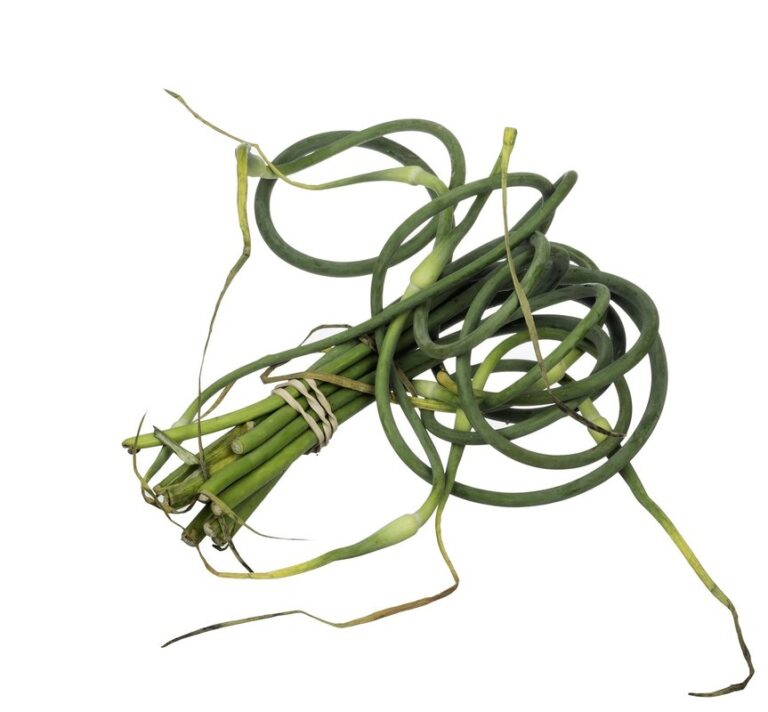
Understanding the Basics of Scape of Garlic
Let’s start with the fundamentals: scape garlic is a tender, edible shoot that grows from the center of a garlic bulb, and it’s surprisingly easy to use in cooking.
What is Scape of Garlic?
A garlic scape is a type of stem that grows from the center of a garlic bulb. It’s essentially a flower stalk that emerges as the bulb begins to form. Unlike the rest, which are harvested for their bulbs, scapes are typically removed to direct the plant’s energy towards bulb growth.
In many parts of the world, particularly in Asia and Europe, garlic scapes have cultural significance and are consumed or used in traditional cooking methods. In some areas, they’re seen as a delicacy and are pickled or preserved for later use. For instance, in Japan, garlic scapes are often pickled in vinegar to create a tangy condiment.
Interestingly, not all garlic varieties produce scapes. Some popular types that do include Silverskin, White Italian, and Elephant. The scape’s origin is closely tied to the type of garlic being grown, with some cultivars producing multiple scapes per bulb.
Benefits of Using Garlic Scapes
Using garlic scapes offers several advantages over regular garlic bulbs. For one, they are higher in nutrients and antioxidants due to their rapid growth rate. A study published by the University of California found that garlic scapes contain a higher concentration of vitamins C and K compared to mature garlic cloves. This nutritional boost can make garlic scapes an attractive addition to health-conscious cooks.
In terms of taste, garlic scapes have a milder, sweeter flavor than regular garlic. They’re often described as having a hint of oniony sweetness, making them a great option for those who don’t enjoy the pungency of raw garlic. This versatility allows cooks to use garlic scapes in a variety of dishes, from salads and soups to stir-fries and roasted vegetables.
When using garlic scapes, be sure to consume them within a few days of harvest, as they tend to lose their flavor and texture quickly. You can sauté or roast them whole, or chop them up and add them to sauces and marinades. Garlic scapes also make a great addition to pesto and other herb-based dips, adding a burst of fresh flavor to your favorite recipes.
Different Types of Garlic Scapes
Chesnok Red garlic scapes, with their delicate purple hue and subtle sweetness, are a popular choice for adding depth to sauces and marinades. Their flavor profile is often described as a balance between pungency and finesse, making them an excellent addition to dishes like stir-fries and roasted vegetables.
Elephant garlic scapes, on the other hand, boast a milder taste compared to traditional garlic varieties. They’re often used in soups, stews, and braises where their subtle flavor won’t overpower other ingredients. Their larger size also makes them ideal for pickling or using as a crudité for dips.
Silverskin garlic scapes are known for their thin, papery wrappers and delicate flavor, which pairs well with lighter dishes like salads, pasta, and seafood. They’re often used in Asian-inspired cuisine due to their subtle sweetness and versatility in sauces.
When selecting garlic scapes for cooking, consider the specific characteristics of each variety and choose the one that best suits your recipe’s needs. This will help ensure you get the most out of your scapes and add a new layer of depth to your dishes.
Growing Garlic Scapes: A Step-by-Step Guide
To grow delicious garlic scapes, start by removing any flower buds that appear on your garlic plants to direct energy into developing a robust and flavorful scape.
Preparing Your Garden for Garlic Scape Growth
To prepare your garden for garlic scape growth, start by selecting a location with full sun to partial shade. Garlic scapes require at least 6 hours of direct sunlight per day to thrive. If your garden receives more than 8 hours of direct sunlight, provide some afternoon shade to prevent scorching.
The ideal soil temperature for garlic scape growth is between 40°F and 70°F (4°C and 21°C). Garlic scapes prefer well-draining soil with a pH between 6.0 and 7.0. Test your soil before planting to ensure it’s within this range. If your soil is heavy clay or sandy, mix in organic matter like compost or manure to improve drainage.
Garlic scapes are hardy in USDA zones 3-9, but they’re sensitive to extreme temperatures. Avoid planting garlic scapes in areas with frequent frosts or prolonged heatwaves. In cooler climates, plant garlic scapes as soon as the soil can be worked in spring. In warmer climates, plant them in fall for a winter harvest.
Some popular garlic scape varieties include ‘Chesnok Red’, ‘Silverskin’, and ‘Rocambole’. Choose a variety that suits your climate and desired harvest time.
Planting and Caring for Garlic Scapes
When planting garlic scapes, it’s essential to provide them with a suitable environment for growth. Start by spacing them 6-8 inches apart, depending on their mature size. Water them regularly, but make sure not to overwater, as this can lead to fungal diseases. A well-draining soil mix will help prevent waterlogged soil.
Fertilize garlic scapes lightly, as they don’t require a lot of nutrients. A balanced fertilizer with a ratio of 10-10-10 (nitrogen-phosphorus-potassium) is suitable for most varieties. Avoid overfertilizing, as this can lead to weak and spindly growth.
Common pests that affect garlic scapes include aphids, spider mites, and thrips. Regularly inspect your plants for signs of infestation, such as curled or distorted leaves. To prevent pest issues, maintain a clean growing environment and use organic pest control methods whenever possible.
Some diseases to watch out for when growing garlic scapes include powdery mildew, downy mildew, and root rot. These can be caused by overwatering, poor air circulation, or fungal spores in the soil. Take steps to prevent these issues by ensuring good air circulation and using crop rotation techniques.
When planting new garlic scape varieties, consider their specific needs. For example, some may require more space between plants than others. Research the variety you’re working with to provide optimal growing conditions.
Harvesting and Storing Garlic Scapes
Harvesting garlic scapes is a crucial step to ensure their flavor and nutritional value. Typically, they’re ready to harvest about 6-8 weeks after planting, when the stem begins to curl and the top set of leaves starts to turn yellow. This is usually around late spring or early summer.
To determine if your scapes are ready, gently grasp the stem and twist it back and forth. If it comes off easily, it’s time to harvest. Cut the scape near the base, leaving a small piece of stem attached to the bulb to promote regrowth.
Proper storage is essential for maintaining the flavor and nutritional value of garlic scapes. You can store them in a cool, dry place, such as a pantry or cupboard, for up to 2 weeks. Tie the stems together with twine or rubber bands and hang them upside down. This allows air to circulate around each scape, preventing moisture buildup.
Alternatively, you can blanch the scapes by submerging them in boiling water for 30 seconds to 1 minute, then immediately plunging them into an ice bath. Once cooled, they can be stored in airtight containers or freezer bags and frozen for up to 6 months.
Cooking with Garlic Scapes: Recipes and Tips
Garlic scapes offer endless possibilities for creative cooks, from pesto to soups, salads, and more. Let’s explore some delicious recipes to get you started on your garlic scape journey.
Introduction to Using Garlic Scapes in Cooking
To start using garlic scapes in cooking, you’ll need to prepare them first. This involves trimming the stem end, which can be a bit woody and fibrous, to encourage new growth. Next, you can chop or slice the scapes as needed for your recipe. For larger scapes, consider cutting them into smaller pieces or even making garlic scape “trees” by leaving some of the stem intact.
When chopping garlic scapes, it’s essential to mince them finely to release their flavor and aroma. You can use a chef’s knife or a food processor to get the job done quickly. Keep in mind that raw garlic scapes have a slightly bitter taste, so be sure to balance their flavor with other ingredients in your dish.
To bring out the full flavor of garlic scapes, sauté them briefly in olive oil before adding other ingredients. This will help caramelize the sugars and intensify the aroma. You can also add aromatics like onions or ginger to the pan for added depth. By following these simple preparation methods, you’ll be able to unlock the full potential of garlic scapes in your cooking.
Garlic Scape Recipes for Beginners
Garlic scapes are incredibly versatile, and with a few simple recipes, you can unlock their full flavor potential. Start by using them in soups like creamy garlic scape soup, where they add a depth of flavor and a pop of color. Simply sauté the scapes with some onions and garlic (yes, more garlic!), then simmer them in chicken or vegetable broth.
For salads, try making a garlic scape pesto by blending cooked scapes with olive oil, parmesan cheese, and lemon juice. This makes a great sauce for pasta, pizza, or as a dip for vegetables. You can also chop raw scapes and add them to green salads or use them as a garnish.
In sauces, use garlic scapes to make a rich and savory BBQ sauce by blending them with ketchup, brown sugar, and spices. For stir-fries, quickly sauté sliced scapes with your favorite vegetables and serve over rice or noodles. Remember to cook the scapes briefly to preserve their delicate flavor and texture.
Some popular combinations to try: garlic scapes and asparagus, garlic scapes and mushrooms, or garlic scapes and cherry tomatoes. Experiment with different flavors and find your own unique pairings!
Advanced Cooking Techniques with Garlic Scapes
To take your garlic scape cooking to the next level, consider experimenting with advanced techniques like making pesto and aioli. Start by creating a flavorful pesto sauce by blending cooked garlic scapes with basil, parmesan cheese, pine nuts, and olive oil. This vibrant green sauce is perfect for pasta dishes, pizza, or as a dip.
For an even richer flavor, try making aioli using roasted garlic scapes instead of traditional cloves. Simply roast the scapes in the oven until tender, then blend with egg yolks, lemon juice, and olive oil. The result is a creamy, aromatic sauce that’s ideal for grilled meats or vegetables.
Another creative way to use garlic scapes is by pickling them. Slice the scapes thinly and soak them in a brine made from vinegar, sugar, salt, and spices. This tangy condiment adds a burst of flavor to sandwiches, salads, or as a topping for soups. To ensure your pickled scapes turn out well, be sure to use a ratio of 1:1 vinegar to water and adjust the seasoning accordingly.
A small number of steps are involved in making these advanced dishes, but the payoff is significant. By incorporating garlic scapes into your cooking repertoire, you’ll add depth and complexity to your meals that’s hard to find with more traditional ingredients.
Health Benefits and Nutrition Facts of Garlic Scapes
Garlic scapes offer a wealth of nutritional value, including high levels of vitamin C, potassium, and fiber, making them a nutritious addition to your diet.
They’re also packed with antioxidants that can provide numerous health benefits when consumed as part of a balanced meal.
Nutritional Content of Garlic Scapes
Garlic scapes are a nutrient-dense addition to a variety of dishes. They’re an excellent source of vitamin K, with a single serving providing up to 25% of the recommended daily intake. This vitamin is essential for blood clotting and bone health. Garlic scapes also contain a good amount of vitamin C, which supports immune function and collagen production.
Mineral-wise, garlic scapes are a rich source of manganese, copper, and potassium. Manganese plays a crucial role in enzyme function and wound healing, while copper supports connective tissue health and iron absorption. Potassium is vital for maintaining healthy blood pressure levels.
In terms of antioxidants, garlic scapes contain a compound called allicin, which has been shown to have antimicrobial properties. Allicin also contributes to the plant’s characteristic aroma and flavor. The antioxidant activity in garlic scapes can help protect against cell damage and oxidative stress, supporting overall health and well-being.
When using garlic scapes in cooking, it’s best to consume them raw or lightly cooked to preserve their nutrient content.
Health Benefits of Consuming Garlic Scapes
Consuming garlic scapes has been associated with several potential health benefits. One key area is heart health. The compounds present in garlic scapes, such as allicin and sulfur, have been shown to help lower blood pressure and cholesterol levels, both of which are critical for maintaining cardiovascular well-being. Furthermore, the antioxidants found in garlic scapes may also aid in reducing inflammation in the blood vessels, which can contribute to a reduced risk of heart disease.
In addition to its effects on heart health, consuming garlic scapes has been linked to immune system support. The active compounds in garlic scapes have antimicrobial properties, making them effective against certain bacteria and viruses. This can help boost the body’s natural defenses against illness.
Some studies also suggest that garlic scapes possess anti-inflammatory properties, which may be beneficial for managing conditions such as arthritis. The anti-inflammatory effects are thought to stem from the sulfur compounds in garlic scapes, which have been shown to inhibit enzymes involved in inflammation.
Garlic scapes can be incorporated into meals in a variety of ways, including sautéing them as a side dish or adding them to soups and stews towards the end of cooking.
Common Mistakes to Avoid When Growing or Using Garlic Scapes
When growing or using garlic scapes, it’s easy to make mistakes that can impact their flavor and texture, so let’s discuss a few common pitfalls. These errors are often simple to avoid once you know what to watch out for.
Troubleshooting Common Issues in Garlic Scape Growth
When growing garlic scapes, you may encounter common issues such as pests, diseases, and environmental factors. Pests like aphids, spider mites, and thrips can infest the plants, causing damage to the leaves and reducing yields. To control these pests, use neem oil or insecticidal soap, which are gentle on the plants yet effective against these insects.
Diseases such as powdery mildew, downy mildew, and botrytis can also affect garlic scapes. These fungal infections thrive in humid environments and can spread quickly if not treated promptly. To prevent disease, ensure good air circulation around the plants, remove any infected leaves or stems, and treat with a fungicide specifically designed for vegetable gardens.
Environmental factors like extreme temperatures, poor soil quality, and inadequate watering can also impact garlic scape growth. For example, garlic scapes prefer well-draining soil with a pH between 6.0 and 7.0. If your soil is too alkaline or acidic, amend it with lime or sulfur to create a more favorable environment for the plants. Similarly, avoid overwatering, which can lead to root rot and other problems.
Misconceptions About Garlic Scapes in Cooking
Garlic scapes are often misunderstood when it comes to their flavor profile and culinary applications. One common misconception is that garlic scapes have a milder taste than regular garlic cloves. However, this couldn’t be further from the truth. Garlic scapes pack just as much punch as regular garlic, with a slightly sweet and nutty undertone.
Another myth is that garlic scapes can only be used in stir-fries or sautés. While these are indeed popular ways to prepare garlic scapes, they can also be pickled, roasted, or even grilled. The key is to use them in dishes where their delicate flavor won’t get lost. For example, try pairing garlic scapes with asparagus and parmesan cheese for a simple yet elegant side dish.
Some cooks also believe that garlic scapes are too fragile to use raw in salads. While it’s true that they can be easily bruised, a gentle handling approach is all you need. Simply chop the scapes finely or use a microplane to grate them over your salad. This will release their oils and flavor without compromising their texture.
It’s worth noting that garlic scapes are at their best when used within a few days of harvesting, as they can quickly lose their flavor and aroma after this period. To make the most of their flavor, use them in dishes where you can appreciate their subtle nuances.
Frequently Asked Questions
What if I accidentally overwater my garlic scapes and they develop fungal diseases? Can they be saved?
Yes. If you catch the issue early, you can try treating the affected area with a fungicide specifically designed for plants. Remove any severely infected parts to prevent the disease from spreading.
How long do garlic scapes typically last after harvesting, and what’s the best way to store them to maintain their flavor and nutritional value?
Garlic scapes can last for several weeks when stored properly. Keep them in a cool, dry place with good air circulation. You can also consider freezing or dehydrating them to preserve their flavor and nutritional content.
Can I grow garlic scapes indoors, or do they require specific outdoor conditions to thrive?
Yes, you can grow garlic scapes indoors using containers. However, ensure the container has proper drainage and provide sufficient light (around 12-14 hours of direct sunlight) and temperature control (preferably between 60°F to 70°F).