
Growing an apple tree from seed can be a rewarding experience, especially for those who want to cultivate their favorite variety. However, many people are discouraged by the idea that growing apples from seed means ending up with offspring that may not retain the desirable traits of the parent tree, such as flavor or texture. But this isn’t necessarily true – with proper preparation and care, you can successfully grow a healthy apple tree from a seed.
You’ll be happy to know that it’s actually quite possible to grow an apple tree from a seed that will produce apples similar to the one that was eaten. The key is in choosing the right seeds and providing them with the right conditions for germination and growth. In this guide, we’ll walk you through the steps of preparing your apple seed, planting it, and caring for it until harvest time, so you can enjoy fresh, homegrown apples from your very own tree.
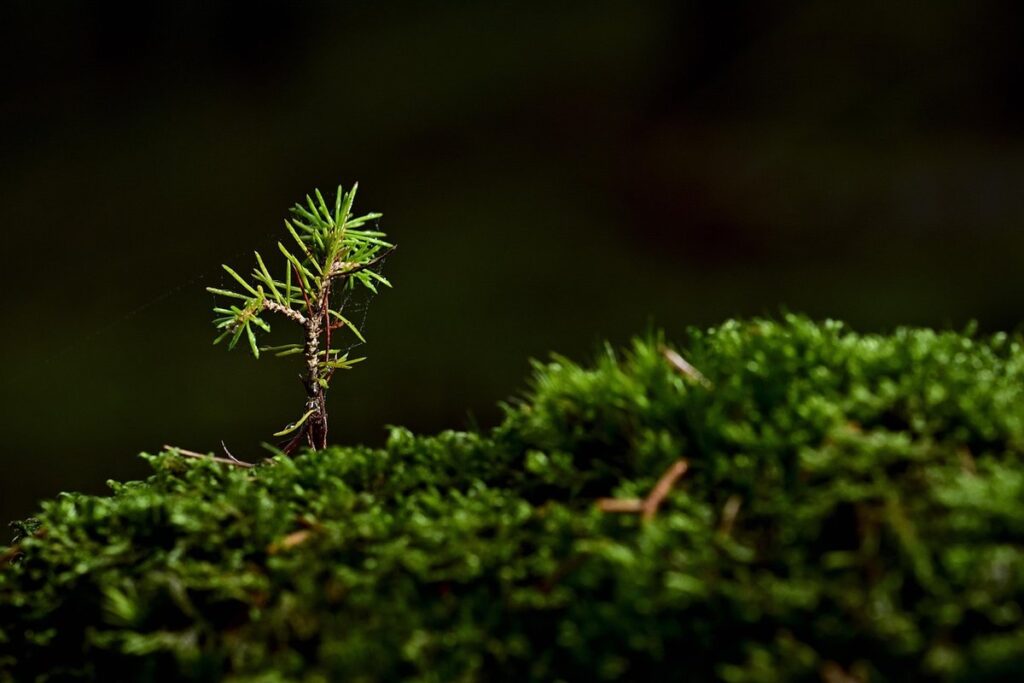
Preparing the Seed
To grow a healthy apple tree from seed, you’ll first need to prepare the seed by stratifying it to mimic winter conditions and break dormancy. This process is crucial for successful germination.
Choosing the Right Variety
When growing an apple from seed, it’s essential to choose a variety that has a good track record of success. Some popular varieties known for their ease of growth from seed include ‘Red Delicious’ and ‘Gala’. These varieties are often used in commercial orchards because they’re relatively easy to cultivate.
Heirloom and hybrid varieties, on the other hand, may not grow as well from seed. Heirloom apples are open-pollinated, meaning they produce seeds that can be used to grow new trees with consistent flavor and texture. Hybrid apples, however, are bred for specific traits like disease resistance or high yields. While these characteristics can be beneficial in commercial orchards, they often don’t translate well when growing from seed.
To identify heirloom varieties, look for apples that have been passed down through generations within a family or community. These trees are often grown using traditional methods and may have unique characteristics not found in hybrid varieties. Hybrid apples, by contrast, will usually have the words “hybrid” or the name of the specific cross-bred parent in their label.
When selecting seeds, choose from known varieties that have a history of success with seed-grown trees. This will give you the best chance of growing a healthy and productive tree.
Cleaning and Storing the Seeds
Cleaning and drying apple seeds properly is crucial to ensure their viability. Start by removing any debris or pulp from the seed surface using a soft-bristled brush or a cotton swab. Rinse the seed with lukewarm water, then gently scrub it with a mild soap solution to remove any remaining residue. Rinse thoroughly with clean water and let the seed air dry on a paper towel.
For best results, store apple seeds in an airtight container at room temperature for 1-3 months. This allows time for any potential fungal growth or contamination to be eliminated. After this period, transfer the seeds to a cool, dry place, such as a refrigerator or a sealed glass jar stored in a cupboard. The ideal storage conditions are between 32°F and 40°F (0°C to 4°C), with low humidity.
It’s essential to keep seeds away from direct sunlight and moisture, which can cause germination to begin prematurely. Label the container with the seed variety and date to ensure you remember how long they’ve been stored. Regularly inspect the seeds for signs of mold or decay, and discard any that appear affected.
Planting the Seed
To grow a healthy apple tree from seed, you’ll first need to prepare the environment and plant the seed correctly. This involves selecting the right spot and creating a suitable soil mixture.
Understanding Apple Seed Germination
Apple seeds require a specific set of conditions to germinate. The optimal temperature for germination is between 65°F and 75°F (18°C and 24°C), which is slightly cooler than most homes or offices. Apple seeds also need consistent moisture, but not waterlogged soil, which can lead to rot.
Germination can take anywhere from a few weeks to several months, depending on the seed quality, storage conditions, and environmental factors. It’s essential to maintain high humidity, typically above 80%, during this period. You can achieve this by covering the container with plastic wrap or a clear bag.
Apple seeds don’t have a natural dormancy period like some other plants, so they’re ready to germinate as soon as they receive the right conditions. However, be patient – it’s not uncommon for apple seeds to take 3-6 months to sprout. Keep the soil consistently moist during this time and provide adequate warmth.
Maintaining optimal temperature and humidity levels will significantly increase your chances of successful germination.
Preparing the Soil and Container
To prepare a well-draining container for your apple seedling, you’ll want to use a mix specifically designed for fruit trees. These mixes typically have a balanced blend of nutrients and are formulated to drain excess water, which is essential for fruit tree roots.
The importance of pH levels in the soil cannot be overstated. Most apple varieties prefer a slightly acidic to neutral soil pH, ranging from 6.0 to 7.0. If your tap water is alkaline or hard, consider using distilled water to prevent pH fluctuations that can stress the seedling.
When selecting a container mix, look for products labeled as “fruit tree potting mixes” or “orchard blends.” These mixes usually contain a combination of peat moss, perlite, and vermiculite to provide excellent drainage and aeration. Avoid regular potting soils, which may retain too much water and cause root rot.
A general rule of thumb is to add a 1-inch layer of organic matter like compost or well-rotted manure on top of the container mix. This will help maintain soil fertility, structure, and overall health throughout your apple tree’s life cycle.
Caring for the Seedling
Now that you’ve successfully planted your apple seed, it’s time to give it the TLC it needs to thrive. This is where regular watering and pruning come into play.
Watering and Humidity
Watering young apple seedlings requires a delicate balance. Overwatering is just as detrimental as underwatering, so it’s essential to get the frequency and amount right. Water your seedling when the top inch of soil feels dry to the touch, which is usually every 2-3 days in warmer temperatures. However, this can vary depending on the temperature and humidity levels in your area.
To maintain optimal humidity around your seedling, you can place the container on a tray filled with water and pebbles or use a humidifier nearby. This will create a microclimate that mimics the conditions found in nature. Avoid placing the container in a drafty area, as this can cause the soil to dry out too quickly.
A good rule of thumb is to maintain humidity levels between 40-60%. You can check this using a hygrometer or by observing how your seedling responds. If it’s growing well and looking healthy, you’re likely on the right track. Conversely, if the leaves start to wilt or turn yellow, it may be due to inadequate watering or low humidity.
Fertilizing and Pruning
Fertilizing your apple seedling is crucial during different stages of growth. When the seedling has two sets of leaves, typically 4-6 weeks after germination, start with a balanced, water-soluble fertilizer (10-10-10 NPK). Follow the instructions on the label for dilution rates and frequency.
As the tree grows, switch to a fruit-tree specific fertilizer with more phosphorus and potassium. This promotes root development and fruiting. Apply it in early spring when new growth begins, and again during summer after harvest.
Pruning techniques are also essential for promoting healthy growth, fruiting, and pest resistance. Remove weak or diseased branches, cutting them back to a lateral bud. This encourages the tree to direct energy towards remaining branches. Thin out the center of the tree by about one-third, allowing air circulation and sunlight penetration.
To control height, prune the leader (main stem) annually in late winter or early spring. Cut it back 6-12 inches from the terminal growth node, just above an outward-facing bud. This stimulates a bushy growth habit and promotes fruiting branches to develop lower on the tree.
Transplanting the Seedling
Now that your seedling has germinated and is ready for its next stage of growth, it’s time to transplant it into a bigger pot. This will give the roots more space to develop and establish themselves.
Understanding Root Development
Apple trees develop their root system over time through a process called taproot development. When an apple seed germinates, it produces a primary root that grows downward into the soil. As the seedling develops, this primary root gives rise to lateral roots that branch out and absorb water and nutrients from the surrounding soil.
It’s essential to transplant seedlings at the right stage of development because they are most vulnerable during this time. If transplanted too early, seedlings may struggle to establish a robust root system in their new environment. On the other hand, if left in pots for too long, seedlings can become pot-bound and require more extensive re-rooting when finally transplanted.
Typically, apple seedlings develop enough roots to be safely transplanted within 6-12 months of germination. At this stage, their root system has begun to take hold, but it’s still relatively easy to handle and manipulate. Transplanting at the right time allows the seedling to establish itself in its new location with minimal stress and promotes healthy growth throughout the season.
A good rule of thumb is to transplant when the seedling has developed a few sets of true leaves and its root system can be gently teased out of the pot without too much resistance. This usually occurs around 1-2 feet (30-60 cm) above the soil surface.
Preparing for Outdoor Conditions
Gradually exposing seedlings to outdoor conditions is crucial before transplanting them into a permanent location. Apple seedlings grown indoors lack exposure to wind, sun, and temperature fluctuations, making them vulnerable to shock when suddenly exposed to harsh outdoor conditions.
Start by placing the seedling in a shaded area outdoors for 1-2 weeks. This allows it to adjust to changing light levels and temperatures. Next, move the seedling into partial sunlight for another week or two, gradually increasing its exposure to direct sunlight. Monitor the seedling’s response to increased sun exposure, watching for signs of stress such as wilting or scorching.
When transplanting the seedling, choose a location that provides some afternoon shade, especially if you live in an area with intense sunlight. This will help prevent scorching and reduce stress on the young tree. Avoid transplanting during extreme weather conditions like heavy rain, intense heat, or cold snaps. Instead, wait for calm, overcast days to minimize shock and ensure a successful transition.
Pest and Disease Management
Keep a watchful eye on your young seedling as it grows, because pests and diseases can quickly damage its delicate roots and leaves. Regular monitoring and timely intervention are crucial to preventing common issues like fungal infections and aphid infestations.
Identifying Common Pests and Diseases
Identifying common pests and diseases is crucial for maintaining a healthy apple tree. As you monitor your tree regularly, keep an eye out for signs of trouble, such as curled leaves, yellowing foliage, or sticky honeydew droplets on the trunk.
Aphids are small, soft-bodied insects that can feed on sap, causing curled leaves and stunted growth. Check the undersides of leaves and branches for these pests, which often cluster in large numbers. Codling moths, on the other hand, lay eggs on fruit buds, leading to worm holes and a sticky residue.
Powdery mildew appears as a white, powdery coating on leaves, while fire blight causes cankers to form on branches, often accompanied by a glistening mass of ooze. These diseases thrive in humid environments and can spread quickly if left unchecked. Regular monitoring allows you to catch issues early, when they’re easier to manage.
To identify pests and diseases, inspect your tree regularly during the growing season. Check for signs of infestation or infection on leaves, branches, and fruit. Use a magnifying glass or hand lens to examine affected areas closely. By recognizing common pests and diseases, you can take prompt action to prevent their spread and protect your tree’s health.
Organic and Integrated Pest Management (IPM) Strategies
When pests and diseases threaten your young apple tree, it’s essential to employ organic and integrated pest management (IPM) strategies. These methods prioritize natural control methods over chemical pesticides, which can harm beneficial insects and the environment.
One effective approach is using neem oil, a potent insecticide that disrupts pest development. Mix neem oil with water according to the label instructions and spray it on the tree’s leaves and stems. Another option is pyrethrin sprays, derived from chrysanthemum flowers, which kill pests quickly but have a shorter residual effect.
Biological controls involve introducing beneficial insects or microorganisms that prey on pests. For example, ladybugs feed on aphids, while lacewings devour caterpillars. Introduce these beneficials by purchasing them from a reputable supplier and releasing them near the affected area.
For fungal diseases like powdery mildew or scab, use sulfur-based fungicides. These products are safer for people and the environment than traditional synthetic fungicides. Regularly inspect your tree, removing any infected leaves or branches to prevent disease spread. Be sure to follow the product label instructions and take necessary safety precautions when handling these chemicals.
Advanced Techniques: Grafting and Budding
Now that you’ve successfully started your apple tree from seed, it’s time to take your growing skills to the next level by learning advanced techniques like grafting and budding. These methods will allow you to grow specific varieties of apples with desirable traits.
Introduction to Grafting and Budding
In commercial orchards, grafting and budding are essential techniques used to combine the desirable qualities of one apple variety with the disease resistance and vigor of another. This process allows growers to produce high-quality fruit while minimizing the risk of disease and pests. For example, a grower might graft a scion from a disease-resistant rootstock onto a vigorous tree that produces large fruit. By doing so, they can reap the benefits of both varieties.
Grafting involves joining a piece of stem (the scion) from one plant to the root system of another (the rootstock). Budding is similar but uses a single bud instead of a longer section of stem. The basic principle behind these techniques is that the scion provides the desirable traits, while the rootstock supplies the necessary support and disease resistance. When done correctly, grafting and budding can result in healthier, more productive trees with better fruit quality. While grafting and budding are typically used on mature trees, home gardeners can practice these skills to create new apple varieties or improve their existing trees’ performance.
Practicing Grafting and Budding at Home
To practice grafting and budding at home, you’ll need a few basic tools and some experience handling live plants. A grafting knife, a sharpener, and a small vice are essential for making precise cuts on the stem of the scion (the stem section with buds or leaves) and the rootstock (the base plant that will support the scion). You’ll also need access to a propagation tray or individual pots for rooting the grafted plants.
When working with grafting and budding, you may encounter challenges such as inconsistent cut quality or difficulty in getting the scion to take hold. To minimize these issues, focus on clean, precise cuts, and make sure your equipment is well-maintained. It’s also essential to choose compatible plant varieties for successful grafting.
In terms of space requirements, you can practice grafting and budding in a small area with good ventilation, such as a greenhouse or indoor propagation room. The process typically involves 3-5 steps:
- Selecting the scion and rootstock
- Making precise cuts on both plants
- Joining the two sections together using tape or wax
- Rooting the grafted plant in a propagation tray or individual pot
- Monitoring for successful takeoff and establishing a strong root system
Frequently Asked Questions
What if I’m in an area with harsh winters and can’t provide the optimal conditions for germination?
Yes, it’s still possible to grow an apple tree from seed even in areas with harsh winters. You can create a greenhouse or use indoor containers with controlled temperature and humidity levels to mimic optimal conditions during the critical germination period.
How long does it take for a homegrown apple tree to produce fruit after grafting or budding?
The time frame for producing fruit on a grafted or budded tree is typically shorter than from seed, ranging from 2-5 years, depending on factors like climate, soil quality, and the specific variety chosen. However, grafting or budding doesn’t bypass the process of establishing a healthy root system.
Can I grow multiple apple trees in one container, or should I plant them separately?
It’s generally recommended to plant each seedling separately to prevent overcrowding and ensure they receive adequate water, nutrients, and light. However, if you’re using a large container (at least 14-16 inches deep), you can consider planting two or three seedlings together.
What happens if my apple tree gets infested with pests but I’m not ready for IPM strategies? Can I just wait it out?
No, waiting to address pest issues can lead to further damage and reduced tree health. Regular monitoring is crucial, even if you’re not yet prepared to implement integrated pest management strategies. Take note of the pests and their severity, then develop a plan for addressing them when the time comes.
How do I know whether an apple seedling is successfully adapting to its outdoor environment?
Regularly inspect your seedlings for signs of adaptation, such as new leaf growth, increased stem thickness, or visible root development. If you notice any decline in health or stunted growth, adjust your care routine accordingly to ensure the tree continues to thrive.
