
Garlic sprouts are a nutrient-dense superfood that can add depth and flavor to your meals while providing numerous health benefits. Rich in vitamins, minerals, and antioxidants, these tiny shoots have been gaining popularity among health enthusiasts and chefs alike. However, many people don’t know how to grow garlic sprouts at home or unlock their full potential in the kitchen. As you may already be aware, garlic sprouts are a potent source of pre-digestive enzymes that can aid digestion and boost immunity. But did you know they’re also easy to cultivate indoors? In this comprehensive guide, we’ll explore the nutritional benefits of garlic sprouts, provide expert growing tips, and share creative culinary ideas to help you harness their potential for better health – by the end of this article, you’ll be equipped with the knowledge to incorporate garlic sprouts into your daily meals.
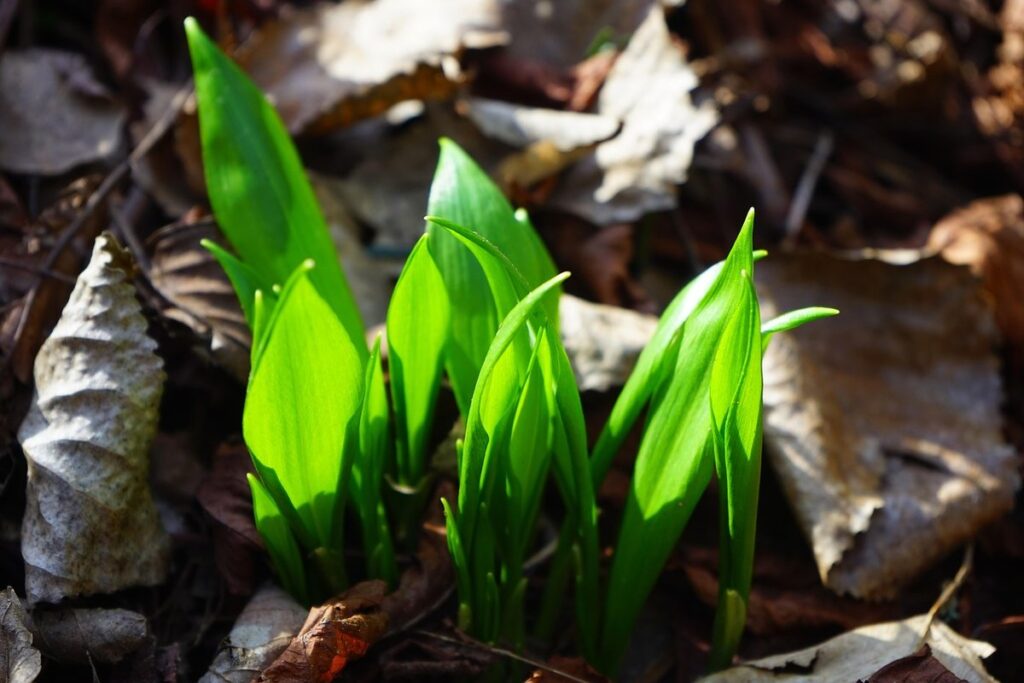
What are Garlic Sprouts?
Garlic sprouts are a lesser-known but nutrient-rich variety of garlic that’s packed with vitamins and minerals, making them a great addition to your diet. Let’s start by learning more about their unique characteristics and benefits.
Introduction to Garlic Sprouts
Garlic sprouts are a distinct form of garlic plant growth, characterized by their small size, tender leaves, and delicate flavor. Unlike mature garlic bulbs, which require several months to develop, garlic sprouts can be harvested within just 1-3 weeks after planting. This rapid growth cycle is due in part to the fact that sprouts are cultivated indoors or in controlled environments, where temperature and humidity levels can be precisely managed.
Compared to regular garlic, sprouts have a milder taste and aroma, making them an excellent choice for those who find mature garlic overpowering. They also contain higher concentrations of certain nutrients, such as vitamin C and potassium, due to the increased rate of photosynthesis that occurs during their rapid growth phase. When selecting a variety of garlic sprouts for cultivation or consumption, look for compact, disease-resistant strains specifically bred for their high yield potential and ease of growth.
To distinguish between genuine garlic sprouts and other types of microgreens, inspect the leaves for their characteristic elongated shape and delicate texture. Avoid confusion with scallions or shallots by noting the distinctive bulb formation at the base of each plant. By understanding these unique characteristics, you can confidently incorporate garlic sprouts into your culinary repertoire or start growing them indoors.
History and Cultural Significance
Garlic sprouts have been a staple in traditional medicine and cuisine across various cultures for thousands of years. In ancient China, garlic sprouts were used to treat a range of ailments, including fever, rheumatism, and indigestion. The Chinese herbal text “Shennong Ben Cao Jing” describes garlic sprouts as having warming properties and the ability to dispel cold and dampness from the body.
In Indian Ayurvedic medicine, garlic sprouts are considered a rasayana, or rejuvenating food, that promotes overall health and well-being. They are believed to have antioxidant and antimicrobial properties, which help protect against diseases and promote longevity. In India, garlic sprouts are often used in traditional recipes, such as chutneys and pickles.
In Korea, garlic sprouts are a key ingredient in kimchi, a fermented vegetable dish that is an essential part of the country’s cuisine. The Koreans have also been using garlic sprouts for centuries to treat digestive issues and prevent diseases like cancer. These historical uses demonstrate the significant cultural and medicinal value of garlic sprouts across different societies, and highlight their potential as a valuable ingredient in modern health and wellness practices.
Nutritional Benefits of Garlic Sprouts
Garlic sprouts are packed with vitamins, minerals, and antioxidants that can boost your immune system and support overall health. Let’s take a closer look at their impressive nutritional profile.
Micronutrient Profile
Garlic sprouts are an excellent source of essential vitamins, minerals, and antioxidants. They contain a wealth of vitamin C, with a single serving providing up to 10% of the recommended daily intake. Vitamin K is also abundant in garlic sprouts, playing a crucial role in blood clotting and bone health.
Mineral-wise, garlic sprouts are rich in potassium, manganese, and copper. Potassium helps regulate fluid balance and supports healthy blood pressure, while manganese acts as an antioxidant to protect cells from damage. Copper, though present in smaller amounts, is vital for immune function and connective tissue health.
The antioxidants found in garlic sprouts are primarily sulfur-containing compounds like allicin and allyl cysteine sulfoxide. These compounds have been shown to possess anti-inflammatory properties and may help mitigate oxidative stress. The combined effect of these nutrients makes garlic sprouts an attractive addition to a balanced diet, offering potential health benefits such as reduced inflammation and enhanced immune function.
A serving size of 1/4 cup (about 10g) of garlic sprouts provides approximately 2-3mg of vitamin K, 100mg of potassium, and negligible amounts of fat or calories.
Anti-Inflammatory Properties
Garlic sprouts contain a range of anti-inflammatory compounds, including allicin, diallyl disulfide, and S-allylcysteine. These sulfur-containing molecules have been shown to inhibit the production of pro-inflammatory enzymes and cytokines, which contribute to chronic inflammation.
Research suggests that consuming garlic sprouts may help mitigate the risk of heart disease by reducing blood pressure and lipid levels. A study published in the Journal of Nutrition found that a diet rich in garlic compounds significantly lowered systolic blood pressure in participants with hypertension.
Garlic sprouts also exhibit anti-cancer properties, thanks to their ability to modulate cellular pathways involved in tumor growth and metastasis. The phytochemicals present in garlic sprouts have been shown to induce apoptosis (cell death) in cancer cells and inhibit angiogenesis (the formation of new blood vessels that supply the tumor).
To reap the anti-inflammatory benefits of garlic sprouts, include them in your diet as a condiment or add them to salads, smoothies, and soups. Aim for 1-2 tablespoons per serving, as the bioavailability of these compounds may decrease with excessive consumption.
Growing Garlic Sprouts: A Beginner’s Guide
Growing garlic sprouts is a simple and rewarding process that requires minimal equipment, making it perfect for gardeners of all skill levels. Let’s start by covering the basics of growing these nutritious sprouts from seed.
Choosing the Right Variety
When it comes to growing garlic sprouts, selecting the right variety is crucial for a successful harvest. There are several types of garlic suitable for sprouting, each with its unique characteristics and growth requirements.
Some popular varieties for sprouting include ‘Silverskin’, ‘Russian Giant’, and ‘Elephant’. Silverskin garlic has a mild flavor and grows relatively quickly, making it ideal for beginners. Russian Giant garlic, on the other hand, is known for its robust flavor and larger bulb size. Elephant garlic produces massive cloves with a sweet, nutty flavor.
Other factors to consider when choosing a variety include climate and soil requirements. For example, some varieties are more tolerant of cooler temperatures than others. ‘Rocambole’ garlic, for instance, thrives in colder climates and has a milder flavor.
When selecting a variety, also consider the desired growth period. Some garlic sprouts mature faster than others, typically within 6-8 weeks. It’s essential to research the specific needs of each variety to ensure you provide optimal growing conditions. By choosing the right variety for your climate and growing conditions, you can enjoy a bountiful harvest of delicious garlic sprouts.
Soil and Climate Requirements
Garlic sprouts prefer well-draining soil with a pH between 6.0 and 7.0. To prepare the soil, mix in compost or aged manure to improve its fertility and structure. You can also add a balanced fertilizer according to the package instructions.
When it comes to climate, garlic sprouts require a temperate environment with moderate temperatures. The ideal temperature range is between 60°F (15°C) and 70°F (21°C). Avoid exposing your sprouts to extreme temperatures, as this can cause them to bolt or become too weak.
In terms of moisture, garlic sprouts need consistent moisture levels, especially during the germination phase. Keep the soil consistently moist but not waterlogged. Aim for about 1-2 inches of water per week, either from rainfall or irrigation.
Some popular varieties of garlic that grow well into sprouts include ‘Elephant’ and ‘Creole’. These varieties are known to thrive in cooler temperatures and can be grown indoors with proper care. When selecting a variety, consider the specific climate and soil conditions you have available.
Preparing and Cooking Garlic Sprouts
To bring out the best flavor, you’ll need to know how to properly prepare and cook garlic sprouts, which involves a few simple techniques and considerations. We’ll walk through these steps together below.
Safety Precautions
When handling garlic sprouts, it’s essential to acknowledge a potential risk associated with their consumption. Raw or undercooked garlic sprouts can contain a compound called allyl propyl disulfide, which has been linked to an increased risk of cancer. However, this concern is largely mitigated by proper preparation and cooking methods.
To minimize this risk, ensure you cook your garlic sprouts thoroughly until they’re tender and slightly caramelized. This process breaks down the allyl propyl disulfide into a harmless compound. You can achieve this by steaming or sautéing them with a small amount of oil for 2-3 minutes. Avoid overcooking, as this will cause the sprouts to become unpalatable and potentially develop off-flavors.
If you choose to consume raw garlic sprouts, opt for those that are specifically labeled as “sprouted” or “germinated.” These products have undergone a process where they’re allowed to germinate in a controlled environment, reducing the levels of allyl propyl disulfide. Always follow proper food safety guidelines when handling and storing garlic sprouts, keeping them refrigerated at 40°F (4°C) or below to prevent spoilage and contamination.
Culinary Uses and Recipes
Garlic sprouts bring a pungent flavor and aroma to various dishes. They pair well with rich ingredients like cheeses, meats, and sauces. One of the simplest ways to incorporate garlic sprouts is by adding them towards the end of cooking time for pasta, rice, or stir-fries. Chop them finely and sauté with olive oil until fragrant.
For a savory twist on traditional pesto, blend garlic sprouts with basil, pine nuts, Parmesan, and olive oil. Use this sauce as a dip or spread it on sandwiches. Garlic sprouts also complement roasted vegetables like Brussels sprouts, carrots, or sweet potatoes. Toss them together with olive oil, salt, and pepper before roasting.
In sweet treats, garlic sprouts add a unique depth to baked goods like muffins, scones, or cookies. Try adding minced garlic sprouts to your favorite pancake recipe for a surprising twist. When using garlic sprouts in baking, keep the amount small (about 1-2 teaspoons) as they can be potent.
Some common mistakes when working with garlic sprouts include overpowering dishes with too much garlic flavor and not cooking them long enough to mellow out their pungency. To avoid these issues, cook garlic sprouts for at least a few minutes until they’re softened and fragrant.
Health Benefits and Therapeutic Applications
Garlic sprouts have been used for centuries to promote overall well-being, and we’ll explore their specific health benefits and therapeutic applications in more detail.
Their medicinal properties make them an excellent addition to a healthy diet and lifestyle.
Immune System Support
Garlic sprouts contain compounds like allicin, which have been shown to stimulate immune cell activity. This immunomodulatory effect can help boost the body’s natural defense against pathogens and diseases. Research suggests that garlic sprouts may also exhibit antiviral properties, potentially reducing the severity of illness.
Studies have demonstrated that consuming garlic sprouts can increase antibody production, a key indicator of immune function. Additionally, the sulfur compounds present in garlic sprouts have been found to activate immune cells, such as macrophages and natural killer cells, which play a crucial role in fighting off infections.
To reap the immunomodulatory benefits of garlic sprouts, it’s essential to consume them fresh or frozen, as heat can break down these delicate compounds. A daily serving size of 1-2 ounces (28-57g) is recommended. Consider adding garlic sprouts to your salads, sandwiches, or sautéing them with olive oil as a side dish.
Some key considerations for incorporating garlic sprouts into your diet include:
- Starting with small amounts and gradually increasing the quantity to allow your body to adjust
- Combining garlic sprouts with other immune-boosting foods, such as citrus fruits or leafy greens, for enhanced benefits
Digestive Health and Gut Microbiome
Garlic sprouts contain prebiotic fibers that feed beneficial gut bacteria, promoting a balanced microbiome. These prebiotics are particularly high in inulin and fructooligosaccharides (FOS), which are not digestible by human enzymes but serve as a nutrient source for probiotic bacteria. As a result, garlic sprouts can help increase the population of beneficial bacteria like Bifidobacterium and Lactobacillus.
The prebiotic properties of garlic sprouts have been shown to improve digestion, reduce symptoms of irritable bowel syndrome (IBS), and even alleviate conditions like constipation and diarrhea. By supporting a healthy gut microbiome, garlic sprouts can also boost the immune system’s function, which is often compromised in individuals with digestive issues.
To reap these benefits, you can consume garlic sprouts raw or cooked as part of your meals. Some research suggests that cooking may break down some of the prebiotic fibers, but even lightly steaming or sautéing can still retain a significant amount of their beneficial compounds. When choosing garlic sprouts for digestive health, look for varieties high in fiber content and low in sulfur compounds, which can be irritating to sensitive stomachs.
Advanced Topics: Garlic Sprout Science and Research
Garlic sprouts have been studied extensively for their potential health benefits, but what does the research really say? Let’s take a closer look at some of the most interesting findings.
Phytochemical Analysis
Garlic sprouts contain a complex mix of phytochemicals, including polyphenols, flavonoids, and sulfur compounds. These compounds have been shown to exhibit antioxidant and anti-inflammatory activities, which may contribute to the health benefits associated with garlic sprout consumption. For instance, allicin, a key sulfur compound in garlic, has demonstrated potent antioxidant properties by neutralizing free radicals and reducing oxidative stress.
The phytochemical profile of garlic sprouts can be influenced by factors such as soil quality, climate, and growing conditions. Studies have found that garlic sprouts grown in optimal conditions tend to have higher levels of bioactive compounds compared to those grown under suboptimal conditions.
To maximize the antioxidant activity of garlic sprouts, it’s essential to consume them fresh or use methods that minimize heat damage during preparation. Cooking can destroy some phytochemicals, so gentle cooking techniques like sautéing or steaming may be preferable to boiling or frying. Additionally, research suggests that consuming garlic sprouts in combination with other antioxidant-rich foods may have synergistic effects and enhance overall health benefits.
Pharmacological Studies
Researchers have investigated the pharmacological effects of garlic sprouts, exploring their potential applications in medicine. These studies focus on the bioactive compounds present in garlic sprouts, which are responsible for their medicinal properties. For instance, a 2018 study published in the Journal of Agricultural and Food Chemistry found that garlic sprout extract exhibited significant antioxidant activity, suggesting its potential use as an anti-inflammatory agent.
Another key area of research is the analysis of garlic sprout’s pharmacokinetic profile, including how it interacts with other compounds in the body. A 2020 study in Phytomedicine examined the bioavailability and metabolism of allicin, a key compound found in garlic sprouts. The findings highlighted the importance of individual variability in response to garlic sprout consumption.
Pharmacological studies also investigate the potential therapeutic applications of garlic sprouts, including their anti-bacterial properties. A study published in 2019 in the Journal of Food Science observed that garlic sprout extract exhibited significant antimicrobial activity against certain strains of E. coli and S. aureus.
Frequently Asked Questions
Can I grow garlic sprouts indoors year-round?
Yes. With proper care and a controlled environment, you can successfully grow garlic sprouts indoors regardless of the season outside. This involves maintaining optimal temperature (around 60-70°F) and humidity levels, ensuring adequate light exposure (natural or artificial), and providing consistent watering schedules.
How do I prevent overwatering when growing garlic sprouts?
Overwatering is a common mistake that can lead to root rot and other issues. To avoid this, make sure the soil drains well, water only when the top inch of soil feels dry, and check for moisture regularly by sticking your finger into the soil up to the first knuckle.
What if I accidentally ingest raw garlic sprouts and experience digestive discomfort?
If you consume undercooked or raw garlic sprouts and experience symptoms like bloating, nausea, or stomach pain, try drinking a glass of milk or eating some yogurt to help neutralize the compounds causing discomfort. You can also consider consulting with a healthcare professional for personalized guidance.
Can I use garlic sprouts in place of garlic cloves in recipes?
While both share similar flavors and aromas, garlic sprouts have a milder taste and softer texture than mature garlic. Use them as a substitute in cooked dishes where the heat will break down their enzymes, but be cautious when substituting in raw or lightly cooked applications due to potential digestive issues.
How do I store garlic sprouts to maintain their nutritional value?
To preserve the delicate nutrients and flavors of your garlic sprouts, store them in an airtight container at room temperature (not refrigerated), away from direct sunlight. You can also consider freezing them for later use by blanching in boiling water for 30 seconds before sealing in airtight containers or freezer bags.
