
Corn rootworm infestations are a significant concern for farmers and crop managers, particularly in regions where corn is a major crop. These pesky insects can cause severe damage to roots, leading to reduced yields and decreased profitability. You may be aware of the devastating impact of corn rootworm on your fields, but do you know how to effectively detect and manage infestations? Understanding the life cycle and behavior of corn rootworms is crucial in implementing prevention techniques that work. This article aims to provide a comprehensive guide on understanding, detecting, and managing corn rootworm infestations with effective control methods. By the end of this article, you’ll be equipped with the knowledge to identify potential threats and take proactive steps to protect your crops from these destructive pests.
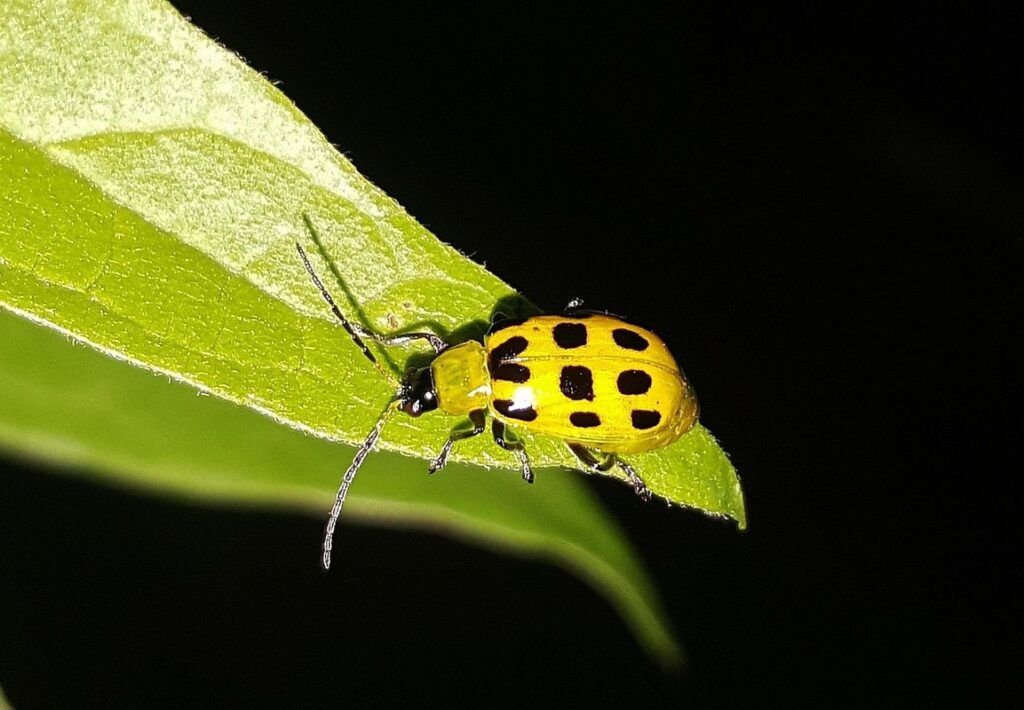
What is a Corn Rootworm?
At its core, understanding what a corn rootworm is begins with knowing how this pest specifically targets and damages corn plants, leading to significant yield loss. Let’s start by examining the biology of these damaging insects.
Definition and Identification
A corn rootworm is a type of insect that belongs to the Chrysomelidae family. It has a distinctive elongated body shape and a dark brown to black color with yellow or white stripes on its back. Adult corn rootworms are typically 1/2 inch long, making them relatively easy to spot in the field.
During their life cycle, corn rootworms undergo four stages: egg, larva, pupa, and adult. The female lays her eggs in soil near the base of a corn plant, which hatch into larvae within a few days. These larvae feed on the roots of the corn plant, causing significant damage. If left unchecked, the larvae can survive overwinter in the soil and emerge as adults the following spring.
To identify corn rootworms in the field, look for signs such as small holes or notches along the edges of corn leaves, or yellowing or stunted plants. You can also inspect the roots of affected plants to check for larval damage. Monitoring your fields regularly during peak emergence periods (June and July) is essential for early detection and effective management.
Economic Impact on Agriculture
Corn rootworm infestations can cause significant economic damage to agriculture. Each year, corn rootworms result in substantial crop losses due to damaged roots and reduced water and nutrient uptake. According to estimates, a single infestation can lead to yield losses ranging from 10% to 50% or more. This loss is not only quantifiable in terms of revenue but also impacts the overall sustainability of agricultural operations.
Control costs are another major concern for farmers struggling with corn rootworm infestations. Chemical controls, such as insecticides and seed treatments, can be expensive, especially when used extensively across large fields. Additionally, repeated use of these chemicals has led to concerns about pesticide resistance, further increasing control costs. Biological controls, like introducing beneficial insects or microorganisms, offer an alternative but require significant investment in research, infrastructure, and training.
Farmers should also consider crop rotation as a preventative measure against corn rootworm infestations. Planting non-host crops can break the life cycle of the pest, reducing the need for costly control measures. By integrating such strategies into their management plans, farmers can mitigate the economic impact of corn rootworms on their agricultural operations.
Causes and Factors Contributing to Corn Rootworm Infestations
Corn rootworm infestations are often the result of a complex interplay between genetics, environmental factors, and agricultural practices. Understanding these contributing elements is crucial for effective management strategies.
Climate Change and Its Role
Warmer temperatures and changing precipitation patterns associated with climate change have a significant impact on corn rootworm populations. Rising temperatures allow the pests to complete their life cycle more quickly, resulting in multiple generations per growing season. This accelerated growth rate enables corn rootworms to adapt rapidly to changes in their environment, making them more resilient to control methods.
A shift towards warmer and drier conditions also affects soil moisture levels, which can lead to increased stress on corn plants. When the soil is dry for extended periods, corn roots are more susceptible to damage from corn rootworm larvae. Conversely, excessive rainfall can cause soil compaction, further exacerbating root damage.
The changing climate has also altered the timing of corn rootworm emergence and activity. Warmer springs often trigger early hatching, while cooler summers may prolong the pest’s active period. Farmers need to adjust their management strategies accordingly, taking into account the specific weather conditions in their region and adapting their control measures to mitigate the impact of climate change on corn rootworm populations.
Farmers can prepare for these changes by monitoring local weather patterns and adjusting their planting schedules and crop selection based on the expected climate trends in their area.
Soil Type and Erosion
Soil type plays a significant role in corn rootworm infestations. Areas with sandy soils are particularly vulnerable to infestations due to their loose structure, which allows larvae to move freely and feed on roots more easily. In contrast, poorly drained soils can also contribute to the problem by creating anaerobic conditions that favor the development of rootworm populations.
In regions with high levels of erosion, such as those with steep slopes or intense rainfall, soil disturbance can dislodge eggs and larvae from deeper soil layers, making them more accessible to insects. This increased vulnerability is particularly pronounced in areas where tillage practices are frequent, as they can further disrupt the soil ecosystem.
To mitigate these effects, farmers may consider incorporating conservation tillage practices into their rotation plans. By reducing soil disturbance, they can help prevent the upward movement of larvae and reduce the overall population density. Additionally, planting cover crops or using crop rotations that include legumes can also improve soil health and reduce erosion, making it more difficult for rootworm populations to establish themselves in these areas.
Corn Rootworm Resistance to Pesticides
The widespread use of pesticides to control corn rootworm has led to a significant increase in resistance among the pest population. This phenomenon is not unique to corn rootworm, as many insect species have developed resistance to various pesticides over time. In the case of corn rootworm, repeated exposure to the same pesticides has accelerated this process.
Several factors contribute to pesticide resistance in corn rootworm. The use of a single type of pesticide year after year allows resistant individuals to survive and reproduce, passing on their genetic traits to subsequent generations. Additionally, the development of “superweeds” or “superpests” can occur when crops are repeatedly treated with pesticides, leading to the emergence of highly resistant populations.
To mitigate this issue, farmers should adopt integrated pest management (IPM) strategies that combine multiple control methods, including crop rotation, cultural controls, and biological controls. This approach can help slow down the development of pesticide resistance by reducing reliance on a single type of pesticide. In some cases, rotating between different types of pesticides or using combinations of pesticides may also be effective in managing resistance.
Detection Methods for Corn Rootworm Infestations
To effectively manage corn rootworm infestations, it’s crucial to accurately detect their presence early on. This can be achieved through a variety of methods that involve monitoring soil and plant symptoms.
Visual Inspection and Sampling Techniques
When visually inspecting fields for signs of corn rootworm damage, start by walking through the area and looking for clusters of damaged plants. These areas often have a more pronounced appearance than surrounding healthy sections. Check for symptoms like stunted growth, yellowed or wilted leaves, and cracked seed pods. Note that early stages of infestation may not be immediately apparent, so it’s essential to pay close attention.
In addition to visual inspection, sampling techniques can provide valuable insights into the extent of an infestation. The most common method involves taking soil cores from multiple locations within the field using a probe or auger. These samples are then sent to a laboratory for analysis. When collecting samples, make sure to follow proper protocols, such as taking at least 10-15 cores per acre and recording the exact coordinates of each sample.
When interpreting soil test results, look for signs of root damage, such as shredded roots or evidence of tunneling. A small number of damaged plants can indicate a minor infestation, but if multiple samples show significant root damage, it may be time to consider more aggressive control measures.
Soil Testing and Analysis
Soil testing is a crucial component of detecting corn rootworm infestations. It allows farmers to assess the soil’s nutrient levels, pH, and moisture content, all of which can be affected by rootworm activity. There are two primary types of soil tests: extractive tests and non-extractive tests.
Extractive tests involve collecting soil samples and processing them in a laboratory to determine nutrient levels, such as nitrate or phosphorus. This information helps farmers understand the overall health of their soil and identify potential issues caused by rootworms. Non-extractive tests, on the other hand, use portable devices to analyze soil properties in the field.
Analysis methods for soil samples typically include laboratory-based techniques like chromatography or spectroscopy. These methods can detect specific nutrients or contaminants, such as pesticide residues. When interpreting test results, farmers should consider factors like soil type and crop history to get a comprehensive picture of their soil’s condition. By combining soil testing with other detection methods, such as visual inspection and sampling techniques, farmers can develop a more accurate understanding of corn rootworm infestations in their fields.
Integrated Pest Management (IPM) Strategies
Effective IPM strategies involve a combination of techniques that minimize chemical use and maximize crop yields, making them a crucial part of corn rootworm management. We’ll explore these approaches in more detail below.
Crop Rotation and Planning
Crop rotation is a crucial aspect of managing corn rootworm populations. By rotating crops, you can break the life cycle of corn rootworms and reduce the risk of infestations. Corn rootworm larvae feed on roots, so planting non-host crops like soybeans or alfalfa can give your corn fields a much-needed break.
When planning crop rotations, consider the following best practices: plant a diverse range of crops, including non-host species; rotate every 2-3 years to avoid building up resistance in the soil; and choose crops that are well-suited to your local climate and soil type. For example, planting winter rye or oats as a cover crop can help suppress corn rootworm populations by providing a food source for beneficial insects.
It’s also essential to consider the timing of your rotations. Planting non-host crops during the spring or fall can be particularly effective in reducing corn rootworm populations. Some farmers have reported success with rotating corn every other year, planting soybeans or alfalfa in between.
Cultural Controls and Soil Amendments
Reduced tillage is a cultural control method that can be effective in preventing corn rootworm infestations. By minimizing soil disturbance, you reduce the amount of oxygen available to the larvae, making it harder for them to survive. This technique involves using equipment with specialized blades or tines that break up the soil without turning it over.
Cover crops are another valuable tool in managing corn rootworm populations. Planting cover crops such as winter rye, hairy vetch, or alfalfa after harvesting corn can help suppress weed growth and provide a habitat for beneficial insects. These crops also act as a food source for the larvae, reducing their need to feed on corn roots.
Soil amendments like neem oil, diatomaceous earth, and corn gluten meal can be applied to the soil to repel or kill corn rootworm larvae. Neem oil, in particular, has been shown to be effective against various pests, including corn rootworms. When using these amendments, follow the recommended application rates and timing to ensure their effectiveness.
Some farmers also use compost tea as a natural soil amendment to improve soil health and reduce pest populations. However, its efficacy may vary depending on factors like soil type and climate.
Advanced Control Methods
Effective management of corn rootworm requires more than just basic strategies, so let’s explore advanced techniques that can help you get a handle on this damaging pest. This includes methods like precision agriculture and targeted insecticides.
Biological Controls and Traps
Parasites such as the wasp Ampheogonius corni and the fungus Beauveria bassiana are natural enemies of corn rootworms. These parasites can be used to control populations by introducing them into fields where infestations have been detected. For example, research has shown that releasing large numbers of A. corni wasps in areas with high corn rootworm pressure can significantly reduce larval populations.
Traps can also be effective for monitoring and managing corn rootworm populations. Sticky traps coated with pheromones can attract adult beetles, allowing farmers to track population trends. Additionally, pitfall traps baited with sweet liquids or commercial lures can capture a significant portion of the local adult population.
When using biological control methods, it’s essential to consider factors such as weather conditions and crop variety. For instance, Beauveria bassiana is more effective in cooler temperatures, while A. corni wasps perform better in warmer climates. By understanding these dynamics and incorporating them into their IPM strategies, farmers can optimize the effectiveness of biological controls and minimize chemical pesticide use.
Emerging Technologies and Genomics
Emerging technologies are transforming the way corn rootworm infestations are managed. One promising area is genomics, which involves analyzing the genetic makeup of corn rootworms to better understand their behavior and develop targeted control strategies. For instance, researchers have identified specific genes that contribute to the pest’s resistance to certain pesticides. This knowledge can be used to design new pesticides or breeding programs for corn resistant to these pests.
Another example is the use of CRISPR-Cas9 gene editing technology to introduce genetic modifications in corn plants that make them less susceptible to rootworm damage. While still in its infancy, this approach holds promise for developing more resilient crop varieties. Additionally, genomics can aid in the development of biological control methods by identifying specific strains of beneficial organisms that can be used to target and kill rootworms.
In practical terms, farmers can explore working with researchers or companies that are already exploring these emerging technologies. They can also participate in field trials or advisory committees to stay informed about new developments and provide input on their potential impact. By embracing genomics and other cutting-edge technologies, farmers may be able to develop more effective and sustainable control methods for corn rootworm.
Frequently Asked Questions About Corn Rootworms
We’ve gathered some of the most common questions about corn rootworms, addressing concerns you may have about their life cycle, impact on crops, and management strategies. Find answers to these pressing questions below.
Common Misconceptions and Myths
Many growers mistakenly believe that corn rootworms are a recent problem, but evidence suggests they’ve been present on farms for over 150 years. This myth likely stems from the fact that severe infestations only started to occur in the 1990s and early 2000s. However, corn rootworms have always existed in the Midwest region, where corn is a major crop.
Another misconception is that corn rootworms are primarily attracted to certain types of soil or moisture levels. While it’s true that they prefer well-drained soils with adequate moisture, this doesn’t mean that growers can simply change their soil conditions to avoid infestations. In reality, corn rootworms are highly adaptable and can thrive in a wide range of environments.
Some farmers also believe that using the same pesticide rotation year after year will keep corn rootworm populations under control. However, relying on pesticides alone can lead to resistance issues, as seen in some regions where the pests have developed resistance to certain chemicals. A more effective approach involves integrating multiple management strategies, including crop rotation, cultural controls, and biological controls.
Best Practices for Management and Control
To effectively manage and control corn rootworm populations, it’s essential to implement a combination of cultural, biological, and chemical controls. One crucial best practice is to rotate crops regularly, avoiding continuous planting of corn on the same field for more than three years. This breaks the life cycle of the pest, making it difficult for them to adapt and develop resistance.
Another key strategy is to use soil amendments that promote healthy root growth and make the soil less conducive to rootworm infestations. For example, adding organic matter like compost or manure can improve soil structure and fertility, while reducing the risk of root damage.
When applying chemical controls, it’s essential to follow integrated pest management (IPM) guidelines, which recommend using the minimum effective dose and timing pesticides for optimal efficacy. This approach not only reduces the environmental impact but also helps minimize the development of pesticide resistance in corn rootworm populations.
To further reduce the risk of infestations, consider implementing a trap crop – a non-host plant that attracts adult rootworms away from your main crop. Some popular trap crops include sorghum or sunflower.
Frequently Asked Questions
What If I’ve Already Been Using Crop Rotation to Manage Corn Rootworms? Can I Stop Now?
Crop rotation is an essential component of integrated pest management (IPM) strategies for corn rootworms. However, simply rotating crops may not be enough to manage infestations if other factors like climate change and soil type are contributing to the problem. To determine whether crop rotation alone can control corn rootworm populations, consider monitoring your fields regularly and adjusting your rotation plan accordingly.
How Do I Know If a Biological Control Method is Working? What Are Some Signs of Success?
Biological control methods for corn rootworms, such as introducing parasites or predators, can be effective in managing infestations. To determine whether these methods are working, look for signs like reduced egg hatch rates, decreased larval populations, and improved crop yields. Additionally, monitor the health and diversity of beneficial organisms introduced to your fields.
Can I Use Soil Amendments Alone to Prevent Corn Rootworm Infestations? What Kind Works Best?
While soil amendments can help prevent corn rootworm infestations by improving soil health, they are not a standalone solution. A combination of cultural controls, like reduced tillage and cover crops, along with targeted applications of soil amendments, is likely more effective in managing infestations. Look for soil amendments that promote beneficial microorganisms, improve soil structure, and enhance nutrient availability.
What If I Have Poorly Drained Soils? How Can I Adapt Integrated Pest Management Strategies to Suit My Soil Type?
Soil type can significantly impact the effectiveness of integrated pest management (IPM) strategies for corn rootworms. If you have poorly drained soils, consider using raised beds or drainage systems to improve soil aeration and reduce waterlogging. Additionally, focus on cultural controls like reduced tillage and cover crops that are adapted to your specific soil type.
Can I Use Emerging Technologies Like Genomics to Diagnose Corn Rootworm Infestations? What Are the Benefits?
Emerging technologies like genomics can be useful in diagnosing corn rootworm infestations by providing insights into pest biology, ecology, and population dynamics. These technologies can help identify resistance mechanisms, predict population trends, and inform targeted management strategies. However, their application requires significant expertise and resources, making them accessible only to a limited number of stakeholders.
