Starting a successful cow dairy farm requires more than just a green thumb. It demands a deep understanding of livestock health, nutrition, and management to produce high-quality milk consistently. You may have a passion for agriculture or be looking to diversify your farming operation, but navigating the world of cow dairy farming can be daunting without proper guidance. From breeding and feeding strategies to sanitation and disease prevention, there are many factors at play that can make or break a dairy farm’s profitability. In this article, we’ll explore essential tips on cow dairy farming, covering topics such as marketing and sales strategies, to help you set up a thriving dairy operation that meets the demands of consumers while ensuring the health and well-being of your animals. By the end of this article, you’ll have a solid understanding of what it takes to succeed in cow dairy farming.
Benefits and Advantages of Cow Dairy Farming
Cow dairy farming offers numerous benefits, from fresh milk production to improved livestock health, making it an attractive venture for aspiring farmers. Let’s take a closer look at these advantages in detail.
Improving Livestock Health
Maintaining healthy cows is essential for optimal milk production. A well-nourished cow will produce higher-quality milk and have a reduced risk of disease. Providing adequate nutrition involves offering high-quality hay, grains, and minerals tailored to the specific needs of the breed.
Vaccinations are another crucial aspect of cow health management. Regular vaccinations protect against common diseases such as mastitis, brucellosis, and tuberculosis. Consult with a veterinarian to determine the best vaccination schedule for your herd. Consider factors like age, health status, and environmental conditions when creating a vaccination plan.
Parasite control is also vital to maintaining healthy cows. Internal parasites can cause significant losses in milk production, while external parasites like ticks and flies can transmit diseases. Regular deworming treatments, strategic grazing practices, and keeping pastures clean can help minimize parasite infestations.
Maximizing Milk Production
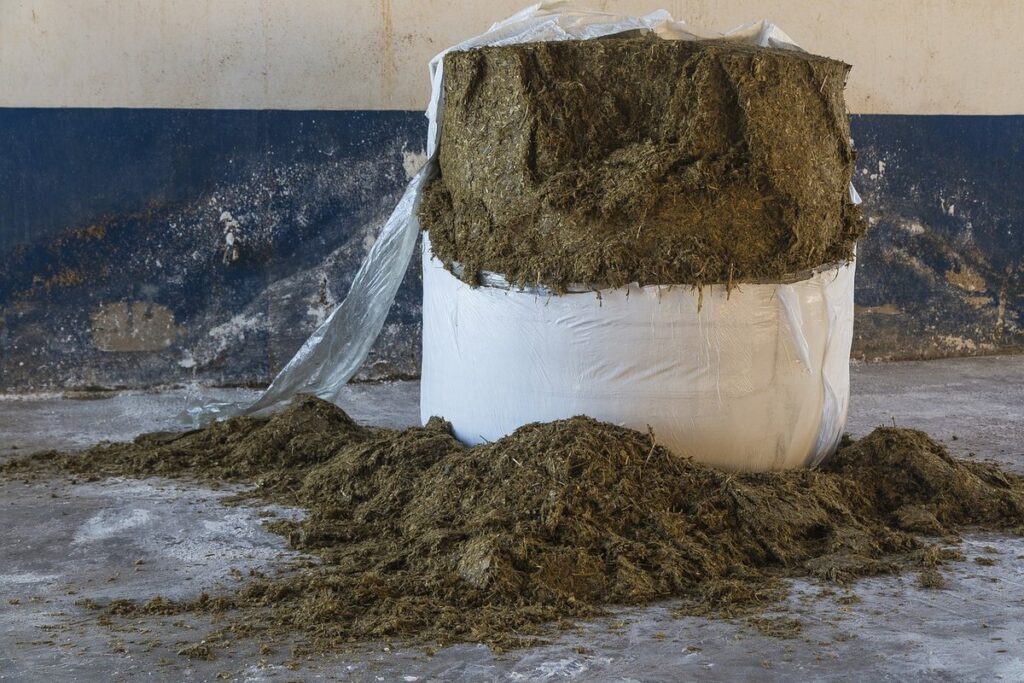
To maximize milk production without compromising cow health, dairy farmers must implement a comprehensive feeding program. This includes providing high-quality hay and silage that meets the nutritional needs of lactating cows. The ideal feeding strategy should be tailored to the specific breed, age, and production level of each cow.
A well-planned breeding program is also essential for boosting milk yield. Selecting breeds with high genetic potential for milk production, such as Holsteins or Jerseys, can significantly increase farm yields. Additionally, breeding programs that focus on traits like fertility and udder health can help maintain a healthy herd while maximizing milk output.
Milking frequencies should also be optimized to promote maximum milk production. Most dairy farmers find that milking twice a day is the most effective frequency for maintaining high milk yields while minimizing the risk of mastitis. It’s essential to monitor cow comfort and adjust milking schedules accordingly to ensure cows are not over-milked or under-milked.
A balanced breeding program, optimized feeding practices, and strategic milking frequencies can help dairy farmers achieve their maximum milk production potential while maintaining a healthy and productive herd.
Setting Up a Cow Dairy Farm
When setting up a cow dairy farm, it’s crucial to consider factors such as land selection, infrastructure, and equipment needs for a successful operation. Let’s discuss these essential considerations in more detail.
Land and Infrastructure Requirements
When setting up a cow dairy farm, one of the most critical considerations is land and infrastructure requirements. A suitable location should have well-drained soil with adequate pasture for grazing. The ideal terrain should be relatively flat to facilitate easy farming operations.
A reliable water supply system is also essential. This can be achieved through natural sources such as rivers or lakes, or artificial ones like boreholes or wells. Ensure that the water source is close to the farm to minimize transportation costs and energy consumption.
In terms of infrastructure, a dairy farm requires several key components. These include:
- A milking parlour with adequate space for cows to be milked comfortably
- A dairy storage area for collecting and storing milk
- A feed store for storing hay, grains, and other feed supplies
- Manure pits or slurry tanks for efficient waste management
A well-designed farm layout is crucial for efficiency and productivity. Consider the following when designing your infrastructure:
- Place the milking parlour close to the cow shed for easy access
- Locate the dairy storage area near the milking parlour for streamlined operations
- Position the feed store conveniently to minimize transportation distances
Choosing the Right Breeds
When selecting cow breeds for dairy farming, it’s essential to consider their milk production, temperament, and adaptability to local conditions. A few factors will significantly influence your decision: climate, feed availability, and intended milk usage.
High-yielding breeds like Holsteins and Friesians are often chosen for commercial dairy farms due to their exceptional milk production capabilities. However, these breeds may be less suitable for small-scale or organic operations. In contrast, temperamental considerations come into play when selecting breeds for smaller farms where labor is more intensive. Ayrshires, Jerseys, and Guernseys are generally more docile and easier to handle.
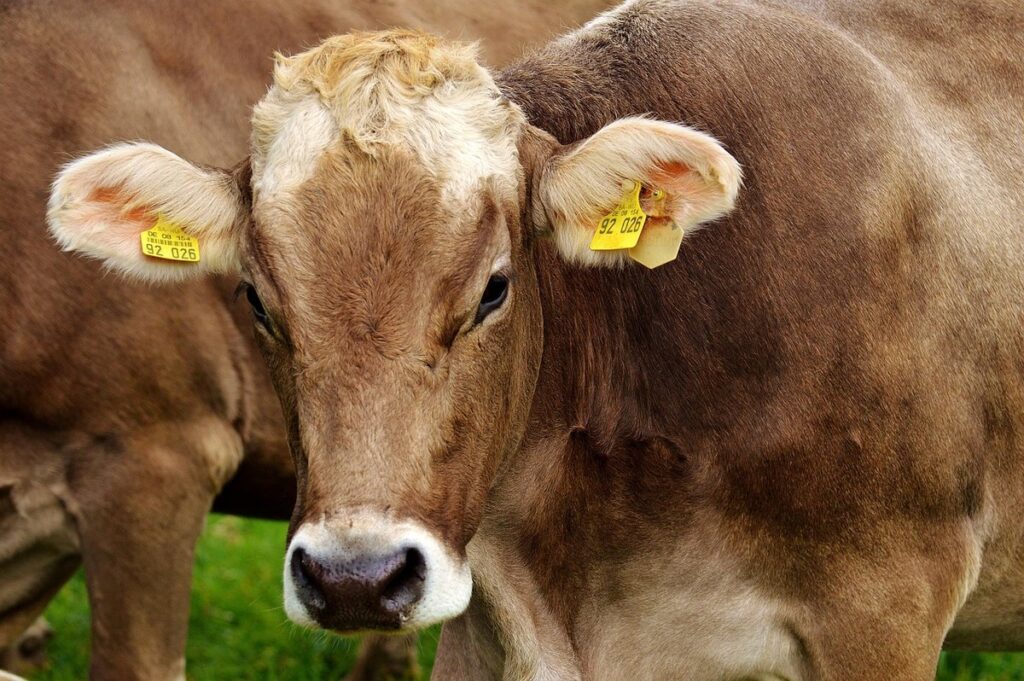
Additionally, adaptability to local conditions is crucial. For example, heat-tolerant breeds like the Brown Swiss are better suited for tropical climates, while cold-hardy breeds like the Milking Shorthorn perform well in temperate regions. When choosing a breed, consider factors such as feed requirements, disease resistance, and milk fat content. If you’re producing cheese or butter, a breed with higher milk fat content may be more desirable.
The best approach is to research specific breeds that excel in local conditions and intended uses.
Dairy Farm Operations and Management
Effective dairy farm operations rely on efficient management of day-to-day tasks, including feeding, breeding, and milking programs. A well-planned approach can significantly impact the overall productivity and profitability of your cow dairy farm.
Milking and Handling Procedures
Proper milking techniques are essential for maintaining milk quality and safety. This involves ensuring that cows are handled gently but efficiently to prevent stress and injury. Milkers should be trained to recognize signs of discomfort or pain, such as restlessness or increased heart rate, and adjust their technique accordingly.
Sanitation practices are also crucial in preventing contamination and spoilage. Milkers should wash their hands thoroughly before handling milk and equipment, and wear clean uniforms to prevent the transfer of bacteria. The milking area itself should be cleaned regularly, with a focus on the udder and teat areas, where bacteria can accumulate.
Milk storage procedures are equally important. Milk should be cooled quickly after milking to slow bacterial growth, and stored in a refrigerated tank or container. Regular testing for bacterial contamination and other quality parameters is essential to ensure that milk meets safety standards. This involves taking regular samples from each cow and analyzing them for factors such as somatic cell count and bacterial load.
Aim to store milk at 4°C (39°F) or lower, with a maximum holding time of 24 hours. Consider implementing a double-bagging system to prevent contamination during transportation.
Monitoring and Record Keeping
Effective monitoring and record keeping are crucial aspects of dairy farm operations. Tracking cow health, milk production, and farm finances helps identify trends, optimize production, and make informed decisions. You can use software specifically designed for dairy farming to streamline record keeping, such as Farmforce or AgriWebb.
These systems enable you to track vital signs, monitor feed intake, and monitor milk quality. Some software also integrates with milking machines, providing real-time data on production levels and helping you detect any anomalies. Regularly reviewing these records allows you to identify patterns in cow health and adjust your management strategies accordingly.
For example, if a particular breed is consistently producing more milk than others, you can adjust your feeding schedule or breeding program to capitalize on this trend. Additionally, monitoring farm finances helps you track expenses, revenues, and profit margins, ensuring that the farm remains financially sustainable. By maintaining accurate and detailed records, you can make data-driven decisions, improve efficiency, and ultimately increase profitability.
Marketing and Sales Strategies
To successfully market and sell your cow dairy farm, you’ll need effective strategies that showcase your products’ quality and benefits to customers. This section will cover key marketing and sales tactics specifically designed for the dairy industry.
Identifying Target Markets
Identifying your target markets is crucial for a successful cow dairy farm. You need to consider both local and potential export markets, as well as different demographics within those markets. Start by researching consumer trends and preferences in your area, including age, income level, and dietary habits.
For example, you may find that there’s a high demand for organic milk among health-conscious consumers in urban areas, while rural communities prefer traditional farming methods and lower prices. You should also look into export markets, such as countries with growing dairy consumption or those with favorable trade agreements with your country.
To tailor your marketing efforts, consider the following factors:
- Age: Are you targeting young families or retirees?
- Income level: Are you selling to low-income households or high-end restaurants?
- Dietary habits: Do you cater to vegetarians, vegans, or people with lactose intolerance?
Understand that these demographics may vary between markets, and it’s essential to tailor your marketing strategy accordingly. By identifying your target audience, you can create effective marketing campaigns that speak directly to their needs and preferences, ultimately driving sales and revenue for your cow dairy farm.
Pricing and Profitability Analysis
When pricing milk and dairy products, you must consider several key factors. First, calculate your production costs, including feed, labor, veterinary care, and equipment maintenance. These expenses will directly impact your profit margins. Analyze market trends to determine the going rate for similar products in your area. Keep an eye on competitor pricing to stay competitive.
Understand that prices can fluctuate due to changes in supply and demand, seasonality, and weather conditions. For example, during droughts or heatwaves, milk production may decrease, leading to higher prices. Conversely, if there’s a surplus of milk, you may need to lower your prices to encourage consumption.
To maintain profitability, consider offering value-added products that command premium prices. This could include organic, grass-fed, or specialty dairy items. Develop relationships with local chefs and restaurants to secure bulk orders at negotiated rates. By balancing production costs, market trends, and competition, you can set prices that ensure a sustainable profit margin for your cow dairy farm. Consider implementing a tiered pricing system to cater to different customer segments, such as wholesale versus retail customers.
Environmental Considerations and Regulations
When it comes to dairy farming, environmental considerations are crucial for sustainable production. This section will explore the regulations and best practices that ensure our cows’ well-being doesn’t come at the expense of the planet’s health.
Manure Management and Waste Reduction
Effective manure management is crucial for cow dairy farming to minimize environmental impact. Manure from cows contains high levels of nutrients such as nitrogen and phosphorus. If not handled properly, these nutrients can pollute waterways and harm aquatic life.
To address this issue, many farms implement composting techniques. Composting breaks down the organic matter in manure into a nutrient-rich fertilizer that can be reused on the farm. This process involves mixing the manure with other materials such as straw or sawdust to create an ideal carbon-to-nitrogen ratio. By adding sufficient oxygen and maintaining the right moisture levels, microorganisms can efficiently break down the manure.
Some key considerations for effective composting include:
- Ensuring a 25:1 carbon-to-nitrogen ratio
- Maintaining adequate oxygen flow
- Regularly turning the compost pile to speed up decomposition
- Monitoring temperature to prevent anaerobic conditions
By implementing these strategies, farms can significantly reduce waste and minimize their environmental footprint. Proper manure management not only benefits the environment but also enhances farm productivity by reducing nutrient loss and creating a valuable fertilizer resource.
Adhering to Local Regulations
To avoid fines and penalties, it’s essential to familiarize yourself with local regulations governing dairy farming. These can vary significantly depending on the region, so research is crucial before setting up your farm. Zoning laws, for instance, dictate where you can build your farm, while water usage permits ensure that you’re using this precious resource sustainably.
In many areas, animal welfare standards are also enforced, outlining specific requirements for cow care and housing. Make sure to understand these regulations to avoid non-compliance issues. For example, some jurisdictions require cows to have access to pasture or specify minimum space allocations per animal.
To comply with local regulations, start by checking with your local government’s website or contacting their agricultural department directly. You may also want to consult with other dairy farmers in the area who have experience navigating these regulations. Some regions offer workshops or training programs on environmental regulations and best practices for dairy farming. Take advantage of these resources to ensure you’re meeting all necessary requirements.
Key regulations to review include:
- Zoning laws
- Water usage permits
- Animal welfare standards
- Manure management requirements
- Environmental impact assessments
Challenges and Future Directions
As you continue on your journey of establishing a successful cow dairy farm, it’s essential to consider the common challenges that many farmers face and explore ways to overcome them sustainably. Let’s examine these obstacles together.
Common Issues and Solutions
Disease outbreaks can be a significant challenge for dairy farmers. These can be caused by various factors such as poor sanitation, inadequate vaccination programs, and overcrowding. To mitigate these risks, it’s essential to maintain robust biosecurity measures on the farm.
This includes regular cleaning and disinfection of milking equipment, storage facilities, and living areas, as well as implementing a strict quarantine protocol for new animals introduced to the herd. A well-planned vaccination program is also crucial in preventing diseases such as mastitis and hoof problems.
Equipment failures can be costly and time-consuming to rectify. Regular maintenance checks on milking machines, pumps, and other critical equipment are essential to prevent breakdowns. It’s also important to keep spare parts and have a backup plan in place for sudden repairs.
Labor shortages can be another significant challenge for dairy farmers, particularly during peak milking seasons. To address this issue, consider implementing a part-time or seasonal workforce, or investing in technology that automates some of the more labor-intensive tasks.
Emerging Trends and Technologies
Precision agriculture is revolutionizing cow dairy farming by enabling farmers to optimize crop yields and reduce waste. This approach uses advanced technologies such as drones, satellite imaging, and data analytics to monitor soil moisture, temperature, and nutrient levels. By making data-driven decisions, farmers can apply exactly the right amount of fertilizer, reducing environmental impact while increasing efficiency.
Robotic milking systems are another emerging trend in cow dairy farming. These automated systems allow cows to be milked on demand, rather than at fixed intervals. This not only improves cow comfort and reduces stress but also increases milk production and quality. Some farms have seen a 10-20% increase in milk yield after implementing robotic milking.
Alternative feed sources are also gaining traction in the industry. With rising concerns over greenhouse gas emissions from livestock farming, farmers are exploring ways to reduce their carbon footprint. Examples include using insect-based protein supplements or algae meal as a substitute for traditional soybean or cornmeal feed. These novel feed sources can help dairy farms achieve carbon neutrality while maintaining high milk production standards.
Frequently Asked Questions
What If I’m New to Dairy Farming and Don’t Know Where to Start with Implementing These Strategies?
Start by identifying your goals for the farm, whether it’s increasing milk production or improving profitability. Then, prioritize the most important areas of improvement and begin with small-scale changes. For example, you could start by implementing a new feeding program or adjusting milking frequencies. As you gain experience and confidence, you can tackle more complex projects.
How Can I Adapt These Strategies to Small-Scale Dairy Farming Operations with Limited Resources?
While the strategies outlined in this guide are geared towards larger-scale operations, many of the principles can be applied to smaller farms as well. Consider focusing on a single area for improvement, such as optimizing milking procedures or streamlining record keeping. Additionally, look into cost-effective alternatives for infrastructure and equipment that can help reduce startup costs.
Can I Mix Different Breeds on My Dairy Farm, or Should I Stick with a Single Breed?
Yes, it’s possible to mix different breeds on your dairy farm, but it requires careful consideration of factors like milk production levels, temperament, and adaptability. Mixing breeds can bring benefits such as increased genetic diversity and reduced susceptibility to disease. However, it also introduces challenges like managing breed-specific needs and potential conflicts between animals.
What If I Encounter Issues with Manure Management and Waste Reduction on My Farm?
Start by conducting a thorough assessment of your current manure handling practices and identifying areas for improvement. Consider investing in composting equipment or implementing more efficient storage solutions to reduce waste. You may also want to consult with local experts or industry professionals to get advice on best practices for managing manure and reducing environmental impact.
Can I Use Precision Agriculture Technologies on My Small Dairy Farm, or Are They Too Expensive?
Yes, precision agriculture technologies can be adapted to small dairy farms, and they don’t necessarily have to break the bank. Consider starting with smaller-scale applications like soil monitoring sensors or automated feeding systems that can help improve efficiency and reduce waste. As you become more familiar with these tools, you can gradually scale up your investment in more advanced technologies.