
Growing your own food can be a rewarding experience, but traditional gardening often requires a lot of water. Many regions around the world are facing droughts or water scarcity issues, making it crucial to find sustainable solutions for gardening. One approach is to focus on low-water crops that thrive in arid conditions, allowing you to grow vegetables, fruits, and grains with minimal watering needs. These plants have adapted to survive with little moisture, making them perfect for areas where water is scarce or expensive. In this article, we’ll explore the world of low-water crops, providing tips on how to grow them effectively and share conservation techniques to reduce water waste in your garden. By the end of this guide, you’ll know exactly which crops are best suited for your climate and have a clear understanding of how to implement sustainable gardening practices that conserve water while still producing bountiful harvests.
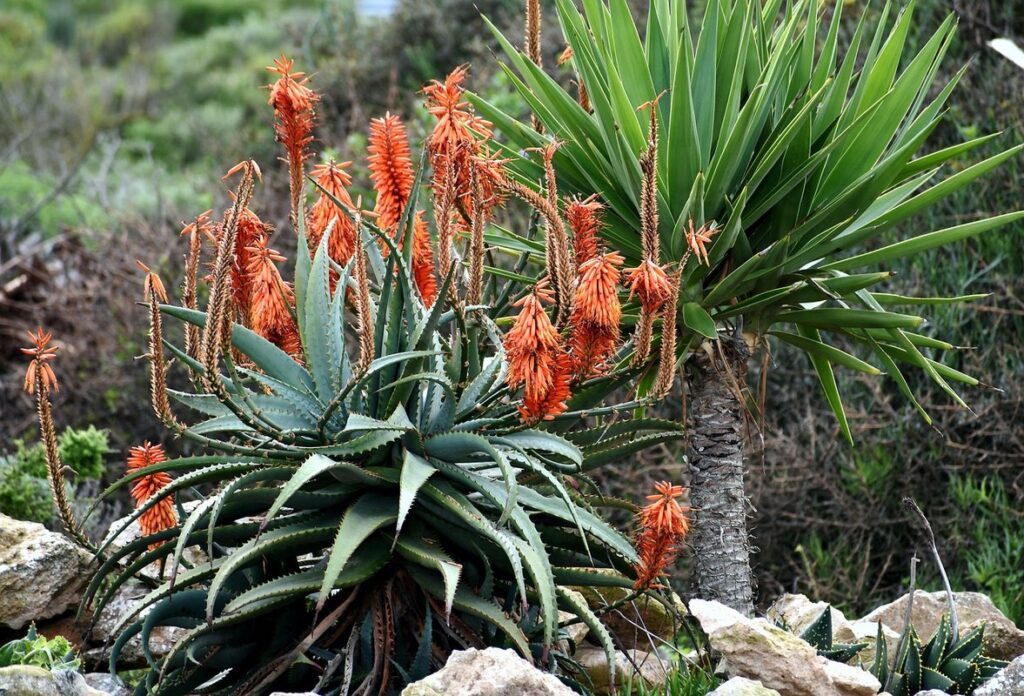
Understanding Drought-Tolerant Crops
Drought-tolerant crops are a game-changer for gardeners and farmers looking to reduce water consumption without sacrificing yields, offering a sustainable solution. Let’s take a closer look at these amazing plants.
What Makes a Crop Drought-Tolerant?
Drought-tolerant crops have evolved to thrive in water-scarce conditions through a range of key characteristics. One such trait is deep roots, which allow plants to access water deeper in the soil profile, reducing their reliance on surface moisture. This is particularly evident in crops like sorghum and millet, which can tap into groundwater sources up to 10 feet below the surface.
Waxy leaves are another adaptation that enables drought tolerance. These leaves have a thick, waxy coating that prevents excessive water loss through transpiration. Crops such as succulents and cacti exhibit this trait, storing water in their leaves and stems for extended periods. Drought-induced dormancy is also a common response to water scarcity. Some crops, like wheat and oats, will enter a dormant state when water becomes limited, reducing growth and metabolic activity until conditions improve.
These characteristics are not mutually exclusive, and many drought-tolerant crops exhibit multiple traits. For example, some crops have both deep roots and waxy leaves, allowing them to conserve water while still accessing deeper soil moisture.
Classification of Drought-Tolerant Crops by Water Use Efficiency
Drought-tolerant crops can be categorized based on their water use efficiency, which refers to how well a crop uses available water. Crops with low water use efficiency require more moisture than others but still thrive in arid environments. An example of such a crop is citrus trees, which need regular watering despite being drought-tolerant.
On the other hand, crops with high water use efficiency conserve water by minimizing evaporation and runoff. Succulents are a prime example of these low-water-use crops. They store water in their leaves, stems, or roots, allowing them to survive with minimal irrigation.
To put this into perspective, consider the Water Use Efficiency Index (WUEI), which rates crops based on their ability to conserve water. The WUEI ranges from 1 (low water use efficiency) to 10 (high water use efficiency). Crops like sorghum and quinoa typically score high on the WUEI due to their deep root systems, which allow them to access groundwater with minimal water loss.
Categorizing crops by water use efficiency helps gardeners choose the right crop for their specific climate and soil conditions. By selecting a crop that matches your local environment’s water availability, you can minimize waste and maximize yields while promoting sustainable gardening practices.
Vegetables That Can Thrive with Minimal Water
Many gardeners struggle to balance their watering needs, but some vegetables are naturally more drought-tolerant than others. Let’s explore four veggie varieties that can thrive even in water-scarce conditions.
Leafy Greens: A Low-Water Vegetable Option
Lettuce, spinach, and kale are some of the most popular leafy greens that can thrive with minimal watering. These crops have adapted to survive in areas with low rainfall by developing deep roots that allow them to absorb water from deeper soil layers. As a result, they require less frequent watering than other vegetables.
When grown in containers, leafy greens typically need only 1-2 inches of water per week. This can be achieved through infrequent but thorough watering, allowing the top 1-2 inches of soil to dry out between waterings. In direct ground planting, these crops can tolerate some drought and may not require supplemental irrigation during periods of moderate rainfall.
Some key considerations for growing leafy greens with minimal watering include selecting varieties that are bred for high water efficiency, such as ‘Red Leaf’ lettuce or ‘Space’ spinach. These plants also benefit from being grown in well-draining soil and full sun to part shade conditions. By choosing the right variety and providing optimal growing conditions, you can enjoy a bountiful harvest of leafy greens with minimal watering requirements.
Root Vegetables: Carrots, Beets, and Radishes
Root vegetables are a great choice for low-water gardening due to their unique ability to store water in their roots. This adaptation allows them to thrive with minimal irrigation. Carrots, beets, and radishes are three examples of root vegetables that can tolerate drought conditions.
Carrots, for instance, have a taproot system that extends several inches below the soil surface. As a result, they can access water deep within the soil profile even when the top layers dry out. Beets and radishes also store water in their roots, but to a lesser extent than carrots. They still require consistent moisture during the first few weeks of growth.
To grow root vegetables without wasting water, it’s essential to plant them at the right time. In areas with hot summers, spring planting is often ideal as it allows the roots to develop before summer drought sets in. Mulching around the plants can also help retain soil moisture and reduce evaporation. Avoid overwatering, which can lead to root rot and other problems.
A well-draining potting mix and a container with good drainage holes are crucial for healthy root development.
Fruits That Can Survive with Low Water Levels
When it comes to growing fruits in dry conditions, certain varieties can thrive on minimal watering. Some examples of drought-tolerant fruits are surprisingly hardy and easy to care for.
Citrus Trees: A Drought-Tolerant Fruit Option
Citrus trees are a viable fruit option for areas with minimal rainfall. Oranges, lemons, and limes are commonly grown varieties that can thrive in drought conditions. These trees have evolved to conserve water through adaptations such as thick bark, deep roots, and waxy leaves.
To care for citrus trees during periods of drought, it’s essential to monitor their soil moisture levels regularly. Check the top 6-8 inches of soil for dryness by inserting your finger or a small tool. If the soil feels dry, it’s time to water. Watering should be done deeply but infrequently to encourage deep root growth.
In areas with very low rainfall, consider planting dwarf citrus trees that require less space and can tolerate more drought stress. Prune your tree regularly to maintain its shape and promote healthy growth. Avoid over-watering, which can lead to root rot and other problems. With proper care, citrus trees can produce fruit for several years and provide a sustainable source of fresh produce even in areas with limited water resources.
Berries and Other Small Fruits
Berries and other small fruits are ideal choices for low-water gardens. Among these, strawberries are perhaps the most water-efficient option, requiring only about 1 gallon of water per week to produce a crop. Blueberries and raspberries also have relatively low water needs, but they do require slightly more water than strawberries.
Grapes are another popular choice for small fruit gardens, and they can thrive with minimal watering. However, they do require well-draining soil and a trellis or support system to maximize space. Kiwi vines are also a good option, as they have a shallow root system that allows them to make the most of available moisture.
When growing berries and other small fruits in low-water conditions, it’s essential to mulch around plants to retain moisture and suppress weeds. Water efficiently by watering deeply but infrequently, allowing soil to dry slightly between waterings. This encourages deep root growth and makes plants more drought-resistant over time. Regular pruning also helps promote healthy growth and fruit production.
Drought-Tolerant Grain Crops
Let’s take a closer look at some drought-tolerant grain crops that can thrive even in areas with limited water supply, providing reliable yields. We’ll explore their unique characteristics and benefits for your garden.
Sorghum: A High-Yielding Grain Crop for Arid Areas
Sorghum is one of the most widely cultivated drought-tolerant grain crops, particularly in dry regions such as Africa and Australia. Its ability to thrive in arid conditions makes it an attractive option for farmers seeking to reduce water consumption. One major benefit of sorghum is its high yield potential – up to 50% higher than other grain crops like maize or wheat.
Sorghum requires minimal irrigation, typically receiving no more than 30 inches of rainfall per year. When rainwater is insufficient, it can be supplemented with a shallow irrigation system that delivers water directly to the roots. This approach helps reduce soil evaporation and runoff, minimizing water waste.
To cultivate sorghum effectively, farmers should choose a suitable variety for their region’s climate and soil type. They should also ensure proper spacing and fertilization to optimize yield potential. With its high yields and low water requirements, sorghum can be a game-changer for arid regions where water scarcity is a significant challenge. By incorporating this crop into their rotation, farmers can improve food security while reducing their environmental impact.
Quinoa and Other Water-Efficient Grains
Quinoa and other water-efficient grains like amaranth and teff are gaining popularity for their exceptional nutritional value and low environmental impact. Quinoa is a complete protein, meaning it contains all nine essential amino acids that the human body cannot produce on its own. This makes it an excellent choice for vegetarians and vegans. Amaranth, another nutrient-dense grain, is rich in minerals like iron, calcium, and potassium.
Teff, a small-grained cereal native to Ethiopia, is highly drought-tolerant and requires minimal water for cultivation. Its nutritional profile includes high levels of fiber, protein, and various minerals. When choosing these grains, consider factors like soil quality and the right climate conditions. Amaranth and teff can thrive in areas with low rainfall, while quinoa performs well in cooler temperatures.
When incorporating these grains into your sustainable gardening practices, remember to rotate crops regularly to maintain soil fertility. You can also plant cover crops between harvests to reduce erosion and enhance biodiversity. By exploring water-efficient grain options like quinoa, amaranth, and teff, you’ll not only be reducing your environmental footprint but also enjoying nutrient-rich harvests.
Crops for Small-Scale Gardening: Options for Urban Areas
For those looking to grow their own food in small urban spaces, some crops are naturally more suited to low-water requirements than others. Let’s take a closer look at these water-efficient options.
Herbs and Microgreens: Low-Water Crop Options for Urban Gardens
Basil, mint, and rosemary are popular herbs that can thrive in urban gardens with minimal water. In fact, basil is one of the most drought-tolerant herbs, requiring only about 1 inch of water per week. Mint is another low-maintenance option, as it can survive with neglect but will still produce new growth when watered regularly.
Microgreens, which are young versions of leafy greens and other vegetables, also make excellent choices for urban gardens. They require minimal space, water, and care, yet provide a burst of flavor and nutrition in salads and sandwiches. Popular microgreen varieties include kale, arugula, and radish greens.
When growing herbs and microgreens in containers indoors or outdoors, it’s essential to use a well-draining potting mix to prevent waterlogged soil. Watering should be done sparingly, allowing the top 1-2 inches of soil to dry out between waterings. This approach will encourage deep root growth and make your plants more resilient to drought.
Some microgreen varieties can be harvested in as little as 7-10 days after sowing, making them an excellent choice for impatient gardeners or those with limited space. By growing herbs like basil and mint alongside nutrient-dense microgreens, urban gardeners can create a diverse and sustainable food system that requires minimal water and care.
Tips for Maximizing Water Efficiency in Small-Scale Gardening
To maximize water efficiency in small-scale gardening, consider the following strategies. Use rainwater harvesting systems to collect and store rainwater for irrigation. This can be as simple as installing a downspout diverter or creating a larger collection system with storage tanks.
Implement efficient irrigation techniques such as drip irrigation or soaker hoses, which deliver water directly to the roots of plants, reducing evaporation and runoff. Mulch around plants to retain soil moisture and reduce evapotranspiration rates.
Select crops that have low watering requirements and are adapted to local climate conditions. For example, in hot and dry areas, choose crops like succulents or cacti that can survive with minimal watering. Use a drip irrigation system for row crops like tomatoes or peppers, delivering water directly to the base of the plants.
Keep your garden’s soil in good health by incorporating compost or well-rotted manure, which improves its water-holding capacity and structure. Monitor soil moisture levels regularly using a moisture meter or simple tests like inserting a finger into the soil up to the knuckle. This will help you determine when to water and how much to apply.
Conservation Techniques for Reducing Water Waste
You’ll want to know how to minimize water usage without sacrificing your crop’s health, so let’s explore some effective conservation techniques.
Mulching and Cover Cropping: Techniques to Reduce Soil Evaporation
Mulching and cover cropping are essential techniques for reducing soil evaporation and retaining moisture in drought-tolerant crops. Mulch acts as a barrier between the soil surface and the air, preventing water loss through transpiration. Organic mulches like wood chips or straw can be applied 2-3 inches thick around plants to retain up to 90% of soil moisture. This not only reduces evaporation but also suppresses weed growth by blocking light.
Cover crops are another effective method for retaining moisture and suppressing weeds. These crops are typically planted between crop cycles to protect the soil from erosion and retain moisture. Examples include clover, rye, and oats. By incorporating cover crops into your rotation, you can reduce soil temperature fluctuations, maintain soil structure, and minimize water waste.
When implementing mulching or cover cropping, consider factors like soil type, climate, and crop selection. For instance, mulch may not be suitable for areas with high rainfall, as it can contribute to waterlogging issues. Similarly, some crops, such as sweet potatoes, are sensitive to mulch and require a thin layer.
A good rule of thumb is to apply 2-4 inches of organic mulch around plants or sow cover crops at the recommended density. Regular maintenance tasks like replenishing mulch or removing weeds can also help maximize these techniques’ benefits.
Efficient Irrigation Systems: Designing Low-Water Gardening Systems
When designing low-water gardening systems, efficient irrigation is crucial. One approach is to use drip irrigation systems, which deliver water directly to the roots of plants, reducing evaporation and runoff. This method can be particularly effective for crops like tomatoes and peppers that require consistent moisture levels.
Another strategy is to implement rainwater harvesting systems, which collect and store rainwater for later use. This can provide a significant source of water during periods of drought or low rainfall. Consider installing a rain barrel under your downspout to collect rooftop runoff and store it in a separate tank for irrigation purposes.
When selecting irrigation components, look for products with built-in flow regulators that prevent over-watering. These devices ensure that the correct amount of water is delivered to each plant, reducing waste and runoff. Consider using soaker hoses or porous pipes that release water slowly, mimicking natural rainfall patterns. By incorporating these features into your irrigation system, you can create a low-water gardening setup that minimizes waste while promoting healthy crop growth.
Challenges and Limitations of Growing Crops with Minimal Water
While growing crops with minimal water is a great way to reduce your environmental impact, there are some significant challenges you’ll face along the way. Understanding these limitations will help you plan and prepare for success.
Climate Change Impacts on Crop Water Requirements
Climate change is altering the delicate balance of water requirements for crops worldwide. Rising temperatures and changing precipitation patterns are leading to increased evaporation rates, exacerbating drought conditions, and creating unpredictable weather patterns. This shift affects crop water requirements in several ways: plants may require more water due to higher temperatures, while other areas experience reduced rainfall. For instance, a study on corn yields found that for every 1°C increase in temperature, crops required an additional 3-4% more water.
Agricultural regions are also experiencing more frequent and severe droughts, further straining crop water requirements. Drought-stressed plants often require more water to recover from the stress, but this can be challenging in areas with limited water resources. Unpredictable weather patterns make it difficult for farmers to plan irrigation schedules effectively, leading to potential water waste or underutilization.
To adapt to these changes, gardeners and farmers must carefully monitor local climate trends and adjust their crop selection and management strategies accordingly. This may involve choosing drought-tolerant crops, implementing efficient irrigation systems, and adopting conservation techniques to minimize soil evaporation.
Potential Drawbacks of Overreliance on Drought-Tolerant Crops
Overreliance on drought-tolerant crops can lead to reduced genetic diversity within crop populations. When farmers prioritize a single, highly resilient crop variety, they may inadvertently favor it over other varieties that might be better suited to their specific climate and soil conditions. This narrow focus can make entire fields more vulnerable to disease or pests if the dominant crop is susceptible.
Furthermore, overly reliant on drought-tolerant crops, farmers may overlook opportunities for improving water management practices. For instance, they might neglect to implement efficient irrigation systems or mulching techniques that can significantly reduce water waste.
In some cases, overemphasizing drought tolerance can even hinder breeding efforts aimed at developing new crop varieties with improved yields and nutritional content. By prioritizing a single trait – drought resistance – researchers may inadvertently compromise on other desirable traits, such as disease resistance or higher nutrient levels.
Case Studies and Best Practices for Sustainable Gardening
To take your sustainable gardening skills to the next level, we’ll examine real-world examples of water-efficient gardens and discuss best practices you can apply in your own outdoor space.
Successful Examples of Low-Water Farming Operations
In Arizona’s Sonoran Desert, the Living Lands Agrarian Cooperative has implemented a successful low-water farming operation. By using drip irrigation and mulching techniques, they’ve reduced water consumption by 70% compared to traditional farming methods. The cooperative grows drought-tolerant crops like amaranth and quinoa, which require minimal watering.
Another example is the Greenbelt Movement in Kenya, where community gardens have been established to promote sustainable gardening practices. These gardens use rainwater harvesting systems and employ mulching and cover cropping techniques to reduce soil evaporation. By growing low-water crops like beans and squash, community members have increased their food security while minimizing water waste.
These successful examples demonstrate the importance of integrating water-efficient practices into farming operations. Key takeaways from these initiatives include the need for careful crop selection, efficient irrigation systems, and effective soil management techniques. By adopting similar strategies, gardeners can reduce their water footprint and promote sustainable gardening practices in their own communities.
Lessons Learned from Sustainable Gardening Initiatives
One initiative worth examining is a community garden in California that focused on growing drought-tolerant crops. The garden used a combination of mulching and efficient irrigation systems to reduce water waste by 30%. Another notable project is the work done by a non-profit organization in Arizona, which developed a low-water farming system for small-scale farmers. This system included drip irrigation and crop rotation techniques to minimize water usage.
A key takeaway from these initiatives is the importance of community engagement and knowledge sharing. Both projects involved collaboration between farmers, researchers, and local authorities to develop and implement sustainable gardening practices. By working together, they were able to identify effective solutions and share best practices with other growers in their regions.
Some specific lessons learned include:
- The value of incorporating cover crops to reduce soil evaporation and improve soil health
- The need for regular monitoring and maintenance of irrigation systems to prevent water waste
- The potential benefits of using drought-tolerant crop varieties that are also high-yielding and nutrient-dense
Frequently Asked Questions
Can I grow all of these drought-tolerant crops in containers?
Yes, many of the crops mentioned can thrive in containers as long as they have good drainage and sufficient sunlight. This is especially true for leafy greens like lettuce and kale, which prefer well-draining soil and full sun to partial shade.
How do I know if my citrus tree is stressed due to drought or a pest issue?
Citrus trees often exhibit similar symptoms when stressed by drought versus pests. However, look for signs of dryness such as wilted leaves, yellowing or browning leaves, or reduced fruit production. If you suspect a pest issue, inspect the tree closely for any signs of damage or infestation.
What if I live in an area with unpredictable weather patterns due to climate change?
While drought-tolerant crops can help mitigate water scarcity, they may not be enough to guarantee success in areas with increasingly unpredictable weather patterns. Consider consulting local experts, adjusting your planting schedule according to weather forecasts, and implementing additional conservation techniques like mulching or cover cropping.
Can I use the same irrigation system for all my low-water crops?
While it’s tempting to reuse an existing irrigation system, it’s generally best to design a customized system for each crop type. This is because different plants have varying water requirements, root depths, and growth patterns. A tailored approach will help prevent over- or under-watering.
How do I transition from high-water crops to low-water crops in my garden?
Transitioning between high-water and low-water crops requires careful planning and management. Start by removing any existing crops with high water requirements, then prepare the soil for drought-tolerant varieties by incorporating mulch or cover crops. Monitor your new crop’s progress closely and adjust watering schedules accordingly based on weather conditions and growth patterns.

