
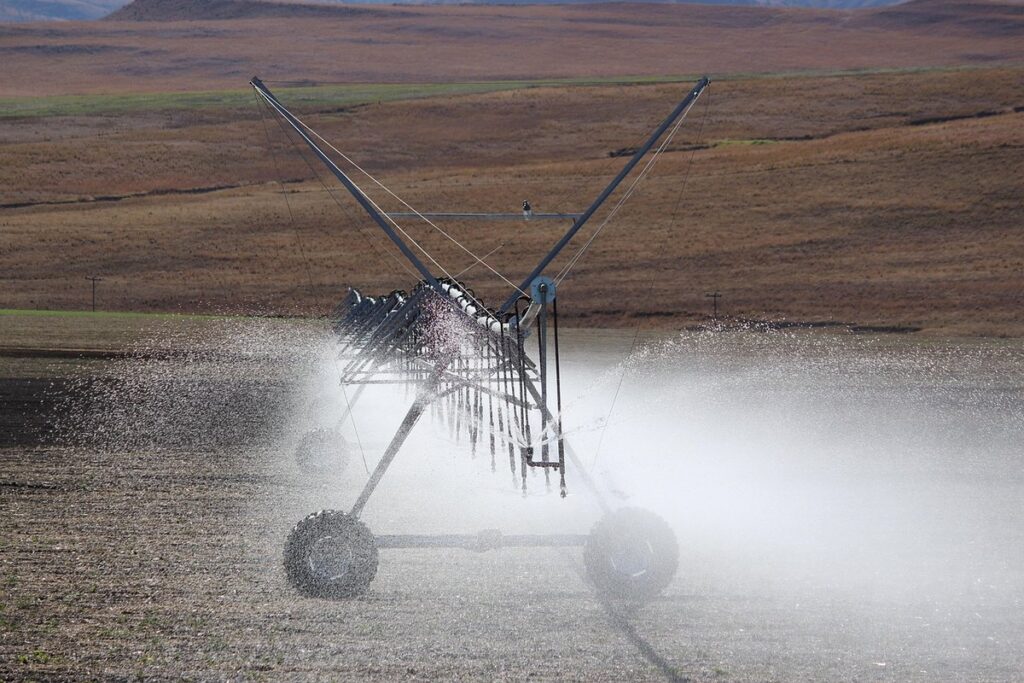
Gravity irrigation systems are quietly revolutionizing agriculture by harnessing the power of gravity to deliver water directly to crops, reducing waste and conserving this precious resource. In environments where water is scarce or unpredictable, such as arid regions or areas with limited rainfall, traditional irrigation methods often struggle to meet crop demands. This can lead to over-reliance on energy-intensive pumping systems, which not only consume valuable resources but also contribute to greenhouse gas emissions. By contrast, gravity irrigation offers a low-cost, eco-friendly alternative that allows farmers to optimize water use and promote sustainable agriculture practices. In this article, we’ll explore the benefits of gravity irrigation in detail and examine how it can be implemented effectively across various environments.
What is Gravity Irrigation?
Gravity irrigation systems are a simple yet effective way to deliver water to crops, relying on gravity to do the work for you. In this explanation, we’ll break down how these systems work and their benefits.
Definition and Principles
Gravity irrigation systems operate based on a fundamental principle: harnessing gravity to distribute water throughout a field or garden. This approach relies on the natural flow of water from a source, such as a reservoir or pond, to irrigate crops. The key factor is elevation – the system works best when the water source is higher than the areas being irrigated.
The concept of gravity irrigation is not new and has been used in various forms around the world for centuries. In fact, many traditional irrigation systems still rely on gravity-driven flow. However, modern gravity irrigation systems have evolved to incorporate more efficient designs and materials. For instance, large diameter pipes are often used to minimize friction losses and ensure a smooth flow of water.
To function effectively, gravity irrigation systems require a suitable topography. A gentle slope or incline is ideal, allowing the water to flow freely without significant pressure drops. The system’s design should also take into account the water source’s capacity to supply enough water for the entire area being irrigated.
Benefits of Gravity Irrigation
Gravity irrigation offers several benefits over traditional methods. One of the most significant advantages is its cost-effectiveness. Since gravity irrigation relies on water’s natural flow and pressure, there’s no need for pumps or other mechanical equipment, which reduces energy consumption and operating costs. This also eliminates the need for frequent repairs and replacements, saving time and resources.
Another benefit is the reduced environmental impact. Gravity irrigation systems don’t require complex infrastructure, such as pipes and valves, which can leach chemicals into the soil. Additionally, gravity irrigation tends to promote deeper root growth in plants, making them more drought-resistant and less dependent on frequent watering. This leads to a decrease in water consumption and runoff.
A well-designed gravity irrigation system can also improve crop yields by delivering water directly to the roots of plants, reducing evaporation and minimizing water loss due to runoff or overwatering. By adopting gravity irrigation, farmers can save money on energy bills while contributing to more sustainable agriculture practices.
Types of Gravity Irrigation Systems
Gravity irrigation systems come in various forms, each designed for specific agricultural needs and water availability. Let’s take a closer look at some common types to help you choose the right one for your farm.
Canal-Based Systems
A canal-based system is a type of gravity irrigation system where water flows from a higher elevation to a lower one through a series of canals. This setup allows for efficient and uniform watering of large areas, making it suitable for farms, orchards, and other agricultural applications.
When designing a canal-based system, consider the terrain’s slope and topography. A gentle slope is ideal for smooth water flow, but ensure that the gradient is sufficient to maintain adequate pressure for irrigation. The canal’s size and material selection also play crucial roles in preventing erosion and minimizing water losses due to seepage or evaporation.
During installation, carefully grade the canals to prevent settling and ensure proper drainage. Regular maintenance includes inspecting the canal walls and bottom for signs of damage or wear, clearing debris, and monitoring water levels to maintain optimal pressure. Additionally, consider implementing measures such as riprap lining or geotextile fabric to reduce erosion and prolong the system’s lifespan.
A well-designed and maintained canal-based system can provide years of reliable service, but it requires regular attention to prevent issues like sedimentation, clogging, and damage from extreme weather conditions.
Drip Irrigation with Gravity Feed
Drip irrigation with gravity feed systems combines the efficiency of drip irrigation with the natural flow of water downhill. This approach is particularly well-suited for flat to gently sloping lands where water can flow freely without the need for pumps or additional energy sources.
In a typical setup, water from a main source is channeled into a network of laterals that branch out to individual drippers, spaced at regular intervals over the crop area. The water flows through the system under gravity, minimizing pressure losses and ensuring consistent delivery to each plant. This design reduces evaporation, runoff, and deep percolation, resulting in significant water savings.
To optimize performance, it’s essential to choose the right dripper spacing and flow rate for your specific crop requirements. Generally, a spacing of 30-60 cm between drippers is recommended, with flow rates ranging from 2-10 liters per hour, depending on soil type and plant water needs. Regular maintenance, such as checking for clogged or damaged drippers, is also crucial to maintaining system efficiency and preventing water waste.
Other Variations and Innovations
Siphon tubes are a common variation of gravity irrigation systems used in agricultural settings. These tubes use atmospheric pressure to create suction and draw water from a source, typically a canal or reservoir, into a field or plot. By leveraging the natural flow of water downhill, siphon tubes can distribute water evenly across an area without the need for pumps.
Submersible pumps are another innovation in gravity irrigation systems. These small pumps are submerged directly in the water source and use a pressure switch to regulate the flow of water into the system. This setup is particularly useful in areas with limited head pressure or where a canal-based system isn’t feasible.
In certain regions, farmers have successfully integrated siphon tubes and submersible pumps to create hybrid gravity irrigation systems. These setups can be more efficient than traditional pump-driven systems, especially for smaller farms or plots of land. When designing such a system, it’s essential to consider factors like water pressure, flow rate, and pipe sizing to ensure optimal performance and minimize energy consumption.
Design Considerations for Gravity Irrigation Systems
When designing gravity irrigation systems, it’s essential to consider factors such as slope and elevation to ensure efficient water flow. This affects both system performance and maintenance costs.
Topography and Slope Analysis
When designing a gravity irrigation system, it’s essential to understand the terrain and its impact on water flow. Assessing slope and topography is crucial to ensure efficient and effective water distribution. A gentle slope allows water to flow freely, reducing pressure on pipes and pumps. However, steep slopes can cause erosion, channelization, and increased energy losses.
To analyze topography, start by creating a contour map of the land. This will help identify areas with different elevations, curves, and slopes. Next, calculate the slope gradient using a percentage or ratio of rise over run. A general rule of thumb is to limit the slope gradient to 1-2% for gravity-fed systems. Steeper slopes may require additional piping or pressurization.
When evaluating terrain, also consider factors like soil type, vegetation cover, and land use. For example, areas with dense vegetation or high water table may require more frequent maintenance or specialized equipment. Conversely, open fields with minimal slope can be served by a simple gravity-fed system. By understanding the terrain and its implications on water flow, designers can optimize their irrigation systems for maximum efficiency and effectiveness.
Water Source Selection and Characterization
When selecting a water source for a gravity irrigation system, it’s essential to consider factors such as availability, quality, and reliability. A nearby river or lake can be an ideal choice, but its water quality must be evaluated to determine if treatment is necessary. For instance, water from a nearby farm pond may contain sediment and debris that could clog the pipes.
To evaluate water quality, you’ll need to test for parameters such as pH, turbidity, and total dissolved solids (TDS). You can use simple DIY testing kits or send samples to a laboratory for more comprehensive analysis. Based on the results, you may need to implement treatment or filtration methods, such as sedimentation, coagulation, or reverse osmosis.
When evaluating different water sources, consider the flow rate and pressure required by your system. A high-flow source may be ideal, but it also increases the risk of erosion and damage to surrounding soil and crops. On the other hand, a low-flow source may require additional pumping equipment, which can increase energy costs and reduce system efficiency.
Typically, a gravity irrigation system will require water with a TDS level below 1,000 mg/L and a pH between 6.5 and 8.5 to prevent pipe corrosion and optimize crop growth. If your water source exceeds these parameters, you may need to implement additional treatment methods or consider using a different water source altogether.
Pipe Sizing and Material Selection
When determining pipe size for a gravity irrigation system, you need to consider flow rates and pressure drops. The pipe diameter should be sufficient to allow water to flow at the desired rate without excessive friction losses, which can lead to reduced efficiency and increased energy consumption. A good rule of thumb is to select a pipe with a diameter that allows for a velocity of 1-2 meters per second (m/s). For example, if you’re planning to irrigate a field with a flow rate of 100 liters per minute (L/min), a 50mm or 75mm diameter PVC pipe would be suitable.
The material selection also plays a crucial role in ensuring the longevity and durability of the system. You should choose materials that can withstand the operating pressures and temperatures, as well as any potential corrosive agents present in the water. Common options for gravity irrigation pipes include PVC, HDPE (high-density polyethylene), and concrete. Each has its pros and cons: PVC is lightweight and easy to install but may not be suitable for high-pressure applications; HDPE is more resistant to abrasion and chemicals but can be heavier and more expensive; and concrete pipes are very durable but often require specialized installation equipment.
It’s essential to consult local building codes, regulations, and industry standards when selecting pipe materials.
Installation and Maintenance of Gravity Irrigation Systems
Setting up a gravity irrigation system requires careful installation, including selecting the right materials and ensuring proper slope and elevation. Proper maintenance is also crucial to keep your system running efficiently.
Pre-Installation Preparation
Before installing a gravity irrigation system, it’s essential to prepare the land and lay the groundwork for a smooth installation process. Start by clearing the area of any debris, vegetation, or obstructions that could interfere with pipe laying or water flow. This may involve removing trees, shrubs, or other plants that could be damaged during excavation.
Next, conduct a thorough site survey to identify potential drainage issues and plan accordingly. Gravity irrigation relies on natural slope to facilitate water flow, but uneven terrain can disrupt this process. Mark out the pipe layout using stakes and twine, ensuring it aligns with your system design. This will also help you visualize any potential problems before digging begins.
Ensure proper drainage by installing a catchment or sump at the lowest point of the irrigation area. This will collect excess water and prevent erosion or flooding. You may also need to install additional drainage features such as swales or berms, depending on your specific site conditions.
System Installation Process
When installing a gravity irrigation system, it’s essential to follow a step-by-step approach to ensure proper function and efficiency. Begin by laying out the main pipes, taking care to maintain a slight gradient to facilitate water flow. Pipe fittings play a crucial role; use threaded connections for ease of assembly and disassembly.
Valve placement is another critical consideration. Typically, valves are installed at strategic points along the pipe network, allowing you to control water pressure and flow rates. When selecting valve locations, consider the specific needs of your system: for example, if you’re using a drip irrigation setup with gravity feed, you may want to place valves near individual zones or areas.
In addition to pipes and valves, other essential components include couplers, elbows, and tees. These fittings allow you to redirect water flow as needed and create branching networks within your system. Remember to secure all connections tightly to prevent leaks and ensure the integrity of your setup. By following these steps and taking care with each component, you’ll be well on your way to a successful gravity irrigation installation.
Ongoing Maintenance and Troubleshooting
Regular maintenance tasks should focus on preventing clogs and mineral buildup within the pipes. This can be achieved by flushing the system at least once a year with water of similar pH to the irrigation water. For example, if the irrigation water is acidic, use an acidic solution like vinegar or lemon juice to clean out any lime scale deposits.
When issues arise, troubleshoot common problems such as siphoning, where water flows back into the supply line instead of the distribution pipes. This can be caused by low pressure in the mainline or a faulty check valve. Check the system’s slope and adjust it if necessary to ensure proper drainage.
Other potential issues include leaks, pipe damage, and pump failure. Regularly inspect the system for signs of wear and tear, and perform routine checks on the pump and other moving parts. For instance, lubricate any mechanical components according to the manufacturer’s instructions.
Case Studies and Real-World Applications
Let’s take a look at some real-world examples of gravity irrigation systems in action, showcasing their effectiveness on farms and landscapes worldwide. These case studies demonstrate the benefits of this efficient water management approach.
Successful Implementations in Different Environments
Gravity irrigation systems have been successfully implemented across various agricultural settings. On small-scale farms, gravity-fed drip irrigation has enabled efficient water distribution to crops, reducing labor costs and increasing yields. For example, a study in California’s Central Valley showed that using gravity-fed drip irrigation increased tomato yields by 25% compared to traditional sprinkler systems.
In large-scale commercial operations, gravity irrigation is often used in conjunction with precision agriculture techniques. A farm in Australia implemented a gravity-based irrigation system that utilized real-time weather data and soil moisture sensors to optimize water application rates. This resulted in significant reductions in water usage and energy consumption.
Urban agriculture also benefits from gravity irrigation systems. In cities like Singapore and Tokyo, rooftop gardens and community plots have been equipped with gravity-fed irrigation systems, allowing for efficient water use and increased crop yields. These examples demonstrate the adaptability and effectiveness of gravity irrigation systems across different agricultural contexts, making them a viable option for farmers and growers seeking to optimize their water resources.
Lessons Learned and Future Directions
Analyzing key takeaways from case studies and exploring potential future developments and improvements for gravity irrigation technology reveals several valuable lessons. For instance, a thorough understanding of topography and slope analysis is crucial to designing effective gravity-fed systems, as seen in the successful implementation of a canal-based system in a region with varying elevations.
Innovative solutions, such as using recycled water or integrating with existing infrastructure, have also shown promise in optimizing gravity irrigation’s efficiency and sustainability. Furthermore, careful consideration of pipe material selection and sizing has been critical to minimizing water losses and ensuring long-term system performance.
As the world grapples with increasing water scarcity and climate change, future developments should prioritize integration with renewable energy sources and smart irrigation technologies. This could enable real-time monitoring and data-driven decision-making for farmers and water managers. Implementing such advancements will require close collaboration between engineers, policymakers, and local communities to ensure that gravity irrigation systems remain adaptable and responsive to evolving needs.
Environmental Impact and Sustainability
Gravity irrigation systems have a significant impact on the environment, which is why it’s crucial to consider their sustainability. Let’s take a closer look at how these systems affect our planet.
Water Conservation Benefits
Gravity irrigation systems are designed to minimize water loss and optimize water usage. One of the primary benefits is reduced evaporation, which can account for up to 70% of water wasted through traditional sprinkler systems. By delivering water directly to the roots of plants, gravity irrigation reduces runoff and prevents over-saturation.
In a typical drip irrigation setup with gravity feed, water is distributed evenly throughout the field or garden, minimizing dead zones where water tends to collect. This targeted approach not only conserves water but also promotes healthy root growth and increased crop yields.
To further enhance water conservation benefits, consider using porous pipes or those with built-in oxygenation systems. These features allow for more efficient infiltration of water into the soil, reducing the need for frequent watering cycles. For example, a study in California found that implementing gravity-fed drip irrigation resulted in a 30% reduction in water usage without compromising crop quality.
When designing your gravity irrigation system, take note of local water restrictions and regulations to ensure you’re utilizing this water-saving technology effectively.
Energy Efficiency and Reduced Emissions
Gravity irrigation systems are designed to optimize water distribution without the need for pumps, which significantly reduces energy consumption. This aspect is particularly noteworthy when compared to traditional irrigation methods. In most cases, these systems rely on gravity alone to transport water from a source to the point of use, eliminating the energy-hungry pump operation.
The lower energy requirements of gravity irrigation systems result in reduced greenhouse gas emissions, making them an attractive option for environmentally conscious farmers and landowners. Studies have shown that by minimizing energy consumption, these systems can decrease their carbon footprint by 70-90% compared to conventional methods. This substantial reduction is primarily attributed to the elimination of pump operation.
A key consideration when implementing gravity irrigation systems is ensuring a sufficient water head – typically at least 10 meters above the desired distribution point. By carefully selecting and positioning the water source, farmers can create a self-sustaining system that relies on gravity alone for water transport. This design principle enables efficient use of available resources while minimizing environmental impact.
Long-Term Sustainability and Adaptability
A gravity irrigation system’s long-term sustainability depends on its adaptability to changing climate conditions and future water availability. To assess a system’s viability, consider the following factors: water supply reliability, soil moisture monitoring, and crop selection.
In areas with projected droughts or water scarcity, systems can be designed with redundancy and storage capacity to mitigate risks. For instance, incorporating rainwater harvesting tanks or underground reservoirs can supplement dry-season water sources. Additionally, using drip irrigation with gravity feed allows for precise water delivery, reducing evaporation and runoff losses.
Regular monitoring of soil moisture levels helps optimize water distribution and prevent over-irrigation. This data also informs crop selection, enabling farmers to choose drought-tolerant or low-water crops. Some examples include drought-resistant varieties of corn, wheat, and soybeans. By integrating climate-resilient crops with gravity irrigation systems, farmers can reduce their reliance on external water sources and maintain productivity in the face of changing weather patterns.
By evaluating these factors and implementing adaptive strategies, gravity irrigation systems can ensure long-term sustainability and remain viable even under uncertain climate conditions.
Frequently Asked Questions
Can I use gravity irrigation in areas with steep slopes or significant elevation changes?
Yes, gravity irrigation can be adapted to areas with steep slopes or elevation changes. However, it’s essential to carefully assess the topography and design the system accordingly to ensure efficient water distribution and prevent erosion.
How do I determine if a gravity irrigation system is suitable for my specific climate and soil conditions?
To determine suitability, consider factors like rainfall patterns, soil type, and crop requirements. Analyze data from local weather stations or consult with experts to understand how these variables will impact your gravity irrigation system’s performance.
What are some common mistakes to avoid when designing a gravity irrigation system, particularly in relation to pipe sizing and material selection?
Avoid underestimating water flow rates, which can lead to reduced efficiency or even damage to the system. Also, be cautious of using materials that may corrode over time, compromising the integrity of the pipes.
Can I integrate other water-saving technologies with gravity irrigation systems, such as drip irrigation or mulching?
Yes, integrating these technologies can enhance the water-conserving benefits of gravity irrigation. Consider combining gravity-fed systems with drip irrigation for efficient crop watering, especially in areas with low rainfall or high evaporation rates.

