
Cucumber gardens can be a joy to tend, but they’re also susceptible to a range of pests and diseases that can quickly take hold. Infestations by aphids, whiteflies, and spider mites can lead to significant losses in yield and quality, while fungal diseases like powdery mildew and downy mildew can spread rapidly through a crop. Identifying the warning signs of pest or disease issues early on is crucial to preventing further damage and ensuring a healthy harvest.
As you know, integrated pest management (IPM) techniques are essential for controlling these issues effectively. However, many gardeners struggle with knowing where to start when it comes to managing cucumber pests and diseases. This comprehensive guide will walk you through the key signs of common cucumber pests and diseases, provide expert advice on prevention and treatment methods, and share advanced techniques for maintaining a healthy and resilient crop by the time you finish reading this article.
Common Cucumber Pests
Some of the most common and frustrating pests that can infest your cucumber plants are aphids, spider mites, and whiteflies. Let’s take a closer look at each of these pesky critters and how to identify them.
Aphids and Whiteflies
Aphids and whiteflies are two of the most common pests affecting cucumber crops worldwide. Aphids are small, soft-bodied insects with a pear-shaped body, typically 1-3 mm long, while whiteflies are tiny flying insects that resemble miniature moths.
Both aphids and whiteflies feed on plant sap, causing curled or distorted leaves, stunted growth, and reduced yields. Aphid colonies can grow rapidly, producing multiple generations in as little as two weeks, with some species capable of reproducing year-round. Whiteflies, on the other hand, lay eggs on the underside of leaves, which hatch into nymphs that eventually develop wings.
The damage caused by aphids and whiteflies is not only cosmetic; it can also lead to secondary issues like fungal infections and reduced fruit quality. Aphid honeydew, a sticky substance excreted by the insects, can promote the growth of sooty mold on leaves, further stressing the plant. Whitefly infestations often require multiple treatments due to their rapid reproduction rate and ability to develop resistance to pesticides.
Effective management strategies include introducing natural predators like ladybugs or lacewings, which feed on aphids and whiteflies, as well as using physical barriers to prevent adult whiteflies from reaching the plants. Regular monitoring for early signs of infestation is crucial in preventing these pests from getting out of control.
Spider Mites and Thrips
Spider mites and thrips are two common pests that can have a significant impact on cucumber crops. Spider mites are tiny, eight-legged arachnids that feed on plant sap, causing yellowing or bronzing of leaves and fine webbing on the underside of leaves. Thrips, on the other hand, are small insects with piercing-sucking mouthparts that feed on plant fluids, often leaving behind a sticky honeydew substance.
Spider mites thrive in hot, dry conditions, while thrips prefer warmer temperatures and high humidity. Both pests can cause significant damage to cucumbers by weakening the plant’s ability to photosynthesize and transmit viruses. To control spider mites and thrips, gardeners can use neem oil or insecticidal soap sprays to suffocate the eggs and immature stages of these pests.
For severe infestations, systemic insecticides may be necessary. However, it’s essential to follow Integrated Pest Management (IPM) principles and consider using physical barriers, such as fine mesh screens, to prevent adult thrips from reaching the plants in the first place. Regular monitoring and early detection are crucial to preventing these pests from causing significant damage.
Caterpillars and Beetles
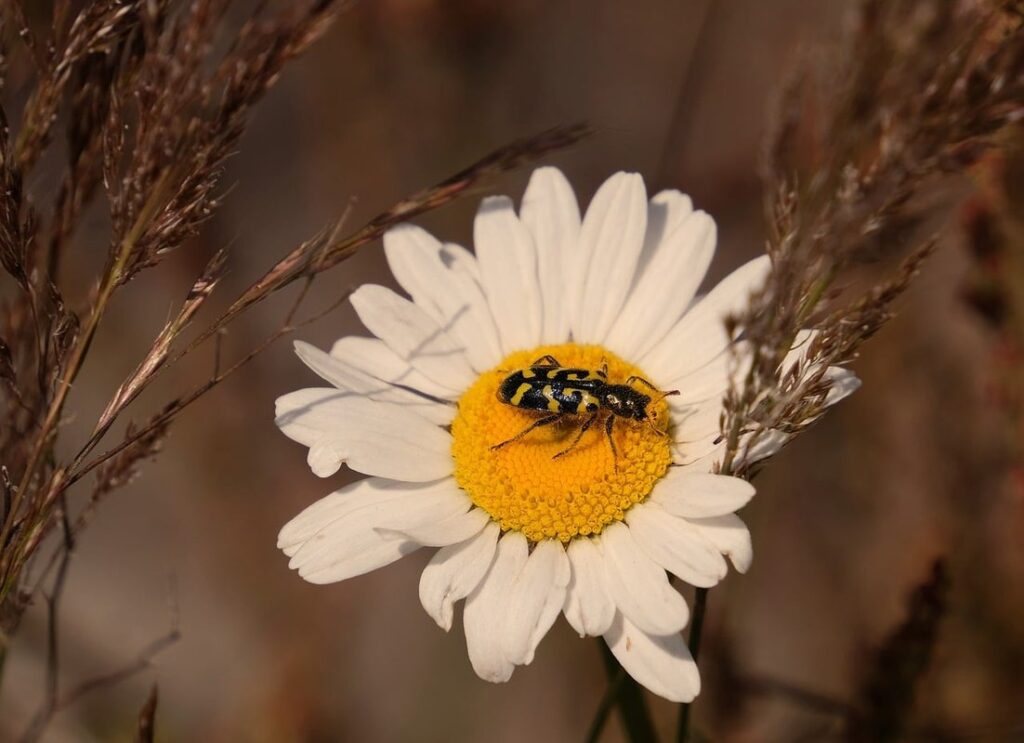
Several species of caterpillars and beetles feed on cucumbers. The squash vine borer’s caterpillar eats through the cucumber plant’s stem, weakening it and reducing fruit production. The cucumber beetle’s larvae eat the roots of the plant, while adult beetles chew holes in leaves and fruits. The striped cucumber beetle is a major pest, as its feeding can cause significant damage to cucumbers.
To manage these pests, it’s essential to understand their life stages and feeding patterns. For example, squash bugs typically feed on young plants before they become beetles, which then feed on more mature plants. This knowledge helps gardeners target control measures at the right stage of infestation. Hand-picking is a simple yet effective method for controlling these pests, particularly in small gardens.
Commonly affected cucumber varieties include slicing and pickling types. To prevent damage from caterpillars and beetles, growers can use row covers or fine mesh to keep adult insects away from plants. In addition to physical barriers, introducing natural predators like ladybugs or lacewings can help regulate pest populations.
Cucumber Diseases
Cucumber diseases can be devastating for gardeners, causing significant damage and yield loss. This section will help you identify common cucumber diseases and explore effective management strategies to keep your crop healthy.
Powdery Mildew and Downy Mildew
Powdery mildew and downy mildew are two of the most common fungal diseases affecting cucumber plants. Powdery mildew causes a white, powdery coating to form on leaves, stems, and fruits, while downy mildew produces yellowish or pale green spores on the underside of leaves. Both diseases thrive in humid environments with temperatures between 60°F and 80°F (15°C and 27°C).
To prevent these fungal diseases, maintain good air circulation around your cucumber plants by pruning nearby vegetation and providing adequate space for growth. Water plants at soil level rather than overhead to minimize moisture on leaves. Use a fungicide labeled for powdery mildew or downy mildew control if an outbreak occurs.
Symptoms can be managed with copper-based or sulfur-based fungicides, which should be applied when the first signs of disease appear. Remove infected plant parts and disinfect pruning tools between cuts to prevent further spread. If the infection is severe, consider replacing affected plants entirely. In some cases, resistant varieties may be available as an alternative solution.
Root Rot and Phytophthora
Root rot and Phytophthora are two of the most destructive diseases affecting cucumber plants. Root rot is a general term for a range of fungal infections that clog the plant’s vascular system, blocking water and nutrient uptake. This can cause wilting, yellowing leaves, and reduced growth. In severe cases, it can lead to plant collapse.
Phytophthora, specifically, is a genus of water molds that infect cucumbers through damaged roots or crown tissue. It thrives in cool, moist conditions and can quickly spread throughout the plant. When Phytophthora infects a cucumber, it can cause significant root system damage, leading to stunted growth and reduced yields.
To control these diseases, gardeners should focus on preventing waterlogged soil and improving air circulation around plants. Remove any infected roots or stems to prevent further spread. Crop rotation, using resistant varieties, and maintaining good hygiene practices are also essential in managing root rot and Phytophthora.
Some signs of infection include soft, mushy stems, and a distinctive red-brown color on the affected area. Early detection is critical for effective management. Regularly inspect your plants, and take action promptly if you notice any symptoms.
Viral Diseases
Cucumber mosaic virus (CMV) and zucchini yellow mosaic virus (ZYMV) are two of the most significant viral diseases affecting cucumbers. CMV causes stunted growth, curled or distorted leaves, and reduced fruit production. ZYMV symptoms include yellowing or mottling of leaves, stunting, and a reduction in fruit size.
Both viruses are transmitted by aphids and whiteflies, which feed on plant sap and inject the virus into the plant’s vascular system. Transmission can also occur through contaminated seed, water, and tools. To control these diseases, growers should use a combination of methods: removing and destroying infected plants to break the disease cycle; using resistant cultivars when available; and practicing good sanitation and hygiene.
Aphid management is crucial in preventing viral transmission. Growers can use neem oil or insecticidal soap to control aphids and prevent them from feeding on plants. Additionally, introducing natural predators like lady beetles or lacewings can help regulate aphid populations.
Integrated Pest Management (IPM) for Cucumbers
Effective IPM strategies involve a combination of techniques to minimize pest damage and maintain healthy cucumbers, including crop rotation and biological controls. By implementing these methods, you can significantly reduce pesticide use in your garden.
Cultural Controls
Crop rotation is a fundamental cultural control for managing pests and diseases in cucumbers. By rotating cucumber crops with non-host plants like corn, beans, or squash, you can break the life cycle of pests that target cucumbers. For example, if aphids are present in your cucumber crop, rotate to a bean crop, which is less susceptible to these pests.
Sanitation is also crucial for preventing pest and disease outbreaks. Regularly remove weeds, debris, and infested plant material from around your cucumber plants to reduce the risk of infestation. This also helps prevent the spread of diseases like powdery mildew, which can thrive in humid environments.
Proper pruning techniques can help control pests and promote healthy growth. Remove any weak or damaged stems, as these can serve as entry points for pests. Prune your cucumber plants to maintain good air circulation, reducing the risk of fungal diseases.
Irrigation management is another important aspect of cultural controls. Overwatering can lead to root rot and other diseases, while underwatering can stress plants, making them more susceptible to pest attacks. Monitor soil moisture levels closely and adjust your watering schedule accordingly. A general rule of thumb is to avoid overhead irrigation, which can splash water onto leaves and promote disease development.
Biological Controls
Beneficial insects like lady beetles and lacewings can be used to control cucumber pests. These natural predators feed on aphids, whiteflies, and other small insects that harm cucumbers. Lady beetles, also known as ladybugs, are particularly effective against aphid infestations. They can be introduced into the garden through purchased insectaries or by attracting them with flowers like cosmos and marigold.
Pheromone traps are another biological control method used to capture cucumber pests. These sticky traps mimic the scent of female moths, attracting male moths that then become stuck on the trap. This method is particularly useful for controlling pests like aphids and spider mites. However, pheromone traps are most effective when used in combination with other IPM strategies.
In addition to introducing beneficial insects and using pheromone traps, gardeners can also use parasitic wasps to control cucumber pests. These tiny wasps prey on specific pest species, such as aphids and caterpillars, helping to regulate their populations. By incorporating these biological controls into your IPM strategy, you can reduce the need for chemical pesticides and create a more balanced ecosystem in your garden.
Chemical Controls
When using chemical controls as part of an Integrated Pest Management (IPM) strategy for cucumbers, it’s essential to understand the types of pesticides and fungicides available. These products can be categorized into different modes of action, such as systemic insecticides that are absorbed by plants or contact insecticides that kill pests on contact.
For common cucumber pests like aphids and whiteflies, pyrethroids and neonicotinoids are commonly used. Pyrethroids work quickly to knock down pest populations, but they can also harm beneficial insects. Neonicotinoids, on the other hand, have a slower onset of action but are generally safer for bees and other pollinators.
When it comes to fungal diseases like powdery mildew and downy mildew, fungicides containing sulfur or copper are effective. These products create an environment that’s less conducive to disease development, rather than simply killing the pathogen. Always read and follow label instructions carefully before applying any chemical control measure.
Advanced Pest and Disease Management Techniques
To effectively manage pests and diseases on your cucumber plants, you’ll need advanced techniques that go beyond basic prevention methods. We’ll explore strategies for managing resistant strains and severe outbreaks.
Organic Amendments and Composts
Organic amendments and composts play a crucial role in promoting healthy plant growth and boosting resistance to pests and diseases in cucumbers. These natural additions can improve soil structure, fertility, and overall ecosystem balance. For instance, adding well-rotted compost can increase the availability of essential micronutrients like iron, zinc, and manganese that are vital for cucumber growth.
A key benefit of using organic amendments is their ability to stimulate the plant’s natural defense mechanisms. Composts rich in beneficial microorganisms can enhance the plant’s resistance to pathogens by promoting a balanced microbial community. This, in turn, helps prevent the overgrowth of disease-causing organisms.
Some effective organic amendments for cucumbers include green manures like clover or rye, which can be incorporated into the soil as it grows. Other options include fish emulsion and kelp meal, which provide essential nutrients while also promoting beneficial microbial activity. When using these amendments, it’s essential to balance their application rates with the specific needs of your cucumber crop.
Biotechnology and Genetic Engineering
Researchers have been working on developing cucumber varieties using biotechnology and genetic engineering techniques to enhance pest- and disease-resistance. One notable approach involves introducing genes from other organisms that provide natural defense mechanisms against specific pests or diseases. For instance, scientists have engineered cucumbers with the Bacillus thuringiensis (Bt) gene, which produces a toxin toxic to certain insect larvae.
This method holds potential benefits in reducing chemical pesticide use and increasing crop yields. Studies have shown improved resistance to powdery mildew and aphid attacks in genetically engineered cucumber varieties. However, concerns about unintended consequences on beneficial organisms or human health have limited the adoption of these techniques. Furthermore, regulatory frameworks vary across regions, making it challenging to commercialize genetically modified cucumbers.
To move forward with this technology, researchers must address public perception issues and ensure strict safety assessments are conducted before releasing GM varieties into the market. As the debate around genetic engineering continues, more research is needed to balance potential benefits against limitations and regulatory challenges. Some notable examples of ongoing research in biotechnology for cucumber improvement include the use of CRISPR-Cas9 gene editing and RNA interference techniques.
Precision Agriculture and Monitoring Systems
Precision agriculture techniques and monitoring systems are revolutionizing the way cucumber farmers manage pest and disease infestations. By leveraging advanced technologies such as drones, satellite imaging, and soil sensors, growers can detect early signs of issues before they become severe. For instance, a drone equipped with thermal imaging cameras can identify temperature anomalies in the field, which may indicate the presence of pests or diseases.
Monitoring systems also enable farmers to track weather patterns, soil moisture levels, and crop health metrics in real-time. This data is then used to trigger targeted interventions, reducing the need for chemical treatments. By identifying issues early on, growers can implement more effective control measures, such as introducing beneficial insects or applying organic fungicides.
One example of a precision agriculture system is the use of sensors that detect changes in soil moisture and temperature. These sensors can alert farmers to potential water-borne diseases like root rot, allowing them to take preventative action. By combining this data with other monitoring systems, growers can create a comprehensive view of their field’s health, enabling informed decision-making and reducing chemical usage.
Frequently Asked Questions
How often should I rotate my cucumber crop to prevent pest buildup?
Yes, it’s recommended to rotate your cucumber crop every 3-4 years to break the life cycle of pests and diseases. This will also help improve soil fertility and reduce the risk of pest and disease infestations. Consider rotating with a non-related crop like tomatoes or peppers to minimize the spread of pests.
Can I use companion planting to control cucumber pests?
Yes, certain plants like marigolds, nasturtiums, and basil can repel nematodes, whiteflies, and aphids that target cucumbers. These plants release chemicals that deter pests and attract beneficial insects, making them a great addition to your integrated pest management strategy.
How do I know if my cucumber plant has been affected by root rot?
Root rot symptoms include yellowing or droopy leaves, reduced fruit growth, and a soft, mushy stem base. Inspect the roots carefully for signs of decay or discoloration. If you suspect root rot, remove the infected plant to prevent further spread and treat the soil with fungicides to control phytophthora.
Can I use neem oil as a substitute for chemical pesticides?
Neem oil can be an effective natural pesticide against many cucumber pests, including aphids, whiteflies, and spider mites. However, it may not provide long-term control or prevent disease outbreaks. Use neem oil in combination with other integrated pest management techniques, like cultural controls and biological controls, to maximize its effectiveness.
How do I monitor my cucumber crop for early signs of pests and diseases?
Regularly inspect your cucumbers at least twice a week for signs of pests, such as eggs, larvae, or actual insects. Check for disease symptoms like yellowing leaves, powdery mildew, or black spots. Use monitoring systems like sticky traps or pheromone traps to detect early infestations and take action before the problem escalates.
