
Spring is finally here, and with warmer weather comes new life to your rose garden. But before you can enjoy those gorgeous blooms again, there’s one crucial task that needs attention: cutting back roses in spring. If left unpruned, overgrown canes can become a tangled mess, while established rose sizes can become overwhelming, making it difficult for the plant to thrive. You’ve probably noticed your rose bushes looking a bit worse for wear after winter, and now’s the time to tackle that job. In this article, we’ll cover the techniques for cutting back overgrown canes and reducing established rose sizes, sharing expert tips on how to avoid common mistakes and get your roses looking their best. By the end of this post, you’ll know exactly when and how to prune your roses in spring, ensuring a healthy and beautiful blooming season ahead.
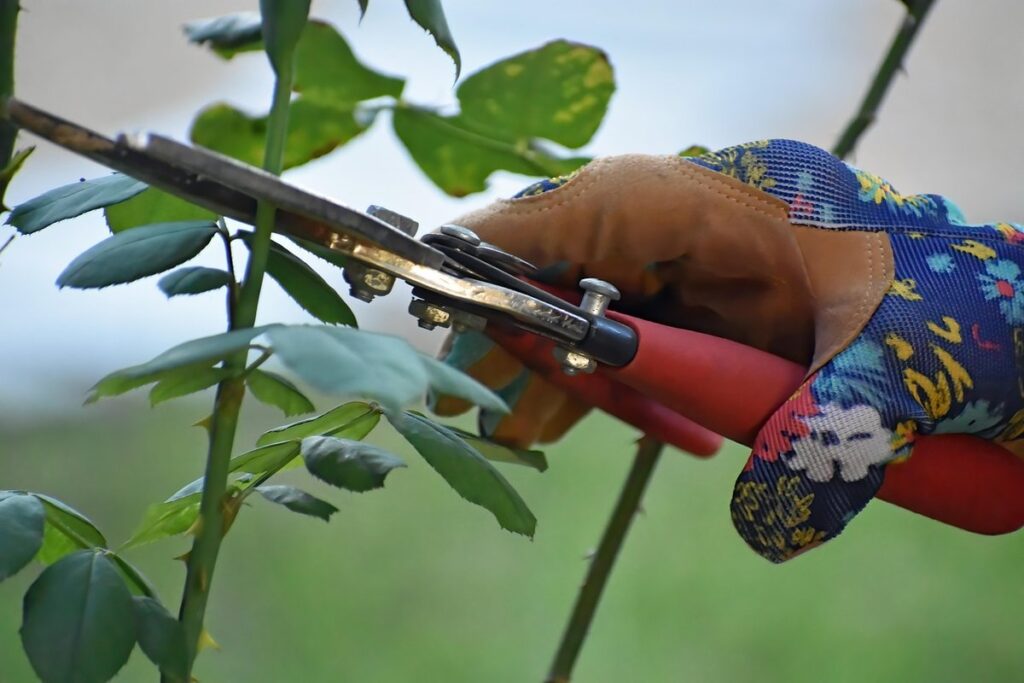
Understanding Why Rose Pruning is Necessary
Roses need pruning to maintain their health and appearance, but why exactly do they require this regular maintenance? We’ll explore the reasons behind rose pruning.
When to Prune Roses in Spring
In spring, the ideal time to prune roses is typically from late winter to early spring, depending on your location and climate. In warmer regions, you may need to prune as soon as the threat of frost has passed, while in cooler areas, it’s best to wait until the soil can be worked and new growth begins. Pruning too early or too late can lead to a weak and disease-prone plant.
It’s essential to prune before new growth starts, usually around late March or early April, as this allows the plant to focus its energy on producing new shoots and flowers rather than trying to repair damaged branches. If you wait until new growth begins, you risk removing valuable buds and reducing the plant’s overall productivity.
In regions with mild winters, it’s often necessary to prune in stages, taking out any dead or damaged wood as soon as possible, then returning in late spring to remove any remaining stems that are not producing flowers or foliage. By pruning at the right time, you’ll promote healthy growth, encourage blooming, and maintain your rose bush’s shape and structure.
Tools and Equipment Needed for Rose Pruning
To prune roses effectively, you’ll need a few essential tools and pieces of equipment. Start with a good pair of gloves to protect your hands from thorns and dirt. Gardening gloves are available in various materials, such as leather or synthetic fabrics; choose ones that fit comfortably and offer sufficient grip.
Next, consider investing in loppers for thicker stems. These long-handled pruning tools allow you to cut branches up to an inch in diameter without straining your back. For smaller stems, use high-quality pruning shears (also known as secateurs). Look for models with ergonomic handles and sharp blades to make the cutting process easier.
You’ll also need a pruning saw for larger branches or those that are too hard to cut with loppers. A pruning saw is typically used for more substantial cuts, but be cautious not to remove too much wood at once. Finally, have some garden twine or plant ties on hand to secure newly pruned stems and promote healthy growth.
When choosing your tools, consider the size of your rose bushes and the types of branches you’ll need to cut. Having the right equipment will make the pruning process more efficient and effective.
Pre-Pruning Preparation
Before you begin pruning, it’s essential to prepare your roses for the task. Start by inspecting your plants and removing any dead or diseased branches. Cut these off at the base using sharp, clean pruning tools to prevent spreading disease. This will help promote healthy growth and prevent infection from spreading.
Next, evaluate the overall shape of your rose bush. Identify canes that are weak, damaged, or crossing over other stems. To encourage a strong, balanced structure, cut back these canes to about two-thirds of their height. This will also help redirect energy towards healthier branches.
If you notice any winter damage, such as broken or snapped stems, prune them off at the point of breakage. For roses that have been affected by frost or extreme weather conditions, consider cutting back entire sections of the plant to encourage new growth.
Remember to remove any debris, leaves, and weeds from around your rose bushes before pruning to prevent spreading disease and pests. A clean workspace will also make it easier to see what you’re doing and reduce the risk of mistakes.
Identifying the Right Time for Pruning Different Types of Roses
When it comes to pruning roses, timing is everything – some types need attention before spring’s bloom, while others require a summer trim. We’ll guide you through identifying the perfect prune time for your rose variety.
Hybrid Tea and Floribunda Roses
Hybrid Tea and Floribunda roses require a slightly more nuanced approach to pruning, as they tend to produce new growth on the tips of their branches. To determine when these types of roses are ready for pruning, look for signs of dormancy breaking, such as swelling buds or a slight green tint to the stems. Another indicator is the appearance of weak or spindly growth, which can be removed to promote healthier and more vigorous new shoots.
When it comes to timing, Hybrid Tea and Floribunda roses typically benefit from pruning in late winter or early spring, when the threat of extreme cold has passed but before new growth begins. This allows for a clean cut just above an outward-facing bud eye, encouraging healthy branching and maximizing flower production. Avoid pruning too early, as this can leave these types of roses vulnerable to disease and pests.
Keep in mind that Hybrid Tea and Floribunda roses often require more frequent deadheading throughout the growing season to encourage repeat blooming. This will also help maintain a tidy appearance and prevent seed heads from forming.
Climbing and Rambling Roses
When pruning climbing and rambling roses, it’s essential to consider their unique growth habits. These types of roses produce long canes that require regular training to maintain shape and promote healthy growth. To train new growth, select the most vigorous stems and tie them gently to a trellis or arbor using soft ties like twine or wire. Remove any weak or damaged stems, as they will only take energy away from the plant.
When cutting back climbing and rambling roses in spring, look for dead wood and remove it immediately. Dead wood can be identified by its dry, brittle texture and grayish-brown color. Cut the stem just above a bud eye, making sure to leave at least two sets of leaves on each stem. This will help the plant produce new growth from the cut area.
To maintain the shape of climbing and rambling roses, prune them in late winter or early spring before new growth begins. Prune back about one-third to one-half of the previous year’s stems, cutting them at a 45-degree angle just above a bud eye. This will help promote bushy growth and encourage the plant to produce more flowers.
Shrub and Groundcover Roses
When pruning shrub and groundcover roses, it’s essential to focus on maintaining their shape and promoting healthy growth. These types of roses typically have a more compact growth habit than hybrid tea or floribunda varieties, but they still require regular pruning to keep them looking their best.
For shrub roses, the goal is often to maintain a rounded or bushy shape. To achieve this, prune about one-third of the old canes in late winter or early spring, removing any dead or damaged stems. Cut back longer canes by about half, making clean cuts just above a bud eye. This will encourage new growth and prevent the plant from becoming leggy.
Groundcover roses are usually pruned more lightly to promote dense foliage and a compact shape. Simply trim back the tips of the longest canes by 6-8 inches in late winter or early spring, making sure not to remove too much foliage at once. This will help control the plant’s spread and maintain its attractive groundcover habit. By pruning shrub and groundcover roses correctly, you’ll be rewarded with healthy, vigorous plants that bloom profusely throughout the growing season.
Techniques for Cutting Back Roses in Spring
When cutting back roses in spring, pruning techniques vary depending on the type of rose and its current condition. This section will guide you through the specific methods to use for each scenario.
Thinning Out Overgrown Canes
When cutting back overgrown canes on your rose bushes, it’s essential to thin them out carefully to promote healthy growth and prevent disease. Start by identifying the thickest, most vigorous canes that are growing towards the outside of the plant. Cut these canes back by about one-third to one-half, making clean cuts just above a bud eye – the small swelling on the stem from which new growth emerges.
To make a clean cut, use sharp, sterile pruning tools and cut at a 45-degree angle. This helps water run off and reduces the risk of disease entering the plant through the cut area. Remove any dead or diseased wood entirely, cutting it back to a healthy bud eye.
When thinning out overgrown canes, focus on removing any that are:
- Crossing or rubbing against other canes
- Growing inward towards the center of the plant
- Diseased or damaged
- Weakened or spindly
By carefully selecting which canes to remove and making clean cuts, you’ll be able to promote healthy growth, improve air circulation, and reduce the risk of disease.
Reducing the Size of Established Roses
When reducing the size of established roses, it’s essential to prune them in a way that promotes healthy growth and maintains their natural shape. Start by removing any dead, diseased, or damaged branches, cutting them back to about 6-8 inches from the base of the plant. This will help prevent the spread of disease and encourage new growth.
Next, focus on shaping the rose bush by pruning select canes to maintain a balanced and symmetrical appearance. Cut back overgrown stems to about one-third to one-half their original length, making sure to cut just above a bud eye (the small swelling from which new growth emerges). This will help control the size of the plant while still allowing it to produce plenty of blooms.
To further reduce the size of your rose bush, consider using the “tip prune” method. Simply remove the terminal ends of the stems, cutting them back about 6-8 inches from the tip. This will help slow down new growth and encourage branching, resulting in a fuller, more compact plant. By following these techniques, you can effectively reduce the size of your established roses while promoting healthy growth and encouraging plenty of blooms.
Pruning Rose bushes with Different Growth Habits
When pruning rose bushes with compact and dwarf varieties, it’s essential to exercise restraint. These plants have naturally smaller growth habits, so over-pruning can quickly reduce them to a few buds or even kill them back entirely. A good rule of thumb is to prune no more than one-third of the plant at a time. This allows you to maintain the desired shape without causing undue stress.
For compact roses, focus on removing weak and spindly growth to encourage bushy development. Use thinning cuts to remove select canes, leaving about an inch of stem intact. For dwarf varieties, prune more selectively, cutting back only the longest stems to about one-third their length. This will help maintain the plant’s natural compact shape.
Some popular compact rose varieties include ‘Pat Austin’ and ‘Snow Pavement’. When pruning these plants, keep in mind that they tend to produce fewer blooms than larger varieties. Prune them lightly after blooming has finished to encourage a flush of new growth.
Common Mistakes to Avoid When Cutting Back Roses in Spring
When cutting back roses in spring, it’s easy to make mistakes that can harm the plant and affect its performance for the rest of the growing season. Let’s look at some common errors to watch out for.
Over-Pruning: The Most Common Mistake
Over-pruning is a common mistake made when cutting back roses in spring. It can be identified by looking for signs such as cut stems with no buds or leaves left to grow new shoots. This often occurs when gardeners aim to control the size of their rose bushes, but end up removing too much tissue.
When over-pruning, you may notice that the cut ends are raw and exposed, without any protection from frost or disease. This can lead to further problems such as increased susceptibility to pests and diseases, reduced blooming capacity, and even death of the plant. The risk is especially high when pruning back large, established rose bushes.
To avoid over-pruning, it’s essential to identify the right canes to cut back. Look for weak or damaged growth, which should be removed entirely. Healthy stems with buds should be trimmed lightly, leaving at least two sets of leaves on each stem. This will allow the plant to continue growing and producing new flowers throughout the season.
In some cases, over-pruning can be corrected by providing extra care such as fertilizing and watering the affected areas more frequently. However, prevention is key – being mindful of how much tissue you remove during pruning will help you avoid this costly mistake altogether.
Incorrect Tool Use
Using the wrong tools for pruning roses can lead to ineffective cuts, damage to the plant, and even injury to yourself. A good pair of rose pruning shears is essential, but it’s not just about grabbing any old tool off the shelf. Look for sharp blades with a curved or angled shape to easily navigate between branches. Dull blades will tear at the stems rather than making clean cuts, causing unnecessary stress on the plant.
When using loppers or long-handled pruners, be sure to choose ones with comfortable grips and sufficient reach to avoid straining your back. Avoid using hedge clippers or power tools, as they can easily damage the delicate rosewood. Clean and disinfect your pruning shears regularly to prevent the spread of disease.
Properly caring for your pruning tools is just as important as selecting the right ones in the first place. Store them in a dry, well-ventilated area away from children and pets. Regular maintenance will keep your tools sharp and ready for use next season, ensuring that you make precise cuts every time. By investing in good quality pruning shears and maintaining them properly, you’ll be able to prune your roses with confidence and accuracy.
Conclusion and Final Tips
Now that you’ve learned how to cut back your roses, it’s time to tie up loose ends and ensure a healthy, thriving garden for years to come. We’ll summarize key takeaways and offer additional advice for optimal rose care.
Recap of Key Takeaways
When cutting back roses in spring, it’s essential to remember a few key takeaways. First, understand why rose pruning is necessary: deadheading removes spent blooms, while cutting back promotes healthy growth and encourages new flowers. Identify the right time for pruning different types of roses – hybrid teas and floribundas should be cut back later than climbing and rambling varieties.
To avoid over-pruning, a common mistake, assess your rose’s size and shape before cutting back. Thinning out overgrown canes is crucial for maintaining air circulation and preventing disease. When reducing the size of established roses, use sharp, clean tools to make precise cuts just above a bud eye. Prune no more than one-third of the plant in a single season.
Don’t forget to consider your rose’s growth habit: climbing and rambling varieties need support, while shrub and groundcover roses require minimal pruning. By following these tips and guidelines, you’ll be able to cut back your roses effectively, promoting healthy growth and a bounty of blooms throughout the growing season.
Additional Resources and Support
For further guidance and support on rose pruning, consider consulting the Royal Horticultural Society’s (RHS) comprehensive guide to rose care. This resource provides detailed information on pruning techniques for various types of roses. You can also find expert advice from the American Rose Society, which offers a range of tutorials and webinars on rose care.
If you’re looking for more in-depth guidance on pruning specific types of roses, try searching online for videos or articles from reputable gardening websites such as Gardeners’ World or The Spruce. These resources often feature step-by-step guides and photos to help you master different pruning techniques.
When seeking expert advice, look for certified rose specialists or Master Gardeners who have extensive experience with rose care. You can find these experts through local nurseries, gardening clubs, or online forums dedicated to rose cultivation. Don’t hesitate to reach out and ask questions – experienced growers are often more than happy to share their knowledge.
Additionally, consider consulting the following websites for expert advice and resources: the National Gardening Association’s Rose Guide and the International Rose Test Garden’s Pruning Tips page.
Frequently Asked Questions
What if I’m short on time and can’t prune my roses in the ideal month?
Yes, it’s still possible to prune your roses in spring, but keep in mind that it may affect their flowering season. Prune as soon as you can, but try to avoid pruning during periods of active growth or when new shoots are emerging.
How do I know if I’ve over-pruned my rose bushes, and what should I do next?
Over-pruning can be identified by bare stems with no leaves or buds. If you suspect you’ve over-pruned your roses, reduce the number of cuts you make to allow the plant to heal and focus on promoting new growth.
Can I use a single pair of pruning shears for multiple types of rose bushes, or do I need separate tools?
While it’s convenient to share pruning shears among different plants, it’s recommended to have dedicated tools for each type of rose bush. This is especially true if you have climbing and rambling roses that require more aggressive pruning.
What about deadheading spent flowers on my hybrid tea and floribunda roses – should I do this at the same time as pruning?
Deadheading can be done concurrently with pruning, but it’s essential to remove any weak or damaged growth first. Once you’ve removed these branches, focus on cutting back long stems to encourage new blooms.
Can I use loppers for smaller rose bushes and compact varieties, or will that damage the plant?
Loppers are suitable for compact and dwarf rose varieties, especially if you’re dealing with thicker canes. However, be cautious not to apply too much pressure, as this may cause damage to the stem.
