
Pruning your rose bushes can be a daunting task, especially when you’re not sure where to start. Many gardeners struggle with knowing how and when to prune their roses effectively, which can lead to weak and unsightly growth. Pruning is an essential part of maintaining healthy and thriving rose plants, as it encourages new growth, promotes blooming, and keeps the plant looking its best. In this guide, we’ll walk you through the seasons and techniques for pruning roses, as well as common mistakes to avoid. We’ll cover how to prune different types of rose bushes, including hybrid teas, floribundas, and climbers, and provide step-by-step advice on how to get the best results from your rose bushes. By following our expert guide, you’ll learn how to prune your roses like a pro and enjoy stunning blooms all season long.
Choosing the Right Time to Prune
When it comes to pruning your roses, timing is everything. Understanding when to prune will help you avoid harming your plants and ensure a bountiful bloom.
Understanding the Pruning Seasons
Roses typically require pruning during three main seasons: spring, summer, and fall. The purpose of each season varies, with spring pruning focusing on rejuvenation, summer on maintenance, and fall on preparing for winter.
In the spring, prune deciduous roses to promote new growth and encourage blooming. Cut back dead wood, remove any weak or spindly canes, and reduce the overall height of the plant by about one-third. This is also a good time to shape your rose bushes, as they are more likely to follow a new framework.
Summer pruning is essential for maintaining the health and structure of your roses. Remove any dead or diseased wood throughout the growing season, cutting back canes that have finished blooming. This helps control pests and diseases, prevents overgrowth, and directs energy towards producing more blooms.
Fall pruning, on the other hand, focuses on preparing your rose bushes for winter. Cut back stems to about 12-18 inches from the ground, removing any dead or damaged wood. Leave enough growth to protect buds and canes from frost damage. Climate and location significantly impact pruning schedules, so adjust accordingly: in warmer climates, prune more aggressively; in cooler areas, be more conservative.
Preparing Your Tools and Equipment
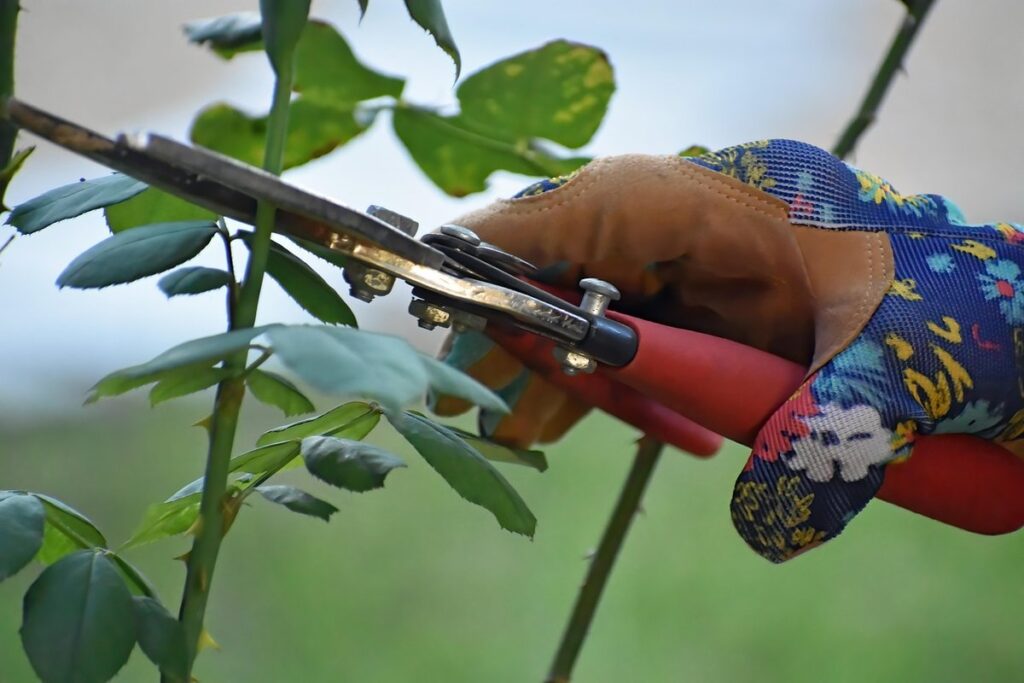
When pruning roses, it’s essential to have the right tools for the job. You’ll need a few basic pieces of equipment, including loppers, pruning shears, and gloves. Loppers are long-handled clippers used for cutting thicker branches, typically 1-2 inches in diameter. Look for loppers with sharp blades and comfortable handles that fit your grip.
Pruning shears, on the other hand, are ideal for making precise cuts on smaller stems and individual flowers. Choose shears with high-carbon steel blades and a clean, smooth action. To maintain these tools, clean them regularly with soap and water to prevent rust buildup. Store them in a dry place when not in use.
Gloves protect your hands from thorns and scratches while pruning. Opt for durable, waterproof gloves that fit snugly around your wrists. Consider using long-cuffed gloves for added protection. Before starting the pruning process, inspect your tools for any damage or rust spots. Sharpen loppers and shears as needed to ensure clean cuts and prevent spreading disease. This simple preparation will help you tackle the task with confidence and efficiency.
Identifying the Correct Pruning Technique
Now that you know why pruning is essential, let’s focus on identifying the right technique for your rose bushes. This crucial step will determine their shape and blooming potential.
Understanding the Different Types of Roses
Roses come in a variety of types, each with its unique characteristics and pruning requirements. One of the most common types is the hybrid tea rose, known for its large, repeat-flowering blooms. These roses require regular pruning to encourage new growth and promote blooming.
Floribunda roses are another popular type, characterized by clusters of small to medium-sized flowers. They tend to produce more foliage than blooms, so pruning should focus on maintaining shape and promoting air circulation. Climbing roses, often used for trellises or arbors, require more extensive pruning to control their growth and encourage vertical blooming.
Shrub roses are a low-maintenance option, tolerating neglect but still benefiting from regular pruning. They produce smaller blooms in clusters, making them ideal for hedges or borders. When pruning different types of roses, it’s essential to consider their individual needs and characteristics to ensure the best results. For example, hybrid tea roses require more frequent pruning than shrub roses.
To make informed pruning decisions, understand that each rose type has specific requirements based on its growth habits, bloom frequency, and space constraints.
Removing Dead and Diseased Wood
When inspecting your rose bushes for pruning, it’s essential to identify and remove dead and diseased wood. This type of wood can harbor diseases and attract pests, compromising the overall health of the plant. To spot dead or diseased wood, look for brown, gray, or blackened areas on stems and branches. These sections may be soft to the touch, brittle, or cracked.
Check for signs of disease, such as fungal growth, cankers, or lesions, which can cause the wood to become discolored or deformed. Be cautious not to confuse natural aging or weathering with true decay. If you’re unsure, err on the side of caution and remove the affected section.
Removing dead and diseased wood is a critical step in maintaining your rose bush’s health. It prevents the spread of disease and allows healthy growth to take over. Cut away any infected sections at a 45-degree angle, making clean cuts just above a bud eye or node. This will encourage new growth from the remaining healthy tissue and help prevent re-infection.
Shaping and Structuring Your Rose Bushes
To achieve a beautiful, balanced shape for your rose bushes, it’s essential to focus on developing a strong framework through selective pruning. This helps promote healthy growth and encourages optimal blooming potential.
Determining Pruning Points
When determining pruning points on a rose bush, it’s essential to consider both the individual branches and the overall shape of the plant. Start by examining the growth habit of each branch, looking for signs of vigorous new shoots, weak or damaged areas, and any dead or diseased wood.
For removal, focus on cutting back branches that are growing inward, crossing over other stems, or rubbing against adjacent branches. These can cause damage to the surrounding tissue and create an entry point for disease. Also, consider removing weak or spindly growth that’s not contributing to the overall structure of the bush. This will help direct energy towards healthier, more productive areas.
To achieve a balanced shape, prune in thirds: remove one-third of the oldest, most mature wood; one-third of the intermediate-age stems; and one-third of the new growth. This approach helps maintain a mix of ages and sizes within the plant, promoting healthy regeneration and minimizing the risk of disease. Be sure to make clean cuts just above a bud eye or a node, using sharp, sterile tools to minimize damage and encourage new growth.
Techniques for Different Branch Types
When cutting back different types of branches, it’s essential to consider their growth habits and prune accordingly. For long canes, which can grow up to 12 feet tall, use loppers or pruning saws to cut them back to about two-thirds of their height. This will help control their size and promote bushy growth.
Short floribundas, on the other hand, require a more delicate approach. Cut back just one-third of the stems to encourage new blooms and prevent over-branching. For shrub roses with multiple stems, remove any crossing or rubbing branches to maintain an open center and allow for good air circulation.
When dealing with hybrid tea and grandiflora roses, which have long, straight canes, cut back the tips to about six inches from the main branch. This will help control their height and encourage lateral growth. For climbing roses, prune in the dormant season by cutting back any dead or diseased wood, then shorten the longest stems to about 12-18 inches.
By following these specific pruning techniques for different branch types, you can maintain a balanced shape, promote healthy growth, and ensure your rose bushes continue to thrive.
Pruning Specific Rose Varieties
When pruning specific rose varieties, it’s essential to consider their unique characteristics and growth habits. For example, climbing roses require a different approach than shrub roses when it comes to pruning.
Climbing Roses
When pruning climbing roses, it’s essential to train new growth and prune established vines to maintain their structure and encourage blooms. Start by identifying the main framework of the rose bush, which typically consists of a central stem (or leader) and two or more side shoots. Remove any weak or spindly growth from these branches, as they will eventually succumb to wind and weather.
For new climbing roses, prune back the main stem to around 12-18 inches above the ground in late winter or early spring, removing any dead or damaged wood. This will encourage a strong leader to form and promote lateral growth. Remove any weak or spindly tips from these side shoots, as they can become leggy over time.
As established vines, climbing roses require regular pruning to maintain their shape and promote blooms. Prune in the spring, removing any dead, diseased, or damaged wood. Cut back stems that have flowered to about one-third of their length, and thin out any dense growth to allow for air circulation and sunlight penetration. By following these steps, you can keep your climbing roses healthy, vigorous, and blooming beautifully throughout the growing season.
Shrub Roses
Shrub roses require a more delicate approach to pruning than other varieties. Their compact size and blooming habits make them sensitive to over-pruning, which can lead to legginess and reduced flowering. To maintain their shape and promote blooming, prune shrub roses immediately after they finish flowering in the spring.
Cut back any stems that are longer than 12 inches, but avoid cutting more than one-third of the plant’s overall growth at once. This will help prevent shock and promote new growth. Remove any dead or diseased wood, as well as any crossing branches that may be rubbing against each other.
For shrub roses, it’s essential to maintain a balanced shape by pruning selectively throughout the growing season. In the summer, remove any weak or spindly growth to encourage bushy development. In the fall, cut back canes to about one-third of their length to help protect the plant from winter damage and promote new growth in the spring.
Pruning shrub roses regularly will also help control their size and keep them looking their best.
Additional Tips and Considerations
As you’ve mastered the basics of pruning roses, it’s time to refine your technique with expert advice on how to tackle common challenges and unique situations. From troubleshooting to advanced techniques, we’ll cover everything in between.
Pest and Disease Management
Pests and diseases can significantly impact a rose garden’s health. Aphids, whiteflies, and spider mites are common pests that feed on plant sap, causing curled or distorted leaves. Scale insects secrete honeydew, attracting ants and promoting the growth of sooty mold. Regularly inspect your plants for signs of infestation, such as sticky residue or actual pests.
For more severe infestations, use neem oil or insecticidal soap to control populations. Apply these products in early morning or evening when beneficial insects are less active. Avoid using broad-spectrum pesticides, which can harm pollinators and other beneficial organisms.
Diseases like black spot, powdery mildew, and rust require a more targeted approach. Remove any infected leaves or branches to prevent the spread of disease. Improve air circulation around plants by pruning nearby foliage or providing adequate space between rose bushes.
To maintain a healthy garden ecosystem, implement integrated pest management (IPM) techniques. Combine physical barriers (like fine mesh or row covers), cultural controls (such as crop rotation and sanitation), and biological control methods (introducing beneficial insects). By adopting an IPM approach, you can minimize chemical usage and promote long-term sustainability in your rose garden.
Common Mistakes to Avoid
When pruning roses, it’s easy to get caught up in the excitement and make mistakes. Over-pruning is one of the most common errors, where you remove too much foliage and wood, leaving the plant vulnerable to disease and pests. This can be especially damaging for newly planted roses, which need a full season to establish themselves.
Under-pruning is equally problematic, as it fails to promote healthy growth and flowering. You may see more deadwood than new growth, and your rose bush may become leggy and unbalanced.
To avoid these mistakes, take the time to assess your plant before pruning. Consider its age, size, and health, and prune accordingly. For mature plants, focus on removing dead, diseased, or damaged wood, as well as crossing branches that rub against each other.
Some key signs of over-pruning include a loss of foliage, exposed roots, and an overall lackluster appearance. Conversely, under-pruning may be indicated by excessive deadwood, weak growth, and poor flowering performance.
Frequently Asked Questions
Can I Prune My Rose Bushes Year-Round?
Yes, it’s possible to prune roses year-round, but it depends on your location and the specific type of rose. In warmer climates, you can prune roses during the winter months when they’re dormant. However, in colder regions, it’s best to wait until spring or summer when new growth is more pronounced.
What if I Prune My Climbing Roses at the Wrong Time?
When pruning climbing roses, it’s essential to avoid cutting back too much of the current season’s growth. Pruning during the wrong time can lead to reduced blooming and weak stems. Instead, prune climbing roses in late winter or early spring when they’re still dormant.
How Do I Handle Rose Pruning for Different Soil Types?
When working with rose pruning, it’s crucial to consider the soil type. For example, if you have heavy clay soil, use a tool with long handles and sharp blades to reduce the risk of compacting the soil. On the other hand, for sandy or well-draining soils, use shorter tools to avoid digging too deeply.
What If My Rose Bushes Are Overgrown and I’m Not Sure Where to Start?
When tackling overgrown rose bushes, start by removing any dead or diseased wood using loppers or pruning shears. Then, assess the overall structure of the bush and identify areas that need more attention. Prune large branches first, working your way down to smaller stems.
Can I Use Regular Garden Shears for Pruning Roses?
While regular garden shears can work in a pinch, it’s generally recommended to use dedicated pruning shears or loppers for rose pruning. These specialized tools are designed with sharp blades and comfortable grips specifically for cutting through thicker branches, making the task easier and more efficient.
