
Dehydrating food is an effective method for preserving your favorite ingredients, allowing you to enjoy them throughout the year. Whether you’re an outdoor enthusiast or a health-conscious individual, dehydrating offers numerous benefits – from weight reduction and increased portability of meals to reducing spoilage and saving storage space in your kitchen. However, many people are unsure about how to properly dehydrate food without compromising its nutritional value or safety. This comprehensive guide is designed to walk you through the essential techniques and precautions for successful dehydration. We’ll cover the benefits and drawbacks of different dehydration methods, provide step-by-step instructions on how to use a dehydrator and your oven, and offer expert advice on how to safely store and rehydrate your dried food. By the end of this article, you will be able to successfully preserve food through dehydration.
Understanding Dehydration
Dehydrating food requires a basic understanding of dehydration, which is more than just being thirsty – it’s a complex physiological process that affects our bodies in various ways. This essential foundation will help you grasp the concept.
What is Dehydration?
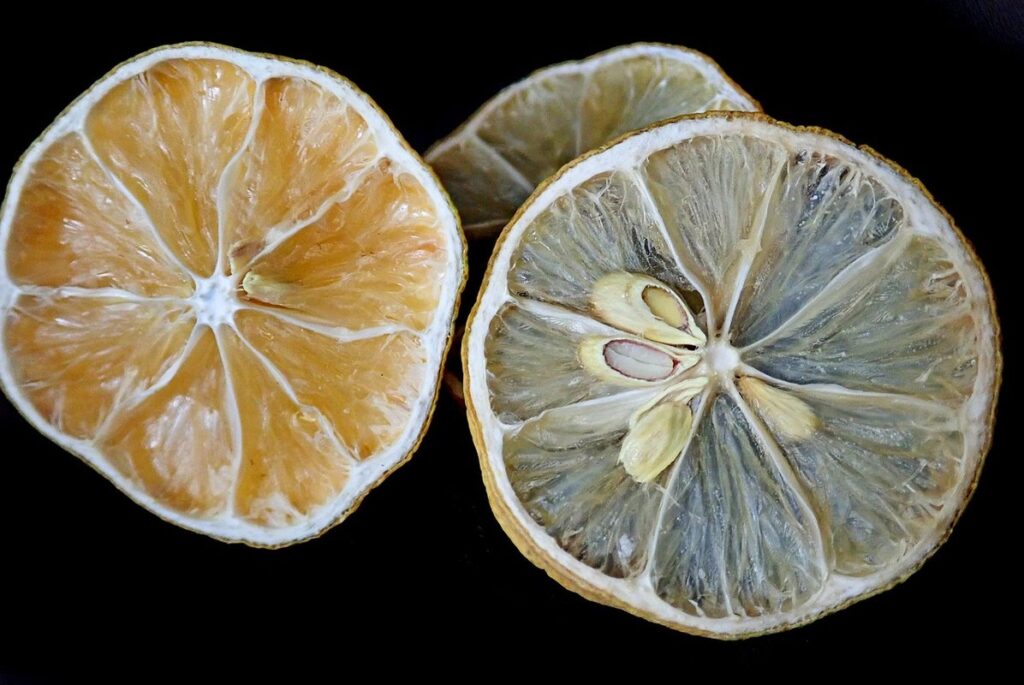
Dehydration is a food preservation method that removes moisture from food to inhibit bacterial growth. This process makes it an ideal choice for outdoor enthusiasts and health-conscious individuals who want to enjoy nutritious meals without worrying about spoilage or contamination. When you remove the moisture from food, you create an environment where bacteria, mold, and yeast cannot grow, thereby extending its shelf life.
One of the primary benefits of dehydration is that it helps preserve the natural nutrients found in food. Water-rich foods like fruits and vegetables are often high in water content, which can lead to a significant loss of vitamins and minerals during cooking or storage. Dehydration allows you to retain these nutrients by removing excess moisture without applying heat, which can damage delicate compounds.
In addition to preserving nutritional value, dehydration also makes it easier to store food. The low weight and compact size of dehydrated foods make them perfect for backpacking, camping, or emergency supplies. By understanding the basics of dehydration, you’ll be better equipped to explore the various benefits and applications of this technique in your own cooking and outdoor adventures.
History of Dehydration
Dehydration has a long and rich history as a preservation method. The Incas were known to use dehydration to preserve meats and vegetables, while Native Americans dried fruits and berries to make them easier to store and transport. In fact, the concept of drying food dates back even further, with evidence suggesting that ancient Greeks and Romans used sun-drying to preserve foods such as meat, fish, and fruits.
As civilizations evolved, so did their methods for dehydrating food. The invention of the dehydrator in the early 20th century revolutionized the process, allowing for faster and more efficient drying times. Today, home cooks and professional chefs alike use a variety of methods to dehydrate foods, from traditional sun-drying to advanced electric dehydrators.
Interestingly, many of the techniques used by ancient cultures are still employed today, albeit with modern twists and technologies. For example, some food enthusiasts use their backyard ovens or even their cars to dry foods in the absence of a dedicated dehydrator. By understanding the history of dehydration, you can appreciate the evolution of this preservation method and explore new ways to apply it in your own kitchen.
Benefits of Dehydrating Food
Dehydrating food not only preserves its nutrients, but also makes it lighter and easier to store, allowing for a more convenient snacking experience. You’ll soon see why this method is gaining popularity among health-conscious individuals worldwide.
Nutritional Preservation
When you dehydrate food, you’re not just removing excess moisture – you’re also preserving its nutritional value. Water activity is a major contributor to spoilage and nutrient loss, as it creates an environment where bacteria, mold, and yeast can thrive. By reducing the water content in your food, dehydration effectively inhibits the growth of these microorganisms, which in turn helps retain vitamins, minerals, and other essential nutrients.
In particular, dehydrating foods high in vitamin C, like fruits and leafy greens, is a great way to preserve their nutrient-rich profile. Since vitamin C is water-soluble and susceptible to degradation when exposed to heat or moisture, dehydration offers a gentler approach that helps retain its potency. Other nutrients, such as B vitamins and antioxidants, also benefit from the preservation process.
To maximize nutritional preservation through dehydration, it’s essential to use proper temperature control and avoid overheating your food. Generally, temperatures between 135°F and 155°F are ideal for retaining nutrient integrity. Additionally, maintaining a clean and sanitized environment during the dehydrating process will help prevent contamination and ensure that your preserved foods remain safe to consume.
Space-Saving and Lightweight
Dehydrated foods are perfect for outdoor enthusiasts due to their compact size and lightweight nature. This makes them ideal for backpacking, camping, or emergency kits where space is limited and weight needs to be minimized.
When you dehydrate food, the water content is removed, leaving behind a dry and flexible product that takes up much less space than its fresh counterpart. For example, a pound of dried fruit can be stored in a small pouch, taking up hardly any room in your backpack or emergency kit. This means you can carry more meals with you without adding unnecessary weight to your gear.
In addition to the physical benefits, dehydrated foods also eliminate the need for heavy and bulky cooking equipment when preparing meals outdoors. With dehydrated foods, all you need is a portable stove or a fire to rehydrate your meal, making it easier to cook in remote locations.
To take full advantage of these benefits, consider the following tips:
• Store dried ingredients in airtight containers to maintain their quality and shelf life.
• Use reusable storage bags or pouches to minimize waste and save space.
• Plan your meals carefully to ensure you have enough dehydrated food for your trip duration.
Choosing the Right Dehydrator
When it comes to dehydrating food at home, choosing the right dehydrator is crucial for achieving perfect results. In this next part of our guide, we’ll walk you through what to consider when making your selection.
Types of Dehydrators
When it comes to dehydrating food, you have several options for the type of dehydrator to use. Electric dehydrators are one of the most popular choices, as they offer precise temperature control and easy operation. These machines typically come with multiple trays and a thermostat, allowing you to dry a variety of foods at different temperatures.
Manual dehydrators, on the other hand, rely on natural convection to dry food. They’re often less expensive than electric models but require more effort and attention from the user. You’ll need to monitor the temperature and rotate the food regularly to ensure even drying.
Solar-powered dehydrators use the sun’s energy to dry food, making them a great option for outdoor enthusiasts or those living off the grid. These models are often simpler in design but may not offer the same level of precision as electric dehydrators.
It’s worth noting that some dehydrators combine multiple technologies, such as solar panels and fans, to create hybrid machines. When choosing a dehydrator, consider your specific needs and preferences to select the most suitable type for you.
Factors to Consider
When selecting a dehydrator, it’s essential to consider its capacity, temperature control, and energy efficiency. A larger capacity is beneficial if you plan to dehydrate food for a family or frequently entertain guests, while a smaller model suits individual use or compact kitchens.
Temperature control is another crucial factor. Look for a dehydrator with adjustable heat settings (between 100°F and 160°F) to accommodate different types of food, such as fruits, vegetables, and meats. Some models also feature preset temperature settings for specific foods, like jerky or nuts.
Energy efficiency is also worth considering. Dehydrators can consume a significant amount of electricity, so opt for one with an energy-efficient motor or a model that allows you to turn it off when not in use. Additionally, some dehydrators come with features like automatic shut-off or timer settings, which can help reduce energy consumption.
When evaluating temperature control and energy efficiency, pay attention to the dehydrator’s design and build quality. A well-ventilated interior and a sturdy construction can also contribute to efficient operation and longevity.
Preparing Food for Dehydration
Before you start dehydrating, it’s crucial to prepare your food properly. This involves trimming, cutting, and sometimes marinating ingredients to ensure even drying results.
Selecting Ingredients
When selecting ingredients for dehydration, it’s essential to choose foods that retain their texture and flavor. Fruits like strawberries, blueberries, and citrus fruits are ideal, as they have a high water content but remain relatively firm during the drying process. Leafy greens like kale and spinach also work well, although they may require some blanching before dehydration to preserve their color.
Vegetables that are higher in moisture, such as bell peppers, cucumbers, and zucchini, can be dehydrated but may become more brittle. Root vegetables like carrots and beets are less suitable due to their high starch content, which causes them to become chewy or even develop off-flavors during dehydration.
On the other hand, some ingredients should be avoided altogether, including those with a high oil content (like olives), as they can become rancid during storage. Additionally, foods that are too sticky or messy, such as honey and syrup, can make a mess in the dehydrator. Understanding these limitations will help you choose the right ingredients for successful dehydration.
Preparation Techniques
Proper preparation is crucial to successful dehydration. To ensure your food dries evenly and retains its flavor, you’ll need to slice, chop, or marinate ingredients before dehydrating them.
Slicing is often the most straightforward technique, but it’s not always the best choice. For instance, if you’re working with fruits like strawberries or citrus slices, chopping them into smaller pieces will expose more surface area and speed up the dehydration process. On the other hand, delicate herbs like basil or mint are typically sliced thinly to preserve their flavor.
Marinating can also be an effective way to prepare ingredients for dehydration. A mixture of acid (like lemon juice or vinegar), oil, and spices can help tenderize tough cuts of meat or add depth to vegetables. For example, marinating chicken breast in a mixture of olive oil, soy sauce, and garlic before dehydrating it will result in a more flavorful product.
When chopping ingredients, be mindful of the size of your pieces. Aim for uniformity so that the food dries at an even rate. A good rule of thumb is to chop ingredients into roughly 1/4-inch (6 mm) pieces. This will ensure that they dry quickly and evenly without becoming too brittle or developing off-flavors.
Dehydrating Methods and Times
Now that you know the basics of food dehydrating, let’s get into the nitty-gritty of different methods and times to achieve perfectly dried results. From temperature control to fan speed, we’ll cover it all.
Temperature Control
When dehydrating food, temperature control is crucial for achieving optimal results. If the temperature is too high, foods can become overcooked and develop off-flavors, while temperatures that are too low may not effectively remove excess moisture. The ideal temperature range for dehydration varies depending on the type of food being dried.
Foods with high water content, such as fruits and vegetables, typically require a lower temperature (135°F – 150°F) to prevent overcooking and preserve nutrients. For meats, a higher temperature (155°F – 165°F) is often necessary to ensure food safety and achieve a crispy texture.
To set the correct temperature on your dehydrator, consult your user manual or manufacturer’s guidelines for specific recommendations. Some dehydrators also have built-in temperature probes that can help you monitor and adjust temperatures as needed. A good rule of thumb is to start with a lower temperature and gradually increase it if necessary, rather than risking overcooking by starting too high.
For example, when drying apples, a temperature of 140°F may be ideal for achieving a tender but still crisp texture. Meanwhile, beef jerky might require the higher end of the temperature range (160°F – 165°F) to ensure food safety and achieve a chewy consistency.
Time Frames
When it comes to dehydrating foods, understanding the right time frames is crucial for achieving optimal results. Different foods require varying dehydration times, and getting it wrong can lead to undercooked or overcooked food.
For example, leafy greens like kale and spinach typically take 6-8 hours to dry, while more dense vegetables such as carrots and beets may require 10-12 hours. Fruits like strawberries and citrus usually take around 6-8 hours, but delicate herbs like basil can become brittle in just a few hours.
When using a dehydrator with temperature control, you’ll often see guidelines for specific temperatures (135°F – 155°F) paired with recommended dehydration times. However, these are general estimates, and actual time frames will depend on the food’s water content and thickness.
To give you a better idea, here are some common dehydration times:
• Leafy greens: 6-8 hours
• Fruits: 6-12 hours
• Vegetables (e.g., carrots, beets): 10-14 hours
• Herbs (e.g., basil, rosemary): 2-4 hours
Keep in mind that these are rough estimates, and actual dehydration times may vary depending on your specific dehydrator model, food preparation, and environmental conditions. It’s essential to monitor the food regularly and adjust dehydration time accordingly.
Storage and Reconstitution
Proper storage of dehydrated food is crucial to maintaining its quality, so we’ll explore how to store your dried creations safely and effectively.
This includes tips on labeling, sealing, and storing in airtight containers.
Storage Techniques
Proper storage containers are essential for maintaining the quality and safety of dehydrated foods. You can use a variety of containers, including glass jars with tight-fitting lids, plastic containers with snap-on lids, or specialized food storage bins. When selecting containers, consider their size, material, and durability.
It’s best to store dehydrated foods in a cool, dark place such as a pantry or cupboard. Avoid storing them near direct sunlight, heat sources, or moisture-rich areas like the kitchen counter or basement. Temperature fluctuations can cause condensation, leading to moisture accumulation and potential mold growth.
You should also use airtight bags or containers to prevent moisture and air from entering. Mylar bags are a popular choice due to their high-quality construction and ability to seal tightly. Oxygen-absorbing packets can be added to the bag for extra protection against spoilage. Be sure to check expiration dates and rotate your stored dehydrated foods regularly to ensure that older items are consumed before they go bad.
Remember, proper storage is crucial for maintaining the shelf life of dehydrated foods.
Reconstituting Dehydrated Foods
Reconstituting dehydrated foods requires attention to detail. This process can be nuanced, especially when working with different types of ingredients and dehydration methods.
For fruit leathers and purees, simply add water at a 1:1 ratio or slightly more, depending on the desired consistency. For example, if you’re rehydrating a dried apricot leather, mix it with an equal amount of warm water to create a spreadable paste. Be patient, as some fruit purees may take longer to absorb liquid.
When reconstituting dehydrated meats like jerky or dried sausages, use cold water and a 1:2 ratio. Submerge the meat in the liquid and let it sit for about 30 minutes before cooking or consuming. This helps restore moisture without making the texture unappetizing.
For vegetables like mushrooms and herbs, you can rehydrate them by soaking them in hot water or broth. Simply chop the ingredients finely and submerge them in a suitable liquid at a ratio of around 1:4.
Safety Precautions and Troubleshooting
Before you start dehydrating, it’s essential to understand how to safely operate your machine and troubleshoot common issues that may arise during the process. This section will guide you through those crucial steps.
Common Issues
Overheating is a common issue when dehydrating food, leading to burnt or discolored products. To prevent overheating, ensure that your dehydrator’s temperature control is functioning correctly and set it at the recommended temperature for the specific food being dried. Additionally, maintain adequate airflow by ensuring that the dehydrator’s trays are not overcrowded.
Another common problem is uneven dehydration, resulting in some areas being over-dried while others remain under-dried. This can be caused by inadequate moisture removal or insufficient time spent dehydrating. To address this issue, check the food’s moisture levels regularly and adjust the dehydration time as needed.
Some foods may also develop off-flavors or odors due to improper storage. Store dehydrated foods in airtight containers to prevent moisture absorption and contamination. Keep them away from direct sunlight and heat sources.
To troubleshoot common issues effectively, it’s essential to monitor your dehydrator’s temperature and humidity levels regularly. Check the user manual for specific troubleshooting guidelines for your model.
Food Safety Guidelines
To ensure safe dehydration, it’s crucial to follow proper food safety guidelines. When handling raw ingredients and storing dehydrated foods, cleanliness is key. Start by washing your hands thoroughly with soap and warm water before preparing any food for dehydration. Clean and sanitize all utensils, cutting boards, and the dehydrator itself according to the manufacturer’s instructions.
Temperature control is also vital during dehydration. Always follow the recommended temperature settings for specific foods, as exceeding these temperatures can lead to nutrient loss and contamination risks. Monitor your dehydrator regularly to ensure it’s functioning within a safe temperature range (usually between 135°F and 155°F).
When storing dehydrated foods, use clean, dry containers with tight-fitting lids to prevent moisture and contaminants from entering the container. Label each container with its contents and storage date for easy identification. Store dehydrated goods in a cool, dark place or the refrigerator to maintain their quality and safety.
Keep raw ingredients separate from cooked or ready-to-eat foods to avoid cross-contamination. Regularly inspect your stored dehydrated foods for signs of spoilage, such as off odors, slimy texture, or mold growth. Discard any suspect items immediately.
Frequently Asked Questions
Can I dehydrate food in the oven instead of using a dedicated dehydrator?
Yes, it’s possible to dehydrate food in the oven, but it may not be as efficient or effective as using a dedicated dehydrator. Oven temperatures and air circulation can vary, making it challenging to achieve consistent results.
What if I forget to monitor the temperature during dehydration? Can I still salvage the food?
Yes, even if you forget to monitor the temperature, your dehydrated food is unlikely to spoil completely. However, neglecting temperature control may lead to uneven drying or overcooking, affecting texture and flavor. Regularly checking on the process can prevent these issues.
How do I know when dehydrated foods are properly reconstituted?
Reconstitution times vary depending on the food’s density and desired consistency. As a general rule, allow 1-2 cups of water per serving for most vegetables and fruits. For more dense foods like meat or mushrooms, use up to 3-4 cups of water.
Can I dehydrate sensitive ingredients like fish or eggs?
Yes, you can dehydrate fish and eggs, but they require special care due to their high protein content and moisture sensitivity. Fish should be cooked before dehydration, while eggs need to be marinated in a solution that helps preserve their texture and flavor.
Are there any specific storage conditions for dehydrated foods that I should follow?
Yes, store dehydrated foods in airtight containers or bags, keeping them away from direct sunlight, moisture, and heat sources. This will help maintain the food’s quality and shelf life, which can range from several months to over a year depending on the ingredient and storage conditions.

