Protecting your livestock from disease and pests is crucial for maintaining the health and productivity of your farm. A single case of infection or infestation can spread quickly, causing significant financial losses and reputational damage. Effective biosecurity measures are essential to prevent these risks, but implementing them can be daunting, especially for smaller farms with limited resources. You may be wondering where to start with risk assessments, cleanliness protocols, and personal protective equipment (PPE). This article will provide a comprehensive guide on how to implement effective farm biosecurity, covering key areas such as assessing vulnerabilities, establishing cleanliness standards, and using PPE correctly. By the end of this article, you’ll know how to protect your livestock from disease and pests, ensuring the long-term sustainability of your farm.
Understanding the Importance of Farm Biosecurity
Farm biosecurity is all about creating a safe and healthy environment for your livestock, which starts by understanding its importance. Effective farm biosecurity measures can help prevent disease outbreaks.
Defining Biosecurity on Farms
Biosecurity on farms refers to the measures taken to prevent, control, and mitigate the spread of disease-causing pathogens and pests. These threats can have severe economic and animal welfare consequences for farm operations. Effective biosecurity is crucial in agriculture as it helps maintain a healthy herd or flock, reduces the risk of disease outbreaks, and ensures food safety.
Biosecurity measures in farming involve controlling access to farms, managing waste disposal, maintaining cleanliness and hygiene practices, and monitoring for early warning signs of disease. This includes ensuring that farm staff and contractors follow strict protocols when handling animals, equipment, and supplies. Proper biosecurity also involves implementing physical barriers such as fencing and gates to prevent unauthorized entry.
For instance, a dairy farm might implement a foot bath station at the entrance to reduce contamination from outside pathogens. Similarly, poultry farms may require all visitors to wear protective clothing and follow strict hygiene practices to minimize the risk of disease transmission. By taking these proactive measures, farmers can significantly reduce their vulnerability to biosecurity threats.
Common Risks to Farm Biosecurity
Disease outbreaks can arise from various sources, including contaminated feed, waterborne pathogens, and airborne diseases. For example, mycoplasma bovis is a bacterial disease that has caused significant losses in dairy herds worldwide due to poor biosecurity practices. Similarly, pests like rats and mice can transmit diseases such as leptospirosis and hantavirus.
Invasive species can also pose a significant threat to farm biosecurity. These non-native animals or plants can outcompete native species for resources, alter ecosystems, and even introduce new diseases. For instance, the Australian rabbit population has been decimated by myxomatosis due to an introduced virus. In contrast, some farms have successfully controlled invasive species through integrated management strategies.
To mitigate these risks, it’s essential to implement effective farm biosecurity measures. This includes regular inspections of feed and water sources, proper storage and handling of chemicals and medications, and maintenance of a clean and well-ventilated working environment. Farmers should also maintain accurate records of animal health, treatments, and mortalities.
Implementing a Biosecurity Plan
To effectively implement a biosecurity plan, you’ll need to establish clear protocols for monitoring and controlling access to your farm’s facilities and livestock. This includes procedures for visitors, equipment, and supplies.
Conducting a Farm Risk Assessment
A thorough risk assessment is essential to identifying vulnerabilities in farm operations. Begin by mapping out all areas of your farm, including animal housing, feed and water sources, and waste management systems. Identify potential entry points for pests or diseases, such as holes in fences, gaps under doors, or contaminated water supplies.
Consider the following key factors when conducting a risk assessment:
- Animal health status: Are your animals up-to-date on vaccinations? Do you have a quarantine system in place?
- Food and water handling practices: How are feed and water stored and dispensed to prevent contamination?
- Waste management: Is waste properly disposed of, or is it left to accumulate and potentially attract pests?
Look for signs of past problems, such as dead animals, unusual odors, or pest infestations. Identify areas where staff may be at risk of exposure, such as in animal handling areas or when cleaning equipment.
By conducting a thorough risk assessment, you can develop a targeted plan to address vulnerabilities and reduce the risk of disease and pest outbreaks on your farm.
Establishing Cleanliness Protocols
Sanitation, disinfection, and waste management are critical components of establishing cleanliness protocols on farms. To maintain a clean environment, it’s essential to implement regular cleaning schedules for animal enclosures, feeding areas, and handling equipment. This includes tasks such as removing soiled bedding, scrubbing and sanitizing surfaces with a solution of 1 part bleach to 9 parts water, and disinfecting feeders and water troughs.
Effective waste management is also crucial in maintaining cleanliness protocols. Manure and other organic waste can harbor pathogens that can spread disease among livestock. Regularly remove manure from animal enclosures and store it in sealed containers or bins to prevent contamination of the surrounding area. Consider implementing a composting program for organic waste, but ensure it’s done in a way that prevents pathogen transmission.
To further minimize the risk of disease transmission, implement proper hand hygiene practices among farm workers. Provide hand sanitizer stations at strategic locations and encourage regular washing with soap and water. Consider using gloves when handling animals or their waste to prevent direct contact with potential pathogens. Regularly review and update cleanliness protocols to ensure they remain effective in preventing disease outbreaks on the farm.
Training Staff and Contractors
Educating staff and contractors on biosecurity measures is crucial to preventing disease outbreaks. This group often interacts with animals, equipment, and facilities, making them a significant risk factor if they are not properly trained. To mitigate this risk, farms should prioritize regular training sessions for all employees, including temporary or seasonal workers.
Training should cover essential topics such as animal handling, sanitation practices, and personal protective equipment (PPE) use. Staff should understand how to recognize early warning signs of disease, report any anomalies promptly, and maintain cleanliness protocols in the workplace. This includes proper disposal of waste, cleaning and disinfecting facilities regularly, and avoiding cross-contamination between animals.
Best practice is to tailor training sessions to specific roles within the farm. For example, animal handlers require different knowledge compared to maintenance staff or administrative personnel. Regular refreshers and updates should also be provided to ensure that all staff remain informed about emerging biosecurity threats and industry guidelines. A small group of knowledgeable staff can also serve as trainers for others in the workplace, promoting a culture of ongoing learning and improvement.
Physical Barriers and Infrastructure
Physical barriers, such as fencing and gates, play a crucial role in protecting your farm’s perimeter, while infrastructure like water systems also pose potential risks to biosecurity.
Fencing and Enclosures
A sturdy fence is one of the most effective barriers against disease transmission and external threats to livestock. Fencing and enclosures play a crucial role in preventing contact between susceptible animals and infected pests or wildlife. For example, a well-maintained perimeter fence can prevent raccoons from entering the farm and transmitting diseases like distemper.
When designing fencing and enclosures, consider the type of animals you’re housing and the local pest population. For instance, if you have chickens, a 3-foot-high fence with netting or chicken wire is sufficient to keep predators out. However, for larger livestock like cattle or pigs, a taller fence (at least 6 feet high) with sturdy posts is necessary.
To ensure effective fencing and enclosures:
- Regularly inspect fences for damage or gaps
- Repair or replace damaged sections promptly
- Consider using electric fencing to deter wildlife
- Ensure that gates are secure and lockable
By investing time and resources into proper fencing and enclosure maintenance, you can significantly reduce the risk of disease transmission and protect your livestock from external threats.
Biosecurity Gates and Entry Points
Secure entry points are a critical component of farm biosecurity. Gates, doors, and other access controls must be designed to prevent unauthorized entry, which can compromise the health and safety of livestock. To achieve this, consider installing self-closing and self-latching gates that automatically secure themselves after use. This feature ensures that humans or animals cannot leave gates open, allowing uninvited visitors or contaminants to enter.
Other features to incorporate into your biosecurity gates include:
• Keycard or code-activated access controls for restricted areas
• Surveillance cameras with night vision and weather resistance
• Secure lock systems that can be audited and tracked
Additionally, consider the location of entry points. For example, place gates away from high-traffic areas, such as feeding troughs or water sources, to minimize potential contamination routes. Regularly inspect and maintain these access controls to ensure they function correctly and are free from damage. By prioritizing secure entry points, you can significantly reduce the risk of disease introduction onto your farm.
Farm Layout and Design
When designing a farm layout, it’s essential to consider the risk of disease transmission between animals, as well as from external sources. A key consideration is minimizing animal congregation points, such as feed and water troughs, and placing them in areas that are easy to clean and disinfect. You should also separate high-risk groups, like young or immunocompromised animals, from others.
Place critical infrastructure like manure storage and ventilation systems outside animal enclosures to prevent contamination. Ideally, these facilities should be separated by a buffer zone to reduce the risk of disease spread. In addition, consider orienting buildings and pens to take advantage of natural ventilation and sunlight, which can help reduce the need for artificial heating and ventilation.
When planning your farm layout, consider the flow of people and animals through the facility. Avoid narrow corridors or dead ends that can facilitate the transmission of diseases. A well-designed layout can also make it easier to implement cleaning and disinfection protocols, reducing the risk of disease transmission.
Personal Protective Equipment (PPE) and Hygiene Practices
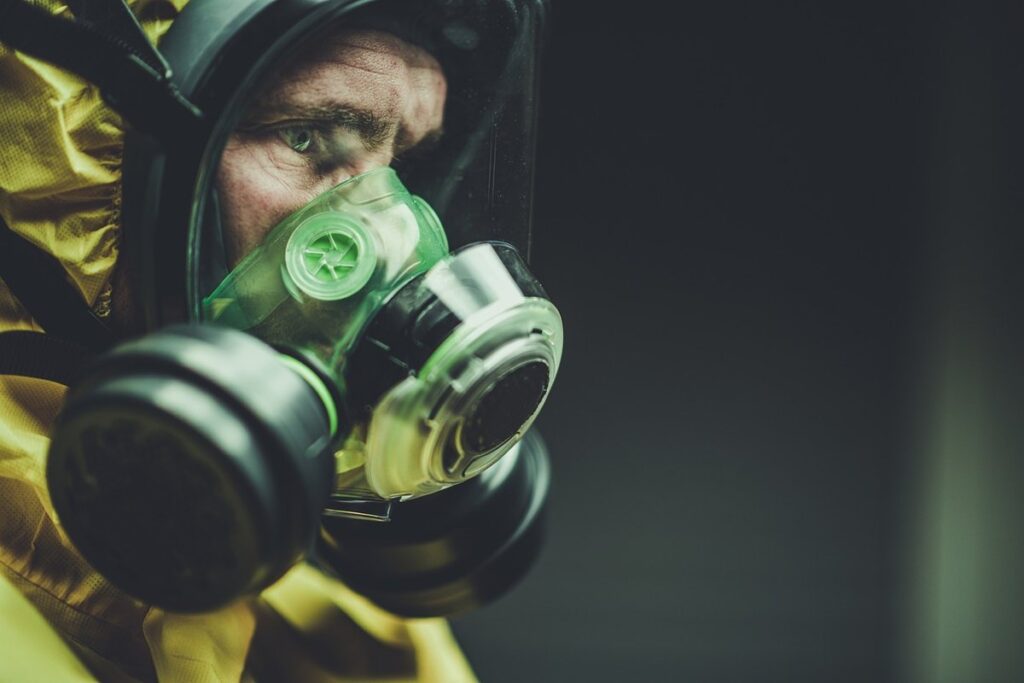
When working directly with animals, it’s crucial that you prioritize your own safety by wearing proper personal protective equipment (PPE), such as gloves and masks.
PPE Requirements for Farm Workers
When working with animals, farm workers are at risk of exposure to zoonotic diseases, which can be transmitted from animals to humans. To minimize this risk, it’s essential to provide farm workers with the necessary personal protective equipment (PPE). Gloves are a crucial component of PPE for farm workers. They should be made from durable materials that can withstand repeated use and cleaning. Nitrile gloves are often preferred due to their resistance to punctures and chemicals.
In addition to gloves, masks are also required for farm workers who handle animals or work in areas where animal waste is present. These masks should be designed to filter out at least 95% of airborne particles. Protective eyewear, such as goggles or face shields, can also help prevent eye infections and other injuries caused by dust, debris, or animal secretions.
Farm workers should wear their PPE consistently and correctly to maintain effectiveness. This includes washing hands before putting on gloves, adjusting masks properly, and wearing protective eyewear when necessary. Regularly inspecting PPE for signs of wear and tear can also help prevent accidents. By prioritizing the use of proper PPE, farm workers can reduce their risk of illness and protect both themselves and their livestock.
Hand Hygiene and Sanitation Protocols
Maintaining hand hygiene and sanitation practices is crucial to preventing disease transmission among farm staff. This involves regular washing of hands with soap and water, especially after using the bathroom, before eating, and after handling animals or their waste.
Hands should be washed for at least 20 seconds, paying attention to areas between fingers, under nails, and the backs of hands. Using warm water and liquid soap is recommended, as it helps to remove dirt and microorganisms more effectively than cold water and bar soap. Farm staff can use a hand sanitizer if access to soap and water is limited.
Farmers should also maintain clean and well-ventilated restrooms with adequate supplies of toilet paper, soap, and trash bags. Regular cleaning and disinfection of these areas are essential to prevent the spread of diseases.
It’s also important for farm staff to follow proper sanitation practices when handling animal feed, equipment, and other materials. This includes wearing gloves if necessary, washing hands after handling potentially contaminated items, and storing them in clean, dry locations.
Vaccination and Health Checks
Develop a vaccination program tailored to your farm’s specific needs, taking into account the types of livestock, their age and health status, and the diseases prevalent in your area. Consult with a veterinarian to determine the necessary vaccinations and schedule for your animals.
Regular health checks are also essential in preventing disease outbreaks. Monitor your livestock regularly for signs of illness or stress, such as changes in appetite, weight loss, or difficulty breathing. Keep accurate records of health checks, vaccinations, and any treatments administered.
When conducting health checks, consider factors like the time of year, weather conditions, and the animal’s age and health status. For example, young animals may require more frequent check-ups than adults, while older animals may be more susceptible to certain diseases.
To streamline your vaccination and health check procedures, create a schedule that outlines the necessary steps and deadlines for each task. This can help ensure that all vaccinations are up-to-date and that regular health checks are performed consistently.
Monitoring and Surveillance
Effective monitoring and surveillance are essential for identifying potential biosecurity breaches before they become major issues on your farm. This includes tracking animal health, detecting signs of disease, and maintaining a secure facility perimeter.
Detecting Early Warning Signs
When it comes to detecting early warning signs of a biosecurity breach or disease outbreak on your farm, being aware of common indicators is crucial. Keep an eye out for unusual behavior in your livestock, such as changes in appetite, lethargy, or difficulty breathing. These can be signs of illness or stress caused by a biosecurity breach.
Monitor your animals’ physical condition, looking for visible symptoms like lesions, sores, or discolored skin and feathers. Check for any unusual odors or signs of trauma, such as wounds or broken bones. Keep in mind that some diseases may not exhibit obvious symptoms until it’s too late, making regular health checks essential.
Changes in your farm’s ecosystem can also indicate a problem. For example, an unexpected increase in pests like flies, rodents, or birds could be a sign of disease or contamination. Similarly, if you notice an unusual number of dead animals or an abnormal pattern of animal movement, investigate further.
Be proactive and take swift action when you identify any potential issues. Isolate affected areas, disinfect equipment, and consult with a veterinarian or biosecurity expert to address the problem before it spreads.
Reporting Incidents and Outbreaks
When a biosecurity incident or disease outbreak occurs on your farm, it’s crucial to report it promptly to relevant authorities and implement protocols for containment and mitigation. This requires developing clear procedures for reporting incidents, including designated contact persons and emergency phone numbers.
Developing a reporting protocol involves identifying the types of incidents that require immediate attention, such as suspected animal diseases or unauthorized access to the farm. For instance, if you suspect an outbreak of Avian Influenza, report it immediately to your local animal health authority.
In case of a confirmed outbreak or incident, follow these steps:
- Isolate affected animals and restrict movement within the farm
- Contact relevant authorities for guidance on testing, vaccination, and disease management
- Document all actions taken in response to the incident
- Review and revise biosecurity protocols as necessary
Timely reporting can help prevent further spread of disease and minimize economic losses. Ensure that all staff members are aware of reporting procedures and protocols to facilitate swift action in case of an emergency. Regular review and updating of reporting protocols will also help you stay ahead of potential threats and maintain a robust farm biosecurity system.
Continuous Improvement and Review
Regular review and improvement of farm biosecurity measures are crucial to adapt to changing threats and risks. This involves continuously assessing the effectiveness of current protocols and making adjustments as necessary. One way to do this is by regularly reviewing incident reports, outbreak data, and pest management records. Analyzing these metrics can help identify areas where improvements can be made.
For example, if a farm has experienced repeated cases of a particular disease, it may indicate that their vaccination protocol needs to be revised or that a specific area of the farm requires more stringent cleaning measures. Similarly, monitoring pest populations and adjusting control methods accordingly is essential for maintaining biosecurity.
To facilitate continuous improvement, consider implementing an annual review cycle where all farm biosecurity protocols are reassessed and updated. This could involve revisiting the risk assessment, retraining staff, or making adjustments to physical barriers and infrastructure. By regularly reviewing and adapting their biosecurity measures, farms can stay ahead of emerging threats and maintain a robust defense against disease and pests.
Regulatory Requirements and Best Practices
To ensure you’re meeting all regulatory requirements, it’s essential to familiarize yourself with local laws and guidelines governing farm biosecurity practices.
Compliance with Local Regulations
Compliance with local regulations is a critical aspect of farm biosecurity. Familiarize yourself with relevant laws, ordinances, and standards governing animal health and welfare in your area. These may include zoning regulations, permit requirements, or specific guidelines for disease control and eradication programs.
In the United States, for example, the US Department of Agriculture’s (USDA) Animal and Plant Health Inspection Service (APHIS) sets national standards for animal health. However, individual states may have additional regulations governing aspects such as vaccination protocols, feed storage, and manure management. Check with your state’s department of agriculture or equivalent agency to determine specific requirements.
Some key areas to focus on when complying with local regulations include:
• Obtaining necessary permits and licenses
• Implementing measures for disease surveillance and reporting
• Maintaining accurate records of vaccinations, treatments, and animal movements
• Adhering to zoning restrictions and land-use guidelines
By staying informed about and adhering to local regulations, you can help ensure the health and safety of your livestock while also minimizing the risk of regulatory penalties or fines.
Industry Standards and Guidelines
Certification programs such as the Global Good Agricultural Practice (GAP) standard and the Animal and Plant Health Agency’s (APHA) biosecurity guidelines provide a framework for farms to demonstrate their commitment to biosecurity. These programs often involve regular audits and assessments to ensure compliance with industry standards.
The APHA, in particular, offers a biosecurity self-assessment tool that helps farmers identify areas for improvement and develop targeted strategies. This tool is designed to be flexible and adaptable to different farm types and sizes.
When implementing these certification programs, it’s essential to consider the specific requirements of each program, including record-keeping and reporting obligations. For example, the GGP standard requires farms to maintain accurate records of all biosecurity measures taken, including training and vaccination protocols.
Regular audits are also a crucial aspect of industry standards and guidelines. These audits help ensure that farms are maintaining high levels of biosecurity and provide an opportunity for continuous improvement. By participating in certification programs and adhering to audit requirements, farms can demonstrate their commitment to biosecurity and protect their livestock from disease and pests.
Frequently Asked Questions
What if I have multiple farms or locations? How can I implement a unified biosecurity plan?
Implementing a unified biosecurity plan across multiple farms or locations requires careful planning and coordination. Start by conducting a comprehensive risk assessment to identify common vulnerabilities and threats across all sites. Develop a centralized protocol that outlines shared cleanliness practices, training requirements for staff, and monitoring procedures. Regularly review and update the plan to ensure it remains effective.
How often should I conduct farm risk assessments, and what changes can I make between assessments?
Conducting regular farm risk assessments is essential to maintaining effective biosecurity measures. Perform a full risk assessment at least annually, with interim reviews every 6-12 months as needed. Between assessments, implement new protocols or procedures based on changing circumstances, such as introducing new livestock or equipment.
What are the most common mistakes I can make when designing farm layouts for biosecurity?
When designing farm layouts for biosecurity, avoid creating bottlenecks at entry points and ensure that all areas have adequate ventilation and natural light. Keep high-risk zones isolated from low-risk areas to prevent cross-contamination of diseases or pests.
Can I use off-the-shelf software solutions to monitor and track biosecurity incidents, or do I need custom-developed tools?
You can use off-the-shelf software solutions to monitor and track biosecurity incidents. Many commercial software platforms offer features such as incident reporting, tracking, and analytics that can help streamline your biosecurity management process.
What if a disease outbreak occurs on my farm? Are there specific steps I should take immediately to contain the situation?
Yes, in the event of a disease outbreak, immediately isolate affected areas, notify local authorities, and suspend all non-essential activities. Develop a comprehensive response plan that includes procedures for containment, treatment, and communication with stakeholders.
How can I ensure that my farm staff is properly trained on biosecurity protocols, especially if they’re seasonal or contract workers?
Ensure proper training of all farm staff, regardless of their tenure or status, by providing regular workshops, online resources, and job-specific training sessions. Maintain records of completed training programs and conduct refresher courses as needed to reinforce knowledge retention.