
Farming dry land can be a challenging and unforgiving task, but with the right techniques, it can also be incredibly rewarding. As water scarcity becomes an increasingly pressing issue globally, farmers are being forced to rethink their approaches to agriculture. Effective methods for dry land farming involve careful soil preparation, selection of drought-tolerant crops, and innovative water conservation techniques. By adopting these strategies, you can increase yields while reducing costs and promoting environmental sustainability. This article will explore the principles of successful dry land farming, including tips on preparing your soil for maximum fertility, identifying the best crops for arid conditions, and implementing water-saving measures that won’t compromise productivity. By the end of this article, you’ll be equipped with the knowledge to establish a thriving dry land farm that not only withstands but thrives in harsh environments.
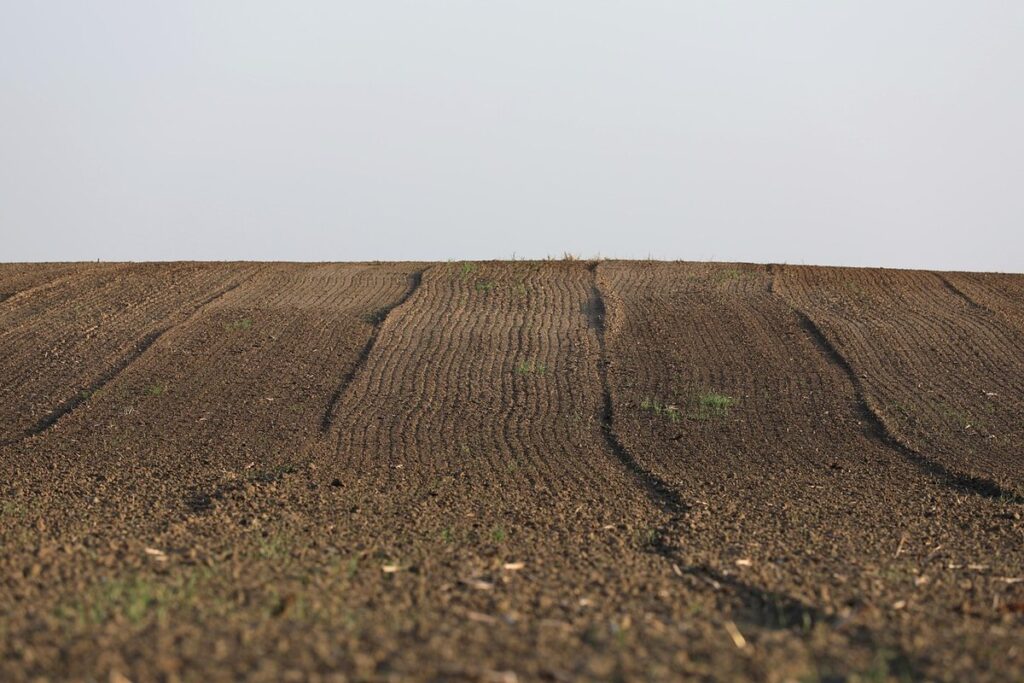
Understanding Dry Land Farming
Dry land farming requires a deep understanding of the unique challenges and opportunities presented by limited water resources, which can be overcome through careful planning. In this crucial context, we’ll examine the key factors to consider when deciding whether dry land farming is right for you.
What is Dry Land Farming?
Dry land farming is an agricultural approach that prioritizes natural rainfall over irrigation. This method requires careful planning to ensure optimal water usage and efficient crop growth. To implement dry land farming successfully, it’s essential to understand the importance of soil health.
Soil health plays a crucial role in dry land farming as it directly affects water retention and nutrient availability for crops. Farmers should regularly assess their soil quality by monitoring factors such as pH levels, nutrient content, and structure. This information will help identify areas that need improvement. Techniques like crop rotation, cover cropping, and incorporating organic matter can enhance soil fertility and improve its ability to retain moisture.
By leveraging natural rainfall and optimizing soil health, dry land farmers can reduce their reliance on irrigation systems and minimize water waste. This approach may require more planning upfront, but it can lead to long-term cost savings and environmental benefits.
Advantages and Challenges of Dry Land Farming
Dry land farming has several advantages that make it an attractive option for farmers. One of the primary benefits is increased crop yields, as dry land crops are often bred to be more drought-resistant and efficient. This can lead to higher productivity and better returns on investment. Additionally, dry land farming eliminates the need for expensive irrigation systems, resulting in significant cost savings over time.
However, there are also challenges associated with dry land farming. One of the main concerns is environmental sustainability. Without proper management, dry land farming can lead to soil erosion and nutrient depletion, which can have long-term effects on the ecosystem. Furthermore, dry land crops may require specialized equipment and techniques for planting and harvesting, which can be a significant investment.
To mitigate these risks, farmers must carefully assess their soil quality and health before adopting dry land farming practices. Regular monitoring of weather patterns and climate change is also crucial to ensure that crops are not stressed beyond their limits. By weighing the advantages against the challenges, farmers can make informed decisions about whether dry land farming is a viable option for their operation.
Soil Preparation for Dry Land Farming
Soil preparation is a crucial step in dry land farming, and it’s essential to understand how to properly till and aerate your soil to ensure optimal water retention. Let’s break down the key factors to consider when preparing your soil for a successful harvest.
Assessing Soil Quality and Health
Soil testing is a crucial step in preparing dry land for farming. Under dry conditions, nutrient deficiencies and structural issues can severely impact crop growth. A comprehensive soil analysis helps identify these problems, allowing farmers to take corrective measures.
The test results provide valuable information on the pH level, nutrient content, and structure of the soil. For instance, if the soil’s pH is too high or too low, it can affect nutrient availability for crops. Similarly, a lack of essential nutrients like nitrogen, phosphorus, or potassium can hinder plant growth. Structural issues, such as poor drainage or compaction, can also be identified through testing.
A standard soil test typically includes a series of chemical analyses to determine the levels of various nutrients and pH. Some farmers may choose to conduct more specialized tests, such as a nematode assay to detect microscopic worms that can harm roots. In dry land farming, it’s essential to identify these issues early on, as they can quickly become severe under water-stressed conditions.
Techniques for Improving Soil Fertility
One of the most effective techniques for improving soil fertility is through the use of organic amendments. These can take many forms, including compost, manure, and green sand. When incorporated into the soil, these amendments not only add essential nutrients but also improve its structure and water-holding capacity.
Mulching is another crucial method for enhancing soil health. By covering the soil surface with a layer of organic material such as straw or wood chips, you can reduce evaporation, retain moisture, and regulate soil temperature. This helps to create an environment that’s conducive to healthy root growth and microbial activity.
Cover cropping is also essential for improving soil fertility in dry land farming. By planting cover crops during the off-season, you can add organic matter to the soil, suppress weeds, and reduce erosion. Examples of effective cover crops include legumes like clover or beans, which fix nitrogen and improve soil fertility.
When selecting an organic amendment, consider what nutrients your soil is lacking. For example, if your soil test reveals low levels of phosphorus, incorporate a phosphorus-rich amendment like bone meal into the soil. By combining these techniques – organic amendments, mulching, and cover cropping – you can significantly enhance soil fertility and improve its water retention capacity.
Irrigation-Free Crop Selection and Planning
When choosing crops for dry land farming, it’s essential to select varieties that require minimal water and can thrive in low-rainfall conditions. We’ll explore some of these options in detail below.
Choosing the Right Crops for Dry Conditions
When choosing crops for dry land farming, several key factors come into play. Climate is a major consideration, as some crops are more tolerant of drought and heat than others. For example, corn and soybeans are often used in dry land farming due to their ability to thrive in low-moisture conditions. However, they may not be the best choice for areas with very short growing seasons or intense summer temperatures.
Soil type is also crucial in crop selection. Sandy soils, which drain quickly, are better suited to crops like wheat and barley, while clay soils, which retain moisture longer, can support crops like cotton and peanuts. It’s essential to assess your soil’s composition and structure before selecting a crop, as this will impact its water requirements and overall health.
Market demand is another critical factor in crop selection. What are the most profitable crops in your area? Are there any emerging trends or shifts in consumer preferences that could influence your choices? For instance, if there’s growing interest in organic produce, you may want to consider planting crops like alfalfa or clover, which can be used for hay and animal feed. By taking these factors into account, you can make informed decisions about the best crops for your dry land farm.
Crop Rotation Strategies for Sustainable Farming
Crop rotation is a crucial strategy for maintaining soil health and optimizing water usage in dry land farming systems. By changing the type of crops grown on a particular piece of land, you can improve its fertility, reduce pests and diseases, and make better use of available moisture. This approach has been practiced for centuries by farmers around the world who have learned to adapt their crop selection based on local climate conditions.
One key benefit of crop rotation is that it breaks disease and pest cycles. For example, if a field is planted with corn one season, followed by soybeans the next, the risk of pests and diseases specific to either crop will be reduced. This approach also promotes soil fertility by incorporating legumes like beans or lentils into the rotation. Legumes have nitrogen-fixing properties that enrich the soil without the need for synthetic fertilizers.
A simple four-season rotation plan might look like this: corn, soybeans, wheat, and then a legume crop like alfalfa or clover. Each new season brings an opportunity to replenish soil nutrients, control pests and diseases, and reduce water usage through more efficient farming practices. By incorporating crop rotation into their dry land farming systems, farmers can create a more resilient and sustainable agricultural practice that minimizes the need for external inputs.
Water Conservation and Harvesting Techniques
To successfully farm dry land, it’s essential to learn water conservation techniques that minimize waste and maximize every precious drop. We’ll explore innovative methods for collecting and reusing rainwater and greywater on your parched plot.
Rainwater Collection and Storage Systems
When designing a rainwater collection system for dry land farming, it’s essential to consider the tank placement, size, and maintenance requirements. Typically, a storage tank should be placed above the highest point of water usage to allow gravity-fed distribution. The tank size will depend on the roof catchment area, rainfall intensity, and intended use. A general rule of thumb is to provide at least 1 gallon per minute for each 250 square feet of roof area.
For dry land farming, a larger storage capacity may be necessary to account for extended drought periods. It’s also crucial to ensure the tank is properly sealed and protected from contamination. Regular maintenance includes inspecting the tank for signs of wear, checking for leaks, and cleaning the gutters and downspouts. A first flush device can help divert the initial flow of water, which may contain debris, into a separate chamber before it enters the storage tank.
A 500-gallon tank is a common size for small-scale dry land farming operations, but this will vary depending on specific needs. It’s essential to consider factors such as evaporation rates and potential water loss during extended drought periods when designing your rainwater collection system.
Efficient Irrigation Methods for Non-Irrigated Fields
Implementing efficient irrigation methods on non-irrigated fields can significantly boost crop yields while minimizing water waste. Drip irrigation systems are an effective option for dry land farming as they deliver water directly to the roots of plants, reducing evaporation and runoff. These systems consist of a network of tubes with small holes that emit a slow stream of water, allowing crops to receive the right amount of moisture without overwatering.
Precision sprinkler systems are another alternative irrigation method suitable for non-irrigated fields. They use sensors and timers to optimize water distribution, ensuring that each plant receives an exact amount of water based on its specific needs. This approach helps reduce water consumption by up to 30% compared to traditional spray irrigation methods.
When choosing a drip irrigation system or precision sprinkler system, consider the type of crops you’re growing and their watering requirements. For example, plants like tomatoes and peppers require more frequent watering than corn or wheat. It’s also essential to ensure that the irrigation system is designed and installed correctly to prevent waterlogging and root rot.
Best Practices for Dry Land Farming Management
To manage dry land farming effectively, it’s essential to implement efficient irrigation systems and monitor soil moisture levels closely. This helps prevent water waste and ensures optimal crop growth.
Monitoring Weather Patterns and Climate Change
Monitoring weather patterns and climate change is crucial for planning effective dry land farming operations. Unpredictable weather conditions can have a significant impact on crop yields, and failing to account for these fluctuations can lead to reduced productivity and lower profits.
To stay ahead of the curve, farmers can utilize various tools and techniques for forecasting weather patterns. Satellite imaging and remote sensing technologies provide valuable insights into soil moisture levels, temperature, and precipitation patterns. These data points can be analyzed to predict potential droughts or excessive rainfall events, allowing farmers to make informed decisions about planting, irrigation, and crop selection.
Farmers can also leverage online resources such as the National Weather Service’s weather forecast models and climate prediction centers. These tools offer detailed forecasts for specific regions, enabling farmers to plan their operations accordingly. By staying attuned to changing weather patterns and adapting their strategies in response, dry land farmers can minimize risks and optimize yields, ultimately contributing to sustainable agriculture practices.
Integrating Technology for Efficient Water Use
Soil moisture sensors are a game-changer for dry land farming. These devices can be inserted into the soil to measure its water content, providing real-time data on how much moisture is available to crops. This information allows farmers to adjust their irrigation schedules accordingly, ensuring they’re not over- or under-watering their crops.
Weather stations also play a crucial role in optimizing water use. By monitoring local weather patterns and temperature fluctuations, farmers can anticipate when rainfall is likely to occur and plan their crop management strategies accordingly. For example, if a storm is forecasted for the next few days, a farmer might delay irrigation or focus on protecting their crops from potential flooding.
Precision agriculture software takes this data one step further by analyzing soil moisture levels, weather patterns, and crop health to provide actionable insights. This can include recommendations for optimal planting times, fertilizer application, and pest management. By leveraging these technologies, dry land farmers can make informed decisions that minimize water waste while maximizing crop yields. By doing so, they can reduce their environmental impact while maintaining a profitable business.
Case Studies and Success Stories in Dry Land Farming
Let’s take a closer look at how farmers around the world are successfully cultivating dry land, despite its challenges. Real-life examples of innovative farming practices will be shared in this section.
Real-World Examples of Sustainable Agriculture Practices
In regions like South Africa’s Western Cape Province, dry land farming has enabled farmers to cultivate crops despite limited rainfall. One such example is the work of farmer, Marius Schoeman, who adopted conservation agriculture practices to reduce soil erosion and improve water retention. By minimizing tillage and planting cover crops, Schoeman was able to increase crop yields while reducing his reliance on external inputs.
A similar approach has been taken by Indian farmer, Rohan Shah, in the state of Maharashtra. Through a combination of crop rotation and mulching, Shah has successfully grown drought-resistant crops like sorghum and millet, despite receiving as little as 400 mm of rainfall annually. His innovative techniques have also helped to increase soil fertility and reduce water consumption.
In addition to these individual examples, there are also larger-scale initiatives that demonstrate the potential for sustainable dry land farming practices. The African Water Facility’s (AWF) project in Kenya, for example, has been working with local farmers to implement drought-tolerant crop varieties and efficient irrigation systems. This collaborative effort has not only improved crop yields but also enhanced water management and conservation.
Some common strategies employed by successful dry land farmers include:
- Implementing cover crops to reduce soil erosion and improve water retention
- Using drought-resistant crop varieties that are adapted to local climate conditions
- Practicing reduced tillage or no-till farming to minimize soil disturbance and retain moisture
- Incorporating mulch or compost into the soil to increase fertility and structure
Frequently Asked Questions
How Can I Scale Up My Dry Land Farming Operations?
Scaling up dry land farming requires careful planning to ensure that your increased crop yields don’t compromise soil health and water conservation. Consider investing in precision agriculture software to optimize crop selection, irrigation-free crop rotation strategies, and efficient water use technologies like drip irrigation or precision sprinkler systems. This will enable you to scale up your operations while maintaining environmental sustainability.
What If I Experience a Drought During the Growing Season?
Droughts can be challenging for dry land farmers. Monitor weather patterns closely using tools like soil moisture sensors, weather stations, and climate forecasting software to anticipate droughts and adjust your farming schedule accordingly. Consider implementing conservation tillage or no-till practices to minimize soil disturbance and promote water retention.
Can I Use Dry Land Farming Methods on My Existing Irrigated Fields?
While dry land farming is typically associated with non-irrigated fields, you can still adapt these methods to irrigated fields by incorporating techniques like mulching, cover cropping, and efficient irrigation management. This will help reduce your water costs and promote environmental sustainability. Start by assessing the soil quality and health of your existing fields and implementing targeted improvements.
How Do I Know if My Dry Land Farming System is Working Effectively?
Monitoring your dry land farming system’s effectiveness requires tracking key performance indicators like crop yields, water usage, and soil health. Regularly assess your system’s efficiency using tools like precision agriculture software and adjust your strategies as needed to optimize results. Consider implementing a phased approach to implement changes gradually.
Can I Use Rainwater Collection Systems in Areas with High Rainfall?
While rainwater collection systems are typically associated with areas where rainfall is scarce, you can still use them in areas with high rainfall by designing the system to handle excess water and prevent flooding. This requires careful planning and installation of the collection and storage tanks, including consideration for overflow management and maintenance requirements.
