
As September rolls in, your garden is finally yielding its last burst of summer glory. The air is crisp, the leaves are changing, and the sense of accomplishment that comes with harvesting your own produce is at its peak. But before you let the season slip away, take a moment to appreciate the bounty of your labor – literally. A September harvest is a time for celebration, not just because it’s the last chance to enjoy fresh-picked fruits and vegetables, but also because it’s an opportunity to extend the growing season, preserve the harvest for months to come, and truly make the most of your garden’s final flourish. In this article, you’ll learn expert tips on how to coax every last bit from your plants, as well as ideas for preserving and celebrating the season’s bounty.
Preparing for the Harvest
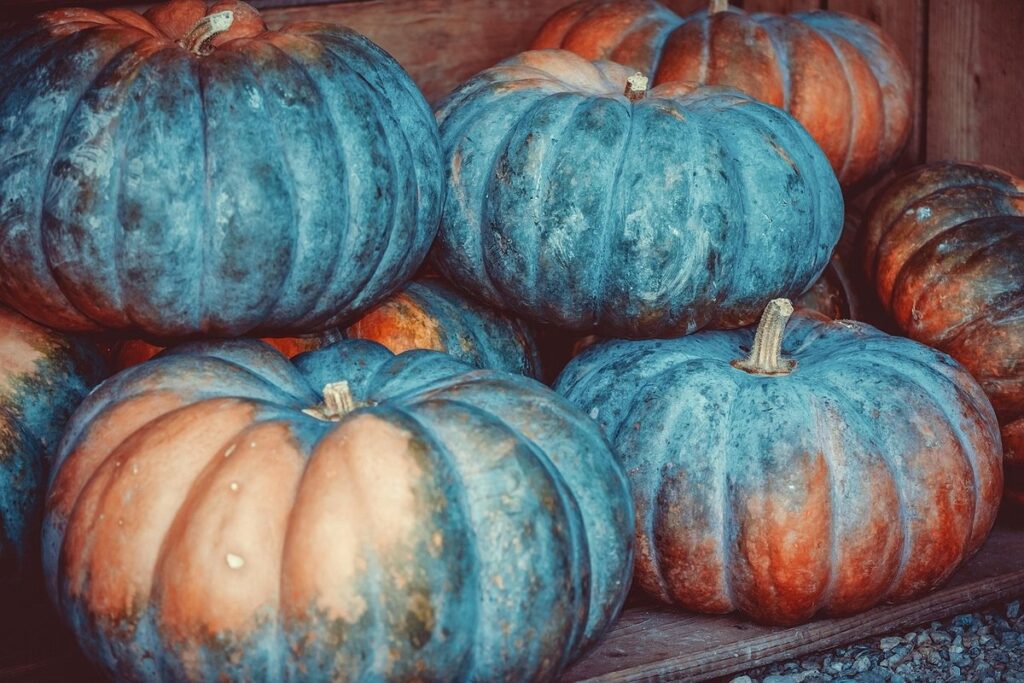
As September’s harvest season unfolds, it’s essential to prepare your garden and home for a fruitful bounty, ensuring that every moment is savored and enjoyed. Let’s take a closer look at how to make the most of this special time.
Understanding the Autumn Equinox
As the autumn equinox approaches, you may wonder about its significance in relation to the harvest season. This pivotal moment marks the beginning of autumn and has a profound impact on weather patterns and plant growth. Typically around September 22 or 23 in the Northern Hemisphere, the autumnal equinox brings an equal balance between daylight and darkness, signaling the start of a period of decreasing daylight hours.
This shift in daylight triggers a series of reactions within plants, leading to changes in their growth patterns. As days shorten, plants prepare for dormancy by slowing down their production of chlorophyll, causing leaves to change colors and eventually fall off. This process is essential for trees and shrubs, allowing them to conserve energy and protect themselves from harsh winter conditions.
In terms of weather, the autumn equinox often marks a turning point in temperature patterns. After the summer solstice, temperatures typically begin to drop as the Earth’s axis continues its tilt away from the sun. This cooling trend can be beneficial for certain crops that thrive in cooler conditions, but it also signals the end of the growing season for many others.
Understanding the significance of the autumn equinox helps you appreciate the subtle yet crucial changes happening in your garden and environment during this time.
Tips for Extending the Growing Season
As the days shorten and nights grow cooler, gardeners often face the challenge of protecting their crops from frost. One effective strategy is to use row covers – lightweight, breathable fabrics that allow sunlight and water to reach plants while keeping chill air out. Drape these over beds or individual plants to create a microclimate that extends the growing season by several weeks.
Another option is to build or purchase a cold frame, which can be as simple as a wooden box on legs with transparent panels for ventilation. These structures trap warmth and protect plants from extreme temperatures, allowing you to continue harvesting vegetables like lettuce, spinach, and herbs well into autumn.
To further prolong the growing season, gardeners can also use other techniques such as bringing sensitive plants under cover or using anti-transpirant sprays to prevent moisture loss. By employing these strategies, you can enjoy a longer harvest period and make the most of your September garden’s bounty.
Harvesting Seasonal Produce
As September’s harvest arrives, let’s explore the best seasonal produce to stock your kitchen and make the most of the season’s freshest flavors. From crisp apples to juicy tomatoes, we’ll highlight the stars of this month’s bounty.
Fruits of the Harvest: Apples, Pears, and Grapes
In September, many varieties of apples, pears, and grapes are ripe for the picking. For apples, look for Honeycrisp, Fuji, and Granny Smith, which typically peak in mid-September. These sweet and tart varieties are perfect for snacking, baking, or making a refreshing apple cider.
For storage, keep apples in a cool, dry place with good air circulation to prevent moisture buildup. You can also wrap individual apples in paper bags to maintain humidity and keep them fresh for longer. When it comes to pears, try Bartlett or Anjou varieties, which are usually ready for harvest in late September.
Grapes, on the other hand, come in a range of colors and flavors. Muscat grapes are known for their sweet, floral taste and are perfect for snacking or making wine. For storing grapes, keep them away from direct sunlight and heat sources to prevent spoilage. Consider freezing grapes for future use in smoothies or baked goods.
Incorporating apples, pears, and grapes into your cooking is easy and delicious. Try pairing sliced apples with caramelized onions and blue cheese on a crusty bread, or use pears in a homemade salad with mixed greens and nuts. For a sweet treat, try making a batch of homemade jam using fresh grapes and a touch of lemon juice.
Leafy Greens and Brassicas for Fall
Fall is an ideal time to grow a variety of leafy greens like kale, spinach, and lettuce. These crops thrive in cooler temperatures and can tolerate light frosts. To extend their harvest season, plant them every 1-2 weeks for a continuous supply. Choose varieties bred for fall production, such as ‘Lacinato’ kale or ‘Tyee’ lettuce.
For brassicas like broccoli, cauliflower, and cabbage, ensure they receive adequate sunlight during the day to promote healthy growth. These crops also benefit from being planted in well-draining soil with a pH between 6.0-7.0. To prevent pests and diseases, maintain good garden hygiene by removing weeds and debris regularly.
Some popular fall-blooming brassicas include ‘Waltham 29’ broccoli and ‘Snow Crown’ cauliflower. Plant them at the same depth as they were in their nursery pots to avoid disturbing their roots. Harvest these crops when the buds are tight and the florets are compact, typically around 50-60 days after planting.
When harvesting leafy greens, pick individual leaves or cut off the entire plant, depending on your preference. For brassicas, wait until the main head has formed before cutting it off at the stem.
Preserving the Harvest
As September comes to a close, you’ll want to make sure those delicious fruits and veggies don’t go to waste. Let’s explore ways to preserve them for future meals.
Canning and Freezing: Essential Techniques
To can fruits and vegetables safely, you’ll need a large pot with a rack, a lid, and a pressure canner. The rack is crucial for preventing fruit from coming into contact with the bottom of the pot, which can cause scorching. Use a gentle simmer to bring the contents to 212°F (100°C), then reduce heat to maintain this temperature. Never leave unattended, as boiling over or sudden drops in pressure can be hazardous.
For freezing, prepare containers by labeling them and ensuring they’re clean and dry. Fill containers with a single layer of produce, leaving about an inch of space at the top. Seal containers tightly, making sure to release any air pockets that may cause spoilage. Frozen produce should be used within 6-8 months for optimal flavor.
When canning or freezing, always follow tested recipes and guidelines from reputable sources, such as the USDA’s Complete Guide to Home Canning. Familiarize yourself with key terms like acidity, which affects canning times and methods. Understanding these basics will help you make informed decisions about preserving your harvest.
Dehydrating and Pickling for Long-Term Storage
Dehydrating is a great way to preserve fruits like apples and pears, as it removes excess moisture and helps prevent spoilage. You can use a food dehydrator or even your oven on the lowest temperature setting (135°F to 150°F) to dry sliced produce for up to six months. For example, try making dried apple rings by slicing apples thinly and placing them in a single layer on the dehydrator trays.
Pickling is another effective method for preserving vegetables like cucumbers, carrots, and beets. A basic pickling liquid consists of vinegar, water, salt, and sugar, but you can customize it with spices and herbs to suit your taste. Use a 1:1 ratio of acidic ingredients (vinegar or lemon juice) to water as the base for your pickling liquid.
To make quick pickles, simply slice cucumbers thinly and soak them in a brine made from vinegar, salt, and sugar for at least an hour. For longer-term storage, pack pickled produce into clean glass jars, leaving about 1 inch of headspace, and store them in the fridge or a cool pantry.
Celebrating the Harvest
As we gather around the table to enjoy the fruits of our labor, let’s take a moment to appreciate the simple pleasures of harvesting fresh produce right from our own gardens. This bounty is what makes September so special.
Autumnal Traditions and Rituals
Autumnal celebrations and harvest rituals have been an integral part of human culture for centuries. From ancient Celtic festivals to modern-day Thanksgiving, these events serve as a reminder of the cycle of life and the importance of community. In Japan, the autumnal equinox is celebrated with visits to family graves, honoring ancestors who worked the land.
In Europe, harvest festivals like La Fête des Vendanges in France are still observed today. These festivities often involve traditional music, dance, and feasting. You can incorporate similar elements into your own celebrations by hosting a potluck dinner or inviting friends over for a seasonal feast.
Some popular autumnal rituals include apple pressing, where families gather to extract juice from freshly harvested apples. This activity not only produces delicious cider but also serves as a reminder of the importance of preserving food for future generations. You can try this at home with a manual press or by visiting a local orchard that offers cider-making workshops.
In many cultures, autumn is associated with themes of gratitude and abundance. To incorporate these elements into your own celebrations, consider creating a harvest altar or display in your home. This can be as simple as arranging seasonal fruits and vegetables on a table or crafting a wreath from dried leaves and twigs.
Hosting a Fall Harvest Dinner Party
A seasonal dinner party is the perfect way to celebrate the harvest with friends and family. To create a festive atmosphere, start by setting the mood with autumnal decorations. Consider using warm lighting, such as candles or string lights, and adorn the table with seasonal elements like pumpkins, apples, and dried corn husks.
For a menu that showcases the season’s bounty, focus on local and in-season produce. Some ideas include roasted butternut squash soup, apple cider-glazed pork chops, and a harvest salad featuring mixed greens, dried cranberries, and crumbled blue cheese. Don’t forget to incorporate some traditional autumnal flavors like cinnamon, nutmeg, and maple syrup.
To keep guests engaged, plan some seasonal activities that fit the harvest theme. These might include a pumpkin-carving station, a wine and cheese tasting featuring local varieties, or even a scavenger hunt for fallen leaves and other natural treasures. With a little creativity, you can create a memorable and joyful celebration of the harvest season that your guests will cherish long after the dinner party is over. Some popular seasonal drinks to serve include apple cider, mulled wine, and spiced tea.
Managing Post-Harvest Tasks
Now that you’ve harvested your September bounty, it’s time to focus on preserving and enjoying what you’ve worked so hard for. This is where post-harvest tasks come into play.
Cleaning Up the Garden After the Harvest
Cleaning up the garden after the harvest is an essential task to ensure a healthy start for next year’s growth. Start by removing all spent plants from the beds, taking care not to compact the soil as you work. This will prevent disease and pests from overwintering in the debris.
Composting leftover materials is a great way to reduce waste and create nutrient-rich soil. Set aside any organic matter like leaves, stems, and vegetable scraps for your compost pile. These can be broken down into a rich humus that will benefit future crops. Be sure to balance “green” materials (high in nitrogen) with “brown” ones (high in carbon).
To reuse leftover materials, consider repurposing wooden stakes or trellises as garden markers or supports for winter-blooming plants like hellebores and snowdrops. You can also turn old baskets into planters for forcing bulbs or growing microgreens indoors.
When cleaning up the garden, keep a sharp eye out for any weeds that may have gone to seed – remove these before they spread their seeds and cause more trouble come springtime.
Preparing for Winter: Plant Care and Storage
As winter approaches, it’s essential to prepare your plants for the cold months ahead. For sensitive species like tropical fruits and vegetables, you’ll need to take extra precautions to protect them from frost damage. Start by reviewing the hardiness zone map for your area to determine which plants are likely to survive outdoors without protection.
For those that won’t make it through the winter, bring them indoors or transfer them to a protected location with temperatures above 40°F (4°C). Use row covers or cold frames to shield more resilient plants from harsh weather conditions. Consider storing sensitive species in a cool, dark place like a basement or garage to maintain dormancy.
Some plants, like bulbs and tubers, require a dry period before winter storage. Allow the soil to dry out slightly, then lift and store them in a breathable container filled with a mix of sand and vermiculite. Be sure to label each container so you can easily identify what’s inside. By taking these simple steps, you’ll be able to enjoy your favorite plants year-round and keep their delicate needs in check during the cold winter months.
Frequently Asked Questions
Can I Still Plant New Crops in September?
Yes, depending on the climate and region, it’s still possible to plant new crops in September. Consider cool-season crops like broccoli, kale, or spinach that thrive in the cooler temperatures of autumn. Make sure to check the average frost date for your area and choose varieties with a long maturation period.
How Do I Know Which Plants Are Still Producing After Frost?
Keep an eye on plant leaves and stems; they may become discolored or wilted after a frost. Check for damage by gently touching the plants, and remove any affected sections to prevent further spread. Also, consider using row covers or cold frames to protect sensitive crops from future frosts.
What If I Want to Dry Fruits Like Apples and Pears Instead of Canning Them?
Drying fruits is a great way to preserve them for long-term storage. You can use a food dehydrator or simply slice the fruit thinly and dry it in a low-temperature oven (150°F – 200°F). Keep an eye on the temperature and moisture levels to prevent overcooking or mold growth.
Can I Mix Different Types of Leafy Greens Together for Compost?
Yes, mixing different types of leafy greens is perfectly fine for composting. In fact, combining different green materials can create a nutrient-rich blend that promotes healthy plant growth. Just be sure to balance the “green” with brown materials like dried leaves or straw to maintain the optimal carbon-to-nitrogen ratio.
What’s the Best Way to Store Grapes After Harvest?
Store grapes in a cool, dry place, away from direct sunlight. Consider using breathable containers like paper bags or mesh sacks to prevent moisture buildup and mold growth. Keep them refrigerated at around 32°F – 40°F (0°C – 4°C) to slow down the ripening process.

