
If you’re a gardener who’s tired of using chemical pesticides that can harm your plants, soil, and even your family’s health, you might be wondering if there’s a safer alternative. One natural pest control method that’s been gaining popularity is garlic plant spray – a homemade solution made from crushed garlic mixed with water. This simple concoction has been shown to repel pests like aphids, spider mites, and whiteflies, while also preventing fungal diseases like powdery mildew. By learning how to make garlic plant spray at home, you can say goodbye to harsh chemicals and hello to a healthier garden and environment. In this article, we’ll explore the benefits of using garlic plant spray and provide a step-by-step guide on how to create your own homemade solution.
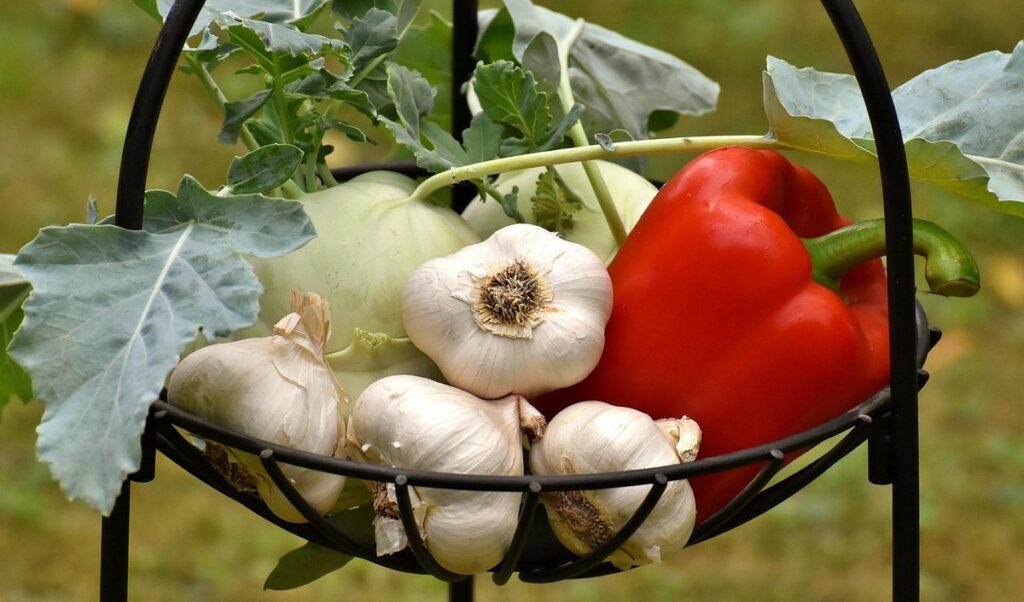
What is Garlic Plant Spray?
Garlic plant spray is a natural, eco-friendly solution that has gained popularity among gardeners and home enthusiasts. It’s essentially a liquid extract made from garlic cloves, used to repel pests and diseases.
History and Development
Garlic plant spray has its roots in traditional gardening practices, dating back to ancient civilizations. The use of garlic as a natural pest repellent is well-documented in Mediterranean cultures, where it was used to protect crops from aphids and other pests. In the early 20th century, farmers began experimenting with liquid garlic extracts as a more convenient alternative to crushed garlic cloves. This led to the development of commercial garlic plant sprays.
The modern formulation of garlic plant spray typically involves blending garlic oil with water and sometimes other natural ingredients like soap or glycerin. The resulting solution is then applied directly to plants using a spray bottle. Some companies also add preservatives or thickeners to extend shelf life and improve sprayability. When choosing a commercial garlic plant spray, gardeners should look for products that use high-quality garlic oil and minimal additives.
The shift towards natural pest control methods has contributed to the growth of the garlic plant spray market. As consumers become increasingly aware of the risks associated with chemical pesticides, they’re seeking out more sustainable alternatives. This trend is driving innovation in the development of new garlic plant spray formulations and delivery systems.
How it Works
Garlic’s active compounds, specifically allicin and its derivatives, are responsible for its pest-repelling properties. When garlic is crushed or chopped, it releases these compounds into the air as a gas. This volatile oil interacts with the olfactory systems of insects, causing them to flee the area in search of food sources with less irritating odors.
The sulfur-containing molecules in garlic also have antifungal and antibacterial effects. These compounds can be absorbed by plant tissues, providing systemic protection against fungal infections and bacterial diseases. By spraying garlic solution onto plants, gardeners create a physical barrier that deters pests from feeding on the leaves or roots.
As for how garlic interacts with specific types of pests, allicin has been shown to repel aphids, spider mites, and whiteflies by disrupting their communication systems. Fungal pathogens, such as powdery mildew and downy mildew, are also inhibited by the presence of garlic’s sulfur compounds.
For optimal results, it’s essential to use a high concentration of fresh garlic in your spray solution. A general guideline is to mix 3-4 cloves per quart of water. However, the ideal ratio may vary depending on the specific pest or disease you’re targeting, as well as local climate and soil conditions.
Benefits for Gardeners
If you’re a gardener, you’ll love learning how garlic plant spray can boost your harvests and reduce pests naturally. We’ll show you its benefits in action here.
Natural Pest Control
Gardeners prefer garlic plant spray for natural pest control due to its non-toxic nature. Unlike chemical pesticides, which can harm beneficial insects and contaminate soil and water, garlic plant spray is safe for the environment. This makes it an attractive option for gardeners who want to avoid harming beneficial pollinators like bees and butterflies.
Garlic’s active compounds, such as allicin, have natural insecticidal properties that repel or kill pests without leaving toxic residues. For example, aphids and spider mites are often effectively controlled with garlic plant spray, reducing the need for chemical pesticides.
In addition to being non-toxic, garlic plant spray is also biodegradable, breaking down naturally in the environment. This reduces the risk of long-term environmental damage associated with chemical pesticide use. When choosing a pest control method, gardeners should consider the potential risks and benefits of each approach. Garlic plant spray offers a safe and effective alternative to chemical pesticides, making it a popular choice among environmentally conscious gardeners.
To maximize its effectiveness, garlic plant spray can be combined with other natural methods, such as introducing beneficial insects or using physical barriers to prevent pest infestations.
Cost-Effective Solution
Garlic plant spray offers a cost-effective solution for gardeners looking to control pests without breaking the bank. Compared to commercial pesticides, garlic plant spray is often significantly cheaper to produce and purchase. A small batch of garlic plant spray can be made at home using just a few cloves of garlic, water, and some basic equipment. This DIY approach not only saves money but also allows gardeners to customize the recipe to suit their specific needs.
In contrast, commercial pesticides can be expensive, especially for large gardens or frequent use. Moreover, many pest control methods require repeated applications, which can add up quickly. Garlic plant spray, on the other hand, can provide long-lasting protection against a range of pests, including aphids, whiteflies, and spider mites.
To put this into perspective, consider that a single bulb of garlic can yield enough oil to make multiple batches of garlic plant spray. This means that even a small investment in garlic bulbs can yield a significant amount of pest control solution over time.
Versatility in Use
You can use garlic plant spray to deter a wide range of pests, from common garden insects like aphids and whiteflies to more persistent problems like rodents and deer. For example, spraying garlic solution around the perimeter of your garden can help keep rabbits and other small herbivores out, protecting your plants from damage.
In addition to gardening applications, garlic plant spray also has uses as an animal repellent. You can use it to deter pests that are attracted to your pets’ food or living areas, such as raccoons and opossums. Simply spray the solution around the area where your pet eats or plays outside.
Some gardeners even use garlic plant spray to repel mosquitoes and other biting insects, making it a valuable addition to outdoor spaces like patios and decks. When using garlic plant spray for these purposes, be sure to reapply as needed to maintain its effectiveness.
DIY Garlic Plant Spray Recipe
To make your own garlic plant spray at home, you’ll need just a few simple ingredients and some basic kitchen tools to get started. This recipe is easy to customize to suit your specific needs.
Basic Ingredients and Instructions
To make a simple garlic plant spray using common household ingredients, start by gathering the following basic components: 3-4 cloves of fresh garlic, 1 quart of water, and a clean glass jar. Mince the garlic cloves to release their oils, then combine them with the water in the jar. Allow this mixture to steep for at least 24 hours in the refrigerator. This will allow the garlic’s active compounds to infuse into the water.
After the infusion process is complete, strain the liquid through a cheesecloth or fine-mesh sieve into another container, discarding the solids. You now have the basic garlic plant spray mixture. Before applying it to your plants, make sure to dilute this concentrated solution with an additional 1-2 quarts of water, depending on your desired strength.
When using this garlic plant spray, be aware that a little goes a long way – typically, a fine mist applied directly to the affected area or a systemic spray applied throughout the foliage is sufficient.
Customizing the Recipe
When dealing with specific pest or disease issues in your garden, you can adjust the garlic plant spray recipe to better suit the problem at hand. For instance, if you’re battling aphids or whiteflies, increase the amount of garlic oil to 1-2% concentration, as these pests are more effectively controlled by stronger garlic solutions.
If fungal diseases like powdery mildew or leaf spot are prevalent in your garden, reduce the garlic oil concentration to 0.5-1%. This weaker solution is gentler on plants and still provides enough antifungal properties to combat these issues without causing further stress.
Some gardeners also find success by adding other natural ingredients to their garlic plant spray recipe. For example, mixing in a few drops of neem oil can enhance the spray’s effectiveness against pests like spider mites or mealybugs.
In general, it’s best to start with smaller batches and test the adjusted recipe on a single plant before applying it to your entire garden. This approach allows you to gauge the potential impact without causing unnecessary damage or stress to your plants. By customizing the garlic plant spray recipe to address specific pest or disease issues, you can create a more targeted solution that effectively meets the needs of your garden.
Storage and Shelf Life
Proper storage is key to maintaining the potency of homemade garlic plant spray. Keep it in a clean glass bottle with a tight-fitting lid to prevent contamination and spoilage. Avoid exposing the spray to direct sunlight, high temperatures, or extreme humidity levels, as this can cause the mixture to degrade quickly.
Store the bottle in a cool, dark place like a pantry or cupboard. If you live in an area with very hot summers, consider storing it in a shaded area outdoors. Never leave the spray near heating vents, radiators, or other sources of heat.
Check the spray’s potency by applying it to a small test area on a leaf or stem. If the garlic smell is weak or absent after 24 hours, it’s likely lost its effectiveness and needs to be remade. Typically, homemade garlic plant spray lasts for several months when stored properly, but this can vary depending on factors like temperature, light exposure, and initial ingredient quality.
To extend shelf life, consider adding a small amount of vodka or glycerin to the mixture before storage. These ingredients help preserve the active compounds in garlic and prevent spoilage. However, always follow the recommended dilution ratios to avoid harming your plants.
Using Garlic Plant Spray Effectively
When using garlic plant spray, it’s essential to apply it correctly and at the right frequency to maximize its benefits without harming your plants. We’ll walk you through some key guidelines for effective application.
Timing and Frequency of Application
When applying garlic plant spray, timing is crucial to maximize its effectiveness. Avoid spraying during intense sunlight or rain, as this can cause the solution to evaporate too quickly or become diluted. Typically, the best time for application is early morning or late evening when temperatures are cooler.
Consider the growth stage of your plants when deciding on frequency and timing. For young seedlings, a gentle application every 7-10 days may be sufficient, while more mature plants can tolerate applications every 4-5 days during periods of high pest activity. Keep in mind that garlic plant spray is most effective when used preventatively, rather than reactively.
During hot or dry spells, you may need to adjust the frequency and amount of solution applied. Monitor your plants closely for signs of stress, such as yellowing leaves or wilting, and reduce application rates accordingly. If you’re using a combination of garlic plant spray with other pest control methods, be sure to space out applications by at least 24 hours to avoid over-saturating the plants with active ingredients.
Combination with Other Methods
When using garlic plant spray as part of your pest control routine, it’s common to combine it with other methods for even greater effectiveness. One popular option is neem oil. Neem oil works by disrupting insect growth and development, making it difficult for pests to reproduce. Garlic plant spray, on the other hand, has a broad-spectrum impact, repelling and killing a wide range of insects.
Together, garlic plant spray and neem oil can create a powerful one-two punch against garden pests. For example, you could use neem oil to control aphids or whiteflies, then follow up with a garlic plant spray application to prevent re-infestation. Another option is to combine garlic plant spray with companion planting. Planting certain herbs and flowers alongside your crops can help repel pests naturally.
Some examples of companion plants that pair well with garlic include marigolds, basil, and mint. These plants have natural oils or compounds that repel insects, complementing the effects of garlic plant spray. By incorporating these strategies into your pest control routine, you can create a holistic approach to garden health and reduce reliance on chemical pesticides.
Precautions and Safety Measures
When handling garlic plant spray, it’s essential to take precautions to avoid skin and eye irritation. Wear long sleeves, pants, and closed-toe shoes to prevent direct contact with the skin. Gloves are also recommended, especially if you have sensitive skin or plan to apply the spray repeatedly.
To protect your eyes, wear safety goggles or glasses with good ventilation to prevent fumes from building up. If you accidentally get garlic plant spray in your eyes, flush them immediately with plenty of water and seek medical attention if irritation persists.
When spraying, keep a safe distance from the area being treated and avoid inhaling the fumes. Use a gentle misting setting on your sprayer to minimize drift and overspray. Clean up spills promptly to prevent skin contact or accidental ingestion.
In addition to these precautions, be aware that garlic plant spray can stain clothing and surfaces. Wash any contaminated items separately before washing them with other clothes, and consider applying a sealant to treated areas to protect against further damage.
Garlic Plant Spray vs. Chemical Pesticides
Garlic plant spray is often pitted against traditional chemical pesticides, but how do these two methods really compare when it comes to garden safety and effectiveness? Let’s look at the key differences.
Health Risks Associated with Chemicals
Exposure to chemical pesticides has been linked to a range of health risks, including neurological damage. Prolonged exposure can affect cognitive function, leading to difficulties with concentration and memory. In some cases, it may even contribute to neurodegenerative diseases such as Parkinson’s or Alzheimer’s.
Chemical pesticide use has also been associated with an increased risk of certain cancers, like leukemia and non-Hodgkin lymphoma. Long-term exposure can lead to the development of these conditions due to the chemical compounds’ ability to alter DNA and disrupt cellular processes.
Moreover, chemicals in pesticides can contaminate soil, water sources, and food products. This environmental pollution has a ripple effect on human health, as people may ingest contaminated produce or be exposed to polluted air and water.
In contrast, garlic plant spray is a natural alternative that poses fewer risks to human health. By opting for a chemical-free solution like garlic plant spray, gardeners can minimize their exposure to hazardous chemicals while still protecting their crops from pests and diseases.
Environmental Impact of Chemicals
Chemical pesticides can contaminate soil, leading to long-term damage to plant health and microbial ecosystems. When chemicals seep into the ground, they can alter the pH balance and disrupt nutrient cycles, ultimately affecting crop yields and quality. In addition to soil contamination, chemical pesticides also contribute to water pollution through runoff and leaching into aquatic systems.
The impact on local ecosystems is just as concerning. Chemical residues can accumulate in plant tissues, posing a risk to beneficial insects like bees and butterflies that rely on those plants for food. This phenomenon is often referred to as “pesticide drift.” Moreover, the intensive use of chemical pesticides has been linked to a decline in biodiversity as species that are sensitive to these chemicals face extinction.
In contrast to this destructive pattern, using garlic plant spray allows gardeners to maintain healthy soil and ecosystems without exposing themselves or the environment to harsh chemicals. By making the switch to garlic-based pest control methods, gardeners can significantly reduce their ecological footprint while still protecting their crops from pests and diseases.
Long-Term Consequences of Using Garlic Plant Spray
Using garlic plant spray as a long-term solution for pest control has several benefits. For one, it doesn’t contribute to the buildup of resistant pests like chemical pesticides do. As pests become accustomed to chemicals, they adapt and develop resistance, rendering those chemicals ineffective. Garlic plant spray, on the other hand, works by interfering with the pests’ metabolic processes, making it more difficult for them to develop immunity.
Another advantage is that garlic plant spray doesn’t contaminate soil or water like chemical pesticides can. When chemical residues accumulate in soil, they can persist for years and even enter the food chain, posing risks to human health and wildlife. Garlic, by contrast, breaks down quickly in the environment, minimizing its impact on ecosystems.
It’s also worth noting that garlic plant spray doesn’t leave behind any toxic residues or byproducts that could harm beneficial insects like bees and butterflies. This is particularly important for gardeners who want to maintain a balanced ecosystem and support pollinators. By using garlic plant spray consistently, you can create a safer environment for your plants and the wildlife that visits them.
Frequently Asked Questions
Can I Use Garlic Plant Spray on All Types of Plants?
Yes, garlic plant spray is generally safe for most types of plants, but it’s essential to test a small area first, especially if you’re using a homemade recipe. Some plants, like those with sensitive leaves or delicate blooms, may require dilution or special care.
What If I Notice No Improvement After Using Garlic Plant Spray?
Don’t be discouraged! It’s possible that the spray needs time to take effect, or that the pest or disease is particularly stubborn. Consider adjusting the recipe, increasing the frequency of application, or combining garlic plant spray with other natural methods for better results.
How Do I Know When to Stop Using Garlic Plant Spray?
Monitor your plants’ response and adjust as needed. As pests and diseases recede, you can gradually reduce the frequency of applications. Also, keep an eye on weather conditions; strong winds or heavy rain may dilute the spray’s effectiveness.
Can I Mix Garlic Plant Spray with Other Natural Pest Control Methods?
Yes, garlic plant spray can be used in conjunction with other natural methods like neem oil, diatomaceous earth, or companion planting. Experiment with different combinations to find what works best for your specific garden needs and pest challenges.
What If I’m Allergic to Garlic or Have Sensitive Skin – Can I Still Make and Use Garlic Plant Spray?
While garlic plant spray is generally safe for most people, if you’re allergic to garlic or have sensitive skin, consider taking precautions like wearing gloves when handling the spray. You can also explore alternative recipes that use fewer or no fresh garlic cloves.
