
Egyptian walking onions are a hardy, low-maintenance perennial onion variety that can provide a sustainable onion supply for your kitchen year-round. Unlike regular onions, they don’t need to be replanted every season, making them an ideal choice for gardeners who want to reduce waste and save time. If you’re looking for a way to add fresh flavor to your favorite recipes without relying on store-bought onions, learning how to plant Egyptian walking onions is a great place to start. In this article, we’ll cover the basics of planting, caring for, and harvesting these versatile bulbs, including tips on soil preparation, spacing, and pest management. By the end of this guide, you’ll know how to grow your own Egyptian walking onions and enjoy a steady supply of homegrown onions all year long.
Choosing the Right Variety and Location
When planting Egyptian walking onions, it’s crucial to choose a variety that thrives in your local climate, as well as a spot with the right amount of sunlight. This section covers essential considerations for both selection and placement.
Understanding the Benefits of Egyptian Walking Onions
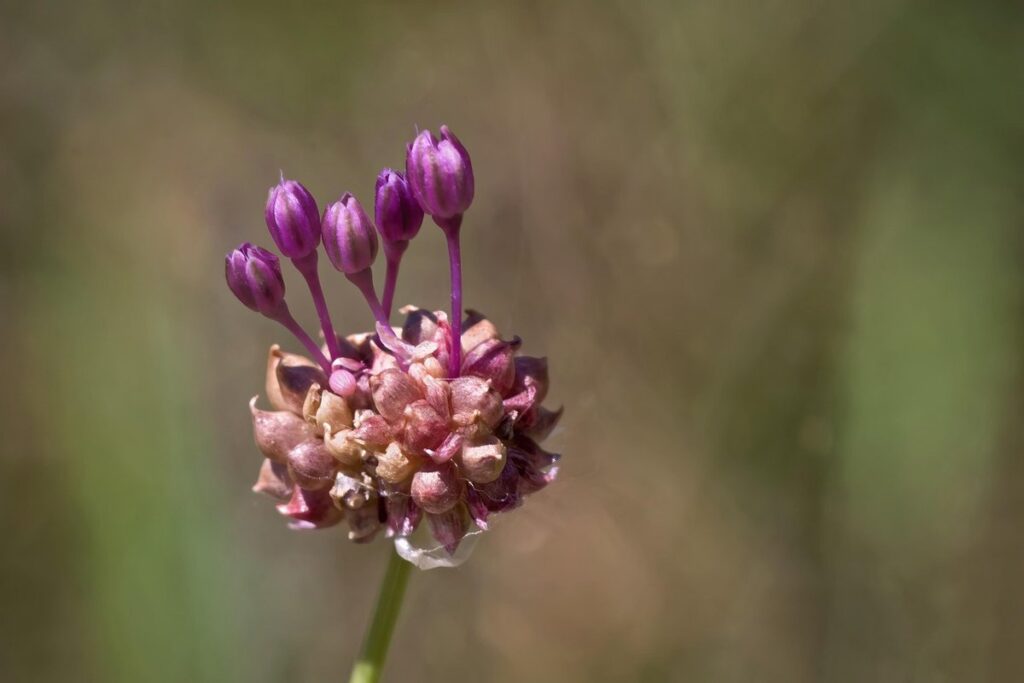
Egyptian walking onions are prized for their unique characteristics and benefits. These hardy bulbs can naturalize over time, forming a carpet of onion plants that require minimal maintenance. One of the most significant advantages is their ability to produce both green scapes and edible bulbs, making them a valuable addition to any kitchen garden.
In ideal conditions, Egyptian walking onions can form new offsets, or “walking” onions, which detach from the parent bulb and grow into new plants. This process allows the crop to spread quickly, making it an excellent choice for permaculture enthusiasts and those looking to minimize their workload. Another benefit is their tolerance of poor soil and full sun, enabling them to thrive in areas where other onion varieties might struggle.
When choosing Egyptian walking onions, look for sets that have a few green shoots emerging from the top. This indicates that they are actively growing and will produce scapes soon after planting. By incorporating these resilient bulbs into your garden, you’ll enjoy a long-lasting supply of fresh onions with minimal fuss.
Selecting a Suitable Location for Your Plants
Egyptian walking onions thrive in well-drained soil with a pH between 6.0 and 7.0, making them adaptable to a variety of soil types. However, they prefer slightly acidic conditions, which can be achieved by adding compost or peat moss to the soil. In terms of climate, Egyptian walking onions are relatively drought-tolerant but perform best in areas with moderate temperatures between 60°F and 80°F (15°C and 27°C).
Temperature tolerance is crucial for these plants, as they can be susceptible to damage from extreme cold or heat. Avoid planting in areas with frequent frost or where temperatures often soar above 90°F (32°C). Egyptian walking onions also require full sun to partial shade, depending on your location’s climate.
Consider the microclimate of your garden when selecting a location for your plants. If you live in an area with intense sunlight, choose a spot that receives dappled shade or morning sun to prevent scorching. In areas with mild winters, Egyptian walking onions can be planted in a partially shaded bed to protect them from extreme cold snaps.
When choosing a planting site, look for areas with good air circulation to prevent disease and promote healthy growth. Avoid low-lying spots where water may collect, as this can lead to root rot and other issues. By selecting the right location, you’ll be well on your way to growing healthy and productive Egyptian walking onions.
Preparing the Soil and Planting Site
Before you start planting your Egyptian Walking Onions, it’s essential to prepare a suitable site with well-draining soil and a location that receives full sun. Choose a spot with the right conditions for healthy growth from day one.
Testing and Amending Your Soil
To test your soil pH and nutrient levels, you’ll need a soil testing kit or to submit a sample to a laboratory. These kits typically include a series of color-coded cards or strips that change color based on the acidity or alkalinity of the soil. You can also purchase a digital pH meter for more accurate readings.
Aim for a slightly acidic to neutral soil pH, between 6.0 and 7.0, as Egyptian walking onions prefer this range. If your soil is too alkaline (high pH), it may require lime to adjust the pH. Conversely, if it’s too acidic, you can add dolomitic limestone.
Nutrient levels are also crucial. Egyptian walking onions benefit from balanced fertilizers with a mix of nitrogen, phosphorus, and potassium (NPK). A general-purpose fertilizer will suffice, but consider a soil test to identify specific deficiencies. Add compost or well-rotted manure to enrich the soil’s organic matter and nutrient content.
When amending your soil, apply the recommended amounts according to the product instructions. For example, if using lime, start with a small amount (about 1/4 cup per square foot) and retest the pH after several weeks. This approach will help you avoid overcorrection or undercorrection.
Digging and Preparing the Planting Bed
When digging and preparing the planting bed for your Egyptian walking onions, consider a few key factors to ensure healthy growth. The ideal spacing between plants is typically around 6-12 inches (15-30 cm), allowing for adequate air circulation and preventing overcrowding that can lead to disease.
The depth of the bed also matters – Egyptian walking onions prefer well-draining soil with a slightly acidic pH, which means avoiding areas with standing water or heavy clay. Aim for a bed depth of around 8-10 inches (20-25 cm), with a mix of compost and organic matter to improve drainage and fertility.
When loosening the soil, use a garden fork to gently break up any clods without compacting the earth. This will give your onion sets or seedlings a solid foundation for growth. Finally, rake the bed to create a smooth surface, removing any debris or weeds that could compete with your onions for water and nutrients. By paying attention to these details, you’ll set your Egyptian walking onions up for success and ensure a bountiful harvest in the seasons ahead.
Obtaining and Handling Sets or Seedlings
To successfully grow Egyptian walking onions, you’ll need to obtain sets or seedlings from a reputable source. Acquiring healthy sets is crucial for their early growth and spread.
Purchasing Sets or Seedlings from a Nursery or Online Source
When sourcing Egyptian walking onions sets or seedlings, you have several options. Online marketplaces like Etsy and specialty gardening stores often carry a variety of onion sets, including Egyptian walking onions. These online sources can be especially useful if you’re looking for specific varieties or have limited access to local nurseries.
Local nurseries and gardening stores typically stock a range of onion sets during the spring planting season. Be sure to call ahead and confirm availability before making a special trip. Some larger garden centers may also carry Egyptian walking onions seedlings, which can be planted directly into individual pots or into the garden.
If you’re having trouble finding onion sets in local nurseries, consider visiting online forums or social media groups for local gardeners. Many enthusiasts share tips and resources on where to find specific varieties of plants. Keep in mind that shipping requirements may apply when purchasing online, so be sure to check with the seller before making a purchase.
Handling and Storing Your Sets or Seedlings
When handling sets or seedlings of Egyptian walking onions, it’s essential to minimize damage during transport and storage. This helps ensure they arrive at your garden in good condition and have a higher chance of thriving.
Gently place the sets or seedlings in a container or bag filled with paper towels or a similar material that allows for airflow. Avoid overcrowding, as this can cause moisture buildup and lead to rot. If transporting from a nursery or online source, ask if they have any specialized packaging materials designed specifically for onion sets.
Keep the container away from direct sunlight and heat sources during transport. For longer storage periods, keep the sets or seedlings in a cool, dark location with consistent temperatures between 35°F and 45°F (2°C to 7°C). Avoid storing them near potatoes, as these can release ethylene gas, which can stimulate onion growth but also cause them to sprout.
In terms of storage duration, it’s best to plant sets or seedlings within a week or two of receiving them. If you’re unable to plant immediately, store the container in a sealed bag with moist paper towels to maintain humidity.
Planting the Onions
Now that you have your Egyptian walking onion bulbs, it’s time to plant them in a location that will provide optimal growing conditions. Learn how to space and prepare the soil for successful bulb growth.
Planting Sets in the Fall or Spring
When planting sets in the fall or spring, it’s essential to consider the specific needs of Egyptian walking onions. For a successful harvest, plant the sets 1-2 inches deep and 4-6 inches apart, depending on the variety. In the fall, plant the sets about 8 weeks before the first frost, allowing them to establish themselves before winter.
In the spring, plant the sets as soon as the soil can be worked in your area. This usually occurs when the soil has warmed up and the threat of frost has passed. Be cautious not to overcrowd the planting bed, as this can lead to reduced yields and increased disease susceptibility.
It’s also crucial to choose a location with full sun and well-draining soil for optimal onion growth. Avoid low-lying areas where water may collect, as this can cause root rot. Plant the sets in rows that are at least 12 inches apart, allowing for easy access during harvesting. By following these guidelines, you’ll be well on your way to growing healthy and productive Egyptian walking onions.
Transplanting Seedlings into Individual Pots or Directly into the Garden
When transplanting seedlings into individual pots or directly into the garden, it’s essential to handle their fragile roots with care. This will minimize transplant shock and give them a better chance of thriving. Start by gently loosening the soil around the seedling’s root ball using a soft-bristled brush or a fork. Avoid pulling or tugging on the stem, as this can cause damage.
If transplanting into individual pots, choose containers that are at least 6-8 inches deep to accommodate the onion’s extensive root system. Fill the pot with a well-draining mix, and gently place the seedling in the center, spreading its roots outwards. Leave about an inch of space between the soil surface and the top of the pot.
When transplanting directly into the garden, create a shallow hole that’s slightly larger than the seedling’s root ball. Place the onion in the hole, firming the soil gently around it to secure the roots. Water thoroughly after planting to settle the soil. It’s also beneficial to water the seedlings before transplanting to make the process less stressful for them.
Caring for Your Egyptian Walking Onions
Now that you’ve successfully planted your Egyptian walking onions, it’s time to focus on their ongoing care. Regular maintenance will ensure a healthy and thriving crop.
Watering and Mulching Techniques
Watering and mulching are crucial techniques for promoting healthy growth and preventing disease in your Egyptian walking onions. Overwatering can be detrimental to these plants, so it’s essential to strike the right balance. Water your onions when the top inch of soil feels dry to the touch, usually every 7-10 days during the growing season.
When watering, avoid getting water on the leaves or crown of the plant to prevent rot and fungal diseases. Instead, focus on soaking the roots deeply. You can use a soaker hose or a watering can with a long spout to deliver water directly to the base of the plants.
Mulching is another important step in caring for your Egyptian walking onions. Mulch helps retain moisture, suppress weeds, and regulate soil temperature. Use a 2-3 inch layer of organic mulch like straw, wood chips, or grass clippings around the base of each plant. Keep the mulch a few inches away from the crown to prevent moisture buildup.
Fertilizing and Pruning Your Plants
As Egyptian walking onions mature, they’ll require regular fertilization and pruning to maintain their health and promote bulb growth. For optimal results, start with a balanced fertilizer (10-10-10 NPK) in early spring, following the manufacturer’s instructions for application rates. You can also use compost or well-rotted manure as a natural alternative.
During the growing season, side-dress your plants with a high-phosphorus fertilizer (such as 10-20-10 NPK) to encourage bulb formation and prevent scapes from flowering. For example, apply a small amount of ammonium phosphate around the base of each plant in late spring or early summer.
Pruning is essential for maintaining shape and encouraging new growth. Remove any dead or damaged leaves to prevent disease spread. In mid-summer, trim back the scape (flower stalk) to about 6 inches from the top, allowing the plant to focus energy on bulb development. Finally, after harvest, remove all debris and weeds to give your plants a clean slate for the next growing season.
Harvesting and Storage
Now that your Egyptian Walking Onions are thriving, it’s essential to learn how to harvest their bulbs and store them properly for a continuous supply. Proper storage techniques will also help keep them healthy during winter months.
Timing and Techniques for Harvesting Scapes and Bulbs
Harvest scapes when they reach about 6-8 inches tall, as they can become woody and fibrous if left to grow too long. This will also encourage the plant to produce more bulbs underground. For optimal flavor, harvest scapes in the morning after the dew has dried, but before the heat of the day.
To harvest a scape, simply cut it off at the base with scissors or a sharp knife, leaving about an inch of stem attached to the plant. This will help the bulb continue to grow and multiply underground. You can use harvested scapes immediately in salads, soups, or as a garnish.
Timing for harvesting bulbs depends on the climate and weather conditions. In cooler climates, harvest bulbs when the tops begin to yellow and fall over, usually around late summer or early fall. In warmer climates, wait until the tops have died back completely, often in late spring or early summer. Gently dig up the bulb with a fork, being careful not to damage the surrounding soil.
To avoid damaging the bulb, handle it gently and store it in a dry, cool place. You can also replant harvested bulbs immediately, either in their original location or in a new spot.
Storing Your Harvested Onions for Long-Term Use
To maintain flavor and freshness, it’s essential to properly dry and cure your harvested onions before storing them. Begin by gently brushing off any excess dirt or debris from the onions’ surface with a soft-bristled brush. Next, spread the onions out in a single layer on a wire rack or tray, allowing for good air circulation around each bulb. Store the onions in a cool, dry place with consistent temperatures between 40°F and 50°F (4°C to 10°C). A basement or a shaded area is ideal.
Check on the onions every few days to ensure they remain dry. You can also use desiccant packets or silica gel to absorb any excess moisture. After 2-3 weeks, the onions should be fully cured and ready for storage. Store them in a breathable container, such as a mesh bag or a paper bag with holes punched into it, to maintain airflow. Avoid storing onions in plastic bags or containers, as this can cause moisture buildup and spoilage. By following these steps, you’ll be able to enjoy your harvested Egyptian walking onions throughout the year, without sacrificing flavor or freshness.
Frequently Asked Questions
What if I accidentally overwater my Egyptian walking onions and they start to rot?
Yes, it’s possible for Egyptian walking onions to rot if the soil is too waterlogged. To prevent this, make sure to check the soil moisture regularly and adjust your watering schedule accordingly. If you notice any signs of rot, such as soft or mushy stems, remove the affected plants immediately to prevent the disease from spreading.
Can I grow Egyptian walking onions in containers?
Yes, you can grow Egyptian walking onions in containers provided they have good drainage and are at least 6-8 inches deep. This will give the onions enough room to form a decent-sized bulb. Keep in mind that container-grown onions may require more frequent watering than those grown in the ground.
How long does it take for Egyptian walking onions to naturalize and start producing offsets?
Egyptian walking onions can start producing offsets within 2-3 years of planting, but this timeframe can vary depending on factors such as climate, soil quality, and maintenance. With proper care and conditions, they can become a nearly self-sustaining crop, producing new plants that can be harvested for years to come.
Can I harvest scapes and bulbs at the same time, or should I prioritize one over the other?
It’s possible to harvest both scapes and bulbs from Egyptian walking onions, but it’s generally best to prioritize one or the other. If you’re after a bountiful harvest of scapes for cooking, consider leaving the bulb intact until it reaches maturity. Conversely, if you want to enjoy the bulbs, harvest them as soon as they reach a decent size, then let the plant continue producing scapes.
