You might have heard of Egyptian walking onions, but are you aware of their incredible versatility? These unique plants produce edible bulbs at ground level and also send up stems with small onion-like bulbs on top. Not only do they add flavor to a variety of dishes, but they’re also relatively low maintenance to grow in your garden or even indoors. In this comprehensive guide, we’ll explore the benefits and uses of Egyptian walking onions, from cultivation and harvesting tips to cooking methods and potential health benefits. We’ll delve into how to use their bulbs, greens, and flowers in everything from salads and soups to stir-fries and roasted vegetables. By the end of this article, you’ll be well-equipped with the knowledge to incorporate Egyptian walking onions into your kitchen and garden, making them a valuable addition to your culinary repertoire.
What is an Egyptian Walking Onion?
The Egyptian Walking Onion is a unique and fascinating plant, and understanding its basic characteristics is essential to appreciating its benefits and uses. Let’s start by exploring what makes this onion so special in the first place.
Definition and Characteristics
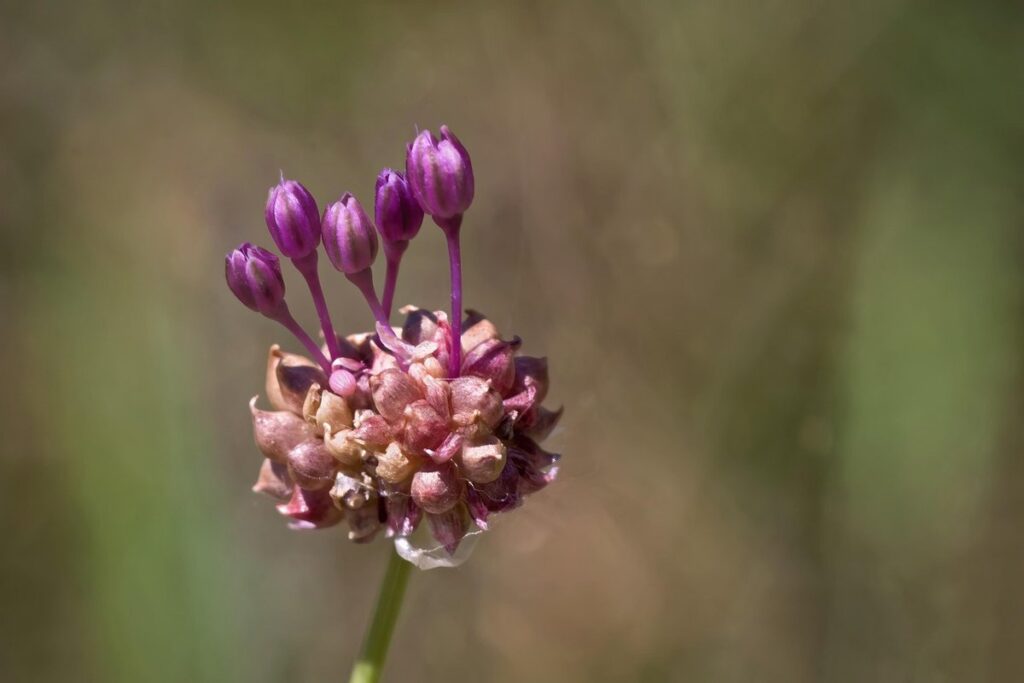
The Egyptian walking onion is a perennial vegetable that belongs to the Allium genus. It’s often confused with regular onions due to its similar flavor and texture, but it has several distinct characteristics. One of its most notable features is its unique growth habit: instead of forming bulbs underground like regular onions, Egyptian walking onions produce small offsets or “pups” at the top of a tall stem that can reach up to three feet in height.
These pups are essentially miniature versions of the parent plant and can be used as scapes for cooking. They’re typically harvested when they’re about an inch in diameter and have a mild, sweet flavor. Egyptian walking onions also tend to grow in clusters, making them ideal for small spaces or containers. When mature, the tops of the plants will begin to yellow and fall over, at which point it’s time to harvest the pups.
In terms of appearance, Egyptian walking onions have a similar shape to regular onions but are often smaller and more elongated. They also tend to have a papery, onion-like skin that’s easy to peel back when cooking.
Types and Varieties
Egyptian walking onions come in several varieties, each with its unique characteristics. The most common types are ‘Top Setting’, which produces offsets at the top of the plant, and ‘Bottom Setting’, where the offsets grow from the base of the bulb. Some growers prefer the ‘Wine Crown’ variety for its sweeter flavor and smaller size.
The ‘Shanghai’ type is known for its large bulbs and mild flavor, while the ‘Beltsville Bunching’ variety produces a high yield of small onions with a sweet taste. These types typically require less care than other varieties and can be grown in containers or in the ground.
When choosing an Egyptian walking onion variety, consider your climate, available space, and desired harvest size. For example, if you live in a cooler region, opt for a hardy type like ‘Beltsville Bunching’. If you’re short on space, try growing ‘Wine Crown’ in containers.
It’s also worth noting that some varieties are better suited to specific cooking methods. For instance, the sweet flavor of ‘Shanghai’ makes it ideal for roasting or sautéing, while the smaller size of ‘Beltsville Bunching’ is perfect for pickling or adding to salads.
Growing and Caring for Egyptian Walking Onions
To grow and care for your Egyptian walking onions, you’ll want to focus on providing them with well-draining soil and a spot that receives plenty of sunlight.
Planting and Soil Requirements
Egyptian walking onions prefer well-draining soil with a slightly acidic to neutral pH. Aim for a range of 6.0 to 7.0 on the pH scale. Sandy loam or loose soil is ideal, as it allows for easy root growth and onion bulb development. Avoid planting in heavy clay or waterlogged areas, as this can lead to root rot.
When selecting a planting site, consider the amount of sunlight required by Egyptian walking onions. They need full sun to partial shade, with at least 6 hours of direct sunlight per day. If you’re growing in containers, ensure they have good drainage holes and are placed in an area that receives sufficient light.
It’s also essential to choose a spot with adequate air circulation to prevent fungal diseases. Avoid planting near other onion varieties, as this can increase the risk of disease transmission. Instead, consider grouping Egyptian walking onions with other plants that repel pests or attract beneficial insects. This can help create a balanced ecosystem and reduce the need for pesticides.
In terms of specific soil requirements, you can add compost or well-rotted manure to improve fertility and drainage.
Watering and Fertilization Needs
Egyptian walking onions require consistent moisture, especially during their first year of growth. Water them deeply once or twice a week, depending on weather conditions, making sure not to overwater which can lead to rot. As the plants mature, they’ll become more drought-tolerant.
For fertilization, Egyptian walking onions benefit from a balanced fertilizer applied in early spring when new growth begins. A 10-10-10 NPK formula is suitable, but you can also use compost tea or fish emulsion for a more natural approach. Avoid overfertilizing, as this can promote leaf growth at the expense of bulb formation.
When selecting fertilizers, consider using organic options like bone meal or alfalfa meal, which provide slow-release nutrients that support healthy bulb development. If using synthetic fertilizers, follow the recommended application rates to avoid burning the plants’ roots.
Keep in mind that Egyptian walking onions are sensitive to excessive nitrogen, so avoid using high-N formulas or overfertilizing during the summer months when they’re more susceptible to fungal diseases.
Pest and Disease Management
Egyptian walking onions are susceptible to a range of pests and diseases, including aphids, spider mites, and powdery mildew. To manage these issues effectively, monitor your plants regularly for signs of infestation or infection. Check the undersides of leaves and stems for aphid colonies, and inspect the soil for telltale webs spun by spider mites.
For aphid control, try introducing natural predators such as ladybugs or lacewings to your garden. You can also use neem oil or insecticidal soap to deter infestations. Spider mite damage often appears as fine webbing on the leaves, but can be more difficult to treat. In this case, apply a horticultural oil to suffocate the mites.
Powdery mildew is a common fungal disease that affects Egyptian walking onions in warm, humid weather. To prevent its spread, maintain good air circulation around your plants and avoid overhead watering. Remove any infected leaves or stems to prevent spores from spreading further. Regularly water and fertilize your plants to keep them healthy and resilient against disease.
In severe cases of infestation or infection, consider applying a systemic fungicide or insecticide according to the manufacturer’s instructions. Always follow integrated pest management (IPM) principles to minimize harm to beneficial insects and the environment.
Harvesting and Preparing Egyptian Walking Onions
Now that you’ve grown your Egyptian walking onion crop, it’s time to harvest and prepare these delicious bulbs for use in cooking. This process involves carefully digging up the onions’ small offsets.
When and How to Harvest
Identify when Egyptian walking onions are ready for harvesting by looking for a clear sign: the top sets of leaves begin to yellow and fall over. This is a natural process indicating that the onion bulbs have finished growing and are now mature enough for harvest.
Timing-wise, you should aim to harvest in mid-to-late summer, around 90 to 120 days after planting. The exact timing depends on weather conditions and your specific climate. In warmer areas with long summers, onions may be ready as early as June or July.
To determine if your Egyptian walking onions are ready for harvest, gently dig around the base of each plant with a fork, being careful not to damage any of the bulbs. If the bulb is large enough and feels firm to the touch, it’s likely ready to be harvested.
Some gardeners prefer to harvest in the morning when the soil is moist but not waterlogged. This makes it easier to dig around the onions without causing too much disturbance. After harvesting, trim the tops of the plants to within a few inches of the ground to encourage new growth and prevent seed formation.
Cooking and Preparation Methods
Egyptian walking onions can be cooked and prepared in various ways to bring out their unique flavor and texture. Sautéing is a simple method where the onions are finely chopped and quickly cooked in oil until they’re translucent and slightly caramelized. This brings out the sweetness of the onion, making it a great addition to dishes like scrambled eggs or stir-fries.
Roasting is another popular method that allows the onions to retain their natural flavor and texture. Simply chop them into smaller pieces, toss with olive oil, salt, and your choice of herbs, and roast in the oven at 400°F (200°C) for about 20-25 minutes. This brings out a sweet and slightly nutty flavor.
Pickling is also an excellent way to preserve Egyptian walking onions for later use. Slice them thinly and soak them in a brine made with vinegar, sugar, salt, and spices. The resulting pickled onions can be used as a topping for sandwiches or salads, adding a tangy and crunchy texture.
Storage and Preservation Tips
To keep Egyptian walking onions fresh for a longer period, it’s essential to store them properly. First, trim the leaves to about an inch from the base of the bulb, as these can cause the onion to rot quickly. Then, place the bulbs in a mesh bag or paper bag, leaving some space between each one for air circulation.
If you plan to use your Egyptian walking onions within a week or two, you can store them in a cool, dry place like a pantry or cupboard. For longer-term storage, consider storing them in a refrigerator at a consistent temperature below 40°F (4°C). Make sure the bulbs are not touching each other and are not exposed to direct sunlight.
To preserve Egyptian walking onions for even longer periods, you can also consider dehydrating or freezing them. Dehydration removes moisture from the onion, preventing bacterial growth and spoilage. Freeze-dried onions retain their flavor and texture but may become brittle over time. Freezing is a quick and effective way to preserve the onion’s nutrients and flavor, making it ideal for future use in cooking.
When storing Egyptian walking onions, keep an eye out for signs of spoilage such as mold, sliminess, or a sour smell. Regularly inspect your stored onions to ensure they remain fresh and healthy.
Health Benefits and Culinary Uses
The Egyptian walking onion is not just a visually striking addition to your garden, but also a valuable ingredient for a variety of dishes. We’ll explore its potential as a culinary staple in this section.
Nutritional Value and Health Benefits
Egyptian walking onions are a nutrient-dense food, rich in vitamins and minerals. They are an excellent source of vitamin C, which plays a crucial role in immune function and collagen production. A single serving of Egyptian walking onions (about 100g) provides approximately 10-15% of the recommended daily intake of vitamin C. In addition to vitamin C, they are also a good source of potassium, magnesium, and iron.
The high content of antioxidants in Egyptian walking onions may help protect against oxidative stress and inflammation, potentially reducing the risk of chronic diseases such as heart disease and cancer. The fiber content in these onions can also support healthy digestion and bowel function.
Incorporating Egyptian walking onions into your diet can be as simple as sautéing them with olive oil, garlic, and herbs or using them as a topping for salads or soups. They have a sweet, mild flavor that pairs well with a variety of ingredients, making them an excellent addition to many recipes.
Some studies suggest that consuming foods high in antioxidants, such as Egyptian walking onions, may help support cognitive function and reduce the risk of age-related diseases like Alzheimer’s and Parkinson’s. However, more research is needed to confirm these findings.
Traditional Recipes and Dishes
Egyptian walking onions have been a staple ingredient in traditional Middle Eastern cuisine for centuries. They add a sweet, mild flavor and crunchy texture to a variety of dishes. In many Egyptian households, they’re a key component of everyday meals.
One classic recipe is Shorbat al-Banafsa, a vegetable soup that features Egyptian walking onions as one of its main ingredients. Simply sauté the onions with some garlic and olive oil, then add in your choice of vegetables (such as carrots, potatoes, and zucchini) along with some broth. Let it simmer until the flavors have melded together.
In stews like Koshari, Egyptian walking onions are often used to add depth and texture. Simply chop them up and sauté them with some oil and spices before adding in your other ingredients (such as lentils, chickpeas, and tomato paste).
You can also use them in salads like the traditional Egyptian Fattoush. Simply chop the onions and mix them with toasted pita bread, lettuce, tomatoes, and a tangy dressing.
Some general tips for working with Egyptian walking onions include:
- Use their sweet, mild flavor to balance out stronger ingredients
- Chop or slice them finely before adding them to dishes
- Experiment with different spice combinations to bring out their unique flavor
Propagation and Breeding
The Egyptian Walking Onion is a remarkable plant that can easily be multiplied through its unique ability to produce new plants. This section will show you how to harness its potential for propagation and breeding.
Methods for Propagation
Division is a common method for propagating Egyptian walking onions. This process involves digging up mature bulbs and separating them into individual sets of offsets, also known as “sets.” Each set should have at least one or two growth points to ensure they produce new plants. To divide the onion, gently dig around the base with a fork, being careful not to damage the offsets.
Layering is another effective method for propagating Egyptian walking onions. This technique involves bending the stem of the plant down to the ground and securing it in place with a small rock or stake. Roots will develop along the buried portion of the stem, allowing you to harvest new plants when they reach maturity. For best results, choose a healthy stem from a mature onion and bend it at an angle to encourage root growth.
Egyptian walking onions can also be propagated through seed production. However, this method is less common due to the limited availability of fertile seeds. To produce seeds, allow the onions to flower in late spring or early summer. Once the flowers have faded, collect the seed heads and dry them thoroughly before storing them for sowing next season.
Breeding and Selection Techniques
When selecting for desirable traits in Egyptian walking onions, breeders often look for plants with high yields, good bulb size, and robust growth. To improve these qualities, selective breeding techniques can be employed. For example, choosing parents with exceptional characteristics and allowing them to interbreed can lead to offspring with improved traits.
One common method of selection is to identify top-performing plants within a population and use their bulbs for seed production the following year. This process can be repeated over several generations to refine the desired characteristics. Another approach involves using techniques like grafting or budding to combine desirable traits from different parent lines.
To optimize breeding efforts, growers should also consider factors such as disease resistance, tolerance to environmental stressors, and adaptability to local growing conditions. By carefully selecting for these qualities, breeders can develop new varieties that are better suited to specific climates or regions. In practice, this might involve evaluating a range of traits, including plant height, leaf density, and bulb shape.
Conclusion
In conclusion, cultivating an Egyptian Walking Onion is a unique and rewarding experience for gardeners of any skill level. This versatile crop offers a multitude of benefits, from its ability to tolerate challenging growing conditions to its multiple uses in cooking. To maximize your harvest, be sure to plant the onion sets at the correct depth and provide them with adequate sunlight and water.
As you’ve learned throughout this guide, the Egyptian Walking Onion is an excellent choice for adding diversity to your garden and kitchen. Its ease of growth and adaptability make it an ideal crop for small-space gardens or for those new to gardening. By following the tips and techniques outlined in this guide, you’ll be well on your way to growing your own Egyptian Walking Onions and enjoying their many benefits.
In addition to its culinary uses, the Egyptian Walking Onion also has potential as a natural pest repellent. Consider using it to deter aphids and other pests from your garden by planting it alongside your other vegetables.
Frequently Asked Questions
Can I Grow Egyptian Walking Onions Indoors Year-Round?
Yes, it’s possible to grow Egyptian walking onions indoors year-round, but they require specific conditions. Provide them with bright indirect light, maintain a consistent temperature between 60-70°F (15-21°C), and keep the soil consistently moist but not waterlogged.
How Do I Know If My Egyptian Walking Onions Are Infected With Powdery Mildew?
Powdery mildew on Egyptian walking onions appears as a white, powdery coating on leaves. Inspect your plants regularly for this symptom, and if you notice any, treat them with a fungicide specifically designed to combat powdery mildew.
Can I Use Egyptian Walking Onions in Place of Shallots or Garlic?
Yes, Egyptian walking onions can be used as a substitute for shallots or garlic in many recipes. They have a similar flavor profile but are sweeter and milder. However, use them sparingly due to their intense flavor.
How Do I Propagate Egyptian Walking Onions Through Division?
To propagate through division, carefully dig up the entire plant, separate the bulbs into individual units, and replant them in well-draining soil. This method is best done during the spring or fall when the plants are dormant.
Can I Store Egyptian Walking Onion Bulbs for an Extended Period?
Yes, Egyptian walking onion bulbs can be stored for several months if properly dried and kept cool. Tie the tops of the bulbs together with twine, hang them upside down in a dry, dark place, and store them in a paper bag or breathable container to maintain humidity.