
Garlic is one of the most widely grown and used ingredients in cooking, but its growth can be quite deceiving. As you plant your garlic cloves in the ground, it’s easy to wonder when they’ll start showing signs of life. Healthy garlic plants typically emerge with green shoots and flat, strap-like leaves that grow from a central point at soil level. But how do you know if your garlic is thriving or struggling? Knowing what healthy garlic looks like growing can make all the difference in recognizing signs of pests and diseases, such as aphids, whiteflies, and root rot. By learning to identify these issues early on, you’ll be able to optimize growing conditions for optimal bulb production and enjoy a bountiful harvest. This article will help you recognize the visual cues of healthy garlic growth so that you can take action when necessary.
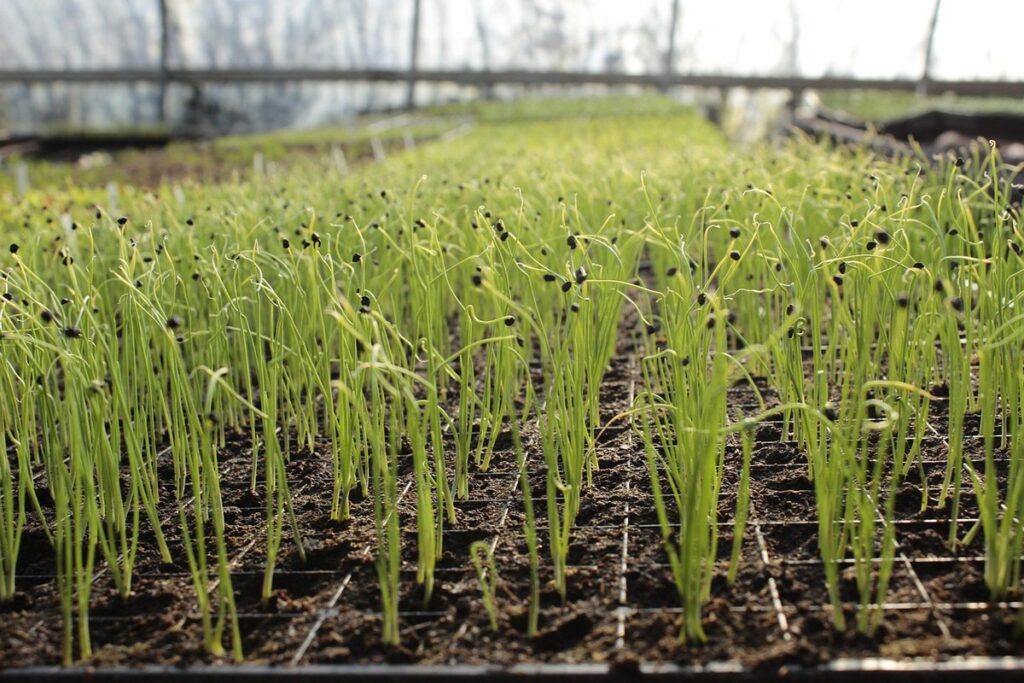
The Life Cycle of Garlic
As you watch garlic grow, understanding its life cycle is essential to knowing what to expect. This process typically takes around 6-9 months from planting to harvesting.
From Bulb to Sprout: Understanding Garlic’s Growth Stages
Garlic’s growth stages are a crucial aspect of understanding its life cycle. From planting a bulb to sprouting and eventually harvesting, garlic undergoes distinct transformations.
The first stage is germination, where the planted bulb begins to absorb water, initiating root and shoot development. This process typically takes 1-3 weeks and can be observed as small white roots emerging from the base of the bulb.
As the plant grows, it develops a single stem with two rows of pointed green leaves. The leaves will start to grow longer and wider, eventually reaching up to 12 inches in height.
Bulb formation begins when the garlic plant reaches its full growth potential, usually after around 4-6 weeks. During this stage, the bulb starts to swell, storing energy for future growth.
In the final stage before harvesting, the bulb grows larger and the leaves begin to yellow and fall off. This signals that the garlic is ready to be harvested.
Identifying Healthy Garlic Plants
Healthy garlic plants typically have bright green leaves and a sturdy stem. However, disease, pests, and nutrient deficiencies can cause visible signs of distress. A healthy plant will usually have leaves that are uniformly green, without any yellow or white spots. Brown or black patches on the leaves may indicate fungal diseases such as powdery mildew or botrytis.
Pests like aphids, spider mites, or thrips can also be identified by their presence on the plant. Check for tiny moving dots on the underside of leaves or along stems, which are often a sign of infestation. Soil-borne pests like nematodes can cause stunted growth and distorted roots.
Nutrient deficiencies may lead to chlorosis, a condition where leaves turn yellow due to lack of iron, magnesium, or nitrogen. This can be caused by poor soil quality or inadequate fertilization. Regularly inspect your garlic plants for these signs, and address any issues promptly to prevent further damage. If you notice any unusual growth patterns or discoloration, research the specific symptoms and take action to resolve them.
When examining your garlic plants, look for a mix of mature and immature leaves. This is a sign that the plant is growing healthily.
Visual Identification: Characteristics of Growing Garlic
Garlic plants typically have long, flat leaves that are a vibrant green color and grow from a central stem. These distinctive features help you identify garlic as it grows in your garden or field.
Plant Height and Leaf Arrangement
When growing garlic, you can expect to see plants that typically range from 12 to 18 inches tall. Some varieties may be shorter or taller, but 12-18 inches is a good rule of thumb for most gardeners. The plant height will also depend on the specific growing conditions and care provided.
The leaf arrangement on garlic plants is often a key identifier. Garlic leaves usually grow in a rosette pattern, with the oldest leaves at the base of the plant forming a circle or oval shape. Newer leaves emerge from the center, growing longer and thinner as they mature. This rosette pattern can help distinguish garlic from other alliums.
Some garlic varieties have a more compact growth habit, while others may spread out more. For example, some Italian garlic varieties tend to grow more upright and compact, whereas elephant garlic plants can be quite sprawling. When identifying different types of garlic based on their appearance, pay attention not only to the plant height but also to the leaf arrangement and overall shape.
Bulb Development and Size Variations
When inspecting garlic plants, it’s essential to observe the bulb development and size variations. A healthy garlic bulb will typically begin to form within 3-4 months of planting, depending on the variety and growing conditions. At this stage, you’ll notice a swelling at the base of each stem, which is where the individual cloves are developing. As the bulb grows, it may start to push the leaves upwards or outwards, depending on the plant’s growth habit.
Look for bulbs that are firm and free from soft spots or green shoots emerging from the center. These signs can indicate an issue with the bulb’s formation or a potential problem with overwatering. You’ll also notice size variations among individual cloves, even within a healthy bulb. Typically, larger cloves will form at the base of the bulb, while smaller ones are more likely to be found towards the top.
To gauge the overall health and readiness of your garlic bulbs, gently dig around the base of each plant with a fork, taking care not to damage the developing bulb. This will allow you to assess the size and condition of the cloves without causing unnecessary stress to the plant.
Common Pests and Diseases Affecting Garlic Growth
Garlic is susceptible to various pests and diseases that can affect its growth, causing damage to leaves, stems, and bulbs. Let’s take a closer look at some common issues to watch out for.
Identifying Signs of Infestation or Infection
Infested garlic plants often exhibit curled or distorted leaves. Check for aphids on the underside of leaves and stems; they can be identified by their pear-shaped bodies. Spider mites, meanwhile, cause fine webbing between leaves and may appear as tiny white dots on the plant’s surface.
Fungal infections like powdery mildew and downy mildew result in a whitish-gray or yellowish coating on leaves, respectively. Leaf spots or patches of discoloration can also be indicative of disease. In severe cases, infected plants may turn yellow or wilt.
To identify signs of infestation or infection, inspect your garlic plants regularly for these symptoms. Look for any unusual growth patterns or discolorations. Be aware that some pests and diseases may not cause visible damage until the problem has progressed.
Here are some key things to check:
- Leaves: curled or distorted
- Underneath leaves and stems: aphids
- Fine webbing between leaves: spider mites
- White dots on plant surface: spider mites
- Whitish-gray or yellowish coating on leaves: fungal infections
Managing Pests and Diseases Effectively
Effective pest and disease management is crucial for healthy garlic growth. Organic methods are often preferred as they minimize chemical use and promote a balanced ecosystem. For instance, introducing beneficial insects like ladybugs or lacewings can help control aphid populations without harming other beneficial organisms.
Another approach is integrated pest management (IPM), which combines physical barriers, cultural controls, and biological controls to minimize chemical usage. IPM strategies for garlic include crop rotation to break disease cycles, maintaining proper soil moisture levels, and using row covers to prevent pests from reaching the plants.
Some common diseases affecting garlic include white rot, purple blotch, and downy mildew. These can be managed through a combination of sanitation practices, such as removing infected plants, and applying fungicides only when necessary. Regular monitoring for signs of disease or infestation is essential for effective management.
Here are some key steps to take:
- Inspect your garlic regularly for signs of pests or diseases
- Remove weeds that can harbor pests or diseases
- Use physical barriers like fine mesh or fine netting to prevent insects from reaching the plants
Environmental Factors Influencing Garlic Growth
Garlic growth is heavily influenced by environmental factors such as temperature, moisture, and sunlight, which can impact its appearance. These external conditions play a significant role in shaping garlic’s development.
Climate and Soil Conditions
Garlic growth is significantly impacted by climate and soil conditions. Optimal temperature ranges for garlic cultivation vary depending on the growth stage: cooler temperatures (around 40°F to 55°F) are ideal during the initial stages, while warmer temperatures (60°F to 70°F) promote bulb development.
Inadequate moisture can lead to poor growth or bulb formation, while excessive moisture increases the risk of fungal diseases. Garlic requires full sun to partial shade, depending on the climate and soil type. In regions with intense sunlight, garlic may require additional protection to prevent scorching.
Soil pH affects nutrient availability, with most garlic varieties thriving in slightly acidic to neutral soils (pH 6.0-7.5). Poor drainage and compacted soils can impede root development and hinder bulb formation. To optimize growing conditions, test your soil pH and adjust accordingly. Incorporate organic matter like compost or well-rotted manure to improve soil structure and fertility.
Some garlic varieties are more tolerant of extreme temperatures or moisture levels than others. Research specific climate and soil requirements for the variety you’re growing. By understanding and adapting to these conditions, you can create an optimal environment for your garlic to thrive.
Nutrient Deficiencies and Their Effects
A nitrogen deficiency can cause garlic leaves to turn yellow and become brittle. This is often accompanied by a reduction in leaf growth rate, leading to stunted plants with sparse foliage. In contrast, a potassium deficiency typically results in yellowing or pale-colored tips on the oldest leaves, while the rest of the plant may appear healthy.
A calcium deficiency can lead to smaller bulbs and poor root development. As a result, garlic plants may appear weak and less robust than usual. It’s worth noting that these nutrient deficiencies often manifest similarly to pest or disease damage, making diagnosis challenging without close observation and knowledge of garlic growth patterns.
To diagnose nutrient deficiencies, inspect your garlic plants regularly for signs of yellowing leaves, stunted growth, or poor bulb development. Consider testing the soil pH and nutrient levels to identify potential issues. If a deficiency is confirmed, adjust your fertilization schedule accordingly, taking care not to over-fertilize – this can be just as detrimental as under-fertilizing.
Some common causes of nutrient deficiencies include using low-quality potting mix, neglecting to fertilize during the growth phase, or growing garlic in areas with poor soil. Regular monitoring and proper care can help mitigate these issues and promote healthy garlic growth.
Garlic Varieties: Visual Characteristics and Growth Patterns
As you cultivate your own garlic, it’s essential to recognize the distinct visual characteristics that indicate a healthy plant, particularly in its early growth stages. Let’s take a closer look at some of the most common varieties.
Overview of Popular Garlic Varieties
When growing garlic, you’ll encounter a diverse range of varieties, each with its unique characteristics and growth patterns. Three popular types are Silverskin, Artichoke, and Elephant Garlic.
Silverskin garlic is known for its slender necks, tight cloves, and silver-colored skin. It has a milder flavor and is often used in sauces and dips. As it grows, Silverskin plants tend to produce smaller bulbs but with more individual cloves.
Artichoke garlic has a distinctive, elongated shape, with the cloves growing in a compact cluster around the center of the bulb. This variety typically produces larger bulbs than Silverskin, with fewer but larger cloves. Artichokes have a stronger flavor and are often used in roasted or grilled dishes.
Elephant Garlic is the largest of the three, producing massive bulbs with several large cloves. Its mild flavor makes it suitable for milder sauces and soups. As its name suggests, Elephant Garlic grows quite large, making it easy to spot among other garlic varieties.
When choosing a variety, consider factors such as climate, space constraints, and intended use in cooking.
Growing Specific Garlic Types
Growing specific garlic types requires attention to their unique needs and characteristics. For example, Elephant garlic prefers well-draining soil and full sun, while Silverskin garlic thrives in cooler temperatures and partial shade.
To grow Elephant garlic, plant individual cloves 4-6 inches apart in the fall, allowing them to overwinter before harvesting in late spring. In contrast, Silverskin garlic is typically planted in the early spring, about 2-3 weeks before the last frost date. Space rows 12-18 inches apart to accommodate the variety’s mature size.
Some popular varieties, such as Rocambole and Artichoke garlic, require a period of vernalization to induce flowering and bulb formation. This involves planting cloves in the fall, allowing them to overwinter, then lifting and replanting individual bulbs in the spring.
To determine which growing conditions are best for your specific variety, research its recommended space requirements, maintenance schedule, and climate tolerance. Most garlic varieties require a period of cold weather (typically around 40°F) to induce dormancy and promote healthy bulb formation. Be mindful of this requirement when choosing a planting date and location for your garlic crop.
Harvesting and Storage: When to Expect Visible Growth
Now that your garlic plants have sprouted, you’re probably eager to know when they’ll be ready for harvest. This is where proper storage comes into play to preserve those sweet bulbs.
Signs of Readiness for Harvest
As the garlic crop approaches maturity, you’ll notice several signs indicating readiness for harvest. One key indicator is visible growth patterns. Garlic plants typically reach a height of 12 to 18 inches before flowering. As they mature, the leaves will start to yellow and fall over, signaling that the bulbs are ready.
Another important sign is bulb size. Check the size by gently digging around the base of the plant with your fingers or a fork. A fully formed garlic bulb should be firm, plump, and about 1-2 inches in diameter. The skin may still be loose, but it should be dry and papery.
Maturity indicators include a change in leaf color from green to yellow, brown, or reddish-brown. This usually occurs a few weeks before harvest time. You can also check for the “neck” of the bulb, which forms as the leaves fall over and the stem begins to wither. When you notice these signs, it’s likely that your garlic crop is ready to be harvested.
Tips for Storing Garlic Bulbs
Store harvested garlic bulbs in a cool, dry place to preserve their quality. Aim for temperatures between 40°F and 50°F (4°C and 10°C), as these conditions slow down moisture loss and bacterial growth.
You can store garlic bulbs in mesh bags or paper bags, but avoid plastic bags that can trap moisture. Keep the bags loose to allow air circulation. Store them in a dark location to prevent photosynthesis from continuing after harvest.
It’s essential to handle garlic carefully to avoid bruising the bulbs, which can lead to spoilage. Remove any excess soil and gently brush off any dirt with a soft-bristled brush. Don’t wash the bulbs with water, as this can damage their protective layers.
To maintain quality over time, store only firm, dry bulbs that have been harvested when mature. If you need to store garlic for an extended period, consider storing them in a root cellar or a similar controlled environment with consistent temperatures and humidity levels. Typically, stored garlic will last 3-6 months.
Frequently Asked Questions
What if I notice signs of pests or diseases after the recommended harvest time?
Yes, it’s still possible to address issues with pests or diseases even after harvesting. However, prevention is key. Regularly inspect your plants and take action at the first sign of trouble. For existing infestations or infections, separate affected bulbs from healthy ones and treat them separately.
How do I know if a specific garlic variety will thrive in my local climate?
Research the ideal growing conditions for the specific garlic variety you’re interested in cultivating. Check the recommended temperature range, sunlight requirements, and soil type. Consult with local gardening experts or join online forums to gather information on how other growers in your area have fared with that particular variety.
Can I grow garlic year-round in my region, or are there specific seasons for planting?
Yes, you can grow garlic year-round in certain regions with mild winters. However, most garlic varieties require a period of cold temperatures (around 40°F to 50°F) to induce dormancy and subsequent growth. Research the specific climate requirements for your region and choose varieties that match these conditions.
What if I accidentally harvest my garlic too early – will it still be usable?
Yes, garlic bulbs can still be used even if harvested too early. However, they may not store as well as fully mature bulbs. To minimize damage, carefully dig up the bulb without breaking or bruising it. Use immediately or store in a cool, dry place to maintain quality.
Can I grow multiple types of garlic together, or should I separate them?
Yes, you can grow multiple types of garlic together, but consider factors like space requirements, sunlight, and nutrient competition. Some garlic varieties have specific growing conditions that may be affected by nearby plants. Research the needs of each variety and group similar types together for optimal growth.
