
Grazing pigs are often overlooked as a sustainable solution for farmers looking to improve soil health and reduce waste disposal costs. But by allowing these intelligent animals to roam freely, you can tap into their natural behavior to create a closed-loop system that benefits both your farm and the environment. Grazing pigs can root through dense vegetation, breaking up compacted soil and aerating it in the process. This not only improves drainage but also increases microbial activity, leading to healthier soil that’s better equipped to support crop growth. By adopting this management approach, you can reduce reliance on chemical fertilizers and pesticides, while also minimizing waste disposal costs associated with traditional confinement systems. In this article, we’ll explore the benefits of grazing pigs in more detail, examining their role in sustainable livestock management and providing practical tips for implementing this approach on your own farm.
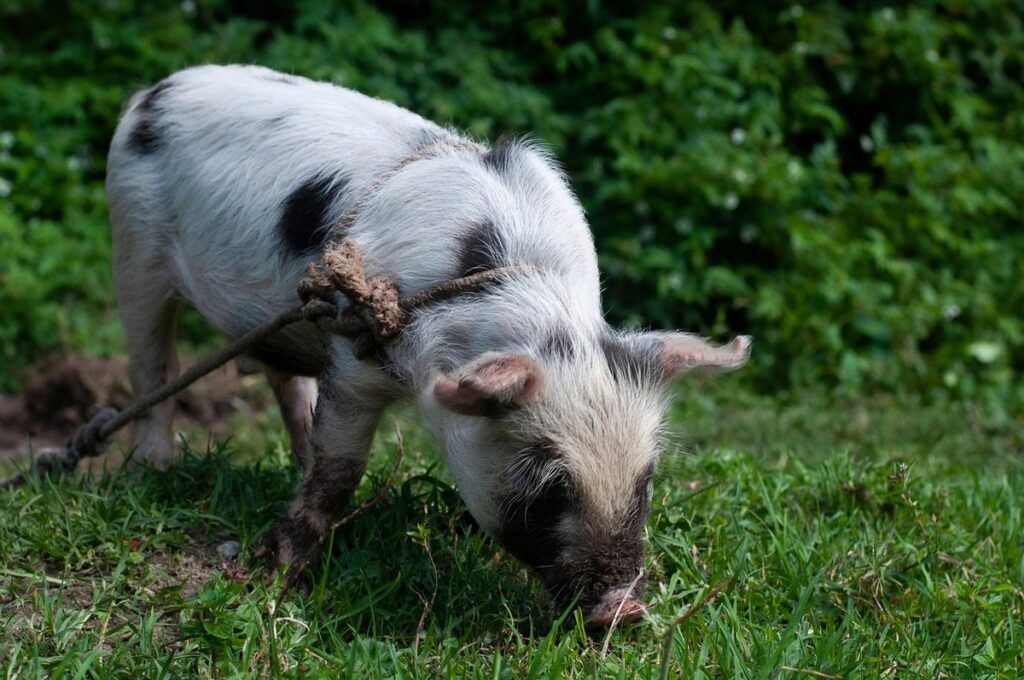
Benefits of Grazing Pigs
Grazing pigs offer numerous advantages over traditional methods, including improved soil health and reduced environmental impact. By understanding these benefits, you can make informed decisions about your livestock management practices.
Improved Soil Health Through Manure
Grazing pigs can deposit manure rich in nutrients, promoting soil fertility and structure. This nutrient-dense fertilizer is particularly beneficial for improving soil health. One key advantage of pig manure as a fertilizer is its high concentration of phosphorus, potassium, and nitrogen – essential macronutrients that support plant growth.
The microorganisms present in pig manure also play a vital role in promoting beneficial microbial activity in the soil. These microorganisms help break down organic matter, making nutrients more accessible to plants. In return, the added nutrient load supports a diverse range of microbial life, creating a thriving ecosystem within the soil.
To maximize the benefits of pig manure as fertilizer, it’s essential to incorporate it into the soil at the right time and in the correct quantities. Typically, a 2-4 inch layer is applied annually, with additional applications following heavy grazing periods. Be sure to mix it well into the topsoil to avoid creating anaerobic conditions that can lead to odors or other issues.
Reduced Waste Disposal Costs
Grazing pigs can process large amounts of manure efficiently, reducing waste disposal costs for farmers. Traditional methods of waste management often involve transporting and storing manure in lagoons or landfills, which can be expensive and environmentally unsustainable.
Compared to these traditional methods, grazing pigs offer a cost-effective solution. By incorporating pig manure into the pasture ecosystem, farmers can eliminate the need for separate storage facilities. This approach also reduces the financial burden of hauling away waste, which can account for significant expenses in traditional farming operations.
In addition to saving money on waste disposal, grazing pigs can help reduce labor costs associated with managing large amounts of manure. Farmers who adopt this sustainable practice often report a decrease in manual labor required to handle and dispose of pig waste. With the ability to manage their own waste, farmers can allocate more resources towards improving pasture health and optimizing livestock production.
By utilizing grazing pigs for waste management, farmers can achieve significant cost savings while promoting environmental sustainability on their farms.
Setting Up a Grazing Pig Operation
To establish a thriving grazing pig operation, you’ll need to choose the right breed and select a suitable pasture for your pigs. This decision will have a significant impact on their health and productivity.
Choosing the Right Breed
When choosing a breed for your grazing pig operation, consider temperaments like Tamworths and Berkshire pigs, which are known for their hardiness and ability to thrive on pasture. These breeds typically have slower growth rates compared to commercial breeds but are more adaptable to diverse climate conditions. For example, Tamworths can tolerate extreme temperatures and humidity levels.
Other factors to consider include land availability and feed requirements. If you have limited space, a smaller breed like the Duroc or Hampshire might be suitable. These pigs require less land for grazing and are generally easier to manage in terms of nutrition. However, they may need additional supplements during periods of extreme weather or when pasture quality is low.
In general, choose breeds that match your climate and management style. For instance, if you’re in an area with mild winters, a breed like the Large Black can thrive on pasture year-round. If you have access to plenty of land and want a hardy breed, consider the Gloucestershire Old Spot or the British Saddleback. Ultimately, selecting the right breed will depend on your specific needs and resources.
Preparing the Pasture
To prepare a pasture for grazing pigs, you need to create a diverse and resilient ecosystem. Start by selecting a pasture mix that includes a variety of grasses and legumes suitable for your climate and soil type. A typical mixture might consist of 50-70% perennial ryegrass, 20-30% white clover, and 10-20% red clover.
Before introducing the pigs to the pasture, apply a balanced fertilizer according to soil test results. Organic options like compost or manure tea can also be effective in replenishing nutrients without harming the environment. Be cautious not to over-fertilize, as this can lead to excessive growth and weaken the plant diversity.
As with any pasture, pests and diseases can threaten your grazing pig operation. Regularly monitor for signs of nematode infestations, which can cause significant damage to roots and reduce yields. You may also need to control weeds like thistle or docks, which can outcompete desirable species and lead to reduced quality feed. Consider implementing Integrated Pest Management (IPM) strategies that combine techniques like physical removal, biological controls, and cultural practices to minimize chemical use.
Grazing Pig Nutrition and Health
When it comes to raising healthy grazing pigs, nutrition is a crucial aspect of their overall well-being. This section focuses on the essential dietary needs for optimal health and longevity in your pasture-raised pig herd.
Understanding Pig Diet Requirements
Grazing pigs have unique nutritional requirements due to their high energy expenditure while foraging. They need a diet rich in fiber and moderate in protein to maintain optimal health. A general rule of thumb is to provide 0.5-1% of the pig’s body weight in dry matter per day, which translates to about 3-4 pounds of food per 100 pounds of body weight.
A balanced grazing pig diet should include a mix of grasses, legumes, and other forages that are rich in minerals such as phosphorus, calcium, and potassium. Provide access to fresh water at all times, and ensure adequate shelter from extreme weather conditions. Consider installing a windbreak or providing shade structures to protect your pigs.
In addition to these general guidelines, consider the following factors when planning your pig’s diet:
- Providing 8-10% of daily calories from protein-rich supplements such as soybean meal or fishmeal
- Ensuring adequate vitamin and mineral intake through natural forages or commercial supplements
- Rotating pastures regularly to maintain soil fertility and reduce parasite buildup
Managing Parasites and Diseases
Effective parasite and disease management is crucial for maintaining a healthy grazing pig operation. Vaccination programs are essential to prevent diseases such as swine influenza, pseudorabies, and leptospirosis. Consult with a veterinarian to determine the most relevant vaccines for your herd based on local disease prevalence and risk factors.
Parasite control methods include deworming medications and rotational grazing practices. However, overuse of dewormers can lead to resistance, so it’s essential to monitor fecal egg counts regularly and only treat when necessary. Rotational grazing involves moving pigs to fresh pasture after a set period to break the parasite life cycle.
Biosecurity measures are also vital in preventing the introduction and spread of diseases on your farm. This includes regular cleaning and disinfection of pens, equipment, and tools, as well as limiting access to visitors and maintaining a buffer zone between your grazing area and neighboring farms. Establishing a robust biosecurity plan will help minimize disease risks and protect your herd’s health and productivity.
Integrating Grazing Pigs into Your Farm Business
Adding grazing pigs to your farm can be a great way to increase income and improve land health, but it requires careful planning and integration. This section will explore the key considerations for successful co-grazing systems.
Marketing Strategies
When developing a marketing strategy for your grazing pig products, it’s essential to identify and target specific markets. This could be local restaurants seeking sustainable meat options, farmers’ markets looking for unique products to sell, or online consumers searching for environmentally friendly food choices. Understanding your target audience will help you tailor your branding and packaging to meet their needs.
Develop a strong brand identity by emphasizing the environmental benefits of grazing pigs, such as reduced waste disposal costs and improved soil health through manure. Use eco-friendly packaging materials and consider labeling your products with information about their sustainable production methods. This can be particularly appealing to consumers who prioritize environmental sustainability.
Create sales channels that cater to your target markets, such as partnering with local restaurants or setting up an online store for direct-to-consumer sales. You may also consider attending farmers’ markets or participating in events focused on sustainable food systems. By developing a well-rounded marketing strategy, you can effectively promote your grazing pig products and establish a loyal customer base. Consider offering samples or tastings to help consumers experience the quality of your products firsthand.
Financial Planning and Budgeting
To manage the financial aspects of grazing pigs, you need to calculate costs accurately and develop realistic revenue projections. Start by breaking down expenses into categories: land preparation, fencing, infrastructure (such as shelters and feeding troughs), equipment (tractors, manure spreaders, etc.), feed, veterinary care, and labor. Consider factors like initial investment, ongoing maintenance costs, and potential repairs. For example, a tractor might cost $20,000 upfront but save you $5,000 annually in manual labor costs.
When estimating revenue, consider the selling price of your pigs, typically around $1 to $2 per pound. Calculate average weight gain rates and adjust for market fluctuations. Also, factor in potential revenue streams from value-added products like artisanal sausages or cured meats.
To manage cash flow effectively, prioritize essential expenses over discretionary ones. Set aside a small margin for unexpected costs, as they inevitably arise in any farm operation. Develop a seasonal financial plan to account for fluctuating demand and weather-related challenges. This might involve adjusting feed purchases during slow periods or allocating funds for emergency repairs during peak production times. A well-planned cash flow strategy will help you navigate the financial realities of grazing pigs.
Case Studies and Best Practices
Real-world examples of sustainable grazing practices for pigs are essential for farmers looking to adopt more environmentally friendly methods. This section shares successful case studies and expert insights on best management practices.
Successful Grazing Pig Operations
Successful grazing pig operations around the world share common characteristics that contribute to their success. One key factor is careful planning and preparation of pastures. For example, Green Fire Farm in the United States uses a rotational grazing system to keep soil healthy and prevent overgrazing. They rotate their pigs through five separate paddocks, allowing each area to rest for several weeks before being grazed again.
Another essential element is attention to pig nutrition and health. At Black Mountain Pastures in Australia, farmers monitor their pigs’ weight gain and adjust their feeding schedules accordingly. This approach helps prevent overeating and associated health issues. The farm also maintains a diverse range of pasture species, which provides pigs with a varied diet rich in nutrients.
Effective marketing strategies are crucial for the success of grazing pig operations. Redwood Hill Farm in New Zealand focuses on direct-to-consumer sales through their on-farm store and online platform. This approach allows them to connect directly with customers and build strong relationships, resulting in loyal customer base and steady income streams.
Key takeaways from these case studies include:
• Carefully planning pasture rotations to maintain soil health and prevent overgrazing
• Monitoring pig nutrition and adjusting feeding schedules as needed
• Focusing on direct-to-consumer sales through on-farm stores or online platforms
• Maintaining diverse pastures with a range of species to provide pigs with a varied diet
By adopting these best practices, farmers can create thriving grazing pig operations that benefit both their businesses and the environment.
Regulatory Considerations and Challenges
As you prepare to integrate grazing pigs into your farm, understanding regulatory requirements is crucial to avoid fines and penalties. This section addresses key laws and regulations affecting grazing pig operations.
Compliance with Regulations
Zoning laws vary by region but typically dictate minimum lot sizes, setbacks from neighboring properties, and buffer zones to protect wildlife habitats. Grazing pig operations must ensure compliance with these regulations to avoid fines or even closure. For example, a farm in a rural area might need to maintain a 10-acre buffer zone between the pigs’ enclosures and nearby water sources.
In addition to zoning laws, grazing pig operations are subject to environmental regulations related to manure management. This includes requirements for storing and disposing of manure, as well as maintaining water quality standards through best management practices (BMPs). BMPs might include using fencing to direct animals away from waterways or implementing rotational grazing plans to minimize erosion.
Labeling regulations also come into play when it comes to selling products from grazing pig operations. This includes clear labeling of the product’s origin, ingredients, and any relevant certifications (such as organic or grass-fed). To ensure compliance with these regulations, operators should consult local authorities and industry associations for guidance on specific requirements and best practices in their region.
Operators can also take proactive steps to document their compliance efforts, such as maintaining records of zoning permits, environmental inspections, and labeling compliance.
Overcoming Common Challenges
Managing predators can be a significant challenge for grazing pig operators. To mitigate this risk, consider implementing measures such as electric fencing, guard animals like donkeys or dogs, and regular monitoring of pasture areas. For example, some farmers have successfully used donkeys to protect their pigs from coyotes and wild boars.
Extreme weather conditions can also impact grazing pig operations. Droughts can lead to reduced forage quality and availability, while excessive rainfall can result in muddy pastures that are difficult for pigs to navigate. To address these issues, develop a contingency plan that includes irrigation systems or alternative feed sources during droughts, and implement measures to reduce soil erosion during heavy rainfall events.
Market fluctuations can also pose a challenge for grazing pig operators. Prices for pork products can drop significantly due to overproduction, making it difficult for farmers to maintain profitability. To mitigate this risk, consider diversifying your market channels by selling directly to consumers through farm-to-table programs or online sales platforms. This can help you maintain a stable revenue stream even during times of market volatility.
Frequently Asked Questions
How Long Does it Take to See Significant Soil Health Improvements with Grazing Pigs?
Grazing pigs can start improving soil health within the first year of introduction, but significant improvements typically take 2-5 years. This is because the microorganisms in the soil need time to adjust and for the pig manure to break down and become a natural fertilizer.
Can I Mix Grazing Pigs with Other Livestock on My Farm?
Yes, grazing pigs can be integrated into existing livestock operations, such as cattle or sheep farms, but careful planning is necessary to ensure compatibility. Factors like pasture management, fencing, and parasite control need to be considered to avoid conflicts between species.
What if I Don’t Have Enough Land for a Large-Scale Grazing Pig Operation?
You don’t necessarily need large tracts of land to raise grazing pigs. Small-scale operations can still be profitable and effective in improving soil health and reducing waste disposal costs. Consider starting with a few acres and expanding as your operation grows.
How Do I Determine the Right Breed of Pig for My Specific Climate and Region?
The right breed will depend on factors like climate, land availability, feed requirements, and local market demand. Research breeds that are well-suited to your region, such as Tamworths in temperate climates or Large Whites in warmer climates.
Can Grazing Pigs Be Used to Control Weeds and Other Invasive Plant Species?
Yes, grazing pigs can be used to control weeds and other invasive plant species by selectively feeding on them. This approach is often more effective than herbicides and can help restore native vegetation and improve ecosystem health.

