Managing a diverse farm ecosystem is a complex task, but one solution that has gained popularity in recent years is raising pasture pigs. These intelligent animals are not only an excellent choice for small-scale farmers looking to transition towards regenerative agriculture practices, but they also offer a unique opportunity to promote soil health and biodiversity on your land. By allowing your pigs to roam freely, you can encourage root digging and nutrient cycling, which in turn improves the overall fertility of your soil. But how do you ensure that these benefits are realized? In this article, we’ll explore best practices for breeding, nutrition, and marketing high-quality meat products from your pasture-raised pigs. By the end of it, you’ll know exactly how to manage your pasture pigs effectively and produce delicious, sustainable meat for your customers or family table.
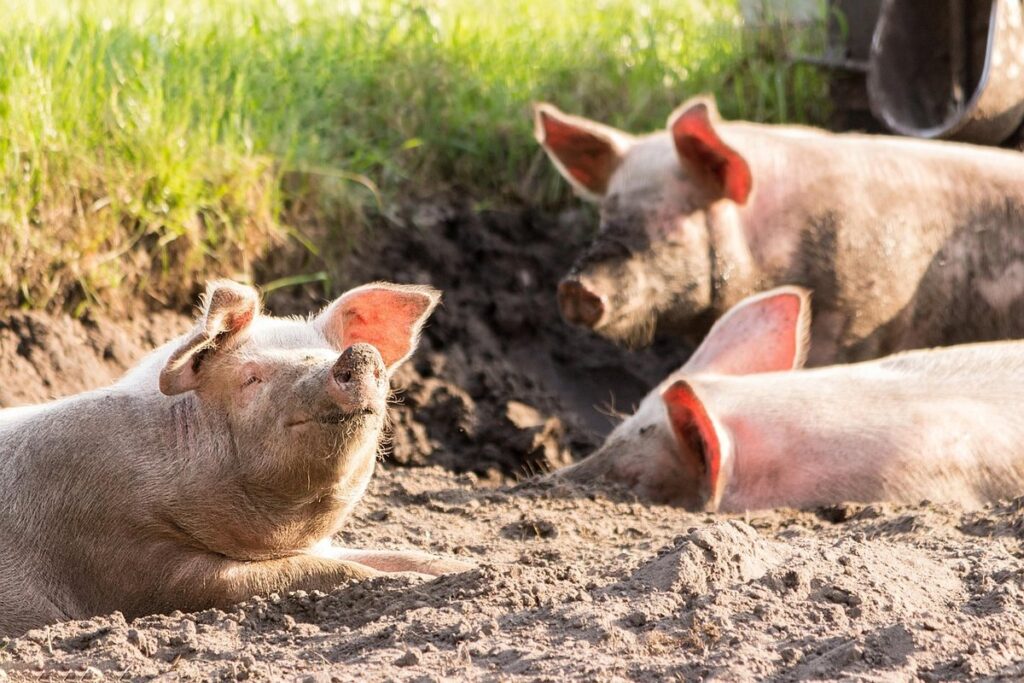
Understanding Pasture Pigs
Pasture pigs are a unique breed that excel in rotational grazing systems, requiring special care and attention to thrive. If you’re considering adding them to your farm, understanding their needs is crucial.
What are Pasture Pigs?
Pasture pigs are a type of pig breed specifically designed to thrive in outdoor environments. They originated from traditional European breeds, such as the Tamworth and Large Black, which were developed for their hardiness and ability to forage for food. These breeds were brought to America by early settlers, where they evolved into various strains suited to different climates and farming systems.
One key characteristic that distinguishes pasture pigs from other types is their size: they tend to be smaller than commercial pig breeds, with adults weighing between 200-400 pounds. This compact size makes them ideal for small-scale or hobby farms, as well as for producers looking to integrate pigs into diverse farm operations. Pasture pigs also have a unique temperament – they are known for being friendly and curious, but can become wary of humans if handled roughly.
In terms of their physical characteristics, pasture pigs often have a mix of colors, with brindle or red coats being common. Their coarse, curly hair makes them well-suited to cold climates, while their agile bodies allow them to navigate rough terrain with ease. Overall, pasture pigs are a hardy and adaptable breed that can excel in diverse farming systems when managed correctly.
History and Popularity of Pasture Pigs
Pasture pigs have experienced a significant resurgence in popularity over the past few decades. This shift is largely driven by their benefits for sustainable farming practices and their role in regenerative agriculture. One key benefit of pasture pigs is their ability to improve soil health through their rooting behavior, which aerates the soil and breaks up compacted earth.
In addition to improving soil health, pasture pigs also contribute to biodiversity by creating habitat for beneficial insects and animals. Their manure acts as a natural fertilizer, reducing the need for synthetic fertilizers and promoting ecosystem balance. The popularity of pasture pigs has also led to a growing interest in heritage breeds, which are often better suited to grazing environments.
As consumers increasingly seek out more sustainable food options, demand for pasture-raised pork is on the rise. This trend presents opportunities for farmers looking to diversify their operations or enter the regenerative agriculture market. To capitalize on this trend, farmers should focus on building strong relationships with local processors and retailers who can help them reach a wider audience.
Characteristics and Breeds
Pasture pigs come in a variety of breeds, each with its own unique characteristics that make them well-suited for outdoor management. Some popular breeds include Tamworths, Large Whites, and Durocs.
Physical Characteristics of Pasture Pigs
Pasture pigs come in a variety of coat types, including those with smooth skin and others with bristly or curly coats. Their sizes can range from small to large, with some breeds reaching up to 600 pounds at maturity. Temperament-wise, pasture pigs are often described as friendly, curious, and energetic animals.
One notable breed is the Large Black, known for its sleek black coat and robust build. Another popular choice is the Tamworth, which boasts a distinctive red coat and is prized for its hardiness and lean meat production. The Gloucestershire Old Spot, with its white coat and spotted markings, is also a favorite among farmers.
When selecting a breed for your farm, consider factors such as climate, available space, and market demand. For example, the Tamworth’s hardiness makes it well-suited to harsher climates, while the Large Black excels in warmer environments. Additionally, some breeds are better suited to specific production systems, such as forage-based or grain-fed operations.
In terms of practical considerations, farmers should be aware that pasture pigs require adequate shelter and protection from extreme weather conditions. Regular monitoring of their health and well-being is also essential to prevent issues related to heat stress or overexertion.
Breed Selection for Your Farm
When selecting a breed for your pasture pig farm, several factors come into play. Consider the climate and regional conditions where you’re located. For example, if you live in an area with hot summers or cold winters, you’ll want breeds that are tolerant of extreme temperatures. Some popular breeds for warm climates include Tamworths and Large Blacks.
On the other hand, if feed availability is a concern on your farm, look into breeds known for their thriftiness. For instance, the Duroc breed is often preferred by farmers who have limited resources as it’s efficient in terms of feed consumption.
Lastly, determine the intended use of the pigs on your farm. Are they meant for breeding or meat production? If you’re looking to raise animals for slaughter, purebred breeds like Hampshire and Berkshire may be more suitable due to their consistent quality and growth rates.
Pasture Management and Nutrition
For pasture pigs to thrive, it’s essential to understand how to manage their pastures effectively, which involves balancing grazing and nutrition to prevent overgrazing. Proper planning will ensure a healthy ecosystem for both pigs and land.
Creating a Suitable Environment
Designing a suitable environment for pasture pigs involves balancing their needs with those of the land. A key aspect is maintaining soil health through rotational grazing and incorporating cover crops into the rotation. This approach allows the soil to recover between grazing periods, reducing erosion and improving fertility.
When selecting vegetation for your pasture, consider plants that are palatable and nutritious for the pigs while also providing a suitable growing environment. For example, planting clover or alfalfa can provide a high-protein diet for the pigs, but may require more frequent mowing to prevent overgrowth. Alternatively, using native grasses can create a low-maintenance system, but may require more careful management during times of drought.
In terms of water requirements, it’s essential to ensure that pasture pigs have access to clean, reliable sources throughout their grazing period. This can involve installing watering systems or creating natural water features like ponds or wetlands. Typically, pasture pigs need around 2-4 gallons of water per day, depending on factors like climate and activity level.
Nutritional Requirements and Feeding Strategies
Pasture pigs require a diverse diet to thrive. Their nutritional needs change as they progress through different stages of production. For example, weaned piglets need a diet rich in protein and energy to support rapid growth. A mix of high-quality grains, such as oats and barley, along with fresh vegetables like kale and carrots, can provide the necessary nutrients.
As pasture pigs grow, their diet should shift to include more forages, which are readily available on the farm. Pasture grasses and legumes, like alfalfa and clover, are excellent sources of fiber, vitamins, and minerals. These forages should make up a significant portion of the pig’s diet, with grains serving as supplements rather than staples.
Feeding strategies should also take into account the pig’s age and production stage. For instance, finishing pigs require less protein but more energy to support weight gain. A common feeding strategy is to divide the day’s ration into multiple meals, allowing the pigs to graze freely on pasture during the day and receive concentrated feed at night. This approach can help promote a healthier gut and reduce the risk of disease.
Health Considerations and Biosecurity
When managing pasture pigs, it’s essential to consider their health needs and take steps to prevent disease outbreaks. Proper biosecurity measures will help keep your herd healthy and thriving.
Common Health Issues in Pasture Pigs
Parasites, such as internal worms and external lice, are a common health issue affecting pasture pigs. These parasites can be prevented through rotational grazing practices, where pigs are moved to fresh grazing areas regularly to break the parasite life cycle. Pasture management also involves monitoring for signs of infestation and treating affected animals promptly.
Other health issues include diseases like swine dysentery, which can be spread through contaminated feed or water. To prevent disease outbreaks, maintain a clean and hygienic environment, store feed and supplies properly, and ensure good ventilation in shelter areas. Nutritional deficiencies, such as vitamin E deficiency, can also occur if pigs are not provided with access to adequate forage or supplements.
Preventing nutritional deficiencies involves providing pigs with a balanced diet that includes a mix of grasses, legumes, and root vegetables. Regular monitoring of pig health and behavior helps identify any issues early on, allowing for prompt treatment and preventing more severe problems from developing.
Implementing Effective Biosecurity Practices
Biosecurity is a crucial aspect of managing pasture pigs on your farm. It’s essential to implement effective protocols to prevent disease outbreaks and maintain a healthy herd. Start by establishing strict sanitation procedures, such as regularly cleaning and disinfecting equipment, feeding areas, and living spaces.
Limit visitor access to the farm, especially during peak piglet-weaning periods when stress can weaken their immune systems. Require visitors to wear boots, coveralls, or disposable gowns to minimize cross-contamination. You may also need to implement specific protocols for deliveries, including quarantining new stock and inspecting vehicles before entry.
Monitor your pigs regularly for signs of illness, such as lethargy, labored breathing, or changes in appetite. Keep accurate records of vaccinations, parasite control measures, and any health issues that arise. Consult with a veterinarian to develop a comprehensive disease monitoring plan tailored to your specific operation and local disease risks. Regularly review these protocols with your team to ensure everyone is aware of their roles in maintaining biosecurity.
Marketing and Sales Opportunities
You can earn a significant income by marketing and selling pasture pigs, either directly to consumers or through wholesale channels. Here are some key sales strategies to consider.
Value-Added Products and Direct-to-Consumer Sales
To capitalize on the growing demand for high-quality, sustainably raised meat products, farmers can explore direct-to-consumer sales and value-added product development. Direct-to-consumer sales involve marketing pasture-raised pigs directly to consumers through online platforms, farmers’ markets, or community-supported agriculture (CSA) programs.
Value-added products, such as smoked sausages, bacon, or ham, are another lucrative opportunity for farmers. These products not only command a higher price but also help to differentiate the farm’s offerings from industrial-scale pork producers. Consider partnering with local processors or using on-farm equipment to create these products.
When developing value-added products, focus on highlighting the unique qualities of pasture-raised pigs, such as their rich flavor and improved fatty acid profile. Use clear labeling and marketing materials to convey the benefits of these products to customers.
Some popular examples of value-added products include:
• Smoked sausages made with pasture-raised pork
• Cured meats like bacon or ham
• Fresh or frozen pork cuts, such as chops or roasts
• Pork-based products like breakfast links or burgers
By developing a range of value-added products and selling directly to consumers, farmers can increase their revenue streams, build customer loyalty, and promote the benefits of pasture-raised pigs.
Building a Strong Brand and Customer Base
Building a strong brand and customer base is crucial for pasture pig farmers to ensure long-term success. A loyal customer base can provide a steady income stream, while also helping to spread the word about your farm’s unique products and practices. To build this foundation, it’s essential to prioritize transparency, quality control, and community engagement.
Transparency begins with clear labeling and communication about your farming methods, including any certifications or awards you’ve received. This helps customers feel confident in their purchasing decisions. Quality control is also vital – ensure that your products consistently meet high standards of taste, texture, and nutritional value. Consider offering tastings or tours to allow customers to experience your farm firsthand.
Community engagement can be as simple as hosting workshops or events on your farm, where you share knowledge about pasture pig management and nutrition. This not only builds trust with potential customers but also fosters a sense of connection among like-minded individuals. By investing time in building relationships with your customers, you’ll create a loyal following that will advocate for your brand and products.
Case Studies and Best Practices
Real-life examples of successful pasture pig farming operations will be examined, highlighting effective management strategies and practical solutions to common challenges. These case studies offer valuable insights for farmers looking to improve their own pastures’ productivity.
Successful Pasture Pig Operations
When done well, pasture pig operations can be a profitable addition to diverse farms. A notable example is Polyface Farm in Virginia, which has been raising pasture pigs for over 20 years. Their approach involves integrating pigs into their existing rotation of cattle and sheep, allowing them to forage on the same land that was previously grazed by other animals.
This integrated system not only reduces waste but also creates a more biodiverse environment. Polyface Farm’s founder, Joel Salatin, reports that their pasture pigs are healthier and more productive due to this approach. By focusing on soil health and biodiversity, farmers can create conditions where pigs can thrive without the need for extensive infrastructure or specialized feed.
Other successful operations have adopted innovative marketing strategies to increase demand for their products. For instance, some farms offer value-added products such as cured meats, sausages, and charcuterie. These products are often sold directly to consumers at farmers’ markets, through community-supported agriculture (CSA) programs, or via online platforms. By building a strong brand and customer base, these operations have been able to differentiate themselves in the market and achieve higher profit margins.
Lessons from Experienced Farmers
Experienced farmers who have successfully integrated pasture pigs into their operations often attribute their success to a few key strategies. One important takeaway is the importance of matching pig breed to land and climate conditions. For example, a farmer in the southeastern United States might choose a heat-tolerant breed like the Tamworth or Large Black, while a farmer on the cooler West Coast might opt for a more cold-hardy breed like the Berkshire.
Another crucial factor is rotation and mob grazing. By moving pigs to fresh pasture regularly, farmers can reduce parasite buildup, promote soil health, and prevent overgrazing. This approach also requires careful planning of fencing and infrastructure to ensure efficient movement of animals.
A final key lesson from experienced farmers is the value of incorporating pigs into a diverse farm ecosystem. By integrating pigs with other livestock or crops, farmers can create a more resilient and productive operation. For instance, a farmer might use pigs to control weeds in a vegetable field before planting, or raise them alongside cattle to create a nutrient-rich fertilizer for orchards.
Some experienced farmers also report success with holistic management practices like permaculture design and regenerative agriculture principles.
Frequently Asked Questions
Can I raise pasture pigs on small plots of land?
Yes, pasture pigs can thrive on smaller plots of land as long as you provide adequate space for exercise and suitable shelter. Consider using rotational grazing to maximize land use and reduce soil erosion.
What if my farm’s climate is harsh or extreme? Will pasture pigs still do well?
Pasture pigs are adaptable to various climates, but they may require additional care in extreme conditions. For example, in hot climates, provide shade and ensure access to cool water at all times. In cold climates, offer windbreaks and insulated shelters.
How can I prevent parasite infestations on my pasture pig farm?
Preventive measures such as rotational grazing, regular monitoring for parasites, and maintaining a clean living environment are crucial in preventing infestations. Also, ensure your pigs have access to adequate nutrition, including minerals that support their immune system.
What’s the best way to transition from traditional farming methods to raising pasture pigs?
Gradual transition is key. Start by introducing pasture pigs to existing land and observing their behavior. Then, adjust your management practices accordingly, such as incorporating cover crops or implementing rotational grazing systems.
Can I integrate pasture pigs with other livestock, like cattle or chickens? What are the benefits and challenges?
Yes, integrating pasture pigs with other livestock can be beneficial in terms of resource sharing and reduced land use. However, ensure that each species has its own designated area to prevent competition for resources and potential disease transmission.