
Growing your own sweet basil outdoors can be a game-changer for any home cook. Not only does it add an explosion of fresh flavor to everything from pesto to caprese salads, but it’s also relatively easy to grow and requires minimal space. However, with so many varieties to choose from – including Thai basil and lemon basil – it can be overwhelming to decide where to start.
You may have tried growing sweet basil indoors before, but there’s something special about watching it thrive in the great outdoors. With proper care, these fragrant herbs can add a burst of color and scent to your garden, as well as provide you with a continuous supply of fresh leaves all season long. In this guide, we’ll walk you through the process of selecting the right variety for your needs, preparing the perfect soil conditions, and managing common pests that might threaten your crop. By the end of this article, you’ll be able to successfully grow sweet, Thai, and lemon basil outdoors in your own garden.
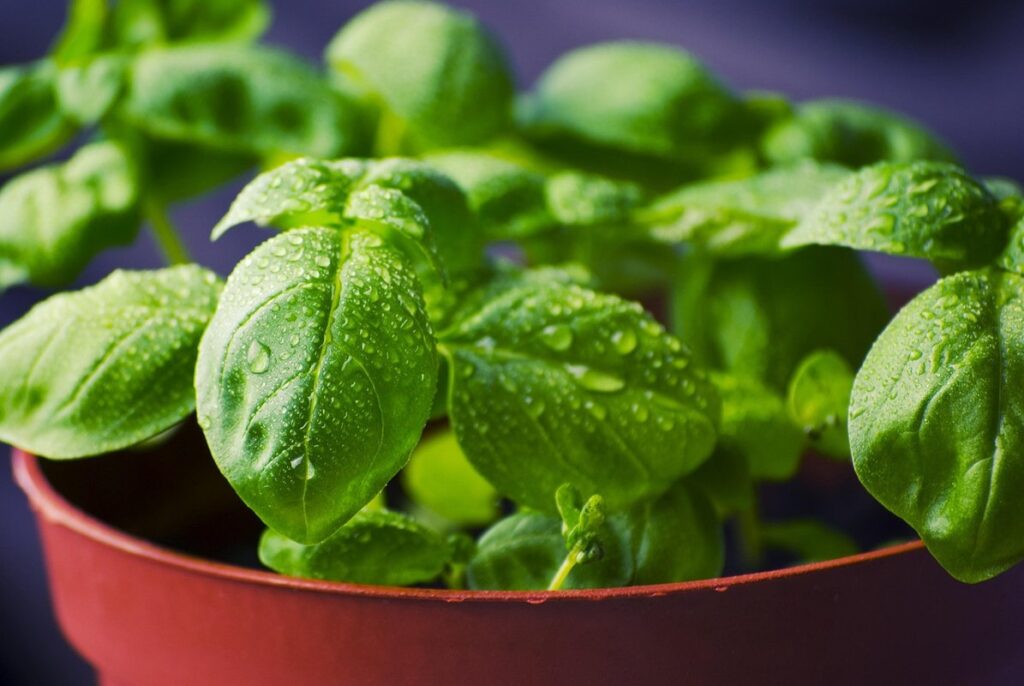
Choosing the Right Variety
When it comes to growing basil outdoors, selecting the right variety is crucial for success. With so many options available, choosing a variety that thrives in your climate and meets your needs can be overwhelming at first.
Selecting Sweet and Tender Varieties
When selecting sweet and tender varieties of basil for outdoor growth, you’ll want to consider the specific characteristics of each type. Sweet basil is a classic choice, prized for its delicate flavor and aroma. It’s a popular variety for cooking and is often used in Italian and Thai dishes.
Thai basil, on the other hand, has a more intense flavor profile with hints of spice and licorice. Its leaves are also typically narrower than those of sweet basil. If you’re looking to add some heat to your dishes, Thai basil might be the better choice.
Lemon basil is another popular variety that’s perfect for those who love citrus flavors. It has a bright, zesty taste that pairs well with seafood and salads. When selecting between these varieties, consider what type of cuisine you’ll be using it for and how much flavor you want to add to your dishes. If you’re new to growing basil, sweet basil is a good starting point due to its mild flavor and easy-to-grow characteristics.
Some popular cultivars within these categories include ‘Genovese’ sweet basil and ‘Anise’ Thai basil. These specific varieties are bred for their unique characteristics and are widely available at nurseries and online seed retailers.
Understanding Basil’s Hardiness Zones
Basil is a warm-season crop that thrives in temperatures between 65°F and 90°F (18°C and 32°C). To determine if basil can be grown outdoors in your area, you’ll want to consider the hardiness zones. The United States Department of Agriculture (USDA) divides the country into 11 hardiness zones based on average annual extreme minimum temperature.
If you live in a region with mild winters, such as zone 9 or warmer, you may be able to grow basil year-round. However, if your area experiences frost and freezing temperatures, it’s best to grow basil as an annual crop. In cooler climates (zones 3-6), start seeds indoors 4-6 weeks before the last frost date and transplant them outside when the soil has warmed up.
Some popular basil varieties are bred for specific hardiness zones. For example, ‘Thai Basil’ is a heat-tolerant variety that excels in warmer climates (zone 9+). Meanwhile, ‘Genovese’ and ‘Sweet Basil’ perform well in cooler temperatures (zones 3-6). When selecting a variety, choose one that’s suitable for your local climate to ensure optimal growth and flavor.
Preparing the Soil
Before planting basil, it’s essential to prepare the soil by loosening and aerating it to a depth of 8-10 inches. This will ensure healthy root development for your basil plants.
Creating an Ideal Growing Environment
To create an ideal growing environment for basil outdoors, consider the essential components of sunlight, soil pH, and drainage. Basil requires at least six hours of direct sunlight per day to thrive; if possible, choose a south-facing location that receives consistent sunlight throughout the day. Soil pH plays a crucial role in basil growth as well – aim for a slightly acidic to neutral range (around 6.0-7.0) using a soil testing kit.
When it comes to drainage, make sure your garden bed has excellent water penetration and doesn’t hold too much moisture. Basil is susceptible to root rot if the soil is consistently waterlogged, so ensure that your bed drains excess water quickly. To achieve this, add organic matter like compost or well-rotted manure to improve soil structure and fertility.
Some key tips for preparing your garden bed include:
• Raising the bed by 6-8 inches to enhance drainage
• Incorporating perlite or sand to improve aeration
• Avoiding over-tilling, which can damage roots
By paying attention to these factors, you’ll create an environment that promotes healthy growth and encourages your basil plants to reach their full potential.
Fertilizing and Conditioning the Soil
Basil needs a balanced diet of nutrients to thrive. You can use either organic or inorganic fertilizers, depending on your personal preference and what’s available in your area. Organic options like compost, well-rotted manure, or fish emulsion are slow-releasing and tend to improve soil structure over time.
Inorganic fertilizers, such as ammonium sulfate or urea, provide a quick boost of nutrients but may burn the roots if overused. Typically, basil benefits from a balanced fertilizer with an N-P-K ratio of 10-10-10 (nitrogen-phosphorus-potassium). Avoid using high-nitrogen fertilizers, which can promote leaf growth at the expense of flavor and aroma.
Before applying any fertilizer, test your soil to determine its pH level and nutrient deficiencies. Most basil varieties prefer a slightly acidic to neutral soil pH, around 6.0-7.0. If your soil is heavy clay or sandy, mix in some organic matter like peat moss or perlite to improve drainage and structure.
When fertilizing, follow the recommended application rates on the product label, and avoid over-fertilizing. You can also side-dress with a balanced fertilizer after transplanting, which will help support the plant’s early growth stages.
Planting and Transplanting
When planting basil outdoors, timing is everything – learn how to choose the perfect moment for sowing seeds directly into your garden bed. This is also where transplanting comes in, a crucial step for healthy growth.
When to Plant Basil Outdoors
In most regions, you can start planting basil outdoors when the soil has warmed up to at least 60°F (15°C). This typically occurs after the last frost date for your area. Check your local climate and frost dates to determine the ideal time for planting.
For warmer climates, like USDA zones 9-11, you can plant basil year-round as long as the temperature remains above 50°F (10°C). However, in cooler areas with shorter growing seasons, it’s essential to get a head start by starting seeds indoors 4-6 weeks before the last frost date.
When choosing a planting time, consider the specific needs of your basil variety. Some types, like Thai basil and lemon basil, are more sensitive to cold temperatures than others. For these varieties, you may want to wait until the soil has warmed up further or use row covers to protect them from early spring frosts.
Before transplanting seedlings outside, make sure they have 2-3 sets of true leaves and are around 4-6 inches tall. This will give them a good chance to adapt to outdoor conditions and start producing leaves quickly.
Transplanting Seedlings from Indoor Containers
When transplanting seedlings from indoor containers to larger pots or directly into the ground, timing is crucial. Wait until your seedlings have at least two sets of true leaves and are around 2-3 inches tall. This allows them to establish a robust root system before being moved.
To minimize shock, harden off your seedlings by gradually exposing them to outdoor conditions over the course of 7-10 days. Start by moving them to a shaded area outdoors for 1-2 hours a day, then gradually increase their exposure to full sun and wind.
When transplanting, gently remove the seedling from its container, taking care not to disturb the roots. If the seedling is pot-bound (the roots have filled the container), trim the roots with scissors or chopsticks to encourage new growth. Plant the seedling in a spot with well-draining soil and full sun, about 12-18 inches apart.
After transplanting, keep the soil consistently moist but not waterlogged, especially during the first week. Monitor your seedlings for signs of stress, such as yellowing leaves or wilting, and adjust their care accordingly.
Caring for Your Basil Plants
To keep your basil plants thriving, you’ll need to provide them with regular watering and fertilization, as well as protect them from pests and diseases.
Watering and Humidity Requirements
Basil plants grown outdoors require consistent moisture levels to thrive. Water them deeply once or twice a week, depending on weather conditions. Aim for about 1-2 inches of water per week, either from rainfall or irrigation. Overwatering can lead to root rot and other issues, while underwatering causes stress and impacts flavor.
Maintaining humidity levels is also crucial, as basil prefers a humid environment. You can cover your plants with a sheet or towel at night to trap moisture, especially in dry climates. Alternatively, place the pot on a tray filled with water and pebbles to create a microclimate. Most basil varieties prefer daytime temperatures between 65-75°F (18-24°C) and nighttime temperatures around 55-65°F (13-18°C).
To gauge when your basil needs watering, check the soil moisture by sticking your finger into the top inch of soil. If it feels dry, it’s time to water. Keep in mind that mature plants have deeper root systems and require less frequent watering than seedlings. Water at soil level to prevent fungal diseases that thrive in moist conditions.
Pest and Disease Management
Common pests like aphids, whiteflies, and spider mites can be a significant threat to basil plants outdoors. These tiny insects feed on the sap of the plant, causing curled or distorted leaves. To prevent infestations, keep your garden clean by removing weeds and debris that can attract these pests.
Some signs of infestation include sticky honeydew droplets on the leaves and stems, as well as a sooty mold growing in their wake. If you notice any of these symptoms, use neem oil or insecticidal soap to control the population. For severe cases, consider introducing natural predators like ladybugs or lacewings.
Basil is also susceptible to fungal diseases such as powdery mildew and root rot. These can be caused by excess moisture, poor air circulation, or overwatering. To prevent disease, ensure good air flow around your plants and avoid watering the leaves directly. If you do notice any symptoms of disease, remove infected leaves and treat the plant with a fungicide specifically labeled for use on basil.
Some key signs of disease include white, powdery patches on the leaves (powdery mildew) or soft, blackened stems (root rot).
Pruning and Harvesting
As your basil plants continue to thrive, it’s essential to prune them regularly to encourage bushy growth and prevent flowering. With proper pruning techniques, you’ll be harvesting fresh basil leaves in no time.
Why Regular Pruning Matters
Regular pruning is essential for maintaining healthy basil plants. When left unpruned, basil can become leggy and produce fewer leaves, reducing its flavor and aroma. Regular pruning encourages bushy growth, promoting a more balanced plant that’s less susceptible to pest infestations.
By removing spent flowers and trimming back overgrown stems, you’re redirecting the plant’s energy towards producing new growth and foliage. This process also helps prevent diseases like powdery mildew from taking hold, as excess moisture can accumulate in unpruned plants. To prune effectively, remove any flower buds that form before they open, and trim off weak or damaged leaves to prevent the spread of disease.
Prune your basil plants regularly, ideally every 1-2 weeks during peak growing seasons. This will keep your plants bushy and encourage leaf production, ensuring a continuous supply of fresh basil for cooking. Remember to use clean pruning tools to avoid transferring diseases from one plant to another. By incorporating regular pruning into your care routine, you’ll be rewarded with healthier, more productive basil plants that thrive in their outdoor environment.
Tips for Harvesting Fresh Basil
When harvesting fresh basil leaves, timing is crucial to ensure optimal flavor and aroma. Pinch off individual leaves or stems as needed, rather than pulling the entire stem out of the plant. This not only preserves the plant’s energy but also encourages new growth.
Harvest basil leaves in the morning, after the dew has dried but before the heat of the day sets in. The leaves will be at their peak fragrance and flavor during this time. For continuous harvesting, aim to pick about one-third to half of the top set of leaves every week or two. This will prevent the plant from flowering and encourage bushy growth.
For a second crop, wait until the plant has reached 6-8 inches in height. Pinch off the top set of leaves to encourage branching, then allow the plant to grow for another 2-3 weeks before harvesting again. This process can be repeated 2-3 times during the growing season, depending on weather conditions and your personal pest management strategies.
Avoid cutting more than one-third of the plant at a time, as this can cause stress and potentially lead to disease or pests taking hold. By harvesting basil leaves regularly and pruning back the plant to encourage new growth, you’ll be rewarded with a continuous supply of fresh, fragrant leaves throughout the growing season.
Common Challenges and Solutions
One of the biggest hurdles when growing basil outdoors is dealing with pests, diseases, and environmental stressors that can quickly damage your crop. We’ll cover common challenges and practical solutions to keep your basil healthy and thriving.
Overcoming Pests, Diseases, and Weather Conditions
When growing basil outdoors, you’ll inevitably face challenges from pests, diseases, and weather conditions. To prevent these issues, start by using physical barriers to keep common pests like aphids, whiteflies, and spider mites at bay. Cover individual plants with fine mesh or fine-netted row covers to prevent infestations.
For diseases, maintain good air circulation around your basil plants to reduce moisture buildup. Remove any infected leaves to prevent the spread of fungal diseases like powdery mildew and leaf spot. Inspect your plants regularly for signs of pests or disease, such as yellowing leaves, black spots, or sticky honeydew droplets.
Weather conditions can also wreak havoc on your basil crop. Extreme temperatures – whether too hot (above 85°F) or too cold (below 60°F) – can cause damage or kill the plant outright. Young seedlings are especially susceptible to frost damage. Bring potted plants indoors during periods of extreme cold, or use row covers to protect them from wind and frost.
To mitigate weather-related issues, choose a location with full sun but some afternoon shade for your basil plants. Use mulch or straw to retain moisture in the soil and regulate soil temperature.
Troubleshooting Common Issues
Yellowing leaves can be a sign of overwatering. Check the soil moisture by sticking your finger into the soil up to the first knuckle. If it’s wet, wait another day before watering again. On the other hand, weak growth might indicate insufficient light or nutrient-poor soil. Consider moving the plant to a brighter location or adding a balanced fertilizer during the growing season.
Poor flavor can be caused by a lack of nutrients or inconsistent watering schedules. Try mixing in some compost or well-rotted manure into the soil to provide essential micronutrients. Also, ensure you’re providing consistent moisture levels throughout the growing period. If your basil plants are exposed to extreme temperature fluctuations, they might not develop their full flavor potential.
Here are a few more common issues and their possible solutions:
- Leaf drop can be caused by sudden changes in temperature or humidity.
- Pests like aphids or whiteflies can spread diseases among the plants.
- Fungal diseases often thrive in damp environments with poor air circulation.
To address these problems, make sure to provide adequate air circulation around your basil plants and avoid overwatering. Regularly inspect your plants for signs of pests or disease, and take action at the first sign of trouble.
Frequently Asked Questions
What If I Forget to Water My Basil Plants One Day?
Yes, basil plants can survive one missed watering session, but consistent moisture is essential for healthy growth. To mitigate the effects of forgetting to water, ensure you provide ample moisture when you do water your plants.
Can I Grow Basil Outdoors in Extreme Weather Conditions?
No, extreme weather conditions like intense heatwaves or prolonged droughts can be detrimental to basil growth. If possible, choose a location with some shade and maintain regular watering schedules to help mitigate these effects.
How Do I Know When My Basil Plants Need Fertilization?
Basil plants typically require fertilization every 2-3 weeks during the growing season. Monitor your plant’s growth rate and adjust fertilization accordingly. You can also look for signs of nutrient deficiency, such as yellowing leaves or stunted growth.
What If I Notice Pests on My Basil Plants Despite Regularly Inspecting Them?
Yes, pests like aphids, whiteflies, and spider mites can still infest basil plants even with regular inspections. To control these pests, use organic pest control methods like neem oil or insecticidal soap, and practice good garden hygiene by removing weeds and debris.
Can I Grow Basil Outdoors in Containers?
Yes, growing basil outdoors in containers is a great option for small spaces or areas with poor soil quality. Choose a container that is at least 6-8 inches deep to accommodate the plant’s root system, and ensure it has good drainage holes to prevent waterlogged soil.
