
Broccoli is one of the most nutrient-dense vegetables you can grow, but its tiny seeds can be notoriously finicky. To get started with sprouting broccoli seeds in water, it’s crucial to choose a variety that’s specifically bred for hydroponic or aeroponic growth. Some popular options include ‘Deep Purple’, ‘Gypsy’, and ‘Purple Sprouting’. Once you’ve selected your seeds, the process is relatively straightforward: simply soak them in a jar of water, change the water daily, and keep the container out of direct sunlight. However, maintaining optimal conditions – including temperature and humidity levels – can make all the difference between success and disappointment. This step-by-step guide will walk you through the entire process, addressing common issues and providing expert tips to ensure healthy broccoli sprouts. By following these instructions, you’ll be able to successfully sprout your own broccoli seeds in water.
Preparing the Seeds and Materials
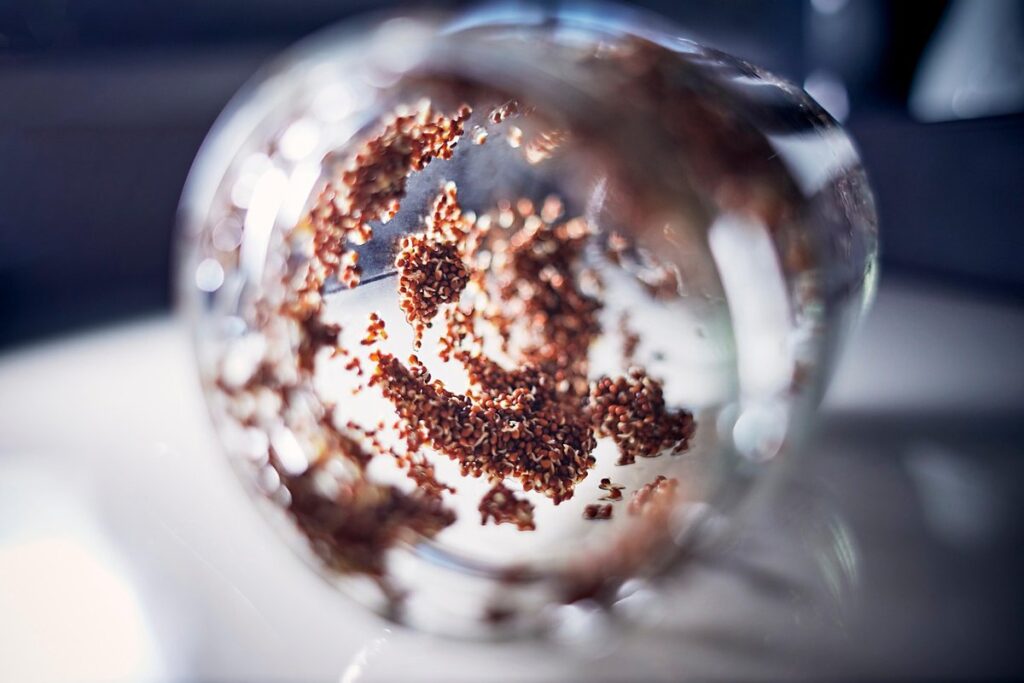
Now that you have your broccoli seeds, let’s get started on preparing them for sprouting. Rinse the seeds thoroughly to remove any impurities and debris.
Choosing the Right Broccoli Variety for Sprouting
When selecting broccoli seeds for sprouting, you’ll want to consider three key factors: disease resistance, germination rates, and flavor profiles. Disease-resistant varieties can withstand common pathogens like bacterial leaf spot and downy mildew, ensuring a healthier crop. Look for seed packets or catalogs that specify high disease-resistance ratings.
Germination rates are also crucial. You’ll find broccoli seeds labeled as “high germination” or “99%+ germination rate.” These varieties tend to sprout more quickly and consistently than others. If you’re short on time, opt for a variety with an exceptionally high germination rate.
Flavor profiles can vary significantly between broccoli seed varieties. Some are bred specifically for their sweet, tender florets, while others have a stronger, earthier taste. Consider your personal preferences and the recipes you plan to use your sprouted broccoli in when selecting a variety. For example, if you’re making Asian-style stir-fries, choose a variety with a milder flavor profile.
Some popular disease-resistant varieties for sprouting include ‘Deep Purple’, ‘Packman’, and ‘Waltham 29’. These varieties often have high germination rates and are suitable for indoor growing conditions.
Gathering Essential Materials and Equipment
You’ll need the following materials and equipment to sprout broccoli seeds successfully. Start by gathering a clean glass jar or container with a wide mouth, such as a Mason jar or a large mason-style container. This will serve as the primary vessel for soaking and growing your seeds.
Next, you’ll require a growing medium like soil or a seed starting mix that’s specifically designed to support germination. Avoid using regular potting soil, as it can compact and prevent proper drainage. Instead, opt for a sterile, well-draining mix that will promote healthy root growth.
In addition to the container and growing medium, you’ll need a tray or plate for catching any excess water during soaking. A colander or fine-mesh strainer is also helpful for rinsing seeds and seedlings without damaging them.
Finally, have some clean water on hand for soaking and maintaining optimal moisture levels throughout the sprouting process. It’s essential to use filtered or distilled water to prevent any impurities from affecting germination rates.
Starting Broccoli Seeds in Water
To successfully sprout broccoli seeds, you’ll need to start by soaking them in water and providing optimal growing conditions for germination. This crucial step sets the foundation for healthy seedlings.
How to Soak Broccoli Seeds for Optimal Germination
To soak broccoli seeds for optimal germination, you’ll want to use a clean glass jar or container with a wide mouth. Fill the jar about 1/4 of the way with lukewarm water – around 70-80°F (21-27°C) is ideal. Gently add 1-2 tablespoons of Epsom salt for every cup of seeds you’re soaking, as this will help reduce stress on the seeds and promote healthy germination.
Add the broccoli seeds to the jar, making sure they’re fully submerged in water. You can use a paper clip or rubber band to weigh down any particularly stubborn seeds that refuse to sink. Seal the jar with a lid or plastic wrap, but leave a small opening for air exchange – this will help prevent anaerobic conditions from developing.
Soak the seeds for 24-48 hours, depending on your desired level of germination speed. Some growers prefer a shorter soaking time of 12-24 hours to minimize stress on the seeds, while others opt for a longer soaking period of 2-3 days for more rapid germination. After the soaking period has passed, drain and rinse the seeds in cold water before planting them in your prepared tray or container.
Planting Broccoli Seeds in a Tray or Container
Plant your broccoli seeds about ¼ inch deep and 1–2 inches apart in a tray or container filled with water. This spacing allows for healthy root development without overcrowding. You can also use a seed starting mix if you prefer, but make sure it’s moistened before sowing.
To prevent the seeds from settling too deeply, gently press them into the water or soil surface. Avoid burying them completely, as this can lead to rot and poor germination. If using a tray, place it on a flat surface to ensure even water distribution.
For containers, position them in a secure spot that won’t topple over. Keep the container’s mouth slightly above the water level to prevent water from spilling into it when you pour in fresh water. This also helps maintain a stable water temperature and pH level.
Aim for 1–2 seeds per inch of space, depending on your desired yield. You can always thin out weaker seedlings later if necessary. Keep in mind that overcrowding can lead to disease and pest issues down the line.
Providing Ideal Conditions for Broccoli Seed Sprouting
For broccoli seeds to sprout successfully, it’s essential to create a conducive environment that mimics their natural conditions. This includes optimal temperature, moisture, and light levels.
Maintaining Optimal Water Temperature and pH Levels
Maintaining optimal water temperature and pH levels is crucial for broccoli seed sprouting. Water temperatures above 75°F (24°C) can lead to weak and leggy growth, while temperatures below 65°F (18°C) may slow down germination. Ideally, the water temperature should be between 70°F (21°C) and 72°F (22°C). This range allows for steady and healthy growth.
pH levels also play a significant role in broccoli seed sprouting. The ideal pH range is between 6.0 and 7.5. If the water is too alkaline, it can lead to nutrient deficiencies, while acidic water may cause root damage. To maintain the optimal pH level, use distilled or reverse-osmosis water, which has a neutral pH.
Regularly check the temperature and pH levels using a thermometer and pH test kit. You can also add a small amount of vinegar to lower the pH if it’s too high. Keep in mind that even slight changes in temperature and pH can affect the sprouting process. Monitor your seeds closely and make adjustments as needed to ensure optimal growth.
Ensuring Adequate Light and Air Circulation
Proper light and air circulation are crucial for healthy broccoli seed sprouting. Direct sunlight can be beneficial, but make sure to provide shade during the hottest part of the day to prevent scorching. If you’re growing indoors, place the tray or container near a sunny window or use grow lights with a balanced spectrum.
Adequate ventilation is just as important as light. Ensure that your sprouting area has good air circulation by placing the tray or container on top of a mesh screen or a tray with small holes to allow for airflow underneath. This will help prevent moisture buildup, which can lead to mold and root rot. Keep the area away from any heating vents or radiators that could dry out the seeds.
If you notice condensation forming on the surface or sides of the container, it may be a sign that the air circulation is inadequate. Check the temperature and make sure it’s not too warm, as this can contribute to excess moisture. Keep in mind that most broccoli varieties require temperatures between 65°F and 75°F (18°C and 24°C) for optimal sprouting.
Troubleshooting Common Issues with Broccoli Seed Sprouting
Don’t worry, seed sprouting can be a bit finicky – let’s address some common issues that might be affecting your broccoli seeds’ progress. We’ll troubleshoot together to get you back on track.
Identifying and Addressing Delayed Germination
Delayed germination can be a frustrating issue when trying to sprout broccoli seeds. One key step is to check the seed viability by testing a small sample of seeds. You can do this by placing 10-20 seeds between two moist paper towels and waiting for a few days. This will help you determine if the seeds are viable and ready to germinate. If most seeds fail to sprout, it may be a sign that they’re old or of poor quality.
Another factor contributing to delayed germination is water temperature. Most broccoli varieties prefer temperatures between 70°F and 80°F (21°C to 27°C) for optimal germination. If the water temperature is too low or too high, this can slow down or even prevent germination. Check your seed package or consult a reliable resource to determine the ideal temperature range for your specific broccoli variety.
If you’ve checked the seeds and adjusted the water temperature, but still experience delayed germination, it may be due to other factors such as poor light or inadequate air circulation. Ensure that your sprouting setup provides sufficient light and air exchange to support healthy germination.
Managing Pests and Diseases Affecting Broccoli Seeds
Common pests and diseases that affect broccoli seeds during the sprouting process can be managed through a combination of prevention and treatment methods. Some common culprits include fungal infections like powdery mildew, bacterial diseases such as root rot, and pests like fungus gnats.
To prevent these issues from occurring in the first place, keep your seed-sprouting area clean and well-ventilated. Use a tray or container with adequate drainage holes to prevent waterlogged soil that can foster fungal growth. Regularly inspect your seeds for signs of infection, such as yellowing leaves or white powdery patches.
If you notice any issues, treat the affected area immediately. For example, if you notice fungus gnats, increase air circulation by moving the seed tray away from other plants or using a fan to blow air over the seeds. You can also use neem oil or insecticidal soap to control infestations.
For fungal infections like powdery mildew, treat the affected area with a fungicide specifically designed for seed sprouts. Regularly water your seeds with room-temperature water and avoid getting water on the leaves to prevent moisture buildup that can exacerbate fungal growth.
Harvesting and Using Sprouted Broccoli
Now that you’ve successfully sprouted your broccoli seeds, it’s time to harvest them and incorporate them into your favorite recipes. Learn how to use your newly sprouted broccoli in a variety of dishes.
Knowing When to Harvest Your Sprouted Broccoli
To determine when sprouted broccoli is ready for harvest, look for visual cues such as a green, compact head forming at the top of the stem. This can take anywhere from 7 to 14 days after soaking and planting the seeds. Check on your sprouts daily during this period, as they can grow rapidly.
Perform a taste test by gently breaking off one of the florets and tasting it. If it’s still too bitter or fibrous, continue to wait another day or two. When the floret is tender and slightly sweet, it’s ready for harvest. Keep in mind that over-harvesting can weaken the plant, so aim to pick only what you need.
As a general rule of thumb, most sprouted broccoli varieties are ready to harvest when they reach 6-8 inches tall. However, some varieties may take longer or shorter times to mature. Check your seed package for specific guidance on expected germination and harvesting times.
When harvesting, use scissors or a sharp knife to cut the stem just above a leaf node, leaving about an inch of stem intact. This will help prevent damage to the plant and encourage continued growth.
Incorporating Sprouted Broccoli into Recipes
When you harvest sprouted broccoli, you’ll have a versatile ingredient to add to various dishes. In salads, use it as a substitute for traditional broccoli florets, or toss it with other greens like kale and spinach. The mild flavor and tender texture make it an excellent addition to smoothies, where it can be blended with fruits and vegetables to create a nutrient-packed drink.
In stir-fries, sprouted broccoli cooks quickly, so add it towards the end of cooking time to preserve its nutrients. You can also use it in place of cabbage or bok choy in Asian-style dishes like stir-fried noodles or dumplings. To incorporate sprouted broccoli into your meals, start by sautéing it with garlic and ginger for added flavor.
Some other ideas include adding it to omelets or frittatas for a breakfast twist, using it as a topping for soups or salads, or mixing it into pasta dishes like carbonara or primavera. Experiment with different seasonings and sauces to enhance the flavor of your sprouted broccoli. For example, a drizzle of lemon juice and olive oil can brighten up its taste, while a sprinkle of soy sauce adds depth to Asian-inspired recipes.
Frequently Asked Questions
Can I use a soil-based method instead of water for sprouting broccoli seeds?
Yes. While the article focuses on using water, you can also use a soil-based method by planting the seeds in a tray or container with a growing medium. This approach may require more maintenance and monitoring but can be effective. Be sure to research specific requirements for soil temperature, pH, and moisture levels.
What if my broccoli seeds don’t sprout at all? Are they still viable?
Yes, if your broccoli seeds fail to sprout after several weeks, it’s likely due to poor germination rates or contaminated water. Try checking the seed viability by soaking them in water for 24 hours before planting. If some seeds sprout but not others, consider replacing the entire batch.
How do I store leftover sprouted broccoli to keep it fresh for longer?
To extend the shelf life of your sprouted broccoli, store it in an airtight container in the refrigerator. You can also blanch and freeze it for later use in cooked dishes. When using frozen broccoli, simply thaw it before adding to recipes.
Can I grow broccoli seeds indoors year-round with artificial lighting?
Yes. With proper artificial lighting, you can successfully grow broccoli seeds indoors throughout the year. However, be aware that this may require more frequent watering and monitoring due to the controlled environment. Make sure your indoor setup provides adequate light intensity (at least 12-14 hours of light) and ventilation.
What if I notice mold or fungus on my sprouting broccoli? How can I prevent it?
Yes. If you spot mold or fungus on your sprouted broccoli, immediately discard the affected seeds or seedlings to prevent further contamination. To prevent this issue, ensure optimal water temperature (around 70°F-80°F) and pH levels, maintain good air circulation around the plants, and inspect your setup regularly for signs of decay.
