
Growing cucumbers in your greenhouse can be a highly rewarding experience, providing you with a bountiful harvest of fresh produce right at your fingertips. However, achieving healthy and high-yielding crops requires more than just throwing some seeds in the soil. Optimizing conditions, such as temperature and humidity, is crucial for cucumber growth. You also need to pay attention to the soil quality, ensuring it’s rich in nutrients but not too dense. Pests can be another major concern, especially when growing cucumbers indoors. In this comprehensive guide, we’ll cover everything you need to know about growing cucumbers in your greenhouse, from creating a favorable environment to effective pest management techniques. By the end of this article, you’ll have the knowledge and skills to cultivate thriving cucumber plants that will keep producing throughout the season.
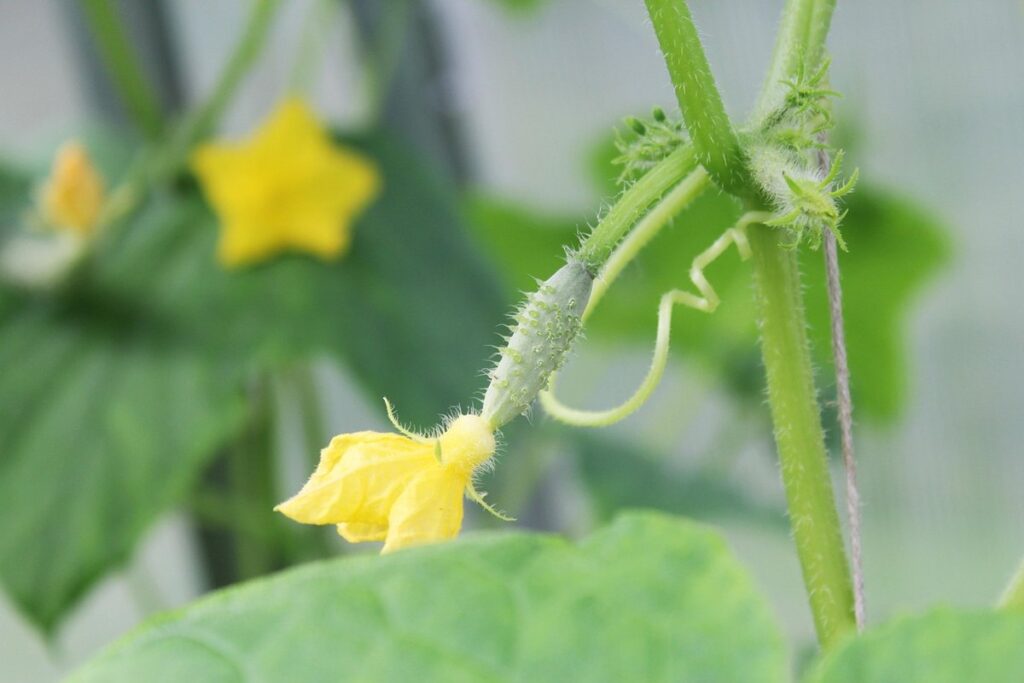
Understanding the Basics of Growing Cucumbers
First, let’s start with the fundamentals: cucumbers are a warm-season crop that thrive in well-draining soil and full sun.
Choosing the Right Variety for Your Greenhouse
When selecting a cucumber variety for your greenhouse, consider those bred specifically for indoor growing conditions. These varieties tend to have more compact growth habits and higher yields than their outdoor counterparts. For example, ‘Marketmore’ and ‘Slicing’ are popular choices for greenhouses due to their high fruit production and disease resistance.
Some greenhouse-friendly varieties are also bred for their unique characteristics, such as heat tolerance or pest resistance. Look for plants labeled as “disease-resistant” or “heat-tolerant,” which can help minimize issues in your greenhouse environment.
If you’re aiming for a long harvest season, opt for varieties that mature relatively quickly, such as ‘Kentucky Wonder’ or ‘Straight Eight.’ These cucumbers typically take around 50-60 days to reach maturity and will continue producing fruit throughout the growing season.
Consider your desired cucumber type when choosing a variety. Do you want compact pickling cucumbers or long, slender slicing cucumbers? Make sure to choose varieties that suit your greenhouse’s space constraints and intended use for the produce.
Optimizing Greenhouse Conditions for Cucumber Growth
Maintaining an optimal temperature range is crucial for cucumber growth. Ideally, daytime temperatures between 65°F and 75°F (18°C to 24°C) and nighttime temperatures around 55°F to 65°F (13°C to 18°C) promote healthy growth. Some greenhouses use heating systems to maintain a consistent temperature during cooler periods or extend the growing season.
Humidity levels also play a significant role in cucumber development. A relative humidity of 40-60% is usually sufficient, but this can vary depending on the specific climate and greenhouse setup. Overwatering, which often leads to high humidity, should be avoided as it may encourage fungal diseases.
Light exposure is another critical factor in greenhouse conditions for cucumbers. Most cucumber varieties require at least six hours of direct sunlight per day or supplemental lighting with a mix of blue and red LEDs. However, direct sunlight can lead to overheating if temperatures exceed 85°F (29°C). Therefore, it’s essential to balance light exposure according to the specific climate and greenhouse setup.
In addition to controlling these three factors, consider using shading materials like shade cloth or louvers to regulate temperature and prevent scorching during intense sunlight periods.
Preparing the Soil and Environment
Before you start planting cucumber seeds, it’s essential to prepare the soil and environment for optimal growth. This includes ensuring good air circulation, suitable temperature, and adequate moisture levels in your greenhouse.
Selecting a Suitable Potting Mix for Greenhouse Cucumbers
A good potting mix for greenhouse cucumbers should have excellent drainage to prevent waterlogged soil and root rot. Look for a mix with perlite, vermiculite, or sand as these materials help improve airflow and prevent water from accumulating around the roots. A well-draining potting mix can be achieved by using a mix of 20-30% organic matter, such as peat moss or coconut coir, and 70-80% inorganic material like perlite or vermiculite.
In terms of nutrient content, a balanced fertilizer with equal N-P-K ratios (such as 10-10-10) is essential for promoting healthy growth. However, avoid over-fertilizing as this can lead to excessive vegetative growth and poor fruit production. A potting mix with a slightly acidic pH between 6.0 and 7.0 is also ideal for cucumber plants.
Some commercial potting mixes specifically designed for cucumbers contain additional ingredients like micronutrients or mycorrhizal fungi that promote healthy root development and plant immunity. When selecting a potting mix, check the ingredient list to ensure it meets these criteria and consider consulting with local nurseries or gardening experts for recommendations on suitable potting mixes in your region.
Providing Support and Training for Cucumber Vines
When training and supporting cucumber vines in a greenhouse setting, it’s essential to maximize space while promoting healthy growth. A trellis is an excellent option for this purpose, providing a sturdy structure for the vine to climb. You can install a single vertical trellis or create a more elaborate system with multiple horizontal bars.
Another effective method is using cages made of metal, bamboo, or other durable materials. These enclosures allow for better air circulation and can be easily removed when harvesting. Some growers also employ the use of netting or mesh panels to support the vines while keeping pests at bay.
When choosing a support system, consider factors such as the mature size of your cucumber variety and the available space in your greenhouse. For example, compact varieties like ‘Salad Bush’ can thrive on smaller trellises or cages, while vining types like ‘Marketmore’ require more extensive supports.
To ensure optimal growth, provide adequate spacing between support systems to allow for air circulation and easy access for maintenance. Regularly inspect the vines for signs of stress or damage, making adjustments as needed to prevent any issues from developing.
Sowing and Transplanting Cucumbers
When it comes to growing cucumbers, sowing and transplanting them correctly is crucial for a healthy and thriving crop. Let’s take a closer look at how to do this effectively in your greenhouse.
Starting Cucumbers from Seeds in the Greenhouse
Starting cucumber seeds indoors is a great way to get a head start on the growing season. For most regions, the best time to start cucumbers from seed indoors is 2-3 weeks before the last frost date. This allows you to transplant seedlings into the greenhouse when the weather warms up.
To achieve optimal germination rates, maintain an ideal temperature of around 75°F (24°C) for sowing cucumber seeds. Keep the soil consistently moist but not waterlogged during this period. Sow seeds about ¼ inch deep and 1-2 inches apart in a seed starting mix specifically designed for indoor use.
The optimal germination rate for cucumbers is typically between 7-10 days, although it can vary depending on factors like temperature and humidity. Once the seedlings have two sets of leaves, you can transplant them into larger containers or directly into the greenhouse soil.
It’s essential to choose a suitable potting mix that drains well and provides sufficient nutrients for young cucumber plants. A general-purpose seed starting mix is an excellent option, but you may also consider adding a balanced fertilizer at half the recommended strength to promote healthy growth.
Transplanting Cucumber Seedlings into Larger Containers or the Ground
When transplanting young cucumber seedlings into larger containers or directly into the greenhouse soil, it’s essential to handle them gently to minimize root disturbance. Start by carefully removing the seedling from its original container, taking care not to touch the delicate roots.
If transplanting into larger containers, choose a pot that is only slightly larger than the original one, as cucumbers prefer a shallow root system. Use a well-draining potting mix and gently place the seedling in the new container, making sure the soil level is the same as it was before. Water thoroughly after transplanting.
If planting directly into the greenhouse soil, dig a hole that is about twice as wide and just as deep as the original container. Place the seedling in the center of the hole, firm the soil around the roots, and water well. Make sure the soil is moist but not waterlogged to prevent root rot.
After transplanting, keep an eye on your cucumber plants for a few days to ensure they’re adjusting properly. If necessary, provide some shade to protect them from intense sunlight.
Watering, Fertilizing, and Pest Management
Proper watering, fertilization, and pest management are crucial to a healthy cucumber crop. Let’s explore how to maintain an optimal environment for your greenhouse cucumbers.
Irrigation Strategies for Greenhouse Cucumbers
For optimal growth and water efficiency, greenhouse cucumber growers have several irrigation strategies to choose from. Drip irrigation is a popular method, delivering water directly to the roots of the plant through a network of tubes and emitters. This reduces evaporation and runoff, making it an ideal choice for greenhouses with limited space or where water conservation is crucial.
Overhead sprinklers are another option, providing a broader coverage area and helping to wash off any pollutants or debris that may be present on the leaves. However, they can lead to overwatering if not properly calibrated, so it’s essential to monitor soil moisture levels closely when using this method.
In addition to these two main methods, some growers also use micro-sprinklers or bubbler irrigation systems, which provide a more targeted application of water and can be especially useful for larger greenhouse operations. When selecting an irrigation strategy, consider factors such as climate, crop load, and soil type to ensure you’re providing the right amount of water at the right time.
Fertilizing Cucumber Plants for Optimal Growth
When it comes to fertilizing cucumber plants for optimal growth in a greenhouse, you need to provide essential nutrients through regular applications. Organic options like compost tea and fish emulsion can supply beneficial microbes and micronutrients, while synthetic fertilizers like nitrogen-rich ammonium nitrate or phosphorus-based diammonium phosphate provide macronutrients.
Apply organic fertilizers at a rate of 1-2% by volume, mixing it with water according to the manufacturer’s instructions. You can also use worm casting tea as an alternative, which is rich in micronutrients and beneficial microbes.
For synthetic options, follow the recommended application rates on the product label to avoid over-fertilizing, which can cause damage to leaves and reduce yields. Typically, a balanced fertilizer with equal NPK (nitrogen-phosphorus-potassium) ratio works well for cucumber growth. However, you may need to adjust the application frequency based on your greenhouse’s specific conditions and soil type.
A good rule of thumb is to fertilize young cucumber plants every 1-2 weeks during the first month after transplanting, then gradually reduce the frequency as they mature. Be sure to test your soil pH regularly to ensure it remains within the optimal range for cucumber growth (between 6.0 and 7.0).
Monitoring and Controlling Pests and Diseases
To keep your cucumber crop healthy and thriving, it’s essential to monitor for pests and diseases, and take swift action if any issues arise. Regular checks will help you prevent small problems from becoming major headaches.
Common Greenhouse Pests Affecting Cucumbers
Aphids, whiteflies, and spider mites are common greenhouse pests that target cucumbers. These tiny insects can multiply rapidly, causing significant damage to plants if left unchecked.
Aphids feed on cucumber sap, weakening the plant’s ability to grow and produce fruit. They also secrete sticky honeydew, which attracts ants and promotes fungal growth. Regularly inspect your plants for aphid infestations, checking for curled or distorted leaves, and white cottony patches on stems.
Whiteflies are another major pest affecting cucumbers in the greenhouse. These tiny flying insects feed on plant sap, causing stunted growth and reduced fruit production. They also transmit diseases such as tomato spotted wilt virus. Use yellow traps to capture adult whiteflies, and treat infested plants with insecticidal soap or neem oil.
Spider mites are a common problem in greenhouses with dry conditions. These tiny arachnids feed on plant sap, causing bronzing or stippling on leaves. Check for fine webbing between leaf veins, and dust your plants regularly to control spider mite populations.
To manage these pests effectively, monitor your plants regularly, and use a combination of physical barriers, traps, and insecticides as needed.
Strategies for Preventing and Managing Cucumber Diseases
When inspecting cucumber plants for signs of disease, look out for yellowed or wilted leaves, powdery white patches on the stems and leaves, or black spots on the fruit. Regularly monitor your plants’ overall health and take action promptly if you notice any unusual symptoms.
To prevent diseases from occurring in the first place, maintain good air circulation within the greenhouse by keeping the space well-ventilated. Avoid overwatering, which can create an ideal environment for fungal growth; instead, water cucumbers when the top 1-2 inches of soil feel dry to the touch. Keep the area around your plants weed-free and remove any debris that could harbor disease-causing organisms.
If you do encounter diseased plants, treat them immediately by removing all infected areas with a sterile tool and applying a fungicide specifically labeled for use on cucumbers. Consider implementing crop rotation or changing your potting mix to reduce the risk of disease transmission. Some common fungal diseases affecting cucumbers include powdery mildew, downy mildew, and fusarium wilt.
Harvesting and Post-Harvest Care
Once your cucumber plants have reached maturity, it’s time to carefully harvest them, making sure not to damage the fruit or the plant itself. Proper handling at this stage is crucial for future yields and plant health.
Timing and Techniques for Hand-Picking Greenhouse Cucumbers
When to harvest cucumbers in a greenhouse is crucial for optimal flavor and quality. Generally, you can start harvesting cucumber fruits when they reach 6-8 inches in length and have a dark green color. However, factors like temperature, humidity, and light exposure can affect ripeness.
Cucumbers grown in a greenhouse tend to mature faster than those outdoors due to the controlled environment. Typically, it takes between 50-60 days from sowing seeds for cucumbers to be ready for harvest. Keep an eye on your plants, as they can quickly go from underripe to overripe.
Monitor the color and texture of your cucumber fruits regularly. A ripe cucumber will have a slight sheen to its skin and will feel slightly soft to the touch, but still firm enough to hold its shape. Avoid squeezing the fruit too hard, as this can cause bruising.
For optimal flavor, harvest cucumbers in the morning after the dew has dried but before the heat of the day sets in. Use scissors or a sharp knife to cut the stem about 1 inch from the fruit, leaving a small piece of stem attached to prevent moisture loss and promote continued growth.
Storing and Preserving Fresh Cucumbers for Extended Use
To maintain quality and extend shelf life, it’s essential to store fresh cucumbers properly. Store them in a cool, dry place away from direct sunlight, which can cause moisture loss and spoilage. The ideal storage temperature is between 32°F and 40°F (0°C and 4°C), but this may vary depending on the specific variety.
To prevent moisture accumulation, store cucumbers loosely in breathable containers or mesh bags to allow air circulation. Avoid stacking them tightly, as this can cause bruising and promote mold growth. For longer storage periods, consider storing cucumbers in the refrigerator at a consistent temperature below 40°F (4°C).
For longer-term preservation, you can also pickle or ferment cucumbers using a brine solution with acidic ingredients like vinegar or lemon juice. This method not only extends shelf life but also enhances flavor and nutritional value. When storing fermented cucumbers, keep them in the refrigerator at a consistent temperature below 40°F (4°C) to slow down fermentation.
It’s worth noting that pickling or fermenting can be done with minimal equipment and ingredients, making it a cost-effective method for preserving fresh cucumber harvests.
Advanced Techniques for Growing Cucumbers in the Greenhouse
For more experienced growers, we’ll explore advanced techniques to maximize cucumber yields and optimize growing conditions within your greenhouse. This includes pruning methods and trellising systems.
Using Hydroponics or Aeroponics for Increased Efficiency
Hydroponic and aeroponic systems offer several benefits for growing cucumbers in a greenhouse setting. One of the most significant advantages is water conservation. Traditional soil-based cultivation can require up to 20 gallons of water per day, whereas hydroponics and aeroponics use significantly less – typically around 5-10 gallons per day. This reduction in water usage not only conserves this precious resource but also reduces the energy required for pumping and treating water.
Another benefit is reduced labor requirements. Hydroponic and aeroponic systems can be designed to automate many tasks, such as nutrient delivery and pH monitoring. This minimizes the need for manual intervention and frees up staff to focus on other aspects of greenhouse management.
In terms of crop quality, hydroponics and aeroponics can actually outperform traditional soil-based cultivation in certain areas. For example, they often result in faster growth rates, increased yields, and improved fruit quality. This is because the controlled environment allows for precise nutrient delivery and optimal growing conditions.
To implement a hydroponic or aeroponic system, consider factors such as initial setup costs, space requirements, and ongoing maintenance needs.
Implementing Climate Control Systems to Optimize Greenhouse Conditions
Implementing climate control systems is a crucial aspect of optimizing greenhouse conditions for cucumber growth. These systems allow you to regulate temperature, humidity, and light levels with precision, creating an ideal environment for cucumbers to thrive.
Temperature control is particularly important, as cucumbers are sensitive to extreme temperatures. Aim for daytime temperatures between 65°F to 75°F (18°C to 24°C) and nighttime temperatures around 55°F to 65°F (13°C to 18°C). You can use heating or cooling systems, depending on your climate, to maintain optimal temperature ranges.
Humidity levels also play a significant role in cucumber growth. Aim for a relative humidity of 50-60% during the day and 40-50% at night. This can be achieved using humidifiers or dehumidifiers, depending on your greenhouse’s conditions.
Lighting is another critical factor to consider. Cucumbers require adequate light to produce well, but excessive light can cause stress and reduce yields. Use shading materials or adjust the lighting schedule to prevent overheating during peak sun hours.
To implement a climate control system effectively, it’s essential to monitor temperature, humidity, and light levels regularly. This will help you identify any issues before they impact cucumber growth.
Conclusion: Tips for Successful Greenhouse Cucumber Production
Now that you’ve learned the ins and outs of growing cucumbers in your greenhouse, let’s summarize the key takeaways to ensure a bountiful harvest. Review these essential tips for optimal results.
Recap of Key Takeaways from This Guide
To successfully grow cucumbers in a greenhouse, you’ll want to keep the following key takeaways from this guide top of mind. First and foremost, choose a cucumber variety specifically bred for greenhouse production, as these will typically thrive in the controlled environment.
In terms of soil preparation, select a potting mix that is well-draining and rich in organic matter. A mix with a pH between 6.0 and 7.0 will provide optimal growing conditions for cucumbers. Additionally, provide support and training for the vines to keep them upright and encourage horizontal growth.
When sowing seeds or transplanting seedlings, ensure that they receive adequate light and temperature control. Most cucumber varieties require at least 18 hours of supplemental lighting per day in a greenhouse environment. Water your cucumbers regularly, but avoid overwatering, which can lead to root rot and other issues.
In terms of pest management, be on the lookout for common greenhouse pests like aphids, whiteflies, and spider mites. Regularly inspect your plants for signs of infestation and take prompt action if you notice any problems. As for diseases, practice good sanitation and hygiene in the greenhouse to prevent the spread of fungal pathogens.
When it comes to harvesting, timing is everything. Cucumbers are typically ready to pick within 50-60 days of sowing, but may be picked at any stage from immature to fully mature. To preserve fresh cucumbers for extended use, store them in a cool, dry place or refrigerate them immediately after harvest.
In terms of advanced techniques, consider implementing hydroponics or aeroponics systems to increase efficiency and control. These methods allow you to precisely regulate nutrient delivery and water usage, leading to healthier, more productive plants.
Frequently Asked Questions
Can I grow cucumbers in a greenhouse with minimal maintenance?
Yes, by using a self-watering potting mix and installing an automated irrigation system, you can significantly reduce the need for manual watering. This will also help prevent overwatering, which is a common issue that can lead to root rot and other problems.
How do I troubleshoot issues with my cucumber crop when they’re not producing fruit?
Common issues such as lack of fruit set or poor fruit quality are often caused by factors like inadequate pollination, insufficient light, or nutrient deficiencies. Check your plant’s environment and adjust conditions as needed to promote healthy growth and fruiting.
Can I use the same potting mix for both seed starting and transplanting cucumber seedlings?
While it’s tempting to reuse a successful potting mix, different stages of growth require tailored mixes with varying pH levels and nutrient content. For optimal results, use a fresh batch of potting mix specifically designed for seed starting or transplanting.
What if I notice white powdery spots on my cucumber leaves – is it a sign of disease?
Yes, those white powdery spots are likely an infestation of powdery mildew, a common fungal disease affecting cucumbers. To treat the issue, remove infected leaves and apply fungicides according to the product’s instructions; also, maintain good air circulation within your greenhouse.
How long can I store harvested cucumbers in a sealed container before they start to spoil?
Cucumbers typically keep for about 3-5 days when stored at room temperature in a sealed container. To extend their shelf life, you can store them in the refrigerator, where they’ll remain fresh for up to two weeks. Always check for signs of spoilage and use the “first-in, first-out” rule to ensure older cucumbers are consumed before newer ones.
