If you’re considering adding guinea fowl hens to your backyard flock, you’ll want to make sure you choose a breed that’s well-suited to your climate and lifestyle. Some popular breeds include the Pearl Guinea Fowl and the Ruby Guinea Fowl, both of which are known for their high egg production and friendly demeanor. However, caring for guinea fowl hens requires more than just providing a spacious enclosure – you’ll also need to think about their nutrition and health needs. A balanced diet that includes plenty of fresh vegetables and fruits is essential, as well as regular access to clean water and a dust bath to keep their feathers in good condition. By the end of this article, you’ll be equipped with the knowledge you need to raise happy and healthy guinea fowl hens for successful egg production.
Choosing the Right Guinea Fowl Hen Breed
When it comes to adding a new guinea fowl hen to your flock, choosing the right breed is crucial for their health and happiness. With so many breeds to choose from, selecting one that fits your lifestyle is essential.
Characteristics of Popular Breeds
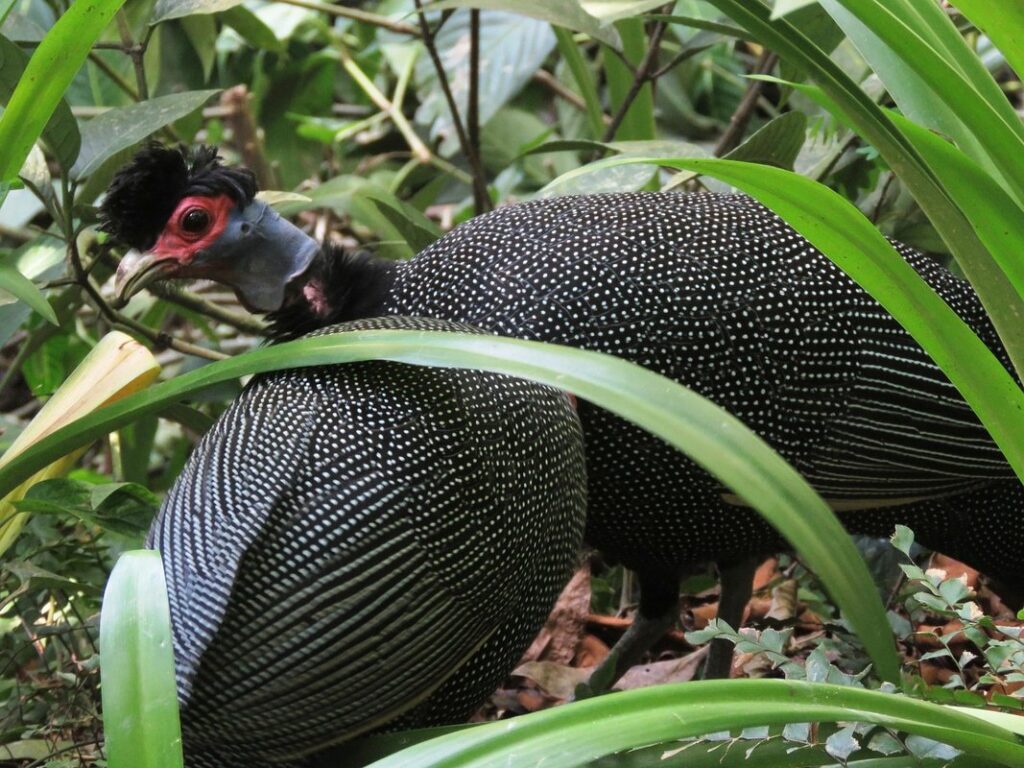
Some popular guinea fowl breeds include the Pearl, Jade, and Lavender. These birds are known for their friendly and docile nature, making them a great choice for backyard farmers who want to keep pets as well as egg-layers.
The Pearl guinea fowl is a good example of a breed that excels in both temperament and egg production. They have a calm demeanor and are relatively quiet compared to other breeds. As for their egg-laying capacity, Pearls typically lay around 100-120 eggs per year, with most eggs weighing about 1 ounce.
In contrast, the Jade guinea fowl is known for its high growth rate and large size. They can grow up to 28 inches tall and weigh as much as 6 pounds, making them one of the largest guinea fowl breeds available. Jades are also prolific egg-layers, producing around 120-150 eggs per year.
When choosing a breed, consider your specific needs and preferences. For example, if you’re looking for a smaller bird that’s easy to handle, the Lavender might be a good choice. They have a gentle temperament and require less space than some of the larger breeds.
Factors to Consider When Selecting a Breed
When selecting a guinea fowl hen breed for your backyard or farm, several factors come into play. One crucial consideration is climate adaptation. Some breeds are better suited to hot climates, while others thrive in cooler temperatures. For example, the African guinea fowl is more tolerant of heat and humidity than the Chinese guinea fowl. If you live in an area with extreme temperature fluctuations, choose a breed that can adapt accordingly.
Another important factor is noise level. Guinea fowl hens are known for their vocalizations, but some breeds are louder than others. If you have close neighbors or plan to keep your birds in a residential area, consider a quieter breed like the Java guinea fowl. On the other hand, if you live on a rural property and want a more robust alarm system, a louder breed may be suitable.
Foraging ability is also essential, especially if you plan to free-range your birds. Some breeds are natural foragers and can find food in their environment with ease, while others require supplementation or a more structured feeding schedule. The Nigerian guinea fowl, for example, is known for its strong foraging instincts and can thrive on pasture alone.
Caring for Your Guinea Fowl Hens
To ensure your guinea fowl hens stay happy and healthy, it’s essential to provide them with proper care, including regular feeding and health checks. Proper nutrition and disease prevention will be covered in this section.
Housing Requirements
Guinea fowl hens require a secure and spacious enclosure to thrive. The minimum recommended size for an adult guinea fowl hen is around 2-3 square feet per bird, with at least 6-8 hours of sunlight daily. A larger area will provide more room for exercise and movement.
A sturdy shelter or coop is essential to protect the birds from harsh weather conditions, predators, and sun exposure. The coop should be well-ventilated, dry, and protected from drafts. Guinea fowl hens are prone to respiratory issues, so a well-designed ventilation system is crucial.
When choosing an enclosure, consider the following:
- A 3-foot-high fence or mesh to prevent escape and predator entry
- Overhangs or awnings to provide shade during intense sunlight
- Easy access for cleaning and maintenance
- Protection from extreme temperatures (avoid direct sun exposure during heatwaves)
Predator protection is also vital. Guinea fowl hens are prey animals, so they require a secure enclosure that prevents foxes, coyotes, and other predators from accessing them. Consider adding a roof or netting to cover the top of the coop for added security.
Nutrition and Feeding Habits
Guinea fowl hens are omnivores and require a balanced diet that includes a mix of grains, proteins, fruits, and vegetables. They have specific dietary requirements that must be met to ensure optimal health and egg production. A good quality guinea fowl feed should contain a minimum of 16% protein, with a ratio of calcium to phosphorus of 2:1.
In addition to commercial feed, you can supplement their diet with fresh fruits and vegetables such as leafy greens, carrots, and sweet potatoes. However, it’s essential to introduce new foods gradually to prevent digestive upset. Avoid feeding guinea fowl hens avocado, onions, or chocolate as these are toxic to them.
A common feeding strategy is to provide a layer feed in the morning and a mix of grains and vegetables in the afternoon. This helps maintain their appetite and ensures they receive a balanced diet. You can also offer treats such as mealworms or sunflower seeds to add variety and nutrition.
Some key points to consider when planning your guinea fowl’s nutrition:
- Provide a clean, fresh water source at all times
- Limit table scraps to avoid overfeeding and maintain a balanced diet
- Consider adding probiotics or oyster shells to support digestive health and calcium intake
Health Considerations
Guinea fowl hens are generally hardy birds, but they can be susceptible to certain health issues. Respiratory problems, such as chronic bronchitis and pneumonia, can arise from dust and damp environments. Parasites like lice, mites, and ticks can also infest guinea fowl hens, causing discomfort and potentially leading to more serious health complications.
To prevent these issues, keep your guinea fowl hens’ living space clean and well-ventilated. Remove soiled bedding regularly, and ensure adequate airflow in their coop. A balanced diet rich in nutrients can also help boost their immune system. Consider consulting with a veterinarian experienced in caring for poultry to determine the best nutrition plan for your birds.
In terms of treatment options, consult a veterinarian immediately if you notice any signs of illness, such as labored breathing or lethargy. For parasite infestations, use medications specifically designed to target these pests and follow the instructions carefully to avoid harming your birds. Regular health checks can also help detect potential problems early on, allowing for prompt treatment and minimizing the risk of long-term damage.
Guinea Fowl Hen Egg Production
One of the main draws for keeping guinea fowl hens is their ability to produce a steady supply of delicious and nutritious eggs, making them a valuable addition to any small farm or backyard flock.
Average Egg Laying Capacity
A guinea fowl hen’s average egg laying capacity is approximately 100-120 eggs per year, with some breeds producing up to 150. This is significantly lower than commercial chicken breeds but comparable to other heritage poultry.
Several factors influence a guinea fowl hen’s production levels. Age plays a significant role: hens typically begin laying at around 6-8 months and reach peak production between 1-2 years of age. Genetics also play a part, with some breeds naturally producing more eggs than others. Nutrition and health are crucial as well; guinea fowl hens require adequate calcium and vitamin D to maintain strong eggshells.
To optimize yields, provide your guinea fowl hens with a balanced diet that includes plenty of fresh fruits and vegetables. Ensure access to clean water at all times and maintain a safe and healthy living environment. Avoid over-crowding, which can lead to stress and decreased production. Consider supplementing their feed with calcium-rich sources like oyster shells or crushed eggshells to support strong eggshell formation.
In addition to these general guidelines, some guinea fowl breeders recommend introducing guinea fowl hens to a flock of older laying birds to learn from their experiences and improve their own production levels.
Factors Affecting Egg Quality
Egg quality can be significantly impacted by environmental factors. Temperature fluctuations, particularly extreme heat or cold, can affect ovulation and fertilization rates, leading to lower-quality eggs. Guinea fowl hens require a consistent temperature range of around 40°F to 80°F (4°C to 27°C) for optimal egg production. Additionally, exposure to toxins and pollutants in the air, water, or feed can contaminate eggs and compromise their quality.
Nutritional factors also play a crucial role in determining egg quality. A diet rich in high-quality protein sources, such as grains and legumes, is essential for healthy egg production. Guinea fowl hens require around 16% to 18% protein content in their feed to produce top-grade eggs. Moreover, adequate calcium intake is vital for strong eggshell formation.
Management factors can also influence egg quality. Overcrowding, inadequate lighting, and poor sanitation can all contribute to stress, which negatively impacts egg production and quality. On the other hand, providing a stress-free environment with plenty of space to roam, access to fresh water, and regular cleaning of coops can lead to higher-quality eggs.
Guinea Fowl Hen Behavior and Socialization
When it comes to caring for guinea fowl hens, understanding their unique behavior and social needs is crucial. This section explores how to properly introduce and integrate your new hen into your flock.
Pecking Order Establishment
In a guinea fowl flock, establishing a pecking order is an essential aspect of socialization. This hierarchical structure helps maintain harmony and minimizes stress among hens. A dominant hen will often lead the group, while subordinate birds defer to her authority. To promote a harmonious pecking order, it’s crucial to introduce new guinea fowl slowly and under close supervision.
When introducing new birds, ensure they’re from the same breed or have similar temperaments to avoid conflicts. Provide enough space for each hen to establish its own territory without feeling threatened by others. A general rule of thumb is to keep a ratio of one dominant bird per five to six subordinate hens. This balance helps prevent the formation of cliques and reduces aggression.
Some common signs of an unstable pecking order include excessive noise, aggressive behavior, or withdrawn birds. To address these issues, monitor your flock’s dynamics closely and intervene if necessary. You can also try separating dominant birds from their subordinates for short periods to allow each hen some individual time. By implementing these strategies, you can help minimize stress and promote a more harmonious social structure within your guinea fowl flock.
Training and Handling Techniques
When training and handling guinea fowl hens, it’s essential to be gentle yet firm. Start by getting them accustomed to your presence from an early age. Move slowly around their enclosure, speaking calmly, and offering treats to help them associate you with positive experiences.
Begin with short handling sessions, gradually increasing the duration as they become more comfortable. Support their body and wings carefully, making sure not to constrict their movement. A common mistake is to pick up guinea fowl hens by their legs, which can cause injury; instead, lift them gently under their wings.
Introduce a quiet, enclosed space for handling, where they feel secure. Use a towel or cloth to help them relax during handling sessions. This can be especially helpful when checking for molting, egg laying issues, or injuries. When returning them to their enclosure, place the guinea fowl hen gently in its familiar surroundings.
Some owners find it beneficial to establish a daily routine that includes handling and interaction. This helps maintain trust and can reduce stress levels within the flock. By following these guidelines and adapting your approach to individual personalities, you’ll be able to train and handle your guinea fowl hens safely and humanely.
Managing Guinea Fowl Hen Noise
One of the most significant challenges of keeping guinea fowl hens is managing their loud noise, which can be a concern for neighbors and homeowners. We’ll explore some practical tips to minimize the disturbance caused by your hen’s squawks.
Understanding Vocalizations
When guinea fowl hens vocalize, they’re usually communicating with each other. They use a variety of sounds to convey different messages, including contact calls to locate one another and warning signals to alert their flock to potential threats. These vocalizations can be loud and frequent, especially in the morning and evening.
In addition to contact calls, guinea fowl hens also make alarm calls when they sense danger. This could be a predator approaching or an unfamiliar noise in their environment. Alarm calls serve as a warning to the rest of the flock, prompting them to take action to protect themselves. For example, if a guinea fowl hen sounds an alarm call, her companions will likely respond by becoming more vigilant and prepared to defend themselves.
It’s essential to recognize the different types of vocalizations your guinea fowl hens make so you can understand their needs and potential threats to their safety. By paying attention to these signals, you can take steps to mitigate noise levels and prevent conflicts within the flock. For instance, providing a secure enclosure with adequate shelter and perches can help reduce stress and noise.
Guinea fowl hens will often vocalize more frequently when they’re not receiving enough space or stimulation. If you notice an increase in noise levels, consider enriching their environment by adding new activities, such as foraging toys or exploring opportunities.
Reducing Noise Levels
When designing enclosures for guinea fowl hens, consider incorporating noise-dampening materials to reduce the overall decibel level. A simple solution is to add a layer of straw or hay to the coop floor and walls. This can help absorb some of the loud vocalizations and prevent them from echoing off surfaces.
Another option is to use noise-reducing panels or acoustic foam blocks within the enclosure. These materials can be strategically placed in areas where the guinea fowl hens tend to congregate, such as around feeding troughs or nesting boxes. Additionally, ensuring adequate ventilation and airflow within the coop can also help dissipate excess noise.
Behavioral training is another crucial aspect of reducing noise levels. By establishing a consistent daily routine that includes regular exercise and playtime, you can encourage guinea fowl hens to vocalize less frequently. Some owners have reported success with implementing “quiet time” periods where the birds are encouraged to rest without being disturbed. This approach can be tailored to individual flock needs and may require some experimentation to find the right balance.
In terms of enclosure design, positioning the coop in a location that minimizes noise transmission is essential. For example, placing it away from neighboring homes or areas with high human traffic can help reduce disturbance.
Keeping Guinea Fowl Hens Healthy and Happy
Maintaining a guinea fowl hen’s health requires attention to diet, living conditions, and regular check-ups to prevent diseases and ensure their well-being. Proper care can boost their lifespan and overall happiness.
Vaccination and Disease Prevention
When it comes to vaccinating guinea fowl hens, the specific needs of these birds differ from those of chickens. It’s essential to consult with a veterinarian familiar with avian health to determine the most effective vaccination program for your flock. Vaccinations are typically recommended for young chicks, but adult birds may also require booster shots.
Guinea fowl hens are susceptible to various diseases, including Newcastle disease and Marek’s disease. These illnesses can be prevented or minimized through proper vaccinations and biosecurity measures. To maintain a healthy flock, it’s crucial to implement good hygiene practices, such as washing hands thoroughly before handling birds and cleaning feeding and watering equipment regularly.
In addition to vaccination, there are several other disease prevention strategies to consider for your guinea fowl hens. These include:
- Implementing integrated pest management (IPM) techniques to reduce the risk of parasite-borne diseases
- Providing a balanced diet that includes fresh fruits and vegetables to boost their immune system
- Ensuring proper ventilation in coops to prevent respiratory problems
- Monitoring birds regularly for signs of illness or stress, and taking prompt action if any health issues arise
Integrated Pest Management
Integrated pest management is a multi-faceted approach to protecting guinea fowl hens from pests and diseases. This strategy involves identifying the most common threats to your flock, such as mites, lice, ticks, and internal parasites like worms. You can use a combination of physical barriers, sanitation practices, and targeted treatments to prevent infestations.
For example, keeping your guinea fowl hens’ living area clean and free from debris is crucial in preventing pest problems. Regularly changing bedding material, removing uneaten food and droppings, and washing feeders and water containers can help reduce the risk of infestation. Additionally, applying a diatomaceous earth powder or spray to surfaces can help deter external parasites.
To manage internal parasites, you’ll need to implement a deworming program. This typically involves administering anthelmintic medication at specific intervals, usually during times of high parasite activity such as spring and fall. It’s essential to consult with a veterinarian to determine the best deworming schedule for your flock based on factors like age, health status, and geographic location.
A balanced approach to integrated pest management can help minimize the use of chemical pesticides and maintain a healthy environment for your guinea fowl hens.
Frequently Asked Questions
Can I Keep Guinea Fowl Hens with Other Birds?
Yes, guinea fowl hens can be kept with other birds like chickens and ducks. However, it’s essential to introduce them slowly and under close supervision to prevent stress and fighting. Ensure that the enclosure is large enough for all birds to move freely and provide separate areas for feeding and roosting.
What if I Have a Small Backyard? Can Guinea Fowl Hens Still Thrive?
Yes, guinea fowl hens can thrive in small backyards with proper management. Consider using vertical space by adding shelves or perches to the enclosure. Make sure to provide enough space for exercise and ensure that noise levels don’t become an issue.
How Do I Introduce New Guinea Fowl Hens to My Existing Flock?
When introducing new guinea fowl hens, start by keeping them separate from your existing flock and allowing them to get used to each other’s sounds and scents. Once they seem comfortable with each other, release the new birds into the main enclosure under close supervision.
Can Guinea Fowl Hens Be Kept in a Free-Range System?
Yes, guinea fowl hens can be kept in a free-range system if you have enough land to provide them with adequate space for exercise and foraging. However, ensure that predators are controlled and that the area is protected from extreme weather conditions.
How Do I Know When Guinea Fowl Hens Are Not Healthy?
Pay attention to changes in behavior, such as lethargy or loss of appetite. Also, look out for physical signs like dirty feathers, labored breathing, or droopy wings. Consult a veterinarian experienced with guinea fowl hens if you notice any unusual symptoms.