
Heirloom wheat is a type of ancient grain that has been largely forgotten in modern times, yet its unique flavor profiles and higher nutritional content make it an attractive alternative to the conventional wheat we commonly consume. Unlike the high-yielding, disease-prone varieties used on most commercial farms, heirloom wheat is bred for its traditional characteristics, resulting in a more sustainable and resilient crop that requires less water and pesticides. If you’re looking to explore a new dimension of flavor and nutrition in your bread-making or baking, you’ll want to learn about the history, benefits, and growing process of heirloom wheat. This article will delve into the story behind these ancient grains, highlighting their distinctive flavors and improved nutritional profile compared to modern wheat. By the end of this guide, you’ll know how to source, grow, and bake with heirloom wheat to enjoy its numerous advantages.
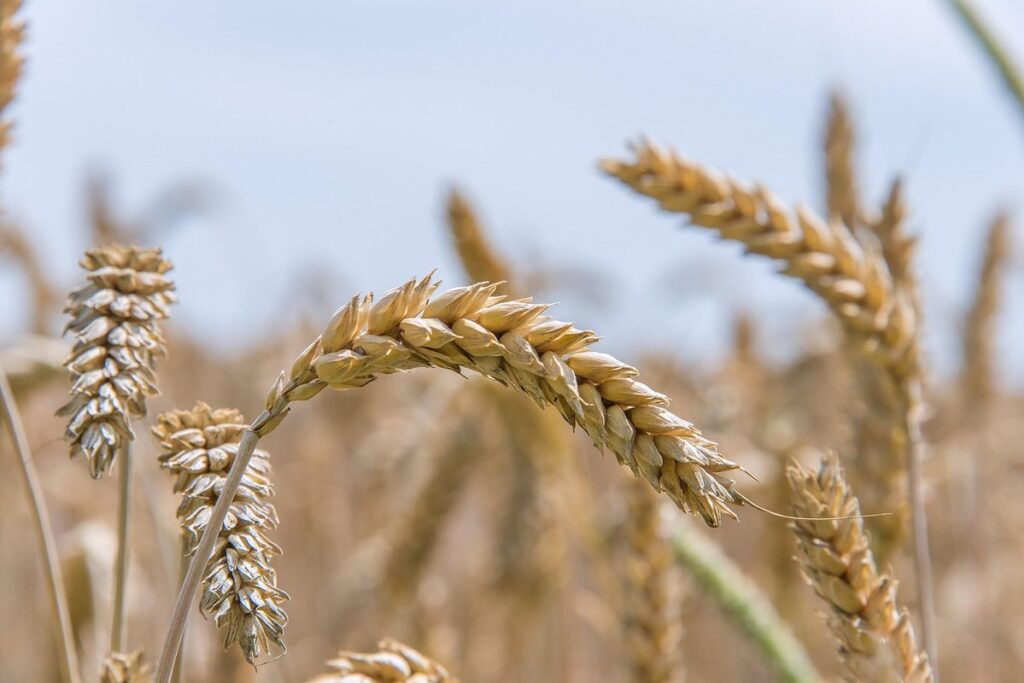
What is Heirloom Wheat?
Heirloom wheat has been cultivated for centuries, but its unique characteristics and benefits are often misunderstood. Let’s take a closer look at what sets it apart from other types of wheat.
Defining Heirloom Wheat
Heirloom wheat refers to traditional or heritage varieties of wheat that have been preserved and protected over time. These varieties are often unique in their characteristics, flavor, and nutritional content. One key aspect of heirloom wheat is its distinctiveness – each variety has a specific set of traits that set it apart from others.
For example, some heirloom wheat varieties have a coarser texture or a sweeter flavor profile compared to modern wheat. Others may be better suited for certain climates or growing conditions. This diversity is a result of centuries of selective breeding and adaptation to local environments. Heirloom wheat varieties are often grown by small-scale farmers or gardeners who value their unique characteristics and the story behind them.
To identify heirloom wheat, look for varieties that have been grown for generations in a particular region. Check the seed catalog or consult with a local farmer to learn more about the specific traits of each variety. Keep in mind that heirloom wheat is not just about aesthetics; it also offers a deeper connection to the land and the community that grew it. By preserving these heritage varieties, we can appreciate their rich history and the benefits they provide for our health and environment.
Characteristics of Heirloom Wheat
Heirloom wheat is grown using traditional farming practices, which means it’s cultivated without the aid of modern pesticides or genetically modified organisms (GMOs). This approach has a direct impact on the characteristics of heirloom wheat. For one, it results in a more diverse range of wheat varieties.
Unlike hybrid or genetically modified crops that are bred for specific traits like pest resistance or high yields, heirloom wheat is often saved and replanted from season to season, preserving its genetic integrity. This method allows for the development of unique characteristics, such as distinctive flavor profiles, textures, and even colors. Heirloom wheat can range in color from creamy whites to rich browns, with some varieties displaying a beautiful striped or mottled pattern.
The lack of chemical inputs also means that heirloom wheat tends to have a lower risk of contamination with residues like glyphosate or other herbicides. This makes it an attractive option for consumers who prioritize their health and the environment. When choosing an heirloom wheat variety, look for those that are specifically labeled as “pesticide-free” or “non-GMO.”
History of Heirloom Wheat
Heirloom wheat has a rich history dating back thousands of years, with varieties developed and cultivated by ancient civilizations. Let’s take a closer look at how this incredible grain came to be.
Origins of Heirloom Wheat
Heirloom wheat’s origins are deeply rooted in ancient civilizations, where diverse cultures cultivated unique varieties of heritage wheat. The history of heirloom wheat is a testament to human ingenuity and adaptation to local environments. Many countries have their own distinct types of heritage wheat that were developed over centuries to thrive in specific climates and soil conditions.
In the Middle East, for example, emmer wheat was a staple crop around 10,000 years ago. This ancient grain was highly prized for its nutritional value and was often used to make bread, porridge, and beer. In Europe, spelt and einkorn were popular varieties of heirloom wheat that were valued for their flavor and versatility.
The diversity of heirloom wheat can be attributed to the fact that each region developed its own unique strains in response to local challenges such as soil quality, weather patterns, and pest infestations. This adaptation led to a wide range of characteristics, from varying kernel sizes and colors to differences in protein content and texture. Understanding these historical contexts provides valuable insights into why heirloom wheat is still celebrated today for its rich history, unique flavors, and sustainable growing practices.
Evolution of Modern Wheat
Modern wheat as we know it today is a result of deliberate breeding efforts that began in the early 20th century. Breeders aimed to create high-yielding varieties with improved disease resistance, which would allow for more efficient and widespread cultivation. This process involved crossing different wheat strains to combine desirable traits.
The hybridization process led to significant changes in wheat’s genetic makeup. Breeders selected for characteristics like tall stature, broad leaves, and high grain production. As a result, modern wheat often lacks the diversity that traditional varieties possess. In contrast, heirloom wheat retains its unique characteristics and adaptations that were honed over centuries of cultivation.
To achieve high yields, modern wheat is typically bred to be more uniform in appearance and growth habits. This uniformity allows for easier harvesting and processing but also makes it more susceptible to disease and pests. Heirloom varieties, on the other hand, often exhibit greater resilience due to their genetic diversity.
Benefits of Heirloom Wheat
Heirloom wheat offers a wealth of benefits that make it an attractive alternative to modern varieties, from improved nutrition to enhanced biodiversity. Let’s take a closer look at these advantages.
Nutritional Content
Heirloom wheat is often higher in nutrients and fiber compared to modern wheat varieties. This is due to its slower maturation rate and traditional growing practices. As a result, heirloom wheat tends to have a more complex nutritional profile, with a greater variety of phytochemicals and micronutrients.
For instance, studies have shown that heirloom wheat contains higher levels of vitamins B6 and E, as well as minerals like iron and zinc. Additionally, the slower maturation rate of heirloom wheat allows for a longer growing season, which can lead to increased production of antioxidants and other beneficial compounds.
In contrast, modern wheat varieties are often bred for high yields and rapid maturation, which can compromise their nutritional quality. When choosing an heirloom wheat variety for baking or cooking, look for those that have been grown using traditional methods and have a slower maturation rate. This will help ensure that you’re getting the most nutritious benefits from your grain. Some popular heirloom varieties include ‘Kamut’, ‘Spelt’, and ‘Einkorn’, which are known for their high nutritional content and unique flavor profiles.
Flavor Profile
Heirloom wheat’s complex flavor profile is one of its most appealing characteristics. Unlike modern wheat varieties, which often taste bland and uniform, heirloom wheat can have a rich, nuanced flavor with notes of nuttiness or sweetness. This diversity in flavor is due to the unique genetic makeup of each variety, shaped by centuries of adaptation to specific environments.
For example, Kamut, an ancient Egyptian heirloom wheat, has a buttery, malty flavor reminiscent of caramel. Meanwhile, Spelt, another heritage variety, has a sweeter, slightly nutty taste often described as earthy. These distinctive flavors are not just a matter of personal preference – they also reflect the plant’s ability to thrive in challenging conditions.
When baking with heirloom wheat, it’s essential to consider its unique flavor profile. This might involve adjusting your recipe or using other ingredients to balance out the flavor. For instance, if you’re working with a particularly nutty variety, you may want to reduce the amount of added nuts or oils to avoid overpowering the bread.
Heirloom wheat’s complex flavor also makes it an excellent choice for artisanal bakers and chefs seeking to create unique, high-end products. By embracing this diversity in flavor, cooks can develop new recipes that showcase the best qualities of each variety.
Environmental Benefits
Heirloom wheat production methods have a significantly lower environmental impact compared to modern wheat farming. One of the key advantages is water conservation: heirloom wheat typically requires less irrigation due to its deeper root system, which allows it to tap into underground water sources more efficiently. This reduces the strain on soil and groundwater, making it an attractive option for sustainable agriculture.
In contrast, many commercial wheat farms rely heavily on fertilizers and pesticides, which can pollute soil and waterways. Heirloom wheat, on the other hand, promotes healthier soil through its natural pest resistance and ability to fix nitrogen. This means that farmers can reduce their reliance on synthetic fertilizers, minimizing chemical runoff and preserving ecosystem balance.
By choosing heirloom wheat varieties, gardeners and farmers can make a tangible contribution to environmental conservation. As demand for sustainable crops grows, the benefits of heirloom wheat will only continue to multiply – both for the planet and for those growing it.
Growing Heirloom Wheat at Home
Growing heirloom wheat can be a rewarding experience for gardeners, requiring careful planning and attention to specific climate conditions. With proper care, you can successfully cultivate these unique grains in your own backyard.
Choosing the Right Variety
When selecting a variety of heirloom wheat for your home garden, it’s essential to consider your local climate and growing conditions. This will ensure the crop thrives and produces a bountiful harvest. A cool-season crop, heirloom wheat prefers temperate climates with moderate temperatures and adequate moisture.
Some popular varieties include ‘Red Fife’ and ‘Kamut’, both of which are well-suited for cooler climates. ‘Red Fife’, originating from Ontario, Canada, is known for its hardiness and ability to tolerate frost. In contrast, ‘Kamut’ is an ancient Egyptian variety that prefers warmer temperatures but can still be grown in temperate regions.
To determine the best variety for your area, research the specific growing conditions required by each type of heirloom wheat. Check the days-to-maturity, which indicates how long it takes the crop to mature from sowing to harvest. This will help you choose a variety that fits within your local growing season. Be sure to also consider factors such as soil type and moisture levels when selecting an heirloom wheat variety for your home garden.
Preparing the Soil
Heirloom wheat prefers well-drained soil with a pH between 6.0 and 7.0. To prepare your soil for heirloom wheat cultivation, you’ll want to test its pH level first. A simple DIY kit or a visit to your local nursery can provide this information. If your soil falls outside the ideal range, you can amend it by adding lime to raise the pH or sulfur to lower it.
Soil drainage is also crucial. Heirloom wheat doesn’t tolerate standing water, so ensure that your field or garden has adequate slope and aeration. Remove any debris, rocks, or roots that could impede growth. For optimal results, incorporate 2-3 inches of compost or well-rotted manure into the top 6-8 inches of soil. This will provide essential nutrients for healthy root development.
Aim to work your soil in the fall or early spring when it’s not too wet or dry. Use a tiller or spade to loosen and aerate the soil, but avoid over-tilling, which can damage delicate roots. By creating a well-draining and fertile environment, you’ll be giving your heirloom wheat crop the best chance to thrive.
Sowing and Caring for Heirloom Wheat
Heirloom wheat varieties have distinct growth patterns and requirements compared to modern commercial wheat. When sowing heirloom wheat, it’s essential to mimic its natural growing conditions as closely as possible. Plant seeds 1-2 inches deep and 12-18 inches apart in well-draining soil with a pH between 6.0 and 7.0. Water the soil gently but thoroughly after planting.
Aim for consistent moisture levels throughout the germination period, typically lasting around 10-14 days. Once seedlings emerge, reduce watering to about 1 inch per week, taking into account rainfall. Regularly inspect your wheat crop for signs of pests or diseases, such as aphids, powdery mildew, or rust.
To promote healthy growth and prevent lodging (plant collapse), provide support with a trellis or stake the plants when they reach 12-18 inches tall. As the grain heads begin to form, reduce nitrogen fertilizer application to avoid over-fertilization, which can lead to weak stalks and reduced yields.
Using Heirloom Wheat in Baking
When working with heirloom wheat, you’ll want to learn how to properly incorporate it into your baked goods to bring out its unique flavor and texture. This is where experimenting with different recipes comes in.
Traditional Recipes
Heirloom wheat’s unique characteristics make it an ideal choice for traditional breads, pastries, and cakes. The nutty flavor and chewy texture of heirloom wheat are particularly well-suited to rustic breads like ciabatta and baguette. To bring out the full flavor of heirloom wheat, try using a slower-rising starter or allowing the dough to rest for an extended period before baking.
For a classic Italian-style bread, use heirloom wheat flour in combination with whole wheat berries and herbs like rosemary or thyme. The result is a dense, earthy loaf that’s perfect for serving alongside soups or stews. In Europe, especially in Italy and France, many artisanal bakeries have begun incorporating heirloom wheat into their traditional breads, pastries, and cakes.
Some popular traditional recipes to try at home include:
• Panettone: a sweet Italian bread traditionally served during the holiday season
• Brioche: a rich, buttery pastry perfect for breakfast or as a snack
• Focaccia: a flatbread topped with olive oil, herbs, and sometimes cheese
Modern Twists
Heirloom wheat’s unique characteristics make it an excellent base for creative combinations. By blending it with other grains, such as Kamut or spelt, you can create complex flavor profiles and textures. For instance, pairing heirloom wheat with quinoa adds a nutty undertone and a satisfying crunch.
Consider incorporating sweet ingredients like dried fruits or honey to balance out the earthy taste of heirloom wheat. This is particularly effective in baked goods like scones or muffins. You can also experiment with adding aromatic spices like cinnamon or cardamom to enhance the flavor experience.
When combining heirloom wheat with other grains, keep in mind that each variety has its own distinct characteristics and yields. For example, Kamut tends to produce a denser crumb, while spelt produces a lighter texture. Experimenting with different ratios of heirloom wheat to other grains will help you find the perfect balance for your desired recipe.
Some possible combinations to try include:
• Heirloom wheat and quinoa scones
• Spelt and Kamut bread with dried fruits and nuts
• Heirloom wheat and Kamut pancakes with honey and cinnamon
Challenges and Opportunities for Heirloom Wheat
Growing heirloom wheat comes with its own set of challenges, from finding suitable varieties to managing pests and diseases that target these unique grains. We’ll explore these obstacles in more detail below.
Preserving Heritage Varieties
Seed banks and conservation programs are crucial for preserving heritage wheat varieties. These efforts aim to safeguard the genetic diversity of heirloom wheat by collecting, storing, and making available seeds from a wide range of traditional varieties. Organizations like the International Maize and Wheat Improvement Center (CIMMYT) and the United States Department of Agriculture (USDA) have established seed banks specifically for wheat conservation.
These programs involve identifying and documenting heritage varieties, which are then stored in controlled environments to maintain their viability. Some initiatives also focus on sharing seeds among farmers, researchers, and breeders to promote their use and adaptation in various regions. For example, the Heritage Wheat Project in Australia works with farmers to preserve and promote traditional wheat varieties through seed exchange programs.
By preserving heritage wheat varieties, these efforts help ensure that unique characteristics and adaptations are not lost over time. This is particularly important for small-scale farmers who rely on diverse crop varieties to maintain soil health, resist pests, and adapt to changing climate conditions.
Commercialization of Heirloom Wheat
As heirloom wheat gains popularity among artisanal bakers and chefs, there’s a growing need to scale up production. However, this presents several challenges. One major hurdle is the commercialization of heirloom wheat, which requires adapting these delicate grains to meet large-scale industrial demands.
Large-scale farming practices often prioritize high-yielding, disease-resistant varieties over traditional heritage strains. This can lead to loss of genetic diversity and homogenization of flavor profiles. Moreover, commercial production often involves intensive processing, which may compromise the nutritional content and unique characteristics that make heirloom wheat desirable in the first place.
To bridge this gap, some farmers are experimenting with contract farming models that allow them to grow small batches of heirloom wheat for local mills or bakeries. This approach enables producers to maintain control over their crops and ensure that the final product meets artisanal standards. By supporting these innovative production methods, consumers can help preserve heritage varieties while still enjoying the benefits of heirloom wheat in their baked goods.
Conclusion
As we conclude our exploration of heirloom wheat, it’s clear that this ancient grain is more than just a nostalgic reminder of the past. Its revival offers a chance for us to reconnect with our culinary heritage and reap numerous benefits in the process. By growing your own heirloom wheat, you can enjoy a higher nutritional value, unique flavors, and textures that are hard to find in modern varieties. You’ll also be supporting biodiversity and preserving traditional farming practices.
Heirloom wheat is not just about food; it’s also an opportunity for community building and environmental stewardship. By promoting sustainable agriculture and conservation of crop diversity, we can create a more resilient and adaptable food system. To make the most of this movement, consider joining local seed libraries or cooperatives to access heirloom varieties and share knowledge with fellow enthusiasts.
Frequently Asked Questions
Can I grow heirloom wheat in containers?
Heirloom wheat can be grown in containers, but it requires careful planning and attention to soil quality. Choose a large container with good drainage and a well-draining potting mix specifically designed for wheat cultivation.
How long does it take for heirloom wheat to mature?
The maturation time for heirloom wheat varies depending on the specific variety and growing conditions. On average, it takes around 120-150 days from sowing to harvest. However, some varieties may be ready in as little as 90 days or take up to 180 days.
What are some common pests that affect heirloom wheat?
Heirloom wheat is susceptible to the same pests that affect modern wheat, including aphids, rust, and powdery mildew. Regular monitoring and use of natural pest control methods can help prevent infestations.
Can I mix heirloom wheat with other grains when baking?
Yes, you can experiment with mixing heirloom wheat with other grains like Kamut, spelt, or rye to create unique flavor profiles and textures. Start by substituting up to 20% of the wheat flour with another grain and adjust as needed.
How do I preserve harvested heirloom wheat for long-term storage?
To preserve harvested heirloom wheat, dry it thoroughly in a warm, well-ventilated area or using a food dehydrator. Store the dried wheat in airtight containers to maintain its nutritional content and flavor profile.
