Highland cattle are often referred to as gentle giants, with their rugged appearance and calm demeanor making them a favorite among farmers and conservationists alike. Native to Scotland, this ancient breed has been raised for centuries, prized for its hardiness and rich milk. However, highland cattle face several challenges in today’s agricultural landscape. Their genetic integrity is at risk due to cross-breeding with other breeds, while their unique characteristics make them poorly suited for modern farming practices. Despite these obstacles, many are working to promote sustainable agriculture by preserving this iconic breed. In this article, we’ll take a closer look at the breed characteristics of highland cattle, discuss the care and management requirements, and explore conservation efforts aimed at protecting genetic integrity and promoting sustainable agriculture practices that prioritize preservation over productivity.

History and Origins
Originating from the rugged Scottish Highlands, Highland Cattle have a rich history dating back centuries. Their development was shaped by the harsh climate and unique landscape of their native homeland.
Early Development in Scotland
In the rugged landscape of Scotland’s Highlands, a hardy breed was being shaped to withstand the harsh weather conditions. The early development of Highland cattle in Scotland is a testament to the resourcefulness and adaptability of local farmers. To cope with the region’s unpredictable climate, these pioneering farmers sought to create a breed that could thrive on minimal resources.
They crossed existing breeds such as the Galloway and the Shorthorn with native Scottish stock, resulting in animals that were robust and resilient. The Highland cattle’s distinctive shaggy coat and impressive size helped them survive Scotland’s harsh winters, where snowdrifts often reached up to 6 feet deep.
The breed’s development was a gradual process that spanned several centuries. By the 18th century, Highland cattle had become an integral part of Scottish agriculture, prized for their ability to thrive on poor-quality pasture. Their hardiness and strong constitution made them well-suited to Scotland’s harsh environment, where they could be found roaming freely across the Highlands. The early development of this breed laid the foundation for its enduring reputation as a gentle giant.
Introduction to the Ancient Breeds
The highland cattle we know and love today were developed from ancient breeds that roamed the Scottish Highlands for centuries. Two of the most influential breeds are the Old Highland and Shorthorn, which were crossed to create a hardy and versatile animal capable of thriving in harsh weather conditions. The Old Highland breed, with its distinctive long horns and robust build, was well-suited to Scotland’s rugged terrain. Meanwhile, the Shorthorn contributed its impressive muscling and fertility.
As a result of these crossbreeding efforts, highland cattle emerged as a unique breed that combined the best traits of their ancestors. They developed a thick coat to protect themselves from the elements, as well as a calm temperament that made them suitable for working with humans. To this day, highlanders remain a testament to the ingenuity and adaptability of early Scottish farmers.
In terms of identifying these ancient breeds in modern highland cattle, look for characteristics such as long horns, a robust build, and a distinctive coat pattern. While individual animals may exhibit varying degrees of these traits, they all share a common ancestry that has been refined over centuries to produce the gentle giants we admire today.
Characteristics and Breed Standards
To truly understand these majestic creatures, it’s essential to know what sets Highland Cattle apart from other breeds. Let’s take a closer look at their defining characteristics and breed standards.
Physical Attributes
Highland cattle are instantly recognizable due to their impressive size. Males typically reach 4-6 feet (1.2-1.8 meters) at the shoulder and weigh between 1,500 and 2,200 pounds (680-1,000 kg). Females are slightly smaller but still robust, with a similar weight range. Their large frames are well-suited to the harsh Scottish climate and rugged terrain.
Their coat is another distinctive feature of Highland cattle. They have two main types: red or black. The red variety can be further divided into several shades, including dark cherry and golden brown. Black Highlands often display white markings on their faces, legs, and underbellies. Their coats serve as a natural adaptation to the Scottish climate, providing insulation against cold temperatures and protection from sun exposure.
Highland cattle are also known for their impressive horns, which grow in a distinctive spiral shape. Horn size can vary significantly between individuals, with some males sporting massive sets that curve outward and upward in a dramatic arc. Other genetic variations include the ” polled” trait, where animals are born without horns altogether.
Temperament and Intelligence
Highland cattle are renowned for their exceptional temperament, which has been a crucial factor in their enduring popularity among farmers and enthusiasts alike. One of the most notable traits of these gentle giants is their docility – they are often described as calm and gentle, making them an ideal choice for small-scale farming operations or hobby farms. This temperament is not only a testament to their natural disposition but also a result of careful breeding practices that have prioritized their ability to adapt to various environments.
Highland cattle are highly trainable, which has made them a favorite among farmers who value their intelligence and willingness to learn. With patience and consistent training, these animals can be taught to navigate through narrow pathways, climb stairs, or even perform specific tasks on command. Their trainability also extends to their ability to adapt to new situations, making them an excellent choice for farming operations that require flexibility.
Their calm nature also makes them an asset in stressful situations, such as during veterinary procedures or when introducing new animals to the herd. This temperament has been a key factor in their adoption by many farmers and conservation efforts aimed at preserving this ancient breed.
Breeding and Conservation Efforts
Efforts are underway to preserve the genetic diversity of Highland cattle, ensuring their unique characteristics are protected for generations to come. We’ll examine these initiatives in more detail below.
Modern Breeding Practices
Modern breeding programs for highland cattle focus on preserving the breed’s unique characteristics while improving its overall fitness and adaptability. Breeders use selective breeding to emphasize desirable traits such as fertility, hardiness, and a strong immune system. This involves careful matching of animals based on genetic diversity, growth rate, and milk production.
To maintain genetic diversity, some farms implement rotational breeding programs where several bulls are used in rotation over the breeding season. This approach helps prevent inbreeding and ensures that desirable traits are passed down through multiple generations. Additionally, breeders often use DNA testing to identify genetic markers associated with specific traits, allowing them to make informed decisions about which animals to breed.
The goal of these modern breeding practices is to create a more resilient and sustainable highland cattle population. By prioritizing genetic diversity and selective breeding, farmers can improve the overall health and well-being of their herds while maintaining the distinctive characteristics that define the breed. This approach also helps preserve the unique heritage of highland cattle, which has been developed over centuries in the Scottish Highlands.
Conservation Initiatives
Conservation initiatives are underway to safeguard the genetic diversity of highland cattle breeds. Organizations like the Rare Breeds Survival Trust and the Highland Cattle Society work together to promote responsible breeding practices, preserve traditional bloodlines, and encourage sustainable agriculture.
The goal is to maintain a minimum population size for each breed to prevent inbreeding and ensure long-term viability. This involves identifying and registering purebred animals, as well as tracking their ancestry through DNA profiling. The Rare Breeds Survival Trust has implemented a studbook program that allows farmers to record and share the breeding history of their cattle.
In addition to preserving genetic integrity, conservation initiatives focus on promoting sustainable agriculture practices. This includes encouraging rotational grazing, reducing antibiotic use, and adopting low-impact farming methods. By supporting these efforts, farmers can help maintain the health and resilience of highland cattle while also contributing to a more environmentally friendly agricultural sector.
Health and Nutrition
Highland cattle are known for their impressive size, but did you know that they’re also surprisingly healthy animals? We’ll take a closer look at what keeps them thriving.
Common Health Issues
Highland cattle are generally hardy animals, but they can be susceptible to certain health issues. One of the most common problems is parasites, particularly ticks and lice. These external pests can cause discomfort, stress, and even transmit diseases such as anaplasmosis and ehrlichiosis. Regular grooming and parasite control measures are essential to prevent infestations.
Diseases like bovine tuberculosis and brucellosis have been reported in highland cattle populations. However, these conditions are relatively rare and often linked to specific management practices or geographical locations. Responsible breeding and handling practices can minimize the risk of disease transmission.
Nutrition-related problems also arise when highland cattle do not receive adequate feed or water. Inadequate nutrition can lead to issues like hypocalcemia (milk fever) in lactating females or poor growth rates in young animals. Providing access to clean, nutritious food and plenty of fresh water is crucial for maintaining the overall health and well-being of these gentle giants.
In addition to these issues, highland cattle may also be prone to certain physical conditions, such as foot problems caused by rugged terrain or poor husbandry practices. Regular veterinary check-ups and proper care can help mitigate these risks and ensure the long-term health of the herd.
Dietary Requirements
Highland cattle are designed to thrive on a diet rich in fiber and low in energy. They have an innate preference for grasslands, which make up the bulk of their natural habitat. In fact, they can spend up to 18 hours a day grazing on high-quality pastures. To manage grazing effectively, it’s essential to provide them with access to diverse and nutritious grasses. This means rotating their paddocks regularly to prevent overgrazing and allowing the soil to rest.
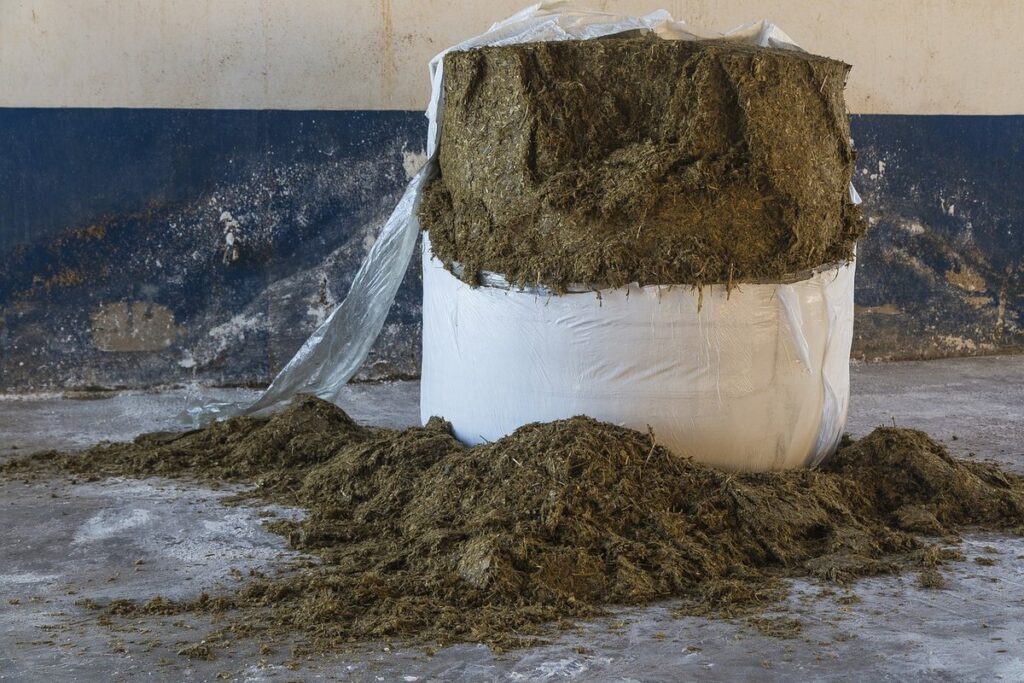
In terms of specific dietary requirements, highland cattle need a diet that is rich in protein and fiber but low in starch. They also require adequate amounts of calcium and phosphorus for optimal bone growth and development. When it comes to feeding them, it’s best to stick to traditional methods whenever possible. This may involve providing hay or silage as supplements during the winter months when grasses are scarce.
To give your highland cattle the best chance at a healthy life, consider implementing a rotational grazing system on your land. This will not only help to maintain the quality of your pastures but also ensure that your animals receive the nutrients they need to thrive. By mimicking their natural environment and providing them with access to diverse grasses, you can help to promote optimal health and well-being in your highland cattle.
Highland Cattle in Modern Times
As we’ve seen how Highland cattle thrived in their natural habitat, let’s explore their adaptation to modern farming practices and their growing popularity among ranchers.
Farming and Agriculture
In modern farming practices, highland cattle are increasingly being recognized for their unique value as a niche market product and as part of regenerative agriculture systems. Their hardiness and adaptability make them an attractive choice for farmers seeking to diversify their operations or adopt more sustainable methods.
One way highland cattle are being utilized is through the production of grass-fed beef, which has gained popularity in recent years due to its higher nutritional value and lower environmental impact compared to grain-fed alternatives. Highland cattle’s ability to thrive on poor-quality pasture makes them an ideal breed for regenerative agriculture systems, which focus on restoring soil health and biodiversity.
Regenerative farmers are also drawn to highland cattle’s role in maintaining ecosystem services such as carbon sequestration and habitat creation. By incorporating highland cattle into their operations, farmers can enhance the overall resilience of their farms while producing high-quality products that appeal to consumers seeking more sustainable options. This approach not only benefits the environment but also contributes to a more diverse and resilient food system.
Cultural Significance
In Scotland, highland cattle are deeply ingrained in the culture and heritage. They symbolize resilience and adaptability, reflecting the country’s history of harsh weather conditions and limited resources. As such, these gentle giants have been featured prominently in traditional events and festivals.
Highland cows often make appearances at Scottish Highland games and gatherings, where they’re admired for their strength and hardiness. The annual Braemar Gathering, a famous event showcasing Scottish culture, regularly features highland cattle displays. These animals are also sometimes used as mascots for local communities and townships.
Beyond these public events, highland cattle have inspired various forms of art and literature. They’ve been immortalized in traditional Scottish folk songs, with some artists depicting them in paintings and sculptures. The breed’s unique characteristics – from their shaggy coats to their impressive horns – have captivated people for generations.
Their cultural significance extends beyond aesthetics; highland cattle also represent a connection to Scotland’s rural past. As more people move away from the countryside, these animals serve as living reminders of the country’s agricultural heritage.
Care and Management
To keep your Highland cattle happy and healthy, regular care and management practices are essential for their well-being and longevity. This includes monitoring their diet and living conditions.
Housing and Shelter
Providing a suitable living environment is crucial for highland cattle. These large and gentle animals require spacious housing to accommodate their size and mobility needs. When it comes to shelter, natural shelters such as trees or rocky outcrops can be ideal, but they may not always provide the necessary protection from harsh weather conditions.
Artificial shelters are also a viable option. Consider using three-sided sheds or windbreaks that allow for airflow while shielding the animals from strong winds and precipitation. The roof should be pitched to ensure snow easily slides off, reducing the risk of collapse. A solid wall on the shelter’s north side can provide additional protection from prevailing winds.
When selecting a location for your highland cattle’s shelter, choose a spot with good drainage to prevent water accumulation and associated health issues. Ensure the area is well-ventilated to maintain air quality and reduce the risk of respiratory problems. Consider adding a feeding trough or manger that allows animals to eat comfortably without straining their necks.
Aim for at least 10 square meters (107 sq ft) of sheltered space per animal, considering both sleeping and standing areas. This will enable them to move freely without feeling crowded.
Handling and Training
Handling highland cattle requires patience, understanding, and a gentle approach. These animals are known for their calm nature, but they still need proper handling to build trust and ensure safe interaction. New owners should start by getting familiar with the cow’s individual personality and temperament. Observe how it responds to different environments and situations.
When approaching or handling highland cattle, move calmly and deliberately, avoiding sudden movements that might startle them. It’s essential to establish a routine for regular interactions, such as feeding, grooming, or veterinary check-ups. This helps the animals become comfortable with human presence and reduces stress during handling.
Some key tips for breeders and owners include:
- Moving slowly around the animal when entering its enclosure
- Speaking in a calm, gentle voice to reassure the cow
- Using clear body language, avoiding direct eye contact which can be perceived as aggressive
- Providing regular exercise and mental stimulation through rotational grazing or puzzle feeders
Remember that highland cattle are social animals and thrive on interaction. Consistent handling and training help build strong bonds between humans and these magnificent creatures.
Frequently Asked Questions
Can I raise highland cattle in areas with low humidity?
Yes, while highland cattle originated in Scotland’s harsh climate, they can adapt to other environments. However, their coat requires regular maintenance to prevent matting and tangling, especially in humid conditions.
How do I introduce a new calf to an existing herd of highland cattle?
Introducing a new calf requires patience and careful planning. Start by separating the calf from its mother and introducing it to the rest of the herd gradually, allowing them to become familiar with each other’s scents and sounds before a face-to-face meeting.
What if I only have a small plot of land for grazing – can highland cattle still thrive?
Highland cattle are known for their hardiness and ability to adapt to varying conditions. They can do well on smaller plots, but it’s essential to ensure they receive adequate space to roam and exercise, as they require regular movement to maintain their physical health.
Can I crossbreed my existing cattle with highland cattle to improve the overall breed?
Crossbreeding is a complex topic, and while it may seem like an attractive option for improving your existing herd, it’s essential to carefully consider the genetic implications. Highland cattle have unique characteristics that might not be compatible with other breeds, so consult with a reputable breeder or genetics expert before making any decisions.
What are some common mistakes new highland cattle owners make when it comes to their dietary needs?
New owners often underestimate the importance of providing adequate shelter and shade for their highland cattle. Ensure your animals have access to clean water, quality hay, and a well-managed grazing system to meet their nutritional requirements.