
Honey pasteurization has become a common practice in the beekeeping industry, but its effects on the quality and safety of honey are still debated. Some beekeepers argue that pasteurization is necessary to kill off bacteria and extend the shelf life of their product, while others claim it can damage the delicate nutrients and flavor profile of raw honey. You may be wondering whether your choice of honey is being subjected to this process, and what the benefits and drawbacks are. In this article, we’ll explore the pros and cons of honey pasteurization, from its benefits like improved safety and longer shelf life to its risks such as nutrient loss and potential harm to bee health. By the end of this article, you’ll have a better understanding of how pasteurization affects your honey, and be able to make informed decisions about what kind of honey to choose.
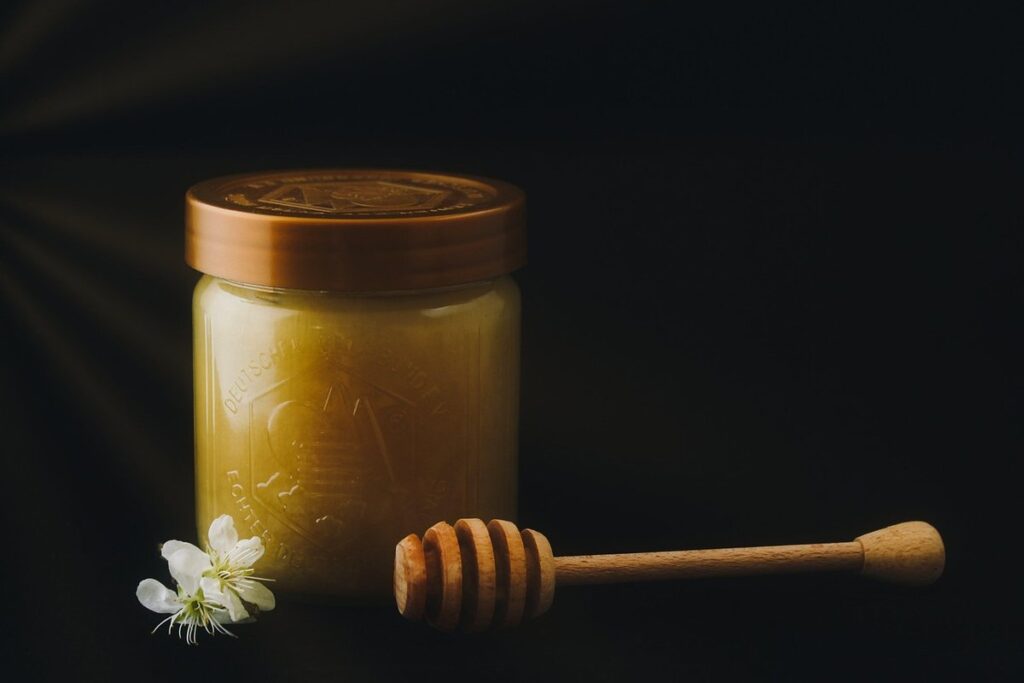
Understanding Honey Pasteurization
So, what exactly is honey pasteurization and why do some beekeepers choose to use it? We’ll break down the process and its implications in detail.
What is Honey Pasteurization?
Honey pasteurization is a process that aims to kill off bacteria, yeast, and other microorganisms present in honey. This is typically done through heat treatment, which involves heating the honey to a temperature of around 145°F (63°C) for a short period, usually about 30 minutes. The purpose of pasteurization is to ensure the safety and quality of the honey by preventing spoilage and contamination.
During the process, the honey is heated to kill off any pathogens that may be present. This helps to prevent the growth of bacteria, mold, or yeast, which can cause the honey to ferment or become contaminated. Pasteurization also helps to improve the texture and consistency of the honey by breaking down any existing crystals or sediment.
It’s worth noting that pasteurization does not affect the flavor or nutritional value of the honey. In fact, proper pasteurization can help preserve the natural enzymes and nutrients present in the honey, making it a healthier option for consumers. However, improper pasteurization methods can lead to nutrient loss and other issues.
History of Honey Pasteurization
Honey pasteurization began to gain widespread acceptance in the mid-20th century as commercial beekeeping operations grew. Beekeepers faced challenges from diseases like American Foulbrood, which could decimate entire colonies if left unchecked. To combat this threat, some beekeepers started experimenting with heat treatments to kill off bacteria and other pathogens.
By the 1960s, pasteurization had become a standard practice in many commercial beekeeping operations. The development of more efficient heat exchangers and temperature control systems made it possible for beekeepers to rapidly heat honey to high temperatures (typically around 145°F) for short periods, often just minutes. This process helped kill off bacteria without compromising the quality or nutritional value of the honey.
As the commercial beekeeping industry expanded, so did concerns about honey quality and safety. Pasteurization became a way for beekeepers to ensure their products met regulatory standards and consumer expectations. Today, most commercial honey producers pasteurize their honey before bottling and distribution.
Benefits of Honey Pasteurization
While some beekeepers and honey enthusiasts may be hesitant, pasteurizing honey can have several advantages for consumers. We’ll examine these benefits up close in the following section.
Extended Shelf Life
Honey pasteurization plays a crucial role in extending its shelf life by eliminating bacteria and other microorganisms that can cause spoilage. When honey is raw and unpasteurized, it often contains high levels of moisture, which creates an ideal environment for bacterial growth. As a result, raw honey may develop off-flavors, become granulated, or even ferment over time.
Pasteurization, however, kills off these unwanted microorganisms, thereby preventing spoilage and extending the shelf life of the honey. This is especially important for large-scale beekeepers who need to ensure their product remains stable during transportation and storage.
In general, pasteurized honey can be stored for up to two years without significant degradation, whereas raw honey typically lasts for around six months to a year. By controlling bacterial growth, pasteurization also reduces the risk of botulism and other foodborne illnesses associated with consuming contaminated honey. To further maximize shelf life, beekeepers should follow proper storage guidelines, keeping honey in a cool, dry place away from direct sunlight.
Improved Safety
Pasteurization plays a crucial role in reducing the risk of botulism in honey. This potentially deadly illness is caused by Clostridium botulinum spores that can be present in raw honey. These spores, which are naturally occurring in soil and bees’ digestive systems, can multiply if the honey’s acidity drops below a certain level or if it’s contaminated during processing.
If left unchecked, these spores can produce toxins that can cause botulism symptoms, including muscle weakness, shortness of breath, and even paralysis. While the risk is low, pasteurization helps eliminate this threat by killing off any existing bacteria and preventing new ones from growing. In fact, studies have shown that honey pasteurized at temperatures above 140°F (60°C) for a few minutes can kill up to 99% of Clostridium botulinum spores.
To put this into perspective, consider the case of a beekeeper who left a batch of raw honey on the shelf for several months. Several people reported getting ill after consuming it, and upon investigation, the honey was found to contain high levels of botulism toxin. This incident highlights the importance of proper pasteurization in ensuring honey safety.
Risks and Drawbacks of Honey Pasteurization
While pasteurizing honey can be a necessary step, it’s essential to consider the potential drawbacks that could affect its quality and nutritional value.
Some common risks associated with heat-treated honey include a loss of beneficial enzymes and antioxidants.
Nutrient Loss
Pasteurizing honey can lead to a significant loss of beneficial nutrients and enzymes. Water-soluble vitamins like vitamin C and B vitamins are particularly susceptible to degradation during heat treatment. These vitamins play crucial roles in maintaining the body’s immune system, energy production, and other vital functions.
Enzymes responsible for breaking down complex molecules into more easily absorbed compounds also may be inactivated or destroyed during pasteurization. Diastase, an enzyme that catalyzes the breakdown of starches in honey, is a notable example. When diastase is lost, honey’s natural sweetness and nutritional value are compromised.
The extent of nutrient loss varies depending on factors such as temperature, time, and method used for pasteurization. Generally speaking, higher temperatures and longer treatment times result in greater losses. For instance, ultra-high temperature (UHT) pasteurization methods often involve exposure to temperatures above 161°F (72°C), which can lead to a more significant degradation of nutrients compared to lower-temperature HTST methods.
To minimize nutrient loss during honey pasteurization, producers should carefully monitor temperature and time parameters, using optimal settings that balance safety with preservation of natural compounds.
Impact on Bee Health
Heat treatment can be stressful for bees, especially if it’s not done carefully. Bees have a natural temperature regulation system to maintain their hive at around 92°F (33°C). When honey is pasteurized, the heat can disrupt this delicate balance, causing stress and potentially leading to long-term consequences for bee colonies.
Excessive heat treatment has been linked to increased mortality rates among bees, as well as reduced colony growth. This is because high temperatures can damage their immune systems, making them more susceptible to diseases and parasites.
A study on the effects of pasteurization on honeybees found that even a 2°C (3.6°F) increase in temperature during processing can have significant negative impacts on bee health. This suggests that careful monitoring of temperature is crucial when pasteurizing honey to minimize potential harm to bees.
To mitigate these risks, it’s essential for beekeepers and manufacturers to carefully calibrate their equipment and follow established guidelines for heat treatment. Regular checks on the hive’s temperature and humidity levels can also help prevent over-heating, which may put additional pressure on the colony.
Effectiveness of Different Pasteurization Methods
Let’s take a closer look at how different pasteurization methods compare, from heat treatment to ultrafiltration, and their varying effects on honey quality.
High-Temperature Short-Time (HTST) Method
The HTST method involves heating honey to a high temperature for a short period, typically between 161°F (72°C) and 180°F (82°C), followed by rapid cooling. This process is effective in killing off pathogenic bacteria like Clostridium botulinum and Escherichia coli that can contaminate honey. By controlling the temperature and time parameters, manufacturers can minimize nutrient loss and preserve the natural enzymes and antioxidants present in raw honey.
A study published by the National Honey Board found that HTST pasteurization reduced the bacterial load in honey by 99% without significant loss of nutrients. However, some research suggests that prolonged exposure to high temperatures can damage the delicate flavor compounds and aromas in honey. To mitigate this risk, manufacturers should aim for a temperature of around 165°F (74°C) and a treatment time of no more than 30 seconds.
When implementing HTST pasteurization, it’s essential to monitor temperature and time closely to ensure that the process is carried out efficiently and safely. This may involve investing in high-quality equipment and training staff on proper operation procedures. By striking the right balance between bacterial kill-off and nutrient preservation, honey manufacturers can produce safe, high-quality products while minimizing waste and environmental impact.
Ultra-High Temperature (UHT) Method
Compared to other pasteurization methods, Ultra-High Temperature (UHT) is notably efficient. This method involves heating honey to extremely high temperatures – typically between 135°C and 150°C (275°F to 302°F) for a short period of time, usually a few seconds. UHT is often preferred by commercial producers due to its ability to kill off bacteria and other pathogens quickly.
However, some concerns arise with the use of such extreme heat. One potential drawback is that UHT can lead to an increased risk of oxidation, which may affect the flavor and aroma of the honey. Additionally, some critics argue that the high temperatures used in UHT methods can damage the natural enzymes present in raw honey, potentially reducing its nutritional value.
In practice, UHT can be a viable option for producers who prioritize efficiency and want to minimize their equipment costs. However, it’s essential to carefully monitor temperature and time to avoid overheating, which could compromise the quality of the final product.
Best Practices for Honey Pasteurization
When it comes to safely producing and consuming high-quality honey, proper pasteurization techniques are crucial. Here, we’ll cover essential best practices to ensure your honey is safe and delicious.
Choosing the Right Equipment
When choosing the right equipment for pasteurizing honey, consider factors such as heat transfer efficiency, temperature control accuracy, and ease of maintenance. A well-designed pasteurization unit should be able to maintain a consistent temperature throughout the process, which is critical for achieving optimal results.
For small-scale operations, a stainless steel tank with a built-in heating element may be sufficient. However, larger producers may require more advanced equipment, such as a plate heat exchanger or a high-temperature short-time (HTST) pasteurizer. When selecting a pasteurization unit, look for one that is specifically designed for honey and has a good track record of reliability.
Some key features to consider when evaluating pasteurization equipment include:
- Temperature control accuracy: Look for units with digital temperature controls and precise temperature monitoring.
- Heat transfer efficiency: Choose units with efficient heat transfer systems, such as plate heat exchangers or tubular heaters.
- Ease of maintenance: Opt for units with easy-to-clean designs and minimal components to reduce downtime.
Monitoring Temperature and Time
To ensure honey pasteurization is effective while preserving nutrients, it’s essential to closely monitor temperature and time parameters. This involves maintaining a consistent temperature between 161°F (72°C) and 180°F (82°C), as excessive heat can destroy beneficial compounds.
During the process, a thermometer should be inserted into the honey stream at regular intervals to prevent overheating. A temperature controller or regulator can help maintain a stable temperature, minimizing fluctuations that might affect the quality of the final product.
A timer is also crucial for monitoring time parameters. The pasteurization process typically lasts between 2-30 seconds, depending on the equipment and desired outcome. For example, high-temperature short-time (HTST) methods often involve holding the honey at a precise temperature for a short period, while ultra-high temperature (UHT) methods may involve brief exposure to extremely high temperatures.
To further optimize monitoring, some commercial pasteurization facilities use flow meters or sensors that detect changes in viscosity or conductivity. These devices can alert operators to potential issues before they affect the final product. By balancing temperature and time parameters, honey producers can achieve optimal pasteurization results while minimizing nutrient loss.
The Future of Honey Pasteurization
As we move forward with honey production, it’s essential to consider how pasteurization techniques will evolve and improve over time. New methods and technologies are emerging that promise better results for beekeepers and consumers alike.
Emerging Trends and Technologies
Researchers are exploring new technologies to optimize the pasteurization process, improve its efficiency, and minimize nutrient loss. One area of interest is the use of cold pasteurization methods, which involve heating honey to a lower temperature for a longer period. This approach can help preserve more of the natural enzymes and nutrients found in raw honey.
Another trend gaining traction is the integration of artificial intelligence (AI) and machine learning algorithms in beekeeping operations. These technologies can help monitor hive health, predict disease outbreaks, and optimize harvesting schedules. By collecting data on honey quality, moisture content, and other factors, beekeepers can refine their pasteurization processes to ensure consistent results.
The increasing focus on sustainability is also driving innovation in honey pasteurization. Some companies are developing biodegradable packaging materials that can be used for pasteurized honey, reducing waste and minimizing environmental impact. Additionally, there’s a growing interest in using solar power or renewable energy sources to heat the pasteurization equipment, further reducing carbon emissions.
Some of the emerging technologies being explored include:
- Cold pasteurization methods with lower temperature ranges (e.g., 140°F – 150°F)
- AI-powered monitoring systems for hive health and honey quality
- Biodegradable packaging materials made from plant-based bioplastics or mushroom-based materials
- Solar-powered or renewable energy-based heating systems
These trends and technologies have the potential to shape the future of honey pasteurization, making it more efficient, sustainable, and effective in preserving the nutritional value of raw honey. As beekeepers and honey producers adapt to these innovations, they’ll need to balance the benefits of new technologies with the unique challenges and considerations of their operations.
Frequently Asked Questions
How Long Does It Take to Notice Nutrient Loss in Pasteurized Honey?
Yes, it can take several months or even years to notice significant nutrient loss in pasteurized honey due to the gradual degradation of heat-sensitive compounds. However, this timeframe may vary depending on storage conditions and handling practices.
Can I Use Any Equipment for Pasteurization, or Are There Specific Requirements?
No, not all equipment is suitable for pasteurization. When choosing equipment, look for units specifically designed for pasteurizing honey, such as those with precise temperature controls and validated sterilization cycles to ensure optimal results.
What If I Notice an Off-Smell or Taste After Pasteurization?
If you notice an off-smell or taste after pasteurization, it may indicate that the process was not conducted correctly. Check your equipment, temperature, and time parameters to ensure they align with recommended best practices for optimal results.
Can I Use Pasteurized Honey in Baking and Cooking, or Is It Only Suitable for Raw Consumption?
Yes, pasteurized honey can be used in baking and cooking without compromising its quality or nutritional value. In fact, it’s often preferred over raw honey due to its reduced risk of botulism and extended shelf life.
How Can I Ensure Consistency in Pasteurization Across Multiple Batches?
To ensure consistency across multiple batches, maintain accurate records of temperature, time, and equipment settings for each batch. Regularly calibrate your pasteurization equipment to guarantee precise control over the process and minimize potential variations.
