
Growing lemon balm from seed can be a challenging but rewarding process, especially if you’re looking for a cost-effective way to obtain this versatile herb. Many gardeners rely on purchasing established plants or cuttings from nurseries, but cultivating it from scratch offers a sense of accomplishment and the satisfaction of nurturing a plant from its earliest stages. With proper care and attention, lemon balm can thrive in your garden, providing a bounty of fresh leaves for tea, cooking, and medicinal uses.
To grow lemon balm successfully from seed, you need to choose high-quality seeds, sow them at the right time, and provide optimal growing conditions. This comprehensive guide will walk you through each step of the process, covering everything from selecting healthy seeds to caring for your young plants until they’re ready for harvest. By following these simple tips, you’ll be able to grow strong, resilient lemon balm that brings a burst of citrusy flavor to your favorite dishes and remedies.
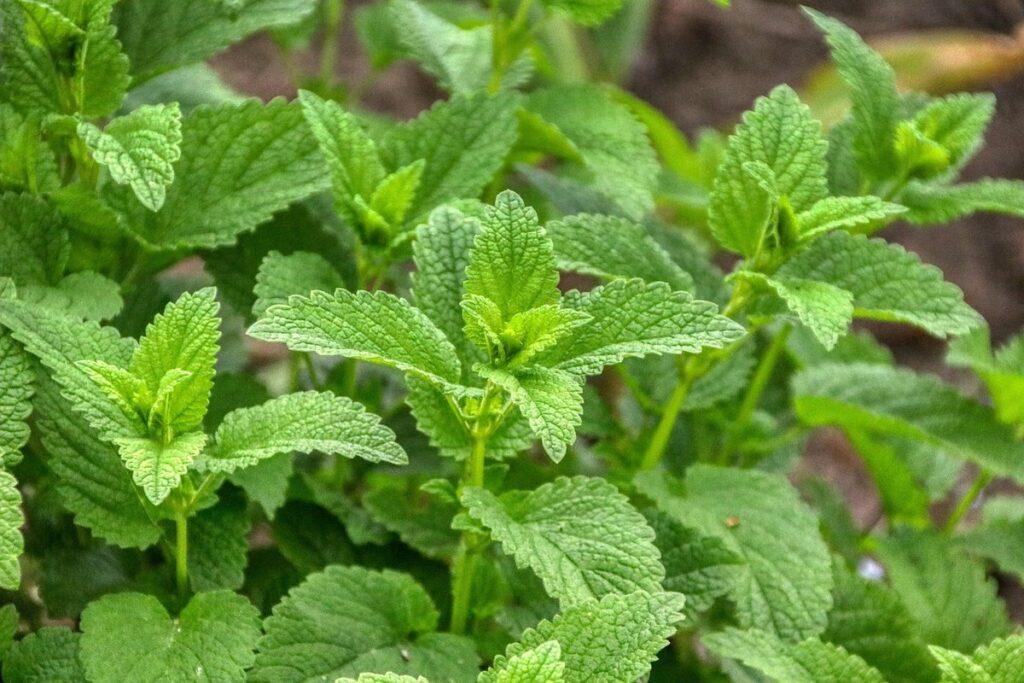
Choosing Healthy Seeds and Starting Materials
To grow lemon balm successfully, you’ll want to start by selecting high-quality seeds and fresh starting materials that will give your plants a healthy foundation. Look for seeds that are specifically labeled as “lemon balm” or “Melissa officinalis”.
Selecting High-Quality Lemon Balm Seeds
When it comes to growing healthy and robust lemon balm plants from seed, selecting high-quality seeds is crucial. Start by sourcing seeds from a reputable supplier, such as a well-known nursery or a seed bank that specializes in herbs. This ensures the seeds have been properly stored and handled, which can affect their viability.
Look for seeds that are fresh – typically within 12 to 18 months of harvest – as older seeds may have lower germination rates. Check the packaging or consult with the supplier to determine the seed’s age. Also, consider the storage conditions: seeds exposed to extreme temperatures, humidity, or light can become damaged or develop off-flavors.
To identify high-quality seeds, inspect them for any visible signs of damage or mold. Seeds should be plump and firm, with a smooth surface. Avoid seeds that are shriveled, cracked, or discolored. When in doubt, it’s better to err on the side of caution and choose a different batch of seeds. By selecting high-quality seeds from a reputable source, you’ll set your lemon balm plants up for success and ensure a healthy start to their growth.
Preparing the Soil and Containers
Lemon balm prefers well-draining soil with a slightly acidic to neutral pH range of 6.0-7.0. Avoid using garden soil directly from your yard, as it may contain weed seeds or diseases that can harm lemon balm. Instead, mix in a balanced potting soil specifically designed for herbs.
When preparing containers, choose ones that are at least 6-8 inches deep to accommodate the plant’s taproot. Use a container with good drainage holes to prevent waterlogged soil. You can also opt for biodegradable pots made from materials like coconut coir or bamboo.
For indoor seed starting, use a high-quality potting mix specifically designed for seedlings. This will help promote healthy root growth and reduce the risk of overwatering. If you’re using a seed starting tray, make sure it has built-in water reservoirs to maintain even moisture levels.
When selecting a container or starting mix, look for products labeled as “sterile” or “pathogen-free.” These are designed to minimize the risk of fungal diseases that can affect lemon balm.
Sowing Seeds Indoors and Outdoors
Whether you’re starting from scratch or transplanting seedlings, we’ll walk through the process of sowing lemon balm seeds indoors and outdoors for a healthy harvest. Both methods have their advantages, so let’s get started!
Indoor Seed Starting: Benefits and Best Practices
Starting seeds indoors offers several benefits when growing lemon balm. One of the most significant advantages is earlier germination. By sowing seeds indoors 4-6 weeks before the last frost, you can get a head start on the growing season. This allows for a longer harvest period and more opportunities to enjoy fresh lemon balm throughout the summer.
To sow seeds indoors, fill seed trays or small pots with a well-draining potting mix. Plant the seeds about 1/4 inch deep and 1-2 inches apart. Keep the soil consistently moist but not waterlogged. Most commercial seed starting mixes have a balanced pH, but if using regular potting mix, add a pinch of lime to raise the pH to around 6.5.
The indoor environment can also help reduce transplant shock. Young seedlings are more resilient when moved from their small pots into larger containers or directly into the garden. Avoid exposing them to direct sunlight and extreme temperatures, which can cause stress. Use grow lights if necessary to provide supplemental light for seedlings that need it.
Outdoor Seed Sowing: Timing and Techniques
When sowing lemon balm seeds directly into outdoor soil, timing is crucial. In temperate climates with mild winters, you can sow seeds as soon as the soil can be worked in early spring, typically 4-6 weeks before the last frost date. This allows for a head start on indoor-sown seedlings and reduces the risk of transplant shock.
In areas with hot summers or intense sunlight, it’s better to sow seeds in late spring or early summer, when temperatures are cooler. Avoid sowing during extreme weather conditions, such as intense heatwaves or prolonged droughts. In regions with cold winters, it’s best to wait until late spring or early summer, after the last frost.
To ensure success, select a location with full sun to partial shade and well-draining soil rich in organic matter. Lemon balm prefers slightly acidic to neutral soil pH (around 6.0-7.0). Sow seeds about 1/8 inch deep and 12-18 inches apart, as they have a low germination rate and can be prone to overcrowding.
When direct sowing, make sure the soil is moist but not waterlogged, as this can lead to seed rot and poor establishment. Keep the area consistently moist during the first few weeks after sowing, gradually reducing watering as the plants mature.
Providing Optimal Growing Conditions
To grow healthy and robust lemon balm plants, it’s essential to provide them with optimal growing conditions. This includes factors such as light, temperature, and soil quality.
Light Requirements for Healthy Growth
Lemon balm requires bright, indirect light to thrive. Direct sunlight can be too intense for young plants and may cause scorching of the leaves. Aim for a spot with partial shade, especially during the hottest part of the day. If growing indoors, place the seedlings 2-3 feet away from a south-facing window or use grow lights.
When choosing a location outdoors, select an area that receives morning sunlight and dappled afternoon shade. Lemon balm can tolerate full sun in cooler climates, but be cautious not to expose it to intense midday sun during hot summer months.
To ensure adequate light levels indoors, consider the following:
- Use LED grow lights with a spectrum suitable for herbs (around 18-24 inches above the seedlings)
- Rotate plants regularly to maintain even light distribution
- Avoid placing plants near heating vents or radiators, as this can cause uneven temperature fluctuations
Monitor your lemon balm’s response to light by observing its growth and adjusting the lighting accordingly. If you notice yellowing leaves or stunted growth, it may be a sign that the plant is not receiving sufficient light. Adjust the placement of the plants or supplement with grow lights as needed.
Watering and Humidity Needs
Lemon balm requires consistent moisture levels to thrive. Overwatering can lead to root rot and other problems, while underwatering may cause leaves to become scorched. To maintain optimal watering conditions, check the soil daily by sticking your finger into it up to the first knuckle. If the soil feels dry at this point, it’s time to water.
The ideal humidity level for lemon balm is between 40% and 60%. You can achieve this by placing pots on a tray filled with water and pebbles or using a humidifier nearby. Another option is to group plants together, as they’ll create a microclimate that retains moisture. Some gardeners also cover their pots with clear plastic bags to maintain humidity, but be cautious not to overdo it – too much moisture can lead to fungal diseases.
A few things to keep in mind: avoid getting water on the leaves themselves, as this can cause fungal infections. Also, make sure the pot has good drainage holes to prevent waterlogged soil. By striking a balance between moisture and air circulation, you’ll create an environment that supports healthy growth and development in your lemon balm plants.
Transplanting and Caring for Young Plants
Once you’ve successfully germinated your lemon balm seeds, it’s time to transplant them into individual pots and provide the right care for optimal growth. This is a crucial step in ensuring their health and development.
Transplant Shock: Prevention and Recovery Tips
Transplant shock can be a significant setback for young lemon balm seedlings. This condition occurs when a plant is transferred to a new environment with different conditions, such as more intense sunlight, drier air, or altered soil chemistry. In the case of lemon balm, transplant shock often arises from the transition from indoor conditions to outdoor exposure.
Common causes of transplant shock in lemon balm seedlings include sudden changes in temperature, over-exposure to direct sunlight, and inadequate root development. To prevent or mitigate this issue, it’s essential to harden off your seedlings before transferring them outdoors. Start by moving them to a shaded area for 1-2 weeks, gradually increasing their exposure to sunlight.
When transplanting lemon balm seedlings outdoors, choose a location with filtered shade and consistent moisture levels. Water the plants thoroughly after transfer and avoid overwatering in subsequent days. Keep an eye out for signs of stress such as yellowing leaves or wilting stems. If you notice these symptoms, adjust your watering schedule accordingly.
Establishing a Successful Growth Habit
Establishing a healthy growth habit is crucial for young lemon balm plants to thrive. Pruning is essential for promoting bushy growth and preventing legginess. Remove the top set of leaves when transplanting to encourage branching, and trim back the tips of stems every few weeks to maintain shape.
Training can also help guide the plant’s growth. Provide a trellis or stake for support, especially if your lemon balm is growing upright. You can gently twine the stems around the structure to keep them upright and promote even growth.
Mulching helps retain moisture, suppress weeds, and regulate soil temperature. Use a thin layer of organic mulch like straw or bark chips around the base of the plants, keeping it a few inches away from the stem to prevent rot. Keep the mulch consistently moist but not waterlogged, as this can lead to root rot.
To maintain optimal growth, monitor your plant’s response to these practices and adjust accordingly. For example, if you notice your lemon balm becoming too leggy, prune more frequently or provide additional support. By establishing a healthy growth habit through pruning, training, and mulching, you’ll be well on your way to growing robust and vigorous lemon balm plants.
Pests, Diseases, and Common Issues
Growing lemon balm can be challenging due to pests, diseases, and common issues that can affect your plants. We’ll address these problems in detail, giving you expert advice on how to prevent and treat them.
Identifying and Managing Common Pests
When growing lemon balm from seed, you may encounter common pests that can damage your plants. Two of the most prevalent issues are aphids and whiteflies. These tiny insects feed on sap, weakening the plant and stunting its growth. Aphids typically appear as small, soft-bodied insects with a waxy coating, often clustered on stems or leaves. Whiteflies, on the other hand, resemble tiny moths flying around your plants.
To manage these pests, use integrated pest management (IPM) strategies that combine physical barriers, cultural controls, and organic chemicals. Start by inspecting your plants regularly for signs of infestation. Use fine mesh or fine-netted row covers to prevent aphids and whiteflies from reaching your lemon balm. For existing infestations, spray soapy water or neem oil directly on the affected areas.
For severe cases, consider introducing beneficial insects like ladybugs or lacewings that prey on these pests. Keep in mind that overusing chemical pesticides can harm beneficial insects and create a cycle of dependence on chemicals. By adopting a holistic approach to pest management, you’ll minimize damage to your lemon balm plants while preserving the health of the ecosystem surrounding them.
Recognizing and Treating Fungal and Bacterial Diseases
Lemon balm is susceptible to several fungal and bacterial diseases that can damage its leaves and impact growth. One common issue is powdery mildew, which appears as a white or grayish coating on the leaves’ surface. This condition often results from overwatering or poor air circulation. To treat powdery mildew, you can use a fungicide specifically designed for herbs.
Another prevalent disease is leaf spot, caused by various bacterial and fungal pathogens. It manifests as small, dark spots on the leaves that may eventually merge to form larger lesions. Leaf spot typically occurs when lemon balm is watered with contaminated water or exposed to excessive moisture. To prevent this issue, ensure good air circulation around your plants and avoid getting water on the leaves.
To manage leaf spot and powdery mildew effectively, maintain a consistent watering schedule and remove any infected leaves to prevent the disease from spreading. Regularly inspecting your plants for signs of these diseases will allow you to address them promptly. Fungal diseases are often more severe when temperatures are high, so consider providing shade for your lemon balm during hot periods.
Some common fungal pathogens that affect lemon balm include Alternaria and Cercospora species. Bacterial leaf spot is typically caused by Pseudomonas syringae.
Harvesting and Preserving Lemon Balm
Now that you have a healthy lemon balm plant, it’s time to harvest its fragrant leaves and learn how to preserve them for future use in teas, salads, and more. We’ll walk you through the best methods to dry, freeze, and store your bounty.
Timing and Techniques for Optimal Harvest
Harvest lemon balm leaves when they are at their peak flavor and fragrance. This typically occurs when the plant is around 6-8 inches tall, usually about 60 to 90 days after sowing seeds indoors or 120 to 150 days after direct outdoor sowing. Harvest individual leaves as needed, or snip off stems with a few sets of leaves for more substantial quantities.
For optimal flavor, harvest lemon balm in the morning, after the dew has dried but before the heat of the day. Avoid harvesting during peak sun hours when the plant is stressed and its oils may be less concentrated.
When harvesting flowers, wait until they are fully open and in their prime. This usually occurs around mid-summer, depending on the climate and specific variety. Pinch or cut off individual flower spikes to encourage continued blooming and prevent seed production.
Consider using scissors with a sharp blade to minimize damage to the plant’s delicate leaves and stems. Avoid tearing or bruising the leaves, as this can lead to spoilage and affect the herb’s overall quality.
Drying, Freezing, and Storing Lemon Balm
To preserve lemon balm for long-term use, it’s essential to dry, freeze, or store it properly. Drying is a popular method as it allows for easy storage and retains the herb’s flavor and aroma. You can air-dry lemon balm by tying small bunches with twine and hanging them upside down in a warm, dry, dark place. This method takes around 1-2 weeks, depending on the humidity.
For faster drying, use a food dehydrator set to 95°F (35°C) for 1-3 hours. Another option is to use a desiccant like silica gel or uncooked rice in an airtight container with the lemon balm. Freezing is also effective; simply chop the herb and place it in an airtight container or freezer bag, making sure to remove as much air as possible before sealing.
When storing dried or frozen lemon balm, keep it away from direct sunlight, moisture, and heat sources. A cool, dark cupboard or the refrigerator works well for short-term storage. For long-term preservation, consider freezing the herb in airtight containers or freezer bags.
Frequently Asked Questions
Can I Grow Lemon Balm in Containers Year-Round?
Yes, lemon balm can thrive in containers indoors year-round if provided with sufficient light (at least 4-6 hours of direct sunlight) and maintained at optimal temperature ranges (around 65-75°F). However, this will require more frequent watering and fertilization.
What If My Seedlings Develop Powdery Mildew Despite Proper Care?
Powdery mildew is a common issue for lemon balm. To address it, remove infected leaves, increase air circulation around plants, and treat with a fungicide specifically designed to combat powdery mildew. Ensure good sanitation practices and avoid overwatering.
How Often Should I Prune Lemon Balm Stems to Encourage Healthy Growth?
For optimal growth, prune lemon balm stems every 2-3 weeks by cutting back the top growth to about one-third of its length. This will encourage bushy growth, prevent flowering, and promote root development. Monitor plant height regularly and adjust pruning frequency as needed.
Can I Directly Sow Lemon Balm Seeds in My Garden Bed Without Starting Them Indoors?
Yes, lemon balm seeds can be directly sown into garden beds when the soil temperature reaches around 60-65°F (late spring or early summer). However, success rates may vary depending on your specific climate and region. Be prepared to provide adequate care, including regular watering and fertilization.
Is It Possible to Propagate Lemon Balm Through Stem Cuttings?
Yes, lemon balm can be propagated through stem cuttings taken from mature plants during the growing season (summer or early fall). Remove lower leaves, dip the cutting in rooting hormone, and plant it in a well-draining potting mix. Keep the soil consistently moist until roots develop.
