
Lemon balm is one of those garden gems that can be finicky to grow, but with the right conditions, it’ll reward you with an abundance of fragrant leaves and vibrant flowers. If you’re struggling to coax this lovely herb into thriving in your garden, you’re not alone – many gardeners face challenges when trying to maximize its yield and flavor. The truth is, lemon balm needs specific growing conditions to reach its full potential, from the right climate and soil type to proper watering and care. In this article, we’ll explore the optimal growing conditions for lemon balm, covering everything you need to know about climate, soil, and watering requirements. By the time you finish reading, you’ll be equipped with the knowledge to grow a healthy, thriving lemon balm crop that will add a burst of citrusy flavor to your cooking and herbal remedies.
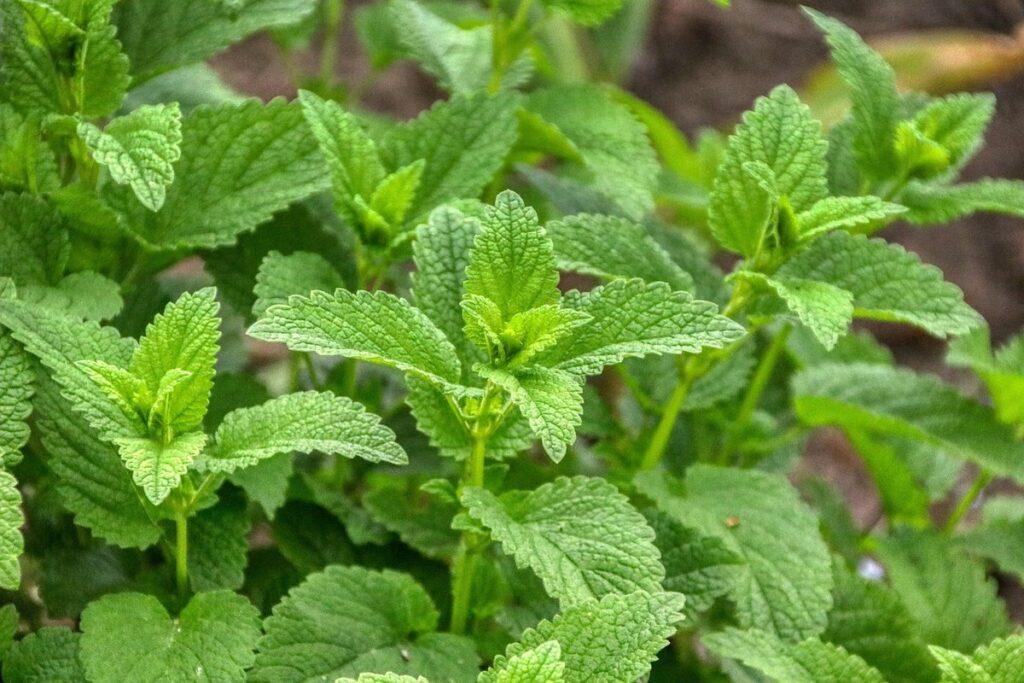
Understanding Lemon Balm Basics
Lemon balm is a versatile herb that requires some specific care, and understanding its basic needs will help you create an ideal growing environment. We’ll start by covering the fundamental requirements for lemon balm to thrive.
Native Habitat and Climate Requirements
Lemon balm is a hardy perennial herb native to Europe and Central Asia, thriving in temperate climates with mild winters. It typically grows well within USDA Hardiness Zones 4-8, where temperatures range from -30°F to 90°F (-34°C to 32°C). In ideal conditions, lemon balm prefers full sun to partial shade, receiving at least 4 hours of direct sunlight daily.
Temperature plays a crucial role in lemon balm’s growth. It tolerates light frosts but suffers damage above 85°F (29°C). During the hottest summer months, it may require some afternoon shade to prevent scorching. Humidity levels also impact its development; while it can adapt to varying humidity, consistent moisture promotes healthy growth.
In regions with high temperatures and low humidity, lemon balm’s leaves may become scorched or develop brown edges. Conversely, in cooler climates with adequate moisture, the plant may become leggy and less fragrant. To optimize growth, ensure your lemon balm receives at least 6 hours of direct sunlight, maintains a consistent temperature range between 60°F to 80°F (15°C to 27°C), and enjoys moderate humidity levels. By understanding these climate requirements, you can create an ideal environment for your lemon balm plants to thrive.
Soil Preferences and pH Levels
Lemon balm grows best in well-draining soil with a slightly acidic to neutral pH. A pH range of 6.0 to 7.0 is considered optimal for maximum yield, but lemon balm can tolerate a wider pH range than many other herbs. Soil that’s too alkaline or acidic can lead to reduced growth and flavor.
Well-draining soil is essential because lemon balm doesn’t thrive in waterlogged conditions. In heavy clay soils, the roots may rot due to excess moisture, while in sandy soils, water evaporates quickly, causing stress to the plant. A mix of compost and perlite or vermiculite can help improve drainage and structure.
Avoid using garden soil that’s high in sand, as it compacts easily and prevents root growth. Instead, opt for a loamy mix with added organic matter. pH levels below 6.0 can lead to nutrient deficiencies, while those above 7.5 may cause the plant to become leggy or produce less essential oils.
To check your soil’s pH level, use a DIY kit or send a sample to a lab for analysis. Based on the results, you may need to adjust the pH by adding elemental sulfur (to lower it) or dolomitic limestone (to raise it).
Planting Lemon Balm: Choosing the Right Location
When planting lemon balm, it’s essential to choose a location that provides the right balance of sunlight and shade. Select a spot that receives partial afternoon sun to promote healthy growth.
Selecting a Sunny Spot
When selecting a spot to plant lemon balm, direct sunlight is essential. Aim for at least 4-6 hours of direct sunlight per day, but ideally more if possible. Consider the time of year and how the sun’s path changes; south-facing spots tend to receive more consistent sunlight than north-facing areas.
Look for areas with minimal shade from nearby structures or trees. Even partial shade can reduce lemon balm growth by up to 50%. If you have no choice but to plant in a partially shaded area, consider pruning your lemon balm regularly to maintain its shape and promote healthy growth.
When evaluating a potential spot, observe the sunlight patterns at different times of day. You may notice that a particular area receives direct sunlight in the morning but is shaded by a nearby building or tree in the afternoon. Take note of these patterns and choose a spot that receives consistent sunlight throughout the day.
It’s also worth considering the surrounding environment. Lemon balm prefers well-ventilated areas, so avoid planting near dense foliage or structures that can trap moisture. By carefully selecting a sunny spot with adequate ventilation, you’ll be well on your way to growing healthy and thriving lemon balm.
Soil Preparation and pH Adjustment
Lemon balm thrives in well-draining soil with a slightly acidic pH, ranging from 6.0 to 7.0. To determine your soil’s pH level, you can purchase a DIY testing kit or send a sample to a laboratory for analysis. Based on the results, you may need to adjust the pH to create an optimal environment.
For most gardeners, this means adding lime to increase the pH or sulfur to decrease it. However, be cautious not to overdo it – sudden changes can shock the plant’s roots and hinder growth. Instead, aim for gradual adjustments over several weeks or months.
Composting is another essential step in preparing the soil for lemon balm cultivation. Mix a 2-inch layer of compost into the top 6-8 inches of soil to provide beneficial microorganisms and nutrients. Mulching with organic materials like straw or wood chips can also help retain moisture, suppress weeds, and regulate soil temperature.
Consider incorporating a mix of 1 part composted manure, 1 part peat moss, and 2 parts perlite into your lemon balm bed for optimal drainage and fertility. This blend will create a well-balanced environment that promotes healthy growth and maximum yield.
Watering Lemon Balm: Avoiding Overwatering
When it comes to watering lemon balm, striking a balance is crucial – overwatering can be detrimental to your plant’s health. Learn how to water wisely for optimal growth and yield.
Understanding Lemon Balm’s Water Requirements
Lemon balm’s water requirements are often misunderstood, leading to overwatering and stunted growth. To determine the optimal moisture levels for your lemon balm, observe its natural habitat: it thrives in areas with well-draining soil and full sun to partial shade.
In ideal conditions, the top 1-2 inches of soil should be dry to the touch before watering again. Check this by sticking your finger into the soil up to the first knuckle. If the soil feels dry, it’s time for a drink. However, if you notice that the leaves are wilted or yellowing, the plant may need more frequent watering.
On the other hand, overwatering can cause lemon balm to rot and develop fungal diseases. Look out for signs like soft stems, black spots on leaves, or a strong musty odor. If you’re unsure about your soil’s moisture levels, try checking the drainage: if water pools around the base of the plant or takes more than an hour to drain, it may be too wet.
In general, lemon balm requires less water than other herbs, as its compact growth habit and small leaves mean it uses fewer resources. Aim for about 1-2 inches of water per week, either from rainfall or irrigation systems.
Tips for Effective Irrigation Systems
Lemon balm’s delicate nature makes it particularly sensitive to overwatering. To combat this issue, implementing an effective irrigation system is crucial. Drip irrigation systems are a great option for lemon balm as they deliver water directly to the roots, minimizing evaporation and runoff.
Rainwater harvesting is another method worth considering. Collecting rainwater from your roof or other surfaces can provide a free and sustainable source of water for your plants. It’s also essential to use a first flush device, which allows the initial flow of water to be diverted before it reaches the storage tank, ensuring that debris and contaminants are removed.
When installing an irrigation system, consider the following factors:
• Slope: Ensure the slope of the land allows excess water to drain away from the plant.
• Water pressure: Use a regulator to control water pressure and prevent damage to the irrigation system.
• Frequency: Adjust the frequency of watering based on weather conditions and soil moisture.
By implementing these efficient irrigation techniques, you can provide your lemon balm with the right amount of water while preventing overwatering. This will help promote healthy growth, prevent root rot, and ultimately lead to a more productive harvest.
Fertilizing Lemon Balm: Boosting Growth and Flavor
To get the most out of your lemon balm, you’ll want to give it a nutrient-rich boost through fertilization, which will enhance its growth and flavor significantly.
Nutrient-Rich Soil Amendments
Compost tea and manure are two of the most effective nutrient-rich soil amendments you can use to promote healthy growth in lemon balm. Compost tea is a liquid solution made by steeping compost in water, which infuses the liquid with beneficial microbes that help to stimulate plant growth. To make compost tea, add 1-2 cups of compost to a bucket of water and let it steep for 24 hours. Strain the mixture before applying it to your lemon balm plants as a foliar spray.
Manure is another excellent natural fertilizer that adds essential nutrients to the soil. Chicken or cow manure can be used, but make sure to pasteurize it first by heating it in the sun or using a heat gun to kill off any pathogens. Mix 1-2 inches of manure into the top 6-8 inches of soil before planting your lemon balm.
You can also use fish emulsion and worm casting as alternative nutrient-rich amendments. Fish emulsion is made from fish waste and provides a concentrated dose of nitrogen, phosphorus, and potassium. Worm casting, or vermicompost, is created by worms breaking down food waste into a nutrient-dense compost. Both of these amendments can be added to the soil at planting time or used as a side dressing throughout the growing season.
Timing Fertilizer Applications for Optimal Results
When fertilizing lemon balm, it’s essential to consider its growth phases and nutrient requirements. During the first growing season, focus on providing nitrogen-rich fertilizers every 4-6 weeks. This will promote leafy growth and establishment of a robust root system.
As the plant enters its fruiting phase, typically around mid-summer, adjust your fertilizer applications to include more potassium-based products. These will help support flower and foliage development while also boosting resistance to pests and diseases.
In areas with hot summers or rapid growth rates, consider making additional fertilizer applications in late summer or early fall. This can provide a nutrient boost just before the onset of winter dormancy, helping the plant store energy for the next growing season.
It’s also crucial to avoid over-fertilizing lemon balm, as this can lead to weak and spindly growth. A balanced fertilizer (10-10-10 NPK) applied once or twice a month during the active growing period is usually sufficient.
Pruning Lemon Balm: Encouraging Bushy Growth
To encourage bushy growth and prevent legginess, pruning lemon balm is essential. Regular trimming also helps maintain a healthy and compact plant shape.
Identifying Ideal Pruning Times
Pruning at the right time is crucial to encourage bushy growth and maintain a healthy, robust lemon balm plant. Prune too early, and you risk shocking the plant with excessive stress. Conversely, pruning too late can lead to legginess and weakened foliage.
To identify ideal pruning times, consider your region’s climate and growing season. In warmer climates or during periods of prolonged heat, prune your lemon balm in the cooler months, typically between autumn and early spring. This allows the plant to focus its energy on establishing a strong root system before new growth begins.
In areas with moderate temperatures, you can prune throughout the spring and summer months, but be mindful of pruning too frequently, which can lead to over-stimulation. For example, if you live in an area with mild winters, pruning every 2-3 weeks during peak growing seasons may be necessary to maintain a bushy shape.
When pruning lemon balm, remember that it’s better to prune just above a node (where the leaf meets the stem) to encourage new growth and branching.
Techniques for Shaping and Training the Plant
Shaping and training lemon balm plants involves a combination of techniques to encourage bushy growth and maintain desired patterns. Tip pinching is a simple method where you remove the top set of leaves from each stem, stimulating branching and promoting a fuller plant. This technique can be repeated regularly to control height and encourage horizontal growth.
Another approach is stem cutting, which involves removing long stems and replanting them as new individual plants. This not only helps control the overall size but also increases the number of harvestable areas. To make this process more efficient, consider using a clean pair of pruning shears or loppers to minimize damage to the remaining plant.
Using supports is another effective way to shape lemon balm growth. Stakes or trellises can be used to encourage vertical growth, while allowing the plant to spread outwards. This method is particularly useful for large plants or those with a tendency to become leggy.
Pest and Disease Management
Managing pests and diseases is crucial for a healthy lemon balm crop, as these issues can quickly spread and destroy your harvest. We’ll discuss common challenges and effective methods for maintaining a pest- and disease-free garden.
Common Pests Affecting Lemon Balm
Aphids, spider mites, and whiteflies are common pests affecting lemon balm. These tiny insects feed on the plant’s sap, causing curled or distorted leaves, stunted growth, and reduced yields. To identify infestations, look for clusters of aphids on stems and leaves, fine webbing from spider mites, or small flying insects hovering near the plant.
For natural control methods, start by introducing beneficial insects like ladybugs or lacewings, which prey on aphid populations. Encourage these predators by planting companion herbs like nasturtiums or marigolds nearby. Spray infested areas with a strong jet of water to dislodge pests, then apply neem oil or insecticidal soap to control any remaining insects.
Some specific examples of how to manage pest infestations include:
- Inspecting plants regularly for signs of pests
- Using row covers to prevent flying insects from reaching the plant
- Introducing beneficial nematodes to control microscopic pests like spider mites
These methods not only help control pest populations but also promote a balanced ecosystem and minimize chemical use.
Recognizing and Managing Fungal Diseases
Lemon balm is susceptible to several fungal diseases that can severely impact yields. Two of the most prevalent issues are root rot and leaf spot. Root rot occurs when fungi infect the plant’s roots, causing them to decay and weakening the entire plant. This condition often arises from overwatering or poor drainage, which creates an ideal environment for fungal growth. Leaf spot, on the other hand, appears as small, circular lesions on the leaves.
To prevent these issues, maintain good sanitation practices in your garden. Remove any dead or diseased plant material to discourage fungal spread. Disinfect tools and equipment regularly with a solution of 1 part bleach to 10 parts water. If an outbreak occurs, treat the affected area with a fungicide specifically labeled for use on lemon balm.
For effective prevention, ensure that your soil drains well and isn’t waterlogged. Avoid overwatering, as this is a primary factor contributing to root rot. Monitor your plants closely for signs of disease and address any issues promptly. Regularly inspect the undersides of leaves and stems for fungal growth, and remove any infected areas before they spread.
Frequently Asked Questions
Can I grow lemon balm in containers indoors year-round?
Yes, with proper care and conditions, lemon balm can thrive in indoor containers. Ensure the container has good drainage, provide at least 4-5 hours of direct sunlight a day, and maintain a consistent temperature between 60°F to 70°F (15°C to 21°C).
What if I notice some yellowing or droopy leaves on my lemon balm despite proper watering?
This could be due to overwatering, which can lead to root rot. Check the soil moisture by inserting your finger into the soil up to the knuckle. If it feels damp, wait a few more days before watering again. Also, ensure good air circulation around the plant to prevent fungal diseases.
How do I know when to stop pruning lemon balm for bushy growth?
Yes, prune lemon balm regularly during the growing season to encourage bushy growth and prevent flowering. Prune back stems by about one-third after harvesting leaves or flowers, and maintain a height of 6-12 inches (15-30 cm) to promote branching.
Can I use regular compost for fertilizing lemon balm instead of specialized soil amendments?
While regular compost can be beneficial, it’s essential to balance the pH levels in your garden. Lemon balm prefers slightly acidic to neutral soil (pH 6.0-7.0). If using regular compost, ensure it has been balanced and won’t alter the soil pH excessively.
Can I grow lemon balm alongside other herbs like mint or basil?
Yes, but be cautious as both mint and basil can spread aggressively and compete with lemon balm for resources. Consider growing them in separate containers or using barriers to prevent their roots from intertwining and affecting each other’s growth patterns.
