
Rabbits can be a gardener’s worst nightmare, munching away on prized vegetables and flowers without hesitation. Their voracious appetites and love for tender shoots can leave your garden in shambles. If you’re tired of chasing after these furry pests or replacing entire rows of plants every few days, it’s time to take action. Effective deterrent methods are within reach, and they don’t have to break the bank. In this article, we’ll explore humane options for keeping rabbits out of your garden, including fencing solutions that work in all weather conditions and repellents that are safe for both humans and animals. By the end of this guide, you’ll be equipped with the knowledge to protect your plants from these pesky critters.
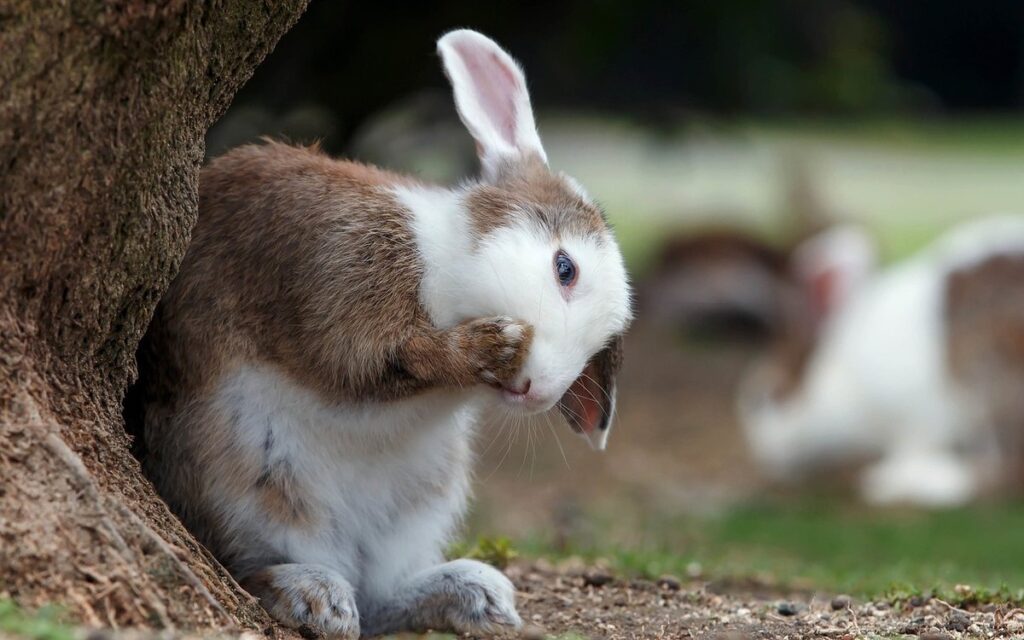
Understanding Rabbit Behavior and Diet
Rabbits’ natural behavior and dietary needs play a significant role in their garden-hopping habits, so understanding these factors is essential for effective deterrents. Let’s explore how rabbits’ instincts drive their plant-munching tendencies.
Why Rabbits Eat Plants
Rabbits are herbivores by nature, which means their diet consists mainly of plant-based foods. To understand why they’re often attracted to garden plants, it’s essential to recognize their dietary requirements. A healthy rabbit needs a constant supply of fiber-rich foods to stay fit and active. Garden plants, with their high fiber content, provide the perfect solution for rabbits looking for a nutrient-packed meal.
In the wild, rabbits feed on various plant species, including grasses, leaves, stems, and flowers. They have an innate ability to identify and select plants that are rich in nutrients but low in toxicity. Unfortunately, this natural behavior often leads them to gardens where they can indulge in their favorite foods without any restrictions.
As a result, it’s not surprising that rabbits are drawn to garden plants like carrots, lettuce, and peas. These plants are all high in fiber and provide the necessary nutrients for a rabbit’s optimal health. If you’re struggling to protect your garden from mischievous rabbits, understanding their dietary needs is a crucial step in developing an effective deterrent strategy.
Identifying High-Risk Plants for Rabbits
Rabbits are drawn to plants with tender shoots and leaves, particularly those high in water content. Leafy greens like lettuce, spinach, and kale are favorite snacks for rabbits. These plants are often readily available in gardens and can be devoured quickly if not protected. Herbs like parsley, basil, and mint are also irresistible to rabbits due to their sweet fragrance and taste.
In addition to leafy greens and herbs, other high-risk plants for rabbits include vegetables like peas, carrots, and beans. These plants have a similar growth pattern and nutritional profile as the leafy greens, making them appealing to rabbits. Fruiting plants like strawberries, blueberries, and raspberries are also vulnerable, especially if they’re producing new growth.
To identify which plants in your garden are most at risk, take note of their leaves, stems, and any ripe or unripe fruits. Consider the types of plants that tend to grow quickly and have a high water content. If you notice rabbits visiting these areas frequently, it may be wise to protect them with fencing or other deterrent methods.
Preparing Your Garden for Rabbit Protection
Before you can enjoy your lush garden, it’s essential to prepare it for rabbit protection by removing any attractants and securing potential entry points. Let’s start with some critical steps to deter these furry pests.
Fencing Options for Your Garden
When it comes to keeping rabbits out of your garden, fencing is one of the most effective and long-term solutions. There are several types of fencing you can use, each with its own advantages and disadvantages.
Hardware cloth, for example, is a popular choice for rabbit-proofing gardens. Made from metal mesh, it’s difficult for rabbits to chew through or burrow under. You can attach it to wooden posts or install it as a buried barrier around the perimeter of your garden. Keep in mind that hardware cloth comes in different gauges (thicknesses), with higher gauges providing better protection.
Chicken wire is another option, but it’s not recommended for rabbit control due to its loose weave and susceptibility to chewing. Rabbits can easily gnaw through chicken wire, making it less effective than other types of fencing.
Mesh fencing, on the other hand, is a more durable alternative to chicken wire. It’s made from thicker wires that are tightly woven together, providing better protection against rabbit damage. When choosing mesh fencing for your garden, look for options with openings of 1 inch or smaller to prevent rabbits from squeezing through.
In addition to these types, consider the height and depth of your fence, as well as any potential entry points (such as underground burrows). A minimum of 3 feet tall is recommended, but taller fences may be necessary depending on the size of your garden and the rabbit population in your area.
Plant Selection for Rabbit-Resistant Gardens
When selecting plants for a rabbit-resistant garden, consider those with unappealing textures, tastes, or smells to rabbits. Plants with thick, fibrous leaves or stems are often less appealing to rabbits, such as lavender, rosemary, and thyme. These herbs also have the added benefit of releasing oils that repel rabbits.
Other options include plants with bitter or astringent properties, like daffodils and hyacinths, which can deter rabbits from feeding on them. Vegetables with strong scents, like garlic and hot peppers, may also be less appealing to rabbits.
When choosing rabbit-resistant plants, consider the time of year as well. Some plants that are unappealing to rabbits in spring may become more attractive during the summer or fall months. For example, some types of grasses may be less appealing to rabbits when they’re young and tender, but become a favorite snack once they mature.
When selecting rabbit-resistant plants, remember to consider the overall composition of your garden. Mixing different types of plants with varying levels of appeal can help minimize damage.
Deterrent Methods to Keep Rabbits Away
If you’re tired of finding rabbit holes in your garden, it’s time to explore some effective deterrent methods that will keep these furry critters at bay. Let’s look at some practical ways to protect your plants from unwanted nibbling.
Physical Barriers and Repellents
Using physical barriers like row covers can be an effective way to deter rabbits. These lightweight fabrics allow sunlight and water through while preventing rabbits from accessing your plants. You can drape them over individual beds or cover entire sections of your garden. When choosing a row cover, consider its weight and breathability: heavier weights provide better protection but may retain heat and moisture.
Repellents containing predator urine, such as coyote or fox scat, can also be used to deter rabbits. These products mimic the scent of natural predators, which rabbits associate with danger. Sprinkle them around plantings or along fence lines, following the product’s instructions for application rates and frequency. Some gardeners swear by these products’ effectiveness, but results may vary depending on individual circumstances.
When using physical barriers or repellents, it’s essential to be consistent in their application. Rabbits can quickly adapt to new scents or learn to navigate through row covers if they’re not properly secured. For best results, combine these methods with other deterrents and regularly inspect your garden for signs of rabbit activity.
Motion-Activated Sprinklers for Rabbit Deterrence
Motion-activated sprinklers can be an effective and humane way to deter rabbits from approaching your garden. These devices use sensors to detect movement and trigger a sudden burst of water, startling the rabbit and encouraging it to leave. The surprise and discomfort caused by the sudden spray of water often successfully deters rabbits from returning.
When choosing motion-activated sprinklers for rabbit deterrence, consider the following factors: placement, range, and adjustment options. Place the device near areas where you’ve observed rabbit activity, ideally at a height that allows it to detect movement without being easily knocked over by a rabbit. Select a model with a sufficient range to cover the area you want to protect.
Some popular types of motion-activated sprinklers include those that use high-pressure nozzles and those that release a wide fan spray. High-pressure models are effective at short ranges but may not be as reliable for larger areas, while fan sprays can cover more ground but might require adjustment to ensure an adequate spray pattern. Adjust the device’s sensitivity setting according to your garden’s specific needs, taking care not to trigger unnecessary water usage.
Humane and Non-Toxic Methods for Repelling Rabbits
If you’re looking for ways to keep those pesky rabbits from munching on your garden, consider these humane and non-toxic deterrents that really work. They’ll help save your plants in a snap.
Using Hot Pepper Spray or Granules
When using hot pepper spray or granules to deter rabbits from eating plants, it’s essential to choose products with a sufficient Scoville heat unit (SHU) rating. Look for sprays containing capsaicin, the compound responsible for the burning sensation, which is naturally found in chili peppers. A minimum SHU rating of 1 million is recommended to effectively deter rabbits.
Hot pepper granules can be sprinkled around plant beds or borders to create a barrier that deters rabbits from approaching. Spraying hot pepper solutions directly on plants may not be as effective, as rabbits can quickly learn to associate the new sensation with specific areas rather than the entire area. Applying hot pepper products at regular intervals is crucial for maintaining their effectiveness.
For optimal results, combine hot pepper-based deterrents with other non-toxic methods, such as rabbit-resistant plants and physical barriers like fencing. Keep in mind that individual rabbits may have varying levels of sensitivity to capsaicin, but using a strong enough concentration will generally deter most rabbits from approaching the area.
Planting Rabbit-Repellent Herbs in Your Garden
When planting rabbit-repellent herbs in your garden, it’s essential to choose varieties that rabbits find particularly unappealing. Lavender and mint are two of the most effective options, as they release strong scents that deter rabbits from approaching. Plant these herbs alongside your desired crops, taking care to space them evenly and allow for adequate growth.
Incorporating a mix of annuals and perennials can provide ongoing protection against rabbit damage. For example, you could plant lavender in the spring, allowing it to grow and bloom throughout the summer, while interspersing mint between rows of vegetables or flowers. This will create a layered defense system that rabbits are less likely to penetrate.
Some other herbs worth considering include rosemary, sage, and chamomile. These plants are all known for their pungent aromas and can be used in combination with lavender and mint to create an effective rabbit-repellent blend. Be sure to plant them in a location where they’ll receive sufficient sunlight and water, allowing the scents to spread freely throughout your garden.
Monitoring and Maintenance for a Rabbit-Free Garden
To keep those pesky critters at bay, you’ll want to focus on regular monitoring of your garden’s vulnerable areas and implementing some smart maintenance habits. This includes routine checks for signs of rabbit activity.
Regularly Inspecting Your Garden
Regular checks will help you identify any new damage or areas where the fencing may need repair. To maintain a rabbit-free garden, it’s essential to regularly inspect your property for signs of rabbit activity. This should be done at least once a week, but ideally more often if you live in an area with high rabbit populations.
During your inspection, look for any new holes in the fence, gaps between posts, or weak spots where rabbits may be able to squeeze through. Check the fencing materials themselves for signs of wear and tear, such as loose wires or damaged wood. Also, inspect the surrounding soil and plants for any fresh droppings or gnaw marks.
If you notice any damage or weaknesses in your fencing, make repairs promptly to prevent further rabbit incursions. You may need to replace torn wire mesh or repair gaps between posts with new materials. Keep a record of your inspections and repairs so you can track any patterns or areas that require more attention.
By regularly inspecting your garden, you’ll be able to catch any issues early on and take steps to prevent rabbits from causing further damage. This proactive approach will help you maintain a healthy and rabbit-free garden throughout the growing season.
Adjusting Deterrent Methods Based on Weather Conditions
When the weather changes, it’s essential to adjust your deterrent methods accordingly. Rain and snow can reduce the effectiveness of physical barriers like fencing, allowing rabbits to easily jump over them when they’re wet. In such conditions, consider adding additional layers of protection, such as chicken wire or netting, to prevent rabbits from burrowing under the fence.
On extremely hot days, motion-activated sprinklers may not be as effective, as the sudden burst of water might not deter rabbits accustomed to dry environments. Instead, try using a different type of repellent, like commercial rabbit deterrent granules or homemade concoctions made from hot peppers and soap.
In cold weather, rabbits may seek shelter in your garden more frequently, so it’s crucial to keep an eye on your plants. Consider placing protective covers over sensitive areas or using row covers to prevent damage. Be aware that extreme temperatures can also affect the potency of repellents like hot pepper spray, so reapply them as needed to maintain their effectiveness.
Keep a close eye on your garden during changing weather conditions and be prepared to make adjustments to your deterrent methods accordingly. This will help ensure your garden remains rabbit-free even when the weather is less than ideal.
Frequently Asked Questions
How Often Should I Reapply Deterrent Methods After Rain or Snow?
You should reapply deterrent methods after rain or snow to ensure their effectiveness. Rabbits can be persistent, and weather conditions can reduce the potency of repellents. Regularly inspect your garden and reapply deterrents as needed to maintain a rabbit-free zone.
Can I Use One Deterrent Method for My Entire Garden, or Do I Need to Target Specific Areas?
You can use one deterrent method for your entire garden, but it’s essential to identify high-risk areas and target those specifically. For example, if you notice that rabbits are consistently damaging a particular section of your garden, you may need to apply additional deterrents in that area.
How Do I Know If My Rabbits Are Getting Used to the Deterrent Methods?
If your rabbits seem to be getting used to the deterrent methods, it’s likely that they’re losing their effectiveness. Monitor your garden closely and adjust your deterrent strategies as needed. You can also try rotating between different types of deterrents or using multiple methods simultaneously.
What If I Have a Large Garden and Limited Budget for Deterrent Methods?
If you have a large garden and limited budget, prioritize the areas with the most valuable or sensitive plants. Focus on protecting these areas first, and then allocate resources to other parts of your garden as needed. You can also consider homemade or DIY deterrent methods that are cost-effective.
Can I Use Deterrent Methods During Peak Rabbit Season (Spring and Fall) Only, or Should I Use Them Year-Round?
You should use deterrent methods year-round, not just during peak rabbit season. Rabbits can be active throughout the year, especially if they’re habituated to your garden. Maintain a consistent level of protection to prevent damage and ensure a healthy garden ecosystem.

