When you’re planning to raise chickens in your backyard, the design and build of their coop is often overlooked until it’s too late. A well-designed interior is crucial for meeting your chickens’ needs while maintaining biosecurity and health standards. Chickens require specific spaces to roost, nest, and bathe, as well as perches for exercise and dust baths to keep their feathers clean. If these needs aren’t met, your flock may become stressed, unhealthy, or even escape- prone. In this article, we’ll explore the essential components of an interior that meets your chickens’ needs, including nesting boxes, roosts, perches, and dust baths, so you can create a safe and healthy environment for them to thrive in. By the end of this guide, you’ll know how to design and build an interior that prioritizes both chicken health and safety.
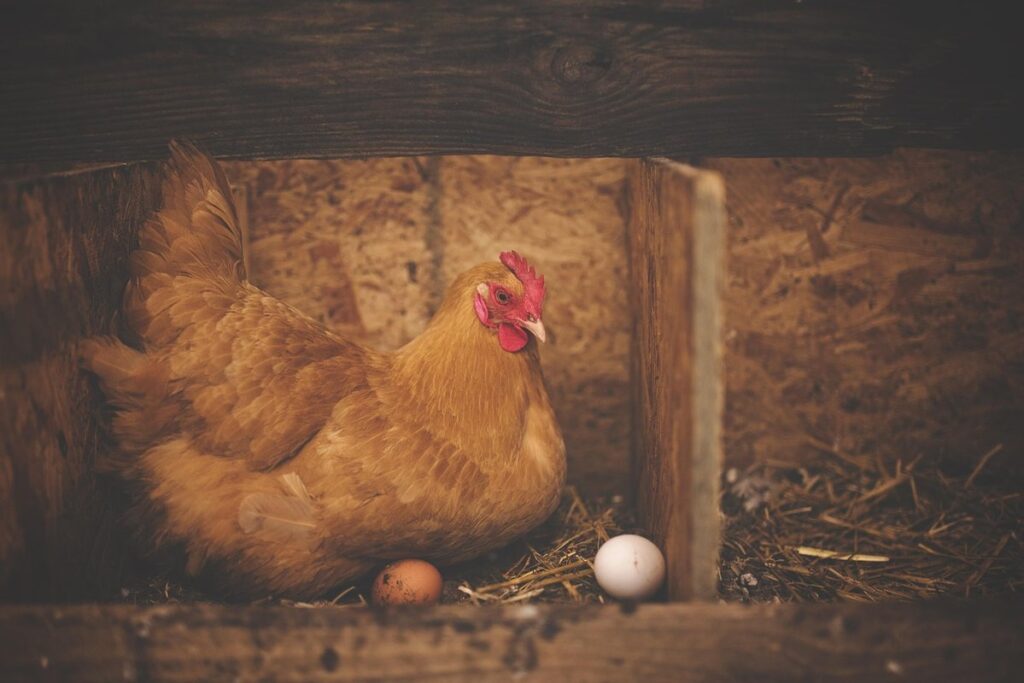
Planning Your Chicken Coop
When planning your chicken coop, it’s essential to consider how you’ll organize the interior space to ensure a healthy and happy flock. This includes designing areas for nesting boxes, feeding stations, and dust baths.
Choosing the Right Location
When selecting a location for your chicken coop, several key factors come into play. One of the most important considerations is sunlight. Chickens need access to natural light to regulate their circadian rhythms and maintain optimal health, but direct sunlight can also pose a risk if it’s too intense. Ideally, choose a spot that receives partial shade, especially during peak sun hours.
Wind direction is another crucial factor to consider. Chickens are sensitive to strong winds, which can cause stress and make them more susceptible to disease. Select a location that provides some protection from prevailing winds, such as near a tree or fence line.
Proximity to your home is also essential. While it’s convenient to locate the coop near your house, it’s often better to place it at a reasonable distance to minimize noise and odors. A good rule of thumb is to position the coop 10-20 feet away from your nearest living space. By taking these factors into account, you can choose an optimal location for your chicken coop that balances convenience with animal welfare.
Determining the Size of Your Coop
When determining the size of your coop, it’s essential to consider not just the number of chickens you plan to keep but also their breed-specific needs. A good rule of thumb is to allocate about 3-4 square feet per chicken inside the coop itself. However, some breeds require more space than others.
For example, large fowl like Orpingtons and Brahma can thrive in a larger coop with around 5-6 square feet per bird, while smaller breeds like Leghorns and Bantams are happy with less space at about 2-3 square feet each. It’s also crucial to factor in the size of your chickens’ nesting boxes and roosts.
A general guideline is to provide one nesting box for every three to four hens. The box should be around 12 inches wide, 12 inches deep, and 18 inches tall. Roosting bars should be at least 2 feet off the ground and about 1 inch thick. Keep in mind that these are just general guidelines, and your specific climate and the size of your chickens will also influence coop size requirements.
Remember to calculate the total square footage needed for your coop based on the number and breed of your chickens, as well as any additional features you want to include, such as a dust bath or storage area.
Setting a Budget for Your Project
When building or purchasing a chicken coop, it’s essential to consider all costs involved, from materials and labor to ongoing expenses. Start by making a list of necessary components, such as lumber, roofing material, wire mesh, and nesting boxes. Research the prices for each item to get an accurate estimate.
Consider both initial investment and long-term expenses. For example, if you’re using treated wood for the coop’s frame, factor in the cost of replacing it every 5-7 years due to wear and tear. Similarly, think about ongoing expenses like feeders, waterers, and bedding material.
As a rough estimate, a basic chicken coop can cost anywhere from $100 to $500, depending on its size and materials used. However, this figure doesn’t account for labor costs if you’re hiring someone to build the coop. If you plan to manage your flock’s health and safety effectively, factor in expenses like vaccinations, medications, and pest control measures.
Keep in mind that these estimates can vary significantly based on local prices and your specific needs. To ensure a realistic budget, consider factors like climate, predators, and your flock’s size when calculating costs. By considering all these expenses upfront, you’ll be better equipped to plan and manage your chicken coop’s maintenance and upkeep.
Building Materials and Considerations
When it comes to building a chicken coop, the materials you choose can make all the difference in your birds’ health and happiness. Let’s explore the essential building materials and considerations for creating a safe and comfortable interior space.
Selecting Durable and Easy-to-Clean Materials
When selecting materials for your chicken coop’s interior, it’s essential to consider durability and ease of cleaning. Wood is a popular choice, but it requires regular maintenance to prevent rot and insect damage. Pressure-treated wood can be a cost-effective option, but its chemical treatment may not be ideal for your flock’s health. Metal, on the other hand, is resistant to pests and weathering, making it a durable choice. However, it can be noisy and may require additional support to withstand wind loads.
Plastic materials are another consideration, often used for coop partitions or nesting boxes. They’re easy to clean and resistant to moisture, but their durability depends on the specific type and quality of plastic. Consider factors like UV stability and chemical resistance when choosing a plastic material.
When evaluating options, also consider your local climate and environmental conditions. For example, if you live in an area prone to high humidity or heavy rainfall, materials with high water-resistance may be essential. Additionally, opt for materials that are easy to clean and disinfect to maintain your flock’s health and prevent disease.
Incorporating Ventilation and Lighting
When designing the interior of your chicken coop, proper ventilation and lighting are crucial for maintaining a healthy environment. Without adequate airflow, ammonia from chicken waste can build up, causing respiratory problems for both chickens and humans. This is where vents come into play. You’ll want to install windows or overhead vents that allow for cross-ventilation – the exchange of air between opposite sides of the coop. This can be achieved by installing vents at opposite ends of the coop or along the roofline.
For lighting, use fixtures specifically designed for chicken coops, such as LED or fluorescent lights. These are more energy-efficient and produce less heat than traditional incandescent bulbs. Position light sources to illuminate areas where chickens will spend most of their time, like nesting boxes and feeding areas. A good rule of thumb is to provide at least 10-15 watts per square foot for a well-lit coop.
Some popular vent options include:
• Ridge vents: installed along the peak of the roof
• Gable vents: installed in the gable ends of the coop
• Cupola vents: installed in a decorative cupola or turret
When choosing light fixtures, consider factors like energy efficiency and heat output. Avoid using dimmers with LED lights, as they can reduce bulb lifespan.
Adding Secure Doors and Locks
When designing secure doors and locks for your chicken coop, consider a multi-point locking system. This involves using multiple points of contact between the door and its frame to make it more difficult for predators to force entry. You can achieve this with a combination of latches, hinges, and strike plates.
For added security, install doors that open outwards rather than inwards. This way, if a predator manages to get inside, you’ll be able to shut the door behind them without letting them escape. You should also use hardware cloth or metal mesh to cover any gaps between the door and its frame.
When choosing locks, look for ones specifically designed for outdoor use and made from durable materials like stainless steel or brass. These are more resistant to rust and can withstand exposure to the elements. Consider using a lock with a deadbolt feature, which provides an additional layer of security by requiring a key to unlock the door from both sides.
When deciding on a locking system, remember that ease of access is still important for cleaning and inspection purposes. Choose a design that balances security with practicality, allowing you to quickly and easily open the doors without having to manipulate complicated hardware.
Health and Safety Considerations
When it comes to designing a chicken coop, safety should be your top priority, not just for your birds but also for yourself. This section will cover essential health and safety considerations for creating a safe coop environment.
Biosecurity Measures for Your Flock
When it comes to protecting your flock from disease outbreaks, biosecurity is a crucial aspect of chicken coop design and management. Regular disinfection is essential to prevent the spread of diseases such as avian influenza and salmonella. You should clean and disinfect all surfaces, including feeders, waterers, and perches, on a regular basis – ideally once a week.
Monitoring your chickens for signs of illness is also vital. Keep an eye out for changes in behavior, appetite, or droppings, as these can be early indicators of disease. If you notice any unusual symptoms, isolate the affected bird immediately to prevent it from infecting others. You should also regularly inspect your coop’s ventilation and drainage systems to ensure they are functioning properly.
Here are some key biosecurity measures to consider:
- Clean and disinfect all surfaces with a solution of 1 part bleach to 10 parts water
- Remove any soiled bedding or debris from the coop
- Wash your hands thoroughly before and after handling chickens or their equipment
- Limit visitor access to the coop and ensure anyone who enters is clean and free from disease
Protecting Yourself from Chicken Diseases
When working with chickens, it’s essential to be aware of common diseases that can be transmitted to humans through contact with infected birds or their droppings. Avian influenza, salmonella, and E. coli are just a few examples. These pathogens can cause serious health issues in people who come into close contact with contaminated environments.
To minimize risks, keep your coop clean by removing soiled bedding and droppings regularly. Wear gloves when handling chickens or their waste to prevent direct contact with bacteria. Washing your hands thoroughly after interacting with the flock is also crucial. You should also ensure good ventilation within the coop to reduce moisture levels that can foster bacterial growth.
Some diseases, such as avian influenza, are highly contagious and require swift action if you suspect an outbreak. Keep records of vaccinations, health checks, and any issues that may have arisen in your flock. Regularly inspecting your chickens’ droppings for unusual color or consistency can also help identify potential problems early on.
While these precautions might seem daunting, they’re essential for maintaining a healthy environment not just for your chickens but also for yourself and others who interact with the coop. By taking proactive measures to prevent disease transmission, you can enjoy raising happy and healthy birds while minimizing risks to human health.
Handling Chickens Safely
When handling chickens, it’s essential to do so safely to avoid injury and stress for both you and the birds. To catch a chicken, move slowly and calmly towards it, allowing the bird time to become aware of your presence. Use a gentle, sweeping motion with your hands or a net to guide the chicken into a carrier or catching area. Avoid sudden movements, as these can trigger a fight-or-flight response in the bird.
When restraining chickens, be sure to support their body and wings to prevent injury. Hold the chicken firmly but gently against your chest or across your lap, making sure its head is not constricted. If you need to restrain a particularly feisty bird, consider enlisting help from someone else to hold its legs while you secure its wings.
Releasing chickens requires just as much care. When returning a bird to its enclosure, allow it time to adjust to its surroundings before letting it roam free. Make sure the coop is quiet and calm, with any potential predators or stressors removed. Release the chicken slowly and gently, allowing it to find its footing before leaving it to settle back into its routine.
Designing the Interior of Your Coop
When designing the interior of your chicken coop, it’s essential to consider the specific needs of your flock, from nesting boxes to perches and roosts. Let’s explore how to create a functional and comfortable space for your chickens.
Navigating the Coop’s Layout
When designing the interior of your coop, it’s essential to create a functional layout that meets your chickens’ needs for movement, rest, and access to food, water, and nesting areas. A well-planned layout will help prevent overcrowding, reduce stress, and promote health.
Start by considering the coop’s dimensions and the number of birds you plan to keep. Aim for about 3-4 square feet of space per chicken inside the coop. Allocate a section for feeding and watering stations, keeping them at least 18 inches away from nesting areas to prevent contamination.
Designate a roosting area where chickens can rest comfortably. Typically, a sturdy beam or bar around 2-3 feet off the floor works well. Add nesting boxes, ideally one per 3-4 hens, and place them in a quiet, enclosed spot to reduce stress during laying.
Consider a “chicken run” layout, separating areas for movement, rest, and feeding to prevent overcrowding. You can also incorporate perches, dust baths, or other enrichment features to keep your flock engaged and active. By prioritizing chicken-friendly design elements, you’ll create a healthy and happy environment for your birds to thrive in.
Building Nesting Boxes and Roosts
When designing nesting boxes and roosts for your coop, it’s essential to prioritize comfort and accessibility. Chickens are most likely to lay eggs in a quiet, private area with adequate ventilation. Consider placing nesting boxes at the same height, about 2-3 feet off the ground, and ideally 1-2 feet apart from each other.
A good rule of thumb is to provide one nesting box per 3-4 hens, although some breeders recommend more spacious arrangements. Nesting boxes should be around 12 inches wide, 12 inches deep, and 18 inches tall. Make sure the entrance is about 6-8 inches wide and covered with a roof or lid to protect against rain and predators.
When building roosts, choose sturdy branches that are at least 2 inches in diameter and positioned at an angle to allow chickens to comfortably perch and roost for extended periods. Aim for a height of around 3-4 feet above the nesting boxes. Consider adding perches or bars to make it easier for your hens to climb up and down safely.
When selecting materials, prioritize durability and ease of cleaning. For example, you can use metal or plastic nesting box inserts that are easy to clean and disinfect between uses.
Incorporating Perches and Dust Baths
Providing perches for chickens to exercise on is crucial for their physical health and overall well-being. Chickens need regular opportunities to stretch their wings, flap their feet, and engage in natural behaviors like roosting and perching. A good rule of thumb is to provide a minimum of 2-3 inches of roosting space per chicken, with the option to add more as your flock grows.
The type of perch you choose can also make a big difference. Consider using wooden dowels or branches that are easy to clean and provide adequate grip for chickens’ feet. Avoid using plastic or metal perches, which can be slippery and cause injuries. If possible, position the perches at different heights to encourage your chickens to move around and exercise.
In addition to perches, dust baths are essential for maintaining your chickens’ plumage and skin health. Chickens have a natural instinct to scratch and dig in dry soil or sand to remove loose feathers and oils from their skin. Provide a shallow dish or tray filled with clean, dry material like wood ash, play sand, or even shredded paper. Make sure it’s easily accessible and large enough for all your chickens to use at once.
A good dust bath area should be at least 2×3 feet in size and have a slight incline to prevent water from collecting. You can also add a shallow lip around the edges to contain the material and make cleanup easier.
Maintenance and Upkeep
To keep your chicken coop running smoothly, regular maintenance is crucial for ensuring the health and happiness of your flock. This includes tasks such as cleaning out droppings and inspecting for damage.
Cleaning and Disinfecting Your Coop
Regular cleaning and disinfection of your chicken coop are crucial to maintaining a healthy environment for your flock. Failure to do so can lead to disease outbreaks, which can be costly and devastating to your birds. Bacteria, viruses, and parasites thrive in dirty coops, causing illness and even death.
Dirty conditions also attract pests like rodents, flies, and mites, which can spread diseases and annoy your chickens. You should clean your coop regularly to remove droppings, debris, and uneaten food. Remove soiled bedding materials, such as wood shavings or straw, and replace them with fresh ones.
Disinfecting your coop is equally important. Use a solution of 1 part white vinegar to 9 parts water to kill bacteria and viruses. Spray the solution on all surfaces, including walls, floors, and equipment. Allow it to sit for 10-15 minutes before rinsing thoroughly with clean water. You can also use a commercial disinfectant specifically designed for animal enclosures.
When cleaning and disinfecting your coop, wear gloves and protective clothing to prevent exposure to bacteria and viruses. This practice is especially important when dealing with diseases like avian influenza or Newcastle disease.
Monitoring Climate and Humidity Levels
Chickens are sensitive to extreme temperatures and humidity levels, which can lead to heat stress, respiratory issues, and other health problems. To ensure a healthy environment for your flock, it’s essential to monitor climate and humidity levels within the coop.
Adequate ventilation is key in regulating temperature and humidity. Ensure that air can circulate freely by installing windows or vents on opposite sides of the coop. You can also use baffles or mesh panels to direct airflow and prevent drafts. Monitor temperature fluctuations using a thermometer, aiming for a range between 40°F and 80°F (-4°C and 27°C).
Humidity levels should be maintained between 50% and 60%. High humidity can lead to respiratory issues, while low humidity can cause dehydration. Use a hygrometer to track humidity levels and adjust ventilation accordingly. You may need to install additional vents or use dehumidifiers in humid climates.
Regularly inspect your coop for signs of moisture accumulation, such as water spots, mold, or musty odors. Address any issues promptly by improving ventilation or increasing the frequency of cleaning and disinfection. By monitoring climate and humidity levels and making adjustments as needed, you can create a comfortable and healthy environment for your chickens to thrive in.
Managing Pests and Rodents
When it comes to managing pests and rodents, you need to be proactive. Rodents like mice and rats can carry diseases and damage your coop’s structure, while birds such as sparrows and starlings can spread mites, lice, and other parasites to your flock.
To prevent infestations, consider using hardware cloth or wire mesh around any openings or vents in the coop. For example, cover windows and doors with 1/4-inch hardware cloth to keep rodents out. You can also install a roof overhang or a fence around the coop to discourage birds from roosting nearby.
In addition to physical barriers, regular cleaning is crucial. Remove any debris, droppings, or uneaten food that may attract pests. Disinfect all surfaces, including nesting boxes and perches, with a 1:10 solution of bleach to water. Check for signs of infestation regularly, such as gnaw marks on wood or feces around the coop.
Some common pests and their control methods include:
• Mice: Use snap traps or repellents containing predator scents like fox urine.
• Rats: Employ similar tactics, but be aware that rats are more intelligent and may require more advanced trapping strategies.
• Sparrows and starlings: Install netting or bird-repellent balloons around the coop to deter roosting.
Frequently Asked Questions
How Often Should I Replace the Bedding in My Chicken Coop?
Replacing bedding regularly is crucial to maintaining hygiene and preventing disease outbreaks. Aim to change it every 1-2 months, or sooner if you notice signs of moisture or ammonia buildup. You can use a combination of wood shavings, straw, or pine bark, but avoid using cedar or cypress as they may harm your chickens.
Can I Use Recycled Materials for Building My Chicken Coop?
While repurposing materials is an eco-friendly idea, it’s essential to choose materials that are safe and durable enough for a chicken coop. Avoid using pressure-treated wood, old pallets with potential chemical residue, or plastic containers that can harbor bacteria. Opt for sustainable materials like reclaimed wood, metal, or recycled plastic sheets instead.
What Happens if I Don’t Provide Enough Perches for My Chickens?
Insufficient perches can lead to stress, injury, and even death among your flock. Chickens need around 1-2 feet of roosting space per bird, with at least 3-4 inches between each perch. Providing enough perches will help prevent wing fatigue, promote exercise, and maintain a healthy weight.
How Can I Prevent My Chicken Coop from Getting Too Hot in Summer?
To keep your coop cool during hot summer months, ensure good ventilation by installing windows, vents, or fans that can circulate air. You can also use reflective materials like aluminum foil or white paint to reflect sunlight, and provide shaded areas for your chickens to escape direct heat.
Can I Use a Pre-Fabricated Chicken Coop as a Starter Kit?
While pre-fabricated coops can be convenient, they might not meet the specific needs of your flock. Before investing in one, consider factors like size, material quality, ventilation, and ease of customization. A pre-fabricated coop may work for small flocks or beginners but ensure it’s adaptable to your chickens’ growing needs and your local climate.